
Mount Fuji: Complete Guide to Climbing, the Five Lakes and the Best Views
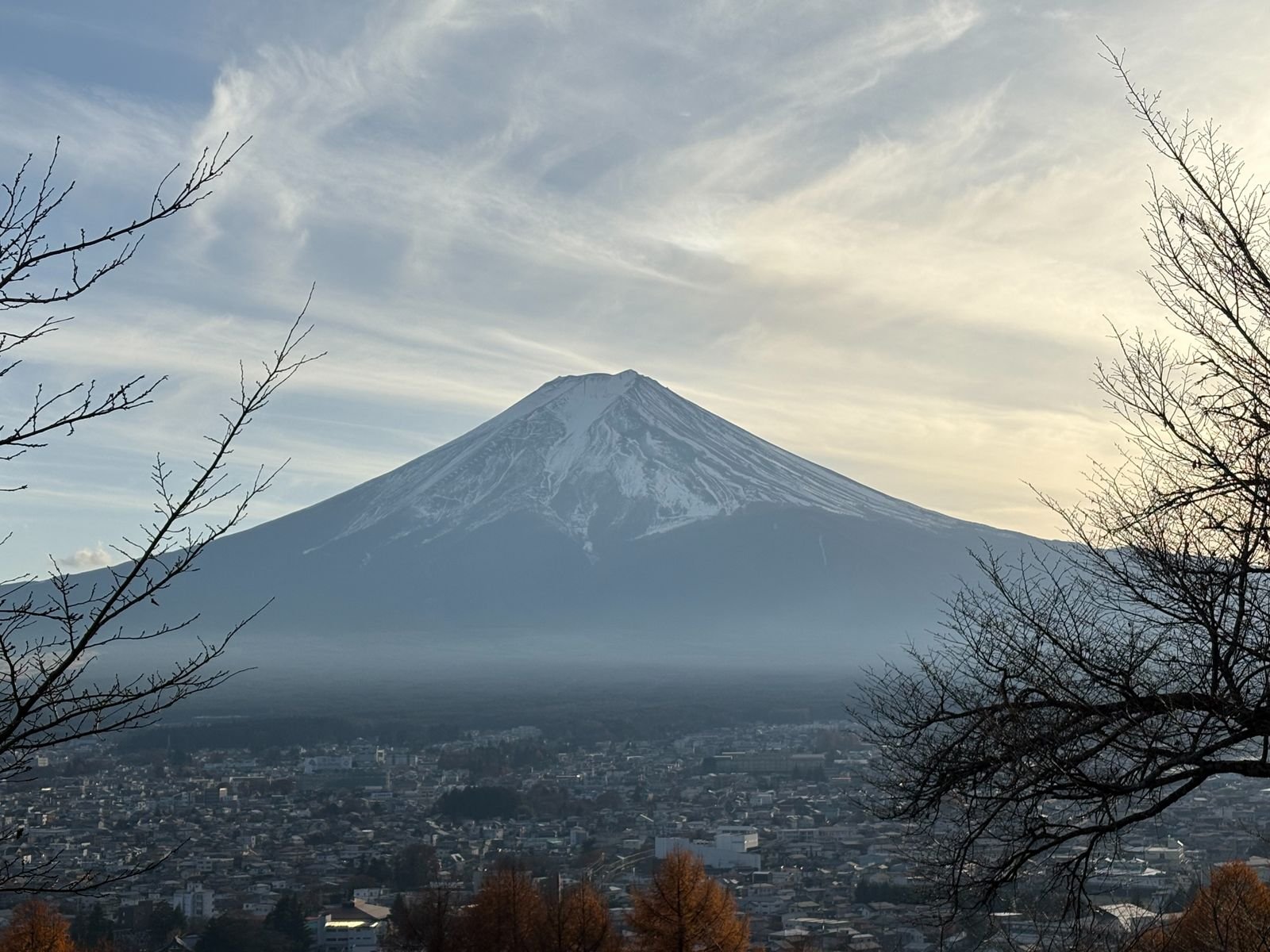
Mount Fuji is Japan’s most famous mountain and one of the most recognisable peaks in the world. Rising to 3,776 metres, this perfect cone of a volcano has inspired artists, poets, and pilgrims for centuries. For travellers, Mount Fuji is both a sight to see and a mountain to climb, and it rewards careful planning. On a clear morning, the view of Mount Fuji from a lake or a pagoda is one of the great moments of any trip to Japan.
This complete guide to Mount Fuji covers everything you need to plan your visit. You will find the best viewpoints, the climbing trails and seasons, the Fuji Five Lakes, and honest advice on when to go, how to get there, where to stay, and how to enjoy the mountain safely. Whether you want to climb to the summit or simply admire Mount Fuji from below, the ideas below will help you make the most of your trip.
Why Visit Mount Fuji
Mount Fuji is special because it is both a natural wonder and a cultural icon. It is a UNESCO World Heritage Site, a sacred mountain in the Shinto tradition, and the subject of some of Japan’s most famous art, including Hokusai’s Thirty-six Views of Mount Fuji. To see it in person is to understand why it has inspired people for so long. The mountain changes with the light and the seasons, from snow-capped in winter to green in summer, and it never looks quite the same twice.
The area around Mount Fuji is also beautiful in its own right. The Fuji Five Lakes offer reflections, hot springs, and quiet villages, while the forests and waterfalls of the foothills are perfect for walking. You can combine a visit to Mount Fuji with Tokyo, Kyoto, or Hakone, making it an easy addition to almost any Japan itinerary. Whether you climb it or not, Mount Fuji is a highlight that stays with you long after you leave Japan.
One honest warning is important: Mount Fuji is often hidden by clouds, especially in summer. Many visitors arrive and see only a grey sky where the mountain should be. The best chances of a clear view are in the early morning and in the colder months, from November to February. This guide will help you choose the best time and the best viewpoints, so you have the best possible chance of seeing Mount Fuji at its finest.
If you love great mountains, you will also enjoy our guides to Mount Kilimanjaro: Complete Guide to Climbing Africa’s Highest Mountain and Dolomites, Italy: Complete Guide to Italy’s Pale Mountains, Lakes and Hiking Trails. Both are mountain journeys built around great hikes, high viewpoints, and unforgettable scenery, just like Mount Fuji.
Best Things to Do at Mount Fuji
The best things to do at Mount Fuji range from climbing to the summit to simply watching the mountain from a lakeside. Plan your visit around the season and the weather, and allow extra time, because the mountain does not always show itself on schedule. Here are the highlights to build your trip around.
Climb Mount Fuji
Climbing Mount Fuji is the ultimate experience for fit walkers. The official climbing season runs from early July to early September, when the mountain huts are open and the trails are free of snow. The Yoshida Trail, from the Fuji Subaru Line 5th Station, is the most popular route, taking five to seven hours up and three to four hours down. Many climbers stay overnight in a mountain hut and reach the summit for sunrise, watching the sun rise above a sea of clouds.
Chureito Pagoda
The Chureito Pagoda in Fujiyoshida is the most famous viewpoint of Mount Fuji, with a five-storey pagoda in the foreground and the mountain behind it. The view is especially beautiful in spring, when cherry blossoms frame the pagoda, and in autumn, when the maple leaves turn red. Climb the 400 steps to the pagoda early in the morning, when the light is best and the crowds are still small.
The Fuji Five Lakes
The Fuji Five Lakes, Kawaguchi, Yamanaka, Sai, Shoji, and Motosu, are the best places to see Mount Fuji reflected in still water. Lake Kawaguchi is the most popular, with the best transport links and the most viewpoints, including the famous upside-down Fuji reflection on a calm morning. Lake Yamanaka is the largest and quietest, while Lake Motosu appears on the back of the 1,000 yen note. Rent a bicycle and ride the lakeside paths for the best views.
Oshino Hakkai
Oshino Hakkai is a village of eight small ponds fed by the spring water of Mount Fuji, with traditional houses, water wheels, and views of the mountain. The water is so clear that you can see the bottom of the ponds, and local people believe it has healing powers. Visit early in the morning to enjoy the village before the tour buses arrive, and try the fresh spring water from the public taps.
Hakone and Lake Ashi
Hakone, to the southeast of Mount Fuji, is a classic day trip from Tokyo that combines views of the mountain with hot springs, art museums, and a boat ride on Lake Ashi. On a clear day, the view of Mount Fuji from the lake, with the red torii gate of Hakone Shrine in the foreground, is one of the most photographed scenes in Japan. Stay overnight in a ryokan with an onsen bath for the full experience.
Fujiyoshida and the Yoshida Trail
Fujiyoshida is the town at the foot of the Yoshida Trail, and it is the best base for climbers. The town has a charming old street, Fujiyoshida Honcho Street, where you can photograph Mount Fuji framed by the rooftops, plus the Kitaguchi Hongu Fuji Sengen Shrine, where pilgrims have prayed before climbing for centuries. Stay in Fujiyoshida the night before your climb, and enjoy the local specialty, Yoshida udon noodles.
When to Visit Mount Fuji
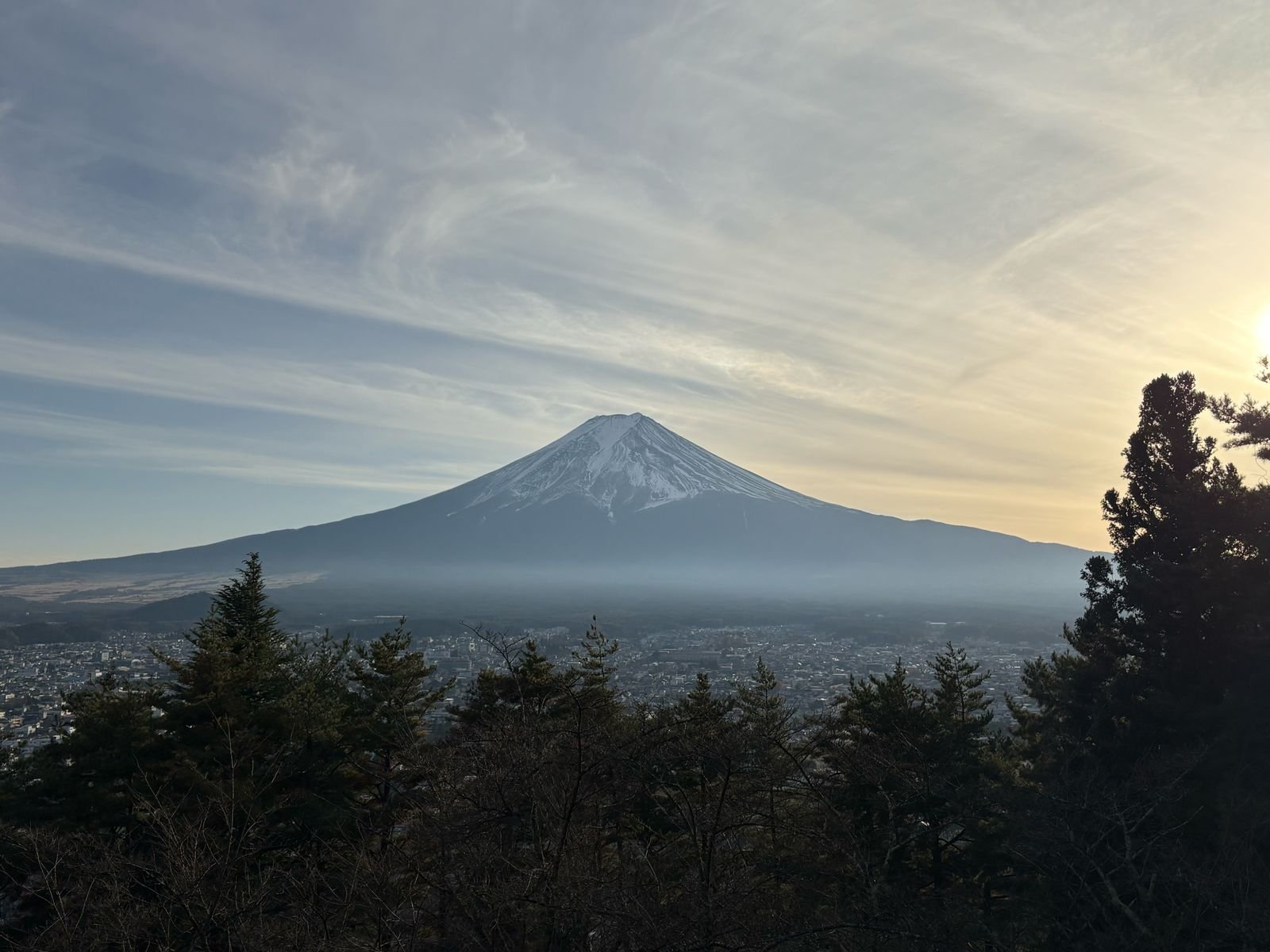
The best time to visit Mount Fuji depends on what you want to do. For climbing, come in July and August, when the trails and mountain huts are open and the weather is warmest. For the clearest views, come from November to February, when the air is cold and dry and the mountain is often visible all day. Spring, from late March to early May, brings cherry blossoms to the lakes and the pagoda, while autumn brings red maple leaves.
Summer is the most popular season, but it is also the cloudiest, and many visitors never see the summit. If you visit in summer, go early in the morning, when the mountain is most likely to be clear, and allow two days so you have a second chance if the weather is bad. Winter is cold but rewarding, with snow on the mountain and far fewer visitors at the viewpoints.
How to Get to Mount Fuji
Most visitors reach Mount Fuji from Tokyo, a journey of about two hours by bus or train. Highway buses run from Shinjuku to Kawaguchiko Station and to the Fuji Subaru Line 5th Station, and they are the easiest option for most travellers. From Kawaguchiko, local buses serve the lakes, the Chureito Pagoda, and Oshino Hakkai. If you are climbing, take the bus to the 5th Station and start your hike from there.
You can also reach the Fuji area by train, taking the JR Chuo Line to Otsuki and then the Fujikyu Railway to Kawaguchiko. A car gives you more freedom to explore the lakes and the quieter viewpoints, but driving in Japan can be challenging for visitors, and parking at the popular spots fills early. Book your bus tickets in advance in peak season, and check the weather before you travel.
Where to Stay Near Mount Fuji
Kawaguchiko is the best base for most visitors to Mount Fuji, with the widest choice of hotels, guesthouses, and lakeside ryokans, plus easy access to the bus network. For a special stay, choose a ryokan with a private onsen bath and a view of the mountain from your room. Fujiyoshida is a good alternative for climbers, with budget guesthouses near the trailhead and a more local feel.
Book accommodation early, especially for the climbing season and the cherry blossom season, when rooms sell out quickly. If you are climbing Mount Fuji, you will also need to book a mountain hut in advance, as they fill up weeks ahead. Wherever you stay, ask your host about the best viewpoint for the morning, because the locals know where the mountain is most likely to be clear.
Practical Tips for Visiting Mount Fuji
Mount Fuji is a serious mountain, and a little preparation will make your visit safer and more enjoyable. The weather changes quickly, and the altitude can affect even fit walkers.
- Check the weather: Look at the forecast the night before and the morning of your visit, and be ready to change your plans if the mountain is hidden by clouds.
- Go early: The best views of Mount Fuji are usually in the early morning, before the clouds build up, so set an alarm and arrive at the viewpoint at sunrise.
- Take altitude seriously: If you climb, ascend slowly, drink plenty of water, and turn back if you feel dizzy or unwell.
- Pack for cold: Even in summer, the summit of Mount Fuji is cold and windy, so bring warm layers, a waterproof jacket, and gloves.
- Respect the mountain: Mount Fuji is a sacred place, so stay on the trails, take your rubbish with you, and do not climb outside the official season.
Conclusion
Mount Fuji is a mountain that rewards patience. It may hide behind clouds on your first morning, but when it appears, whether at sunrise from a lake or from the summit at dawn, it is a sight you will never forget. Plan well, allow extra time, and enjoy the lakes, villages, and hot springs around the mountain as much as the mountain itself. Mount Fuji is not just a place to photograph. It is a place to slow down, look up, and remember why mountains have inspired people for centuries.
Frequently Asked Questions
When can I climb Mount Fuji?
You can climb Mount Fuji in the official season, from early July to early September, when the trails and mountain huts are open. Climbing outside the season is dangerous and not recommended, because the trails are covered in snow and ice.
How long does it take to climb Mount Fuji?
Climbing Mount Fuji on the Yoshida Trail takes five to seven hours up and three to four hours down. Most climbers stay overnight in a mountain hut and reach the summit for sunrise, then descend the next morning.
Where is the best view of Mount Fuji?
The Chureito Pagoda is the most famous viewpoint of Mount Fuji, especially in spring and autumn. Lake Kawaguchi and Lake Yamanaka are also excellent, with reflections of the mountain on calm mornings.
Can I see Mount Fuji from Tokyo?
Yes, on a very clear winter day you can see Mount Fuji from Tokyo, from tall buildings and from the Bunkyo Civic Center. For a reliable view, take a day trip to Kawaguchiko or Hakone instead.



3 Comments