Great Smoky Mountains, USA: Complete Guide to Clingmans Dome, Cades Cove and the Best Mountain Trails
The Great Smoky Mountains, USA, are the most visited national park in America, and they are a place where the mountains seem to breathe. This complete guide to the Great Smoky Mountains explains how to explore Clingmans Dome, Cades Cove, the best mountain trails, and the waterfalls and wildlife that make the Smokies a year-round destination.
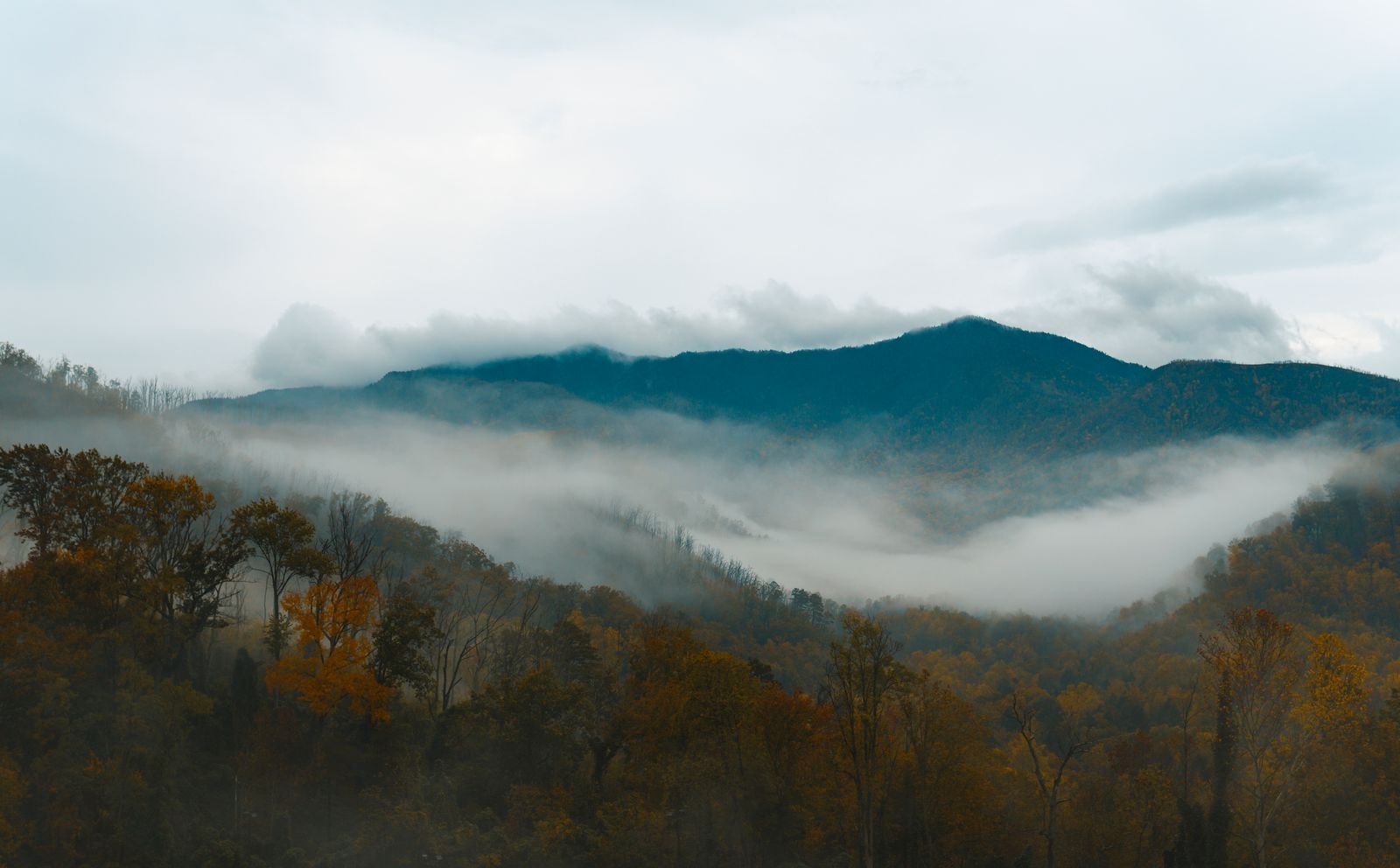
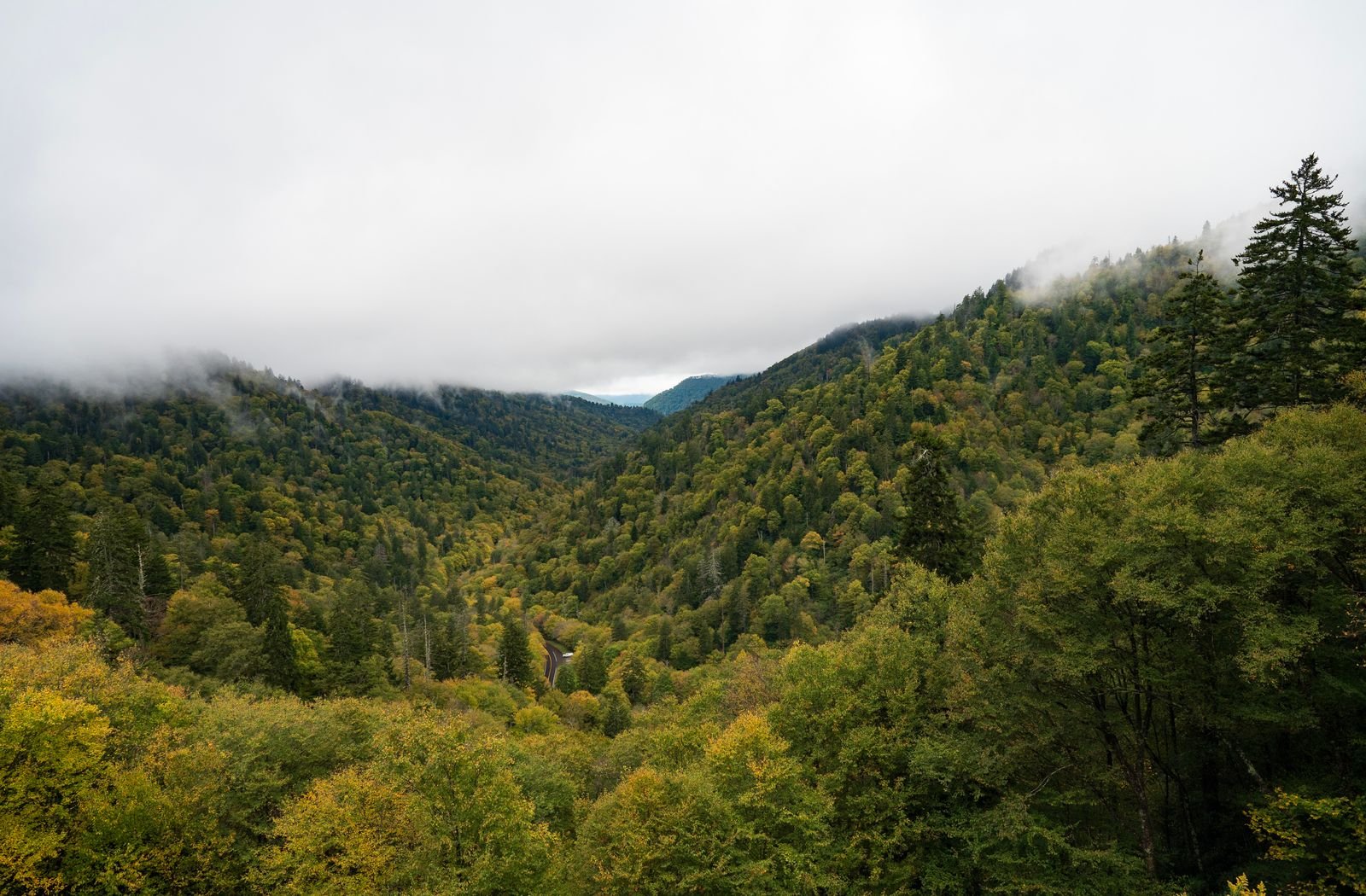
The Smokies straddle the border between Tennessee and North Carolina, and they are part of the Appalachian Mountains, one of the oldest mountain ranges in the world. The park covers more than 500,000 acres, with 800 miles of trails, 100 waterfalls, and more than 1,500 species of flowering plants. The mountains are called smoky because of the blue mist that rises from the forests, a natural haze caused by the trees releasing water vapour and organic compounds into the air.
Why the Great Smoky Mountains Are So Special
The Great Smoky Mountains are special because they are one of the most biodiverse places in the temperate world. The park is a UNESCO World Heritage Site and an International Biosphere Reserve, and it is home to more than 19,000 species, with scientists believing that many more remain to be discovered. The forests include more than 100 species of trees, and the park is known for its wildflowers, with more than 1,500 species blooming in spring.
The Smokies are also special because they are accessible. Unlike many mountain parks, the Great Smoky Mountains have no entrance fee, and the main road, Newfound Gap Road, crosses the park from Tennessee to North Carolina, with viewpoints, trails, and historic buildings along the way. You can drive through the park in a day, but the best way to experience it is on foot, on the trails that lead to waterfalls, viewpoints, and quiet forests.
History is part of the Smokies too. Before the park was created, the mountains were home to Cherokee people, and later to settlers who built cabins, churches, and mills in the valleys. Many of those buildings are preserved in Cades Cove and other historic areas, and they tell the story of life in the mountains before the park. The Cherokee name for the mountains was Shaconage, or place of blue smoke, and that name is still fitting today.
Clingmans Dome: The Highest Point in the Smokies
Clingmans Dome is the highest point in the Great Smoky Mountains, at 6,643 feet, and it is the highest point in Tennessee and the third highest in the eastern United States. The summit is reached by a half-mile paved trail from the parking area, which is steep but manageable, and the observation tower at the top offers 360-degree views over the mountains on clear days. On cloudy days, the tower can be above the clouds, with a sea of mist below.
The road to Clingmans Dome is closed in winter, usually from December to March, and the summit can be cold and windy even in summer. Dress in layers, bring water, and arrive early in the morning for the best light and the fewest crowds. The Appalachian Trail passes over Clingmans Dome, and hikers on the trail often stop at the tower for a rest and a view.
Clingmans Dome is also a good place to see the Smokies’ famous fog. In the morning, mist rises from the valleys and fills the gaps between the ridges, creating layers of blue mountains that fade into the distance. That view, with its soft light and gentle colours, is one of the most photographed in the park, and it is worth the early start.
Cades Cove: History, Wildlife and Scenic Drives
Cades Cove is a broad valley in the Smokies, surrounded by mountains, with a scenic loop road that passes historic cabins, churches, and a grist mill. The valley was once home to a farming community, and many of its buildings are preserved, including the John Oliver Cabin, the Primitive Baptist Church, and the Cable Mill. The loop road is 11 miles long, and it is best driven early in the morning, when wildlife is most active and the light is soft.
Cades Cove is one of the best places in the park to see wildlife, especially black bears, white-tailed deer, and wild turkeys. Bears are most active in the morning and evening, and they are often seen in the meadows and along the forest edge. Keep a safe distance, never feed wildlife, and use binoculars or a zoom lens for a closer look. The valley is also a good place for birdwatching, with many species of birds in the meadows and forests.
The Cades Cove loop can be busy, especially in autumn and on weekends, so allow several hours for the drive, and consider cycling the loop on Wednesday mornings in summer, when the road is closed to cars. Walking in the valley is also rewarding, with trails to waterfalls, viewpoints, and historic buildings, and with quiet meadows where you can sit and watch the mountains.
The Best Mountain Trails in the Smokies
The Smokies have more than 800 miles of trails, from easy walks to challenging mountain hikes. The Alum Cave Trail to Mount LeConte is one of the most popular hikes in the park, with a five-mile climb through forest, past Alum Cave Bluffs, to the summit of Mount LeConte, the third highest peak in the Smokies. The trail is steep and exposed in places, but the views from the top are spectacular, and the lodge at the summit offers food and shelter.
Other excellent hikes include the Chimney Tops Trail, a short but steep hike to a rocky summit with views over the mountains, the Laurel Falls Trail, an easy paved walk to a waterfall, and the Abrams Falls Trail, a moderate hike to a wide waterfall in Cades Cove. The Appalachian Trail crosses the Smokies for 70 miles, following the ridge line and passing over Clingmans Dome, and it is a wonderful way to experience the park’s high mountains.
Waterfalls, Wildflowers and Wildlife
The Smokies are known for their waterfalls, with more than 100 waterfalls in the park. Laurel Falls is the most popular, with an 80-foot waterfall that is reached by a paved trail. Grotto Falls is a waterfall that you can walk behind, on the Trillium Gap Trail. Ramsey Cascades is the tallest waterfall in the park, at 100 feet, reached by a challenging hike through old-growth forest.
Wildflowers are another highlight, especially in spring, when the park is known as the wildflower capital of the world. More than 1,500 species of flowering plants bloom in the Smokies, with trillium, violets, and lady slippers in the forests, and rhododendron and mountain laurel on the ridges. The best time for wildflowers is April and May, when the forests are carpeted with colour.
Wildlife in the Smokies includes black bears, elk, white-tailed deer, and more than 200 species of birds. Elk were reintroduced to the park in 2001, and they can often be seen in the Cataloochee Valley, especially in the morning and evening. Bears are common, and visitors should store food properly, make noise on trails, and never approach a bear.
When to Visit the Great Smoky Mountains and How to Get There
The Smokies are beautiful all year, but each season offers something different. Spring, from April to May, brings wildflowers, green forests, and mild weather, and it is one of the best times for hiking. Summer, from June to August, is warm and busy, with long days and lush forests, but also with crowds and afternoon thunderstorms. Autumn, from October to November, is the most popular season, with brilliant fall colours, cool weather, and clear views. Winter, from December to February, is quiet and beautiful, with snow on the high peaks, but with some roads closed.
The Smokies are reached by car, with the main entrances at Gatlinburg in Tennessee and Cherokee in North Carolina. The nearest airports are in Knoxville, Tennessee, and Asheville, North Carolina, with flights from many US cities. Once in the park, a car is the best way to get around, though buses and shuttles run in summer. Book accommodation early in autumn, when the park is busiest, and allow time for slow driving on the mountain roads.
Gatlinburg, Cherokee and the Towns Around the Smokies
Gatlinburg, Tennessee, is the main town on the north side of the park, with hotels, restaurants, and attractions, and it is a good base for Clingmans Dome, Cades Cove, and the trails on the Tennessee side. Cherokee, North Carolina, is the main town on the south side, with a casino, museums, and a cultural centre, and it is a good base for the Blue Ridge Parkway and the trails on the North Carolina side.
Other towns near the park include Pigeon Forge, with its attractions and shows, and Townsend, a quieter town known as the peaceful side of the Smokies. Each town has its own character, and the best trips mix a stay in Gatlinburg or Cherokee with time in the park itself. If you can, stay in the park’s campgrounds or lodges, which offer a quieter and more immersive experience.
Mountain parks in America have a special character, and the Smokies are the most visited for a reason. Their old forests, misty ridges, and abundant wildlife are unlike the high peaks of the west, but they are just as rewarding. For a very different American mountain experience, see our guide to Mount Fuji, a sacred mountain in Japan that is climbed by thousands of people every year, and that offers a very different kind of mountain pilgrimage.
Practical Tips for Visiting the Smokies
There is no entrance fee for the Great Smoky Mountains, but a parking tag is required for cars parked for more than 15 minutes in the park. Buy a parking tag online or at visitor centres, and display it in your car. Bring water, food, and a map, because mobile signal is patchy in the mountains. Dress in layers, wear sturdy shoes, and check the weather before you set out, because the weather can change quickly in the mountains.
Respect wildlife, store food properly, and never feed bears. Stay on trails, take all your rubbish with you, and leave wildflowers where they grow. The Smokies are a fragile ecosystem, and the park’s beauty depends on visitors treating it with care. If you see a bear, keep a safe distance, make noise, and never run.
For another classic mountain destination, see our guide to the Swiss Alps, where the trails, lakes, and peaks offer a European mountain experience with a very different landscape and culture.
Frequently Asked Questions About the Great Smoky Mountains
What is the best time to visit the Great Smoky Mountains? Spring and autumn are the best times, with wildflowers in April and May and fall colours in October and November. Summer is warm and busy, while winter is quiet with snow on the high peaks.
Do I need an entrance fee for the Great Smoky Mountains? There is no entrance fee, but a parking tag is required for cars parked for more than 15 minutes. Buy a parking tag online or at visitor centres in the park.
How many days do I need in the Great Smoky Mountains? Three days is a good minimum, with one day for Clingmans Dome and Newfound Gap, one day for Cades Cove, and one day for hiking. Five days allows time for longer hikes, waterfalls, and the towns around the park.
Are there bears in the Great Smoky Mountains? Yes, black bears are common in the Smokies, with about 1,500 bears in the park. Keep a safe distance, store food properly, make noise on trails, and never feed bears.
Conclusion
The Great Smoky Mountains, USA, are a place where the mountains, the forests, and the history come together in a way that is hard to find anywhere else. From Clingmans Dome to Cades Cove, from the waterfalls to the wildflowers, the Smokies offer a different kind of beauty every day. Plan carefully, book early in autumn, hike early in the morning, and give yourself time to walk, look, and listen. The Smokies are not a place to rush, and the travellers who take them slowly are the ones who understand why they are called the place of blue smoke.