
Mount Kilimanjaro: Complete Guide to Climbing Africa’s Highest Mountain
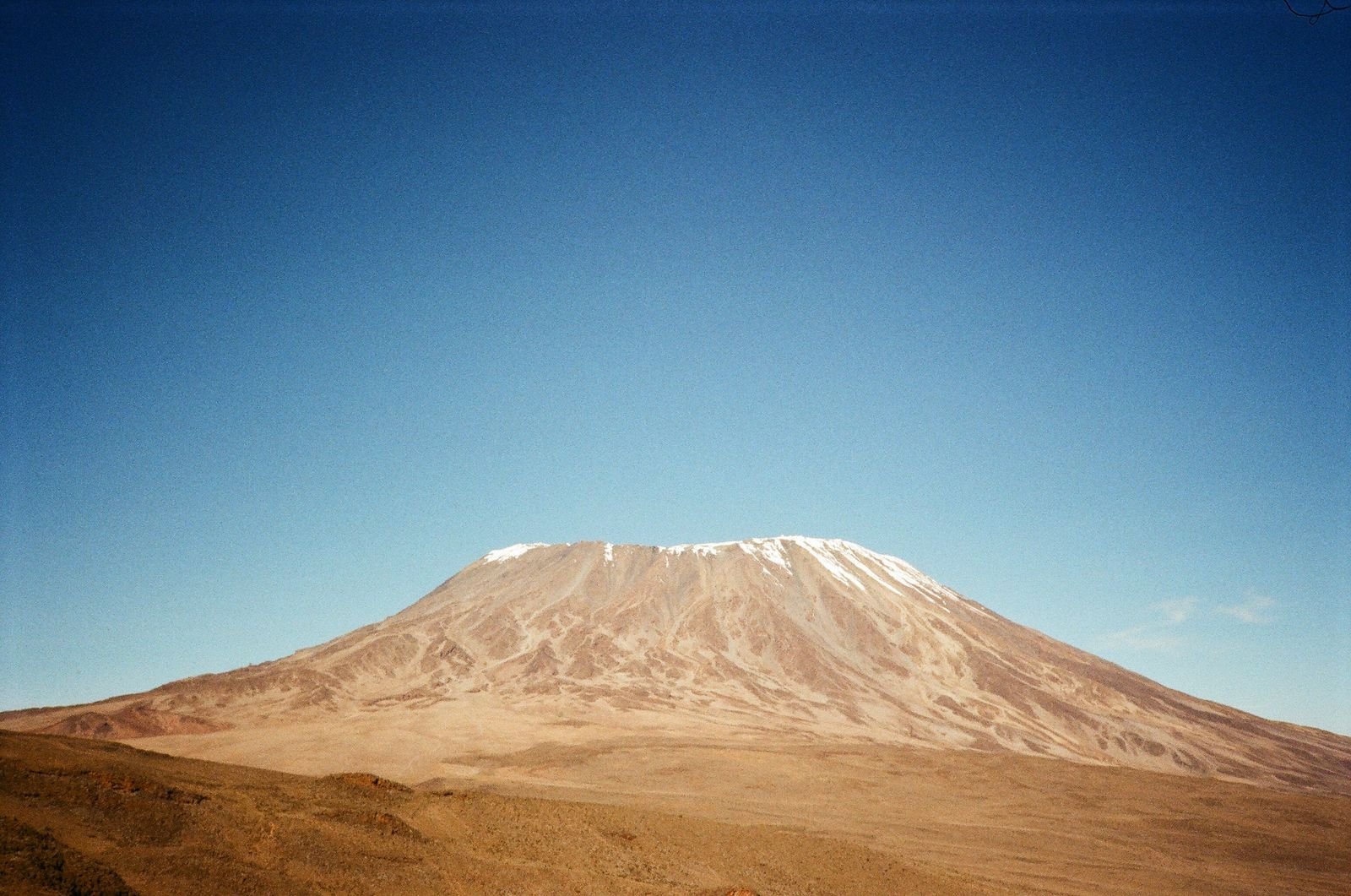
Mount Kilimanjaro is the highest mountain in Africa and one of the great adventures of the world. At 5,895 metres, its snow-capped peak, Uhuru Peak, rises alone above the plains of northern Tanzania, and it is the highest free-standing mountain in the world. Unlike the Himalayas or the Andes, Mount Kilimanjaro can be climbed without ropes, technical climbing or previous mountaineering experience, which is why tens of thousands of people attempt the climb every year. This complete guide to Mount Kilimanjaro will help you choose a route, prepare for the altitude, and understand what the climb is really like.
Climbing Mount Kilimanjaro is not a walk in the park, but it is achievable for a fit and well-prepared walker. The challenge is not the climbing, it is the altitude, the weather and the length of the days. You will walk through five different climate zones, from rainforest at the base to arctic conditions at the summit, and you will sleep in tents on most routes. You will also need a licensed guide, because independent climbing is not allowed in Kilimanjaro National Park. With the right route, the right operator and a slow, steady pace, most people who are properly prepared do reach the summit, and the sunrise from Uhuru Peak is an experience that stays with you for life.
Why Mount Kilimanjaro Is So Special
Mount Kilimanjaro is special because it is a mountain that stands alone. It is a dormant volcano with three cones, Kibo, Mawenzi and Shira, and it rises from flat savanna to a height that is almost six kilometres above sea level. On a clear morning you can see its snowy dome from many kilometres away, floating above the clouds. The mountain has its own weather, its own forests and its own wildlife, including elephants, buffalo, monkeys and many birds, and it has been a sacred mountain for the local Chagga people for centuries.
The climb is also special because of the variety of landscapes you pass through. You start in lush rainforest, where colobus monkeys swing through the trees and the path is muddy and green. Above the forest you enter moorland, with giant groundsels and lobelias that look like plants from another planet. Higher still is the alpine desert, a dry, rocky landscape of lava and sand, and finally the summit zone, a cold, white world of snow, ice and scree. Few mountains in the world offer such a change in scenery in the space of a few days, and it is one of the reasons the climb feels like a journey through several continents at once.
Mount Kilimanjaro is also a mountain with a powerful human history. The first recorded summit was in 1889, by the German geographer Hans Meyer and the Austrian climber Ludwig Purtscheller, with a local guide, Yohani Kinyala Lauwo. Since then the mountain has been climbed by people of all ages, including children and people in their eighties, and it has become a symbol of personal challenge and achievement. Many climbers climb for charity, for a birthday, or simply to prove to themselves that they can do it, and the sense of shared effort on the mountain is one of its most memorable features.
The Best Routes Up Mount Kilimanjaro
The Marangu route, known as the Coca-Cola route, is the oldest and the only route with hut accommodation instead of tents. It takes five or six days, it approaches the summit from the south-east, and it is popular because it is the cheapest and the most direct. The downside is that it is also the most crowded, and the five-day version has a lower success rate, because it does not allow enough time to acclimatise. If you choose Marangu, take the six-day option and allow an extra day at Horombo Hut.
The Machame route, known as the Whiskey route, is the most popular route on Mount Kilimanjaro, and it is a good choice for many climbers. It takes six or seven days, it is a beautiful route through rainforest and moorland, and it climbs high and sleeps low, which helps with acclimatisation. The route is scenic and varied, with the Barranco Wall, a steep but not technical scramble, as one of its highlights. The seven-day Machame route has one of the highest success rates of any route on the mountain.
The Lemosho route is widely regarded as the most beautiful route on Mount Kilimanjaro, and it is the best choice if you have the time and the budget. It takes seven or eight days, it starts on the remote western side of the mountain, and it joins the Machame route at Shira Camp. The Lemosho route is quieter, more scenic and has a very high success rate, because the extra days help your body to adjust to the altitude. The Northern Circuit, which takes nine days and circles the northern side of the mountain, is the longest and quietest route, and it has the highest success rate of all.
The Rongai route, which approaches from the north, near the Kenyan border, is the driest route and a good choice in the rainy season. It takes six or seven days, it is less crowded than the southern routes, and it offers a different view of the mountain. The Umbwe route is the shortest and steepest route, and it is only suitable for very fit and experienced climbers, because it rises quickly and does not allow much time to acclimatise. Whichever route you choose, a longer route is almost always better than a shorter one, because altitude is the main reason people fail to reach the summit.

Mount Kilimanjaro is a very different kind of mountain from Mount Roraima, the flat-topped tepui in South America, and from Kilauea Volcano in Hawaii, which is an active volcano you can visit on a day trip. Kilimanjaro is higher, colder and more demanding than either, and it requires several days of walking and camping. If you enjoy those places, Kilimanjaro is the next step up in scale and in adventure.
When Is the Best Time to Climb Mount Kilimanjaro?
The best time to climb Mount Kilimanjaro is in the dry seasons, from January to early March and from June to October. January to March is warm, clear and quiet, with fewer climbers on the mountain, although it can be cold at night. June to October is the main climbing season, with cool, dry weather and clear skies, although it is also the busiest time, especially in July, August and September. Both seasons are good, and the choice depends on whether you prefer warmth and quiet or the classic dry season.
The rainy seasons, from late March to May and in November, are not the best time to climb Mount Kilimanjaro. The paths are muddy, the rainforest is wet, and the summit is often in cloud, although the mountain is quieter and the prices are lower. Some operators do run climbs in the rainy season, and the Rongai route, on the drier northern side, is the best choice if you do climb then. Whatever the season, the weather on the summit can change quickly, and you should be prepared for cold, wind and snow at any time of year.
Allow time for the summit night, which is the hardest part of the climb. Most climbers start for the summit at midnight, walk for six to eight hours in the dark and the cold, and reach Uhuru Peak at sunrise. The temperature at the summit can be as low as minus 20 degrees Celsius, and the wind can be strong. Dress in layers, wear a headlamp, and walk slowly. The descent is long, and you will walk for many hours on the same day, so save energy for the way down.
How to Prepare for Mount Kilimanjaro
Training for Mount Kilimanjaro should start at least three months before your climb. Focus on walking, with long hikes of four to six hours on hills, carrying a day pack, and on building your general fitness with cycling, swimming or running. You do not need to be an athlete, but you do need to be comfortable walking for several days in a row. Practice walking uphill and downhill, because the descent is hard on the knees, and use trekking poles, which help on both the ascent and the descent.
Altitude is the main challenge on Mount Kilimanjaro, and it affects everyone, regardless of fitness. The best way to prevent altitude sickness is to climb slowly, to drink plenty of water, and to choose a longer route. Your guide will monitor you for symptoms, and you should tell your guide immediately if you feel unwell. Diamox, a medicine that helps with acclimatisation, is used by many climbers, but you should talk to your doctor before your trip, and you should also check your travel insurance, because many policies require you to be covered for high-altitude trekking.
Pack the right gear for Mount Kilimanjaro. You will need a good sleeping bag, rated to minus 10 degrees Celsius or lower, a waterproof jacket and trousers, warm layers, a hat and gloves, and sturdy, well-worn walking boots. Most operators provide tents, mattresses and food, and porters carry the main bags, so you only need to carry a day pack with water, snacks and extra clothing. A full packing list will be provided by your operator, and you can hire most of the expensive gear in Moshi or Arusha before the climb.
Costs, Guides and Practical Tips for Mount Kilimanjaro
The cost of climbing Mount Kilimanjaro varies widely, from about 1,800 to 4,000 US dollars or more for a standard group climb, depending on the route, the length and the operator. The price usually includes park fees, which are a large part of the cost, as well as guides, porters, food, tents and transfers. It does not usually include tips for the guides and porters, flights, visas or travel insurance. Cheap climbs are tempting, but they often cut corners on safety, food and porter welfare, so choose a reputable operator that is a member of the Kilimanjaro Porters Assistance Project, and check reviews carefully.
You will fly into Kilimanjaro International Airport, near the towns of Moshi and Arusha, and you will spend a night or two in a hotel before the climb. Most operators will meet you at the airport and brief you on the climb. You will need a visa for Tanzania, which you can get on arrival or online, and you should check the vaccination requirements, including yellow fever, and take anti-malarial tablets as advised by your doctor. The currency is the Tanzanian shilling, although US dollars are widely accepted, and you should carry cash for tips and for small purchases.
Tipping is an important part of the climb on Mount Kilimanjaro. Guides, cooks and porters work hard, and they rely on tips as a significant part of their income. A typical tip for a seven-day climb is about 250 to 350 US dollars per climber in total, shared among the crew, and your operator will advise you on the amount. Treat your crew with respect, learn a few words of Swahili, and remember that the porters carry heavy loads and work in difficult conditions. A good relationship with your crew makes the climb more enjoyable for everyone.
Conclusion: Is Mount Kilimanjaro Worth Climbing?
Mount Kilimanjaro is worth climbing if you want a serious challenge that does not require technical climbing skills. It is a long, cold and demanding walk, and the altitude will test you, but the reward is one of the great views in the world, a sunrise from the roof of Africa, and a sense of achievement that few other trips can match. Choose a long route, train well, pick a reputable operator, and walk slowly. If you do, Mount Kilimanjaro will give you an adventure you will never forget, and you will understand why so many people say that the mountain changes them.
Frequently Asked Questions About Mount Kilimanjaro
How long does it take to climb Mount Kilimanjaro?
Most climbs of Mount Kilimanjaro take six to eight days, depending on the route. The Marangu route can be done in five days, but a longer route, such as the seven-day Machame or the eight-day Lemosho route, gives you more time to acclimatise and a much better chance of reaching the summit.
Do you need technical climbing experience for Mount Kilimanjaro?
No, you do not need technical climbing experience for Mount Kilimanjaro. The climb is a long walk, with no ropes or technical climbing on the standard routes. You do need to be fit, well prepared for the cold and the altitude, and comfortable walking for several hours a day.
What is the success rate for Mount Kilimanjaro?
The success rate for Mount Kilimanjaro depends on the route. Short routes of five days have a success rate of about 50 to 60 percent, while longer routes of seven to nine days have a success rate of 80 to 95 percent. Choosing a longer route is the best way to increase your chances of reaching the summit.
How much does it cost to climb Mount Kilimanjaro?
A standard group climb of Mount Kilimanjaro usually costs between 1,800 and 4,000 US dollars, depending on the route, the length and the operator. The price includes park fees, guides, porters, food and camping, but not flights, visas, travel insurance or tips for the crew.
What is the best route for Mount Kilimanjaro?
The best route for most climbers is the seven-day Machame route or the eight-day Lemosho route. Both are scenic, have high success rates and allow time to acclimatise. The Lemosho route is quieter and more beautiful, while the Machame route is more popular and slightly cheaper.


5 Comments