
Banff National Park: Complete Guide to Lake Louise, Moraine Lake and the Icefields Parkway
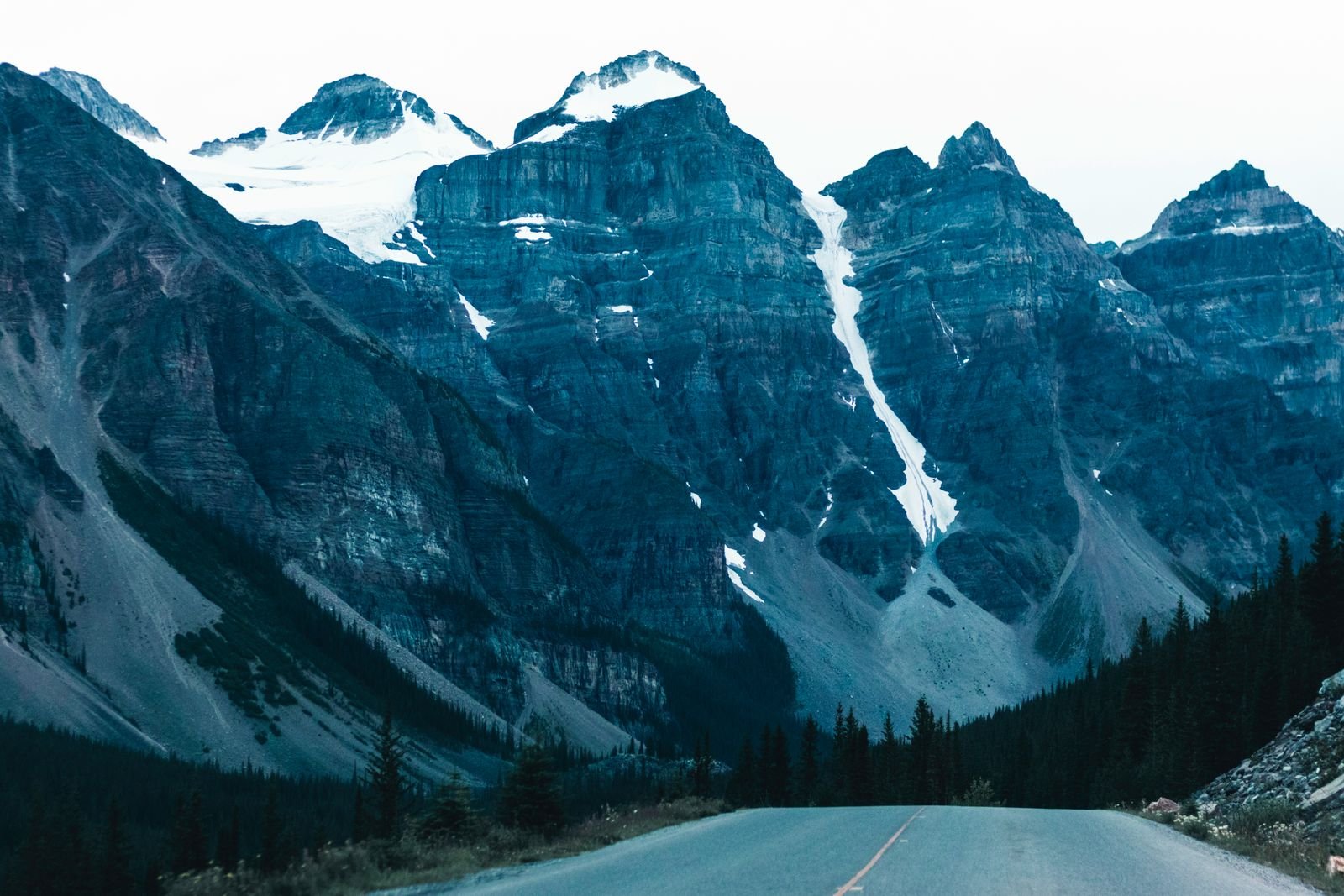
Banff National Park is Canada’s first national park and one of the most beautiful mountain landscapes in the world. In the heart of the Canadian Rockies, Banff National Park brings together turquoise lakes, snow-capped peaks, glaciers, and forests full of wildlife. Lake Louise and Moraine Lake are famous for a reason, but the park is much more than its postcards. It is a place for long hikes, quiet mornings by the water, and drives that stop you in your tracks every few minutes.
This complete guide to Banff National Park covers the best things to do, from the lakes and the Icefields Parkway to Johnston Canyon and the town of Banff itself. You will find honest advice on when to visit, how to get there, where to stay, and how to enjoy the park without the crowds. Whether you are planning a first trip to the Rockies or returning for a longer stay, the ideas below will help you make the most of Banff National Park.
Why Visit Banff National Park
Banff National Park is special because its scenery is both grand and easy to reach. You can drive to viewpoints that look like paintings, walk lakeside trails that are flat enough for families, and take a gondola to a mountaintop in minutes. At the same time, the park has serious wilderness. Grizzly bears, elk, and mountain goats live here, and the backcountry trails lead to alpine lakes that few visitors ever see.
The colours of Banff are what most visitors remember. In summer, the lakes turn a vivid turquoise as glacial rock flour catches the light. In autumn, the larch trees turn gold against the dark green forest. In winter, the same lakes freeze into perfect skating rinks, and the mountains become a playground for skiers. Few national parks change so completely with the seasons, and each season gives you a good reason to return.
Banff is also a very practical park to visit. The town of Banff has hotels, restaurants, and shops, the roads are well maintained, and the shuttle system makes it easy to reach Lake Louise and Moraine Lake without a car. That combination of wild beauty and easy access is rare, and it is why Banff National Park is one of the most visited parks in North America.
If you love mountain landscapes, you will also enjoy our guides to the Dolomites, Italy: Complete Guide to Italy’s Pale Mountains, Lakes and Hiking Trails and Mount Kilimanjaro: Complete Guide to Climbing Africa’s Highest Mountain. Both are mountain journeys built around great hikes, high lakes, and unforgettable views, just like Banff.
Best Things to Do in Banff National Park
The best things to do in Banff National Park are spread along the Bow Valley and the Icefields Parkway, so plan your days by area. The lakes near Banff town are easy day trips, while the Icefields Parkway deserves a full day of its own. Here are the highlights to build your trip around.
Lake Louise
Lake Louise is Banff’s most famous lake, and its turquoise water backed by Victoria Glacier is even more beautiful in person than in photographs. Walk the flat lakeshore trail to the far end, then continue to the Lake Agnes Tea House for a rewarding climb and a cup of tea. In summer, you can rent a canoe on the lake, and in winter, the lake freezes and the hotel builds a skating rink and ice sculptures.
Moraine Lake
Moraine Lake, in the Valley of the Ten Peaks, is often called the most beautiful lake in Canada. Its deep blue water and the ten peaks behind it make it a favourite of photographers, especially at sunrise. Private cars cannot drive to Moraine Lake in summer, so book the Parks Canada shuttle or a commercial tour in advance. Arrive early, walk up the rockpile for the classic view, and then walk the lakeshore trail away from the crowds.
The Icefields Parkway
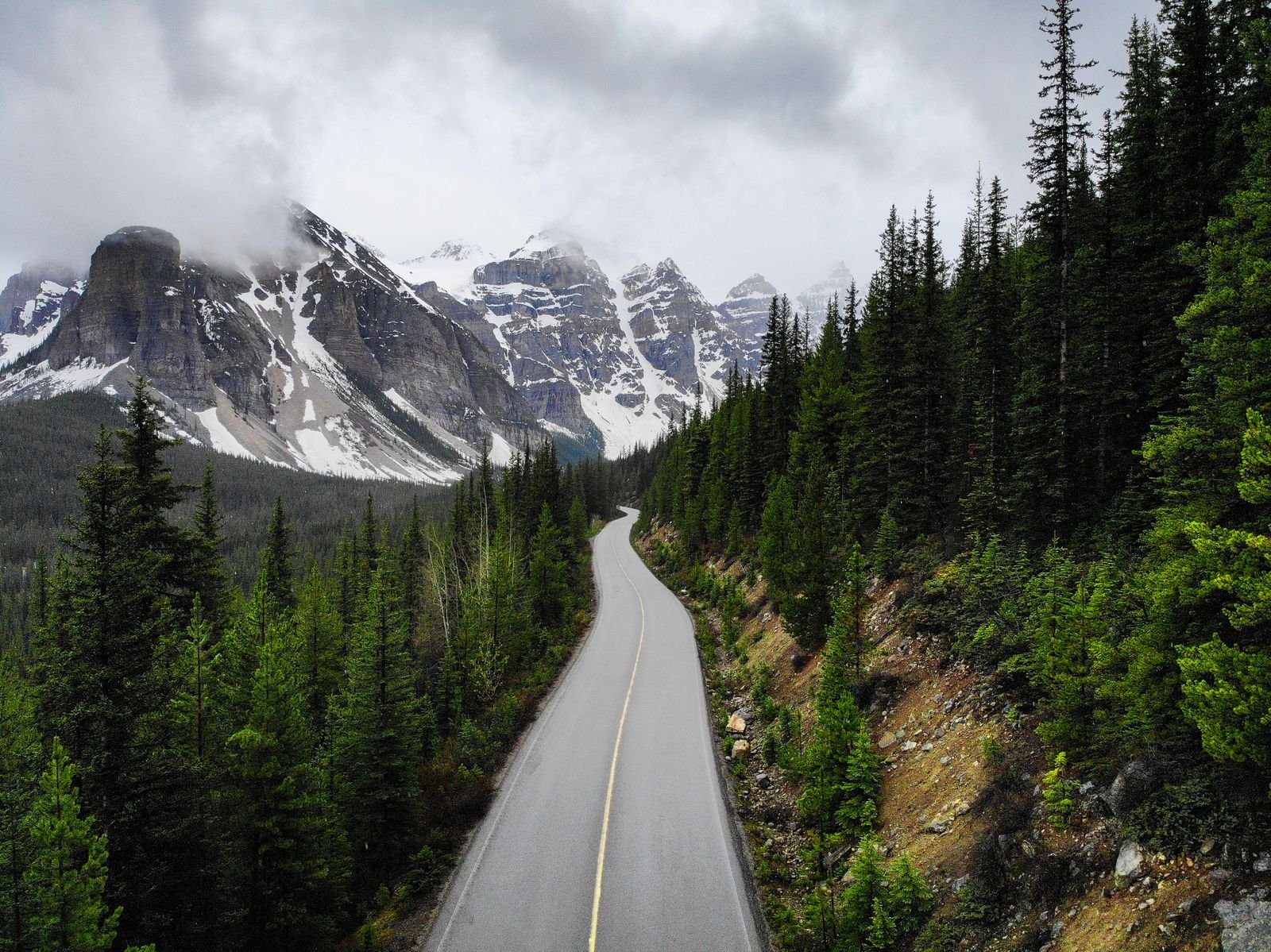
The Icefields Parkway, the road from Lake Louise to Jasper, is one of the most scenic drives in the world. In 230 kilometres it passes glaciers, waterfalls, turquoise lakes, and mountain passes. Stop at Peyto Lake for its wolf-shaped viewpoint, walk to the toe of the Athabasca Glacier, and look for bears and mountain goats along the road. Allow a full day for the drive, and fill the car with fuel before you leave Lake Louise.
Johnston Canyon
Johnston Canyon is a narrow gorge with catwalks bolted to the rock, leading past waterfalls to the Upper Falls. The walk is easy and popular, so go early in the morning or late in the afternoon to avoid the crowds. In winter, the falls freeze into huge columns of blue ice, and the canyon becomes a wonderland for ice walkers with crampons. It is one of the best short walks in Banff National Park in every season.
Lake Minnewanka
Lake Minnewanka is the largest lake in Banff National Park, and it is a great place for a boat cruise, a picnic, or a lakeside walk. The lake is also a good spot for wildlife watching, with bighorn sheep on the hills above the road and ospreys fishing over the water. In summer, the boat cruise to Devil’s Gap tells the story of the lake and the flooded village beneath it.
Sulphur Mountain and the Banff Gondola
The Banff Gondola climbs to the top of Sulphur Mountain in eight minutes, giving you panoramic views over the Bow Valley and the town of Banff. At the top, a boardwalk leads to the old weather station and the best viewpoints, and there is a restaurant and an interpretive centre. Walk down if you have the energy, or ride the gondola both ways and save your legs for the lakes.
When to Visit Banff National Park
The best time to visit Banff National Park depends on what you want to do. For hiking and lake views, come from late June to mid-September, when the trails are clear of snow and the lakes are at their bluest. July and August are the warmest and busiest months, so book accommodation and shuttles well in advance. September is quieter, with golden larches and cooler air, and it is many locals’ favourite month in the park.
Winter in Banff, from December to March, is a different world. The lakes freeze, the waterfalls turn to ice, and the ski hills at Sunshine Village, Lake Louise, and Mount Norquay open for some of the best skiing in Canada. Spring and late autumn are the quietest seasons, with fewer visitors and lower prices, but some roads and trails may still be closed by snow. Check trail conditions on the Parks Canada website before you travel.
How to Get to Banff National Park
Most visitors fly to Calgary International Airport and drive to Banff, a journey of about 90 minutes along the Trans-Canada Highway. You can rent a car at the airport, or take a shuttle bus to Banff town and use the local Roam bus system and Parks Canada shuttles once you arrive. A car gives you the most freedom, especially for the Icefields Parkway and the quieter lakes, but it is not essential if you stay in Banff town.
To reach Lake Louise and Moraine Lake in summer, you must book a shuttle, because private vehicles are restricted at Moraine Lake and parking at Lake Louise fills very early. Book the Parks Canada shuttle as soon as tickets are released, and arrive at the Park and Ride on time. If you are driving the Icefields Parkway, fill up with fuel in Lake Louise or Banff, because there are very few services along the road.
Where to Stay in Banff National Park
The town of Banff is the best base for most visitors, with the widest choice of hotels, hostels, and restaurants, plus easy access to the gondola, the hot springs, and the local bus network. Lake Louise village is quieter and closer to the famous lakes, but it has fewer places to stay and eat, and prices are higher. For a special stay, the Fairmont Chateau Lake Louise and the Fairmont Banff Springs are historic hotels with views that are hard to beat.
Book accommodation as early as you can, especially for summer, because Banff sells out months ahead. Camping is a great budget option, with campgrounds at Tunnel Mountain, Two Jack Lake, and Lake Louise, but you must book through Parks Canada and be prepared for wildlife. Wherever you stay, check whether parking is included, because parking in Banff town can be expensive in peak season.
Practical Tips for Visiting Banff National Park
Banff is a wild place, and a little preparation will keep you safe and comfortable. The weather changes quickly in the mountains, and wildlife is a real part of every visit.
- Buy a park pass: You need a Parks Canada pass for every day in Banff National Park, and you can buy it online or at the park gates.
- Carry bear spray: Learn how to use bear spray before you hike, make noise on the trail, and never approach wildlife.
- Start early: Arrive at Lake Louise and Moraine Lake before 8am, or book the first shuttle of the day, to beat the crowds.
- Dress in layers: Mountain weather can change in an hour, so bring a waterproof jacket, warm layers, and sun protection.
- Stay on the trail: The alpine meadows are fragile, so stay on marked paths and leave no trace of your visit.
Conclusion
Banff National Park is a place that rewards everyone who visits, from the first-time traveller who simply wants to see Lake Louise to the serious hiker who spends a week in the backcountry. Its lakes, mountains, and wildlife are among the finest in the world, and its town and shuttle system make it easy to enjoy them. Plan ahead, book the shuttles and hotels early, and give yourself time to slow down. Banff is not a place to rush, and the best moments often come when you stop, look around, and simply take in the view.
Frequently Asked Questions
How many days do I need in Banff National Park?
Three to four days is a good minimum for Banff National Park, giving you time for Lake Louise, Moraine Lake, Johnston Canyon, and the town of Banff. With five or six days you can add the Icefields Parkway and a longer hike in the backcountry.
Do I need a car in Banff National Park?
A car is useful in Banff National Park, especially for the Icefields Parkway, but it is not essential. The Roam bus system serves Banff town and Lake Louise, and Parks Canada shuttles run to Moraine Lake in summer.
When is the best time to visit Banff National Park?
The best time to visit Banff National Park is from late June to mid-September for hiking and lakes, and from December to March for skiing and winter scenery. September is quieter and has beautiful golden larch trees.
Can I see wildlife in Banff National Park?
Yes, Banff National Park is home to elk, bighorn sheep, mountain goats, black bears, and grizzly bears. Dawn and dusk are the best times to see them, especially along the Bow Valley Parkway. Keep a safe distance and never feed wildlife.


One Comment