
White Sands National Park: Complete Guide to New Mexico’s White Gypsum Dunes
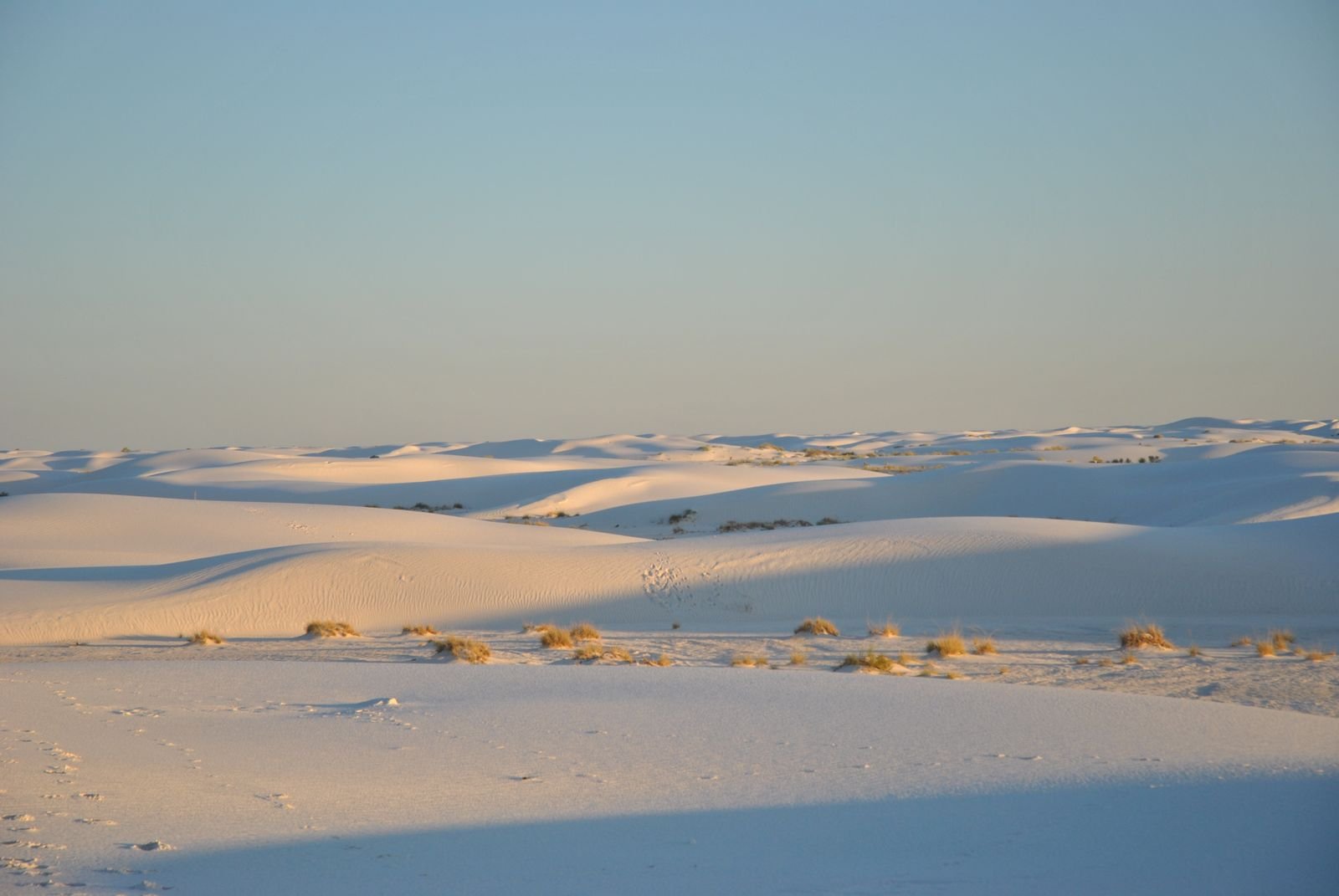
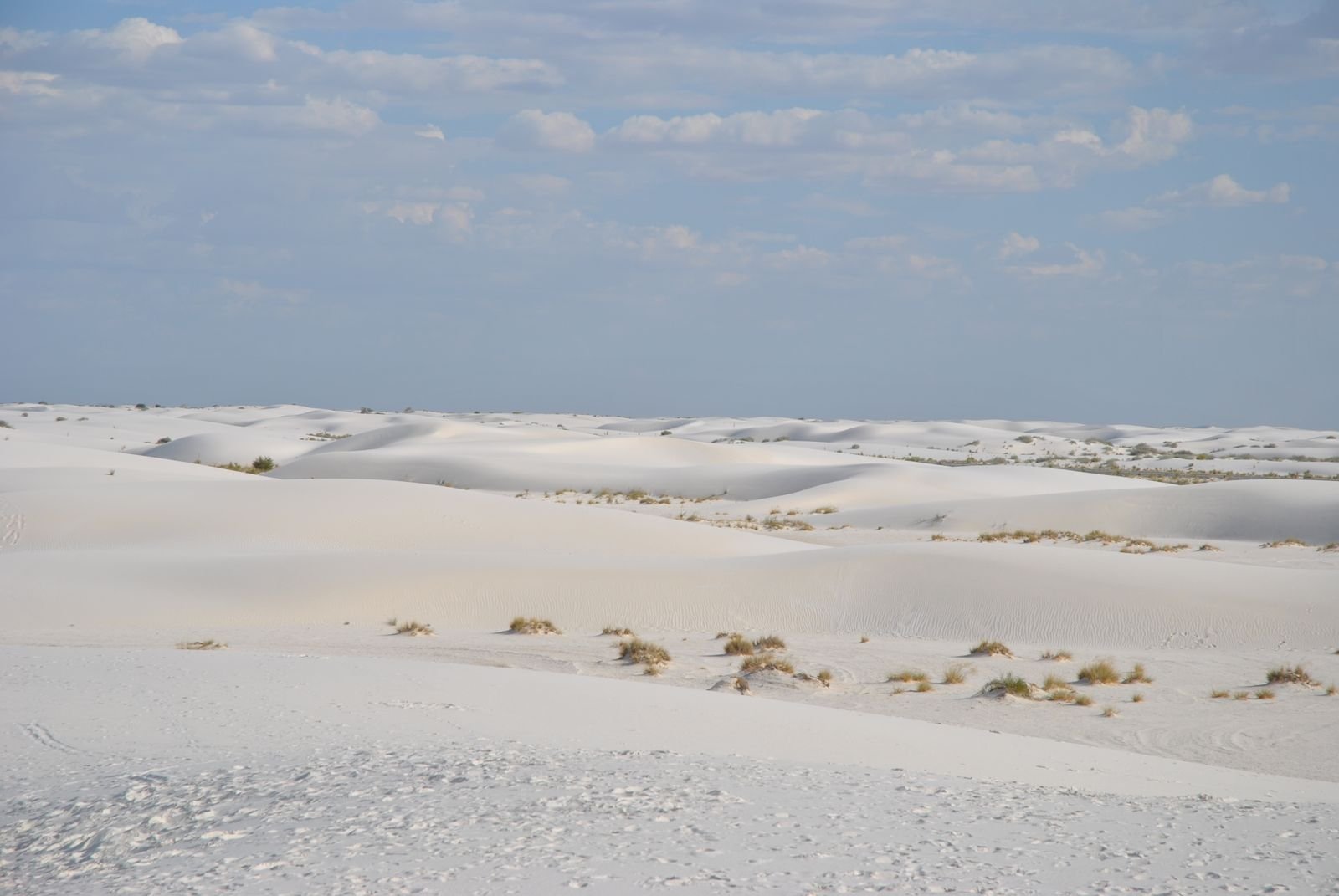
White Sands National Park is one of the most surprising places in the United States. In the Chihuahuan Desert of southern New Mexico, White Sands National Park protects the largest gypsum dune field in the world, with waves of white sand stretching as far as you can see. The dunes look like snow, but they are warm to the touch, and the light changes from white to pink to gold as the sun moves across the sky. For travellers who love deserts, photography, and quiet places, White Sands is unforgettable.
This complete guide to White Sands National Park covers the best things to do, from walking the dune trails and sledding down the sand to watching the sunset and stargazing under one of the darkest skies in America. You will find honest advice on when to visit, how to get there, where to stay, and how to enjoy the dunes safely. Whether you have a few hours or a full day, White Sands National Park is a place that will stay with you long after you leave.
Why Visit White Sands National Park
White Sands National Park is special because its landscape is unlike any other desert in the world. The sand is made of gypsum, a mineral that is usually found in drywall and plaster, and it is white because it reflects the sunlight. The dunes move slowly with the wind, and the plants and animals of the park have adapted to live in this bright, shifting world. The Apache pocket mouse, the bleached earless lizard, and the white yucca are all part of the unique ecology of White Sands.
The park is also a place of great beauty and calm. There are no crowds here like there are in the Grand Canyon or Yellowstone, and the silence of the dunes is one of the most memorable parts of a visit. At sunset, the sand turns pink and purple, and at night, the stars come out in a sky that is almost completely dark. White Sands is a place to slow down, walk barefoot in the sand, and enjoy the desert at its most peaceful.
White Sands is also a practical park to visit. It is close to the towns of Alamogordo and Las Cruces, the roads are good, and the visitor centre is excellent. You can see the dunes in a few hours, or you can spend a full day hiking, sledding, and photographing the light. That combination of unique scenery and easy access makes White Sands National Park a perfect addition to any road trip through New Mexico.
If you love deserts and unique landscapes, you will also enjoy our guides to Antelope Canyon: Complete Guide to Arizona’s Slot Canyons and Light Beams and Atacama Desert: Complete Guide to Chile’s Driest Desert, Valleys and Stargazing. Both are journeys built around desert light, strange landforms, and unforgettable scenery, just like White Sands.
Best Things to Do in White Sands National Park
The best things to do in White Sands National Park are simple: walk in the dunes, watch the light change, and enjoy the silence. The park has a short scenic drive, a few marked trails, and plenty of open sand to explore. Here are the highlights to build your visit around.
Dunes Drive and Sunset
The Dunes Drive is the main road through White Sands, leading eight miles into the heart of the dune field. Along the way, you will pass picnic areas, trailheads, and viewpoints, and the sand gets whiter and deeper as you drive further in. Stay for sunset, when the dunes turn pink and gold, and the light is perfect for photography. The park often stays open late for sunset in summer, so check the closing time before you visit.
Dune Life Nature Trail
The Dune Life Nature Trail is a one-mile loop through the dunes, with signs explaining how plants and animals survive in this harsh environment. The trail is easy and flat, and it is a good introduction to the ecology of White Sands. Walk slowly, look for animal tracks in the sand, and listen for the birds that live in the yucca plants along the trail.
Alkali Flat Trail
The Alkali Flat Trail is the longest trail in White Sands, a five-mile loop that takes you deep into the dune field, to the dry lake bed that gives the trail its name. The trail is marked by posts, but the sand can be disorienting, so bring plenty of water, a hat, and a map. The walk is best in the early morning or late afternoon, when the sand is cooler and the light is at its best.
Interdune Boardwalk
The Interdune Boardwalk is a short, accessible walkway through the dunes, with views over the white sand and the mountains in the distance. The boardwalk is perfect for visitors with limited mobility, for families with small children, and for anyone who wants a gentle introduction to the park. It is also a good place for photography, with the dunes and the sky framing each other beautifully.
Sledding on the Dunes
Sledding is one of the most fun things to do in White Sands, and it is popular with children and adults alike. You can buy a plastic snow saucer at the visitor centre gift shop, carry it to the top of a dune, and slide down the white sand. Choose a steep dune with a clear run-out, wear sunglasses to protect your eyes from the bright sand, and be ready to walk back up for another go.
Stargazing
White Sands is one of the best places in the United States for stargazing, because the skies are dark and the air is clear. On a moonless night, you can see the Milky Way, the planets, and thousands of stars with the naked eye. The park sometimes hosts night sky programmes with rangers and telescopes, and the full moon nights, when the dunes glow white in the moonlight, are especially magical.
When to Visit White Sands National Park
The best time to visit White Sands National Park is from October to April, when the weather is cooler and the light is at its best. Winter days are mild and sunny, with temperatures in the 60s Fahrenheit, and the park is quieter than in summer. Spring brings wildflowers to the desert, and autumn brings clear skies and golden light.
Summer in White Sands is very hot, with temperatures often above 100 degrees Fahrenheit, and the bright sand can be blinding. If you visit in summer, come early in the morning or late in the afternoon, bring plenty of water, and wear a hat and sunscreen. The park sometimes closes for missile testing at the nearby White Sands Missile Range, so check the park website before you travel, whatever the season.
How to Get to White Sands National Park
Most visitors reach White Sands National Park by car, driving from Alamogordo, which is about 15 minutes from the park entrance, or from Las Cruces, about an hour away. The nearest major airport is El Paso, Texas, about 90 minutes away, with flights from across the United States. From El Paso, you can rent a car and drive to White Sands in a day, combining the visit with a trip to Carlsbad Caverns or the mountains of New Mexico.
Once in the park, a car is the easiest way to explore, because the Dunes Drive is eight miles long and the trails are spread out along it. There is no public transport inside the park, so bring everything you need with you, including water, food, and sunscreen. The visitor centre has a shop, a museum, and restrooms, and it is a good place to start your visit.
Where to Stay Near White Sands National Park
Alamogordo is the most convenient place to stay near White Sands National Park, with the widest choice of hotels, motels, and restaurants, plus easy access to the park entrance. Las Cruces, about an hour away, has more choice and a livelier downtown, with hotels, cafes, and shops. For a more remote stay, look at the small towns of the Tularosa Basin, or camp at the Oliver Lee Memorial State Park nearby.
Book accommodation early if you visit during a holiday weekend or a special event, because Alamogordo can fill up quickly. The park itself has a few backcountry campsites in the dunes, which must be booked in advance through the park, and they offer a unique night under the stars. Wherever you stay, check the park’s opening hours, because they change with the seasons and with missile testing.
Practical Tips for Visiting White Sands National Park
White Sands is a beautiful but harsh environment, and a little preparation will make your visit safer and more comfortable. The sun is strong, the sand is bright, and the desert can be disorienting.
- Bring water: There is no water in the dunes, so bring at least a litre of water per person for a short walk, and more for a longer hike.
- Wear sunglasses: The white sand reflects the sun, so wear sunglasses and a hat to protect your eyes and skin.
- Check for closures: The park sometimes closes for missile testing, so check the park website or call the visitor centre before you travel.
- Stay on the trails: The dunes are fragile, so stay on the marked trails and do not disturb the plants and animals that live there.
- Leave no trace: Take your rubbish with you, and do not take sand from the park, because it is protected.
Conclusion
White Sands National Park is a place that surprises everyone who visits. Its white dunes look like snow, but they are warm and soft, and the silence of the desert is a welcome change from the noise of everyday life. Walk in the dunes, watch the sunset, and stay for the stars, and you will understand why White Sands is one of the most loved national parks in America. It is a simple place, and that is exactly what makes it so special.
Frequently Asked Questions
How much time do I need at White Sands National Park?
Half a day is enough to see White Sands National Park, drive the Dunes Drive, walk a short trail, and watch the sunset. With a full day you can add a longer hike, sledding, and stargazing in the evening.
Is White Sands National Park free?
No, White Sands National Park has an entrance fee, which is charged per vehicle. You can also use an America the Beautiful annual pass, which covers entry to all national parks in the United States.
Can I sled at White Sands National Park?
Yes, sledding is allowed at White Sands National Park, and it is one of the most popular activities in the park. You can buy a plastic saucer at the visitor centre gift shop, or bring your own sled from home.
When is the best time to visit White Sands National Park?
The best time to visit White Sands National Park is from October to April, when the weather is cooler and the light is at its best. Summer is very hot, so visit early in the morning or late in the afternoon if you travel then.



One Comment