
Mount Rainier, Washington: Complete Guide to the Iconic Volcano and National Park
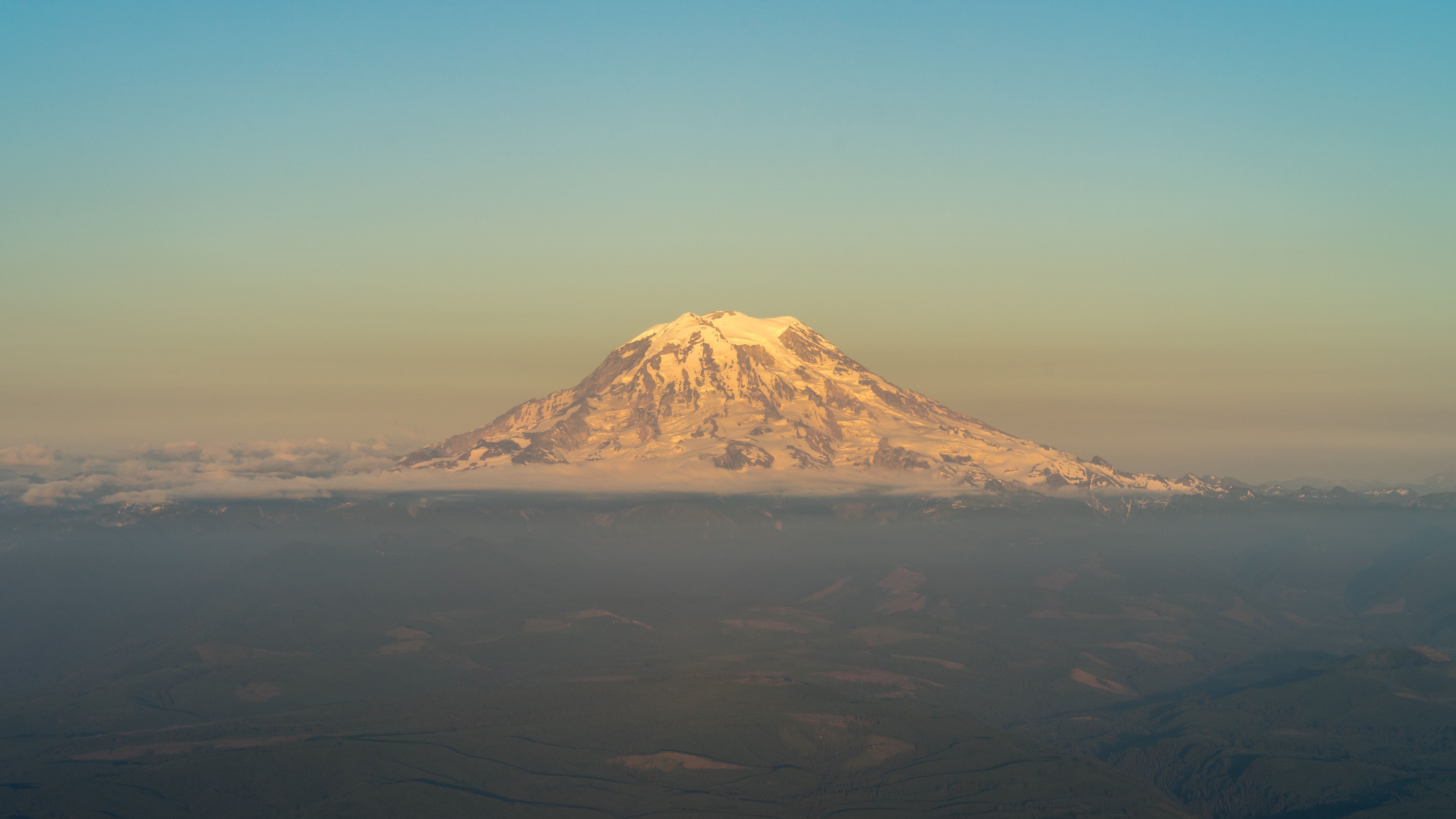
Mount Rainier rises 4,392 metres above the lowlands of Washington State, a huge snow-covered volcano that dominates the skyline of Seattle on clear days and anchors one of America’s most loved national parks. Mount Rainier is the tallest mountain in the Cascade Range, the most glaciated peak in the contiguous United States, and a place where wildflower meadows, ancient forests, waterfalls and glaciers meet within a few hours’ drive of a major city. This complete guide to Mount Rainier explains how to plan a visit, which trails and viewpoints to choose, when to go, and how to enjoy the mountain safely, whether you have one day or a full week.
Mount Rainier is not just a mountain to look at. It is a living volcano, a national park, and a sacred place for the Indigenous peoples of the Pacific Northwest, who have known it for thousands of years as Tahoma, the mother of waters. The mountain creates its own weather, with clouds, rain and snow that can appear in minutes, and its glaciers feed the rivers that water the farms and forests of western Washington. For walkers, photographers, climbers and anyone who loves wild mountain landscapes, Mount Rainier is one of the great destinations in North America, and it is easy to reach, which makes it both popular and, at times, crowded. Plan ahead, start early, and Mount Rainier will reward you with views you will never forget.
Why Mount Rainier Is an Icon of the Pacific Northwest
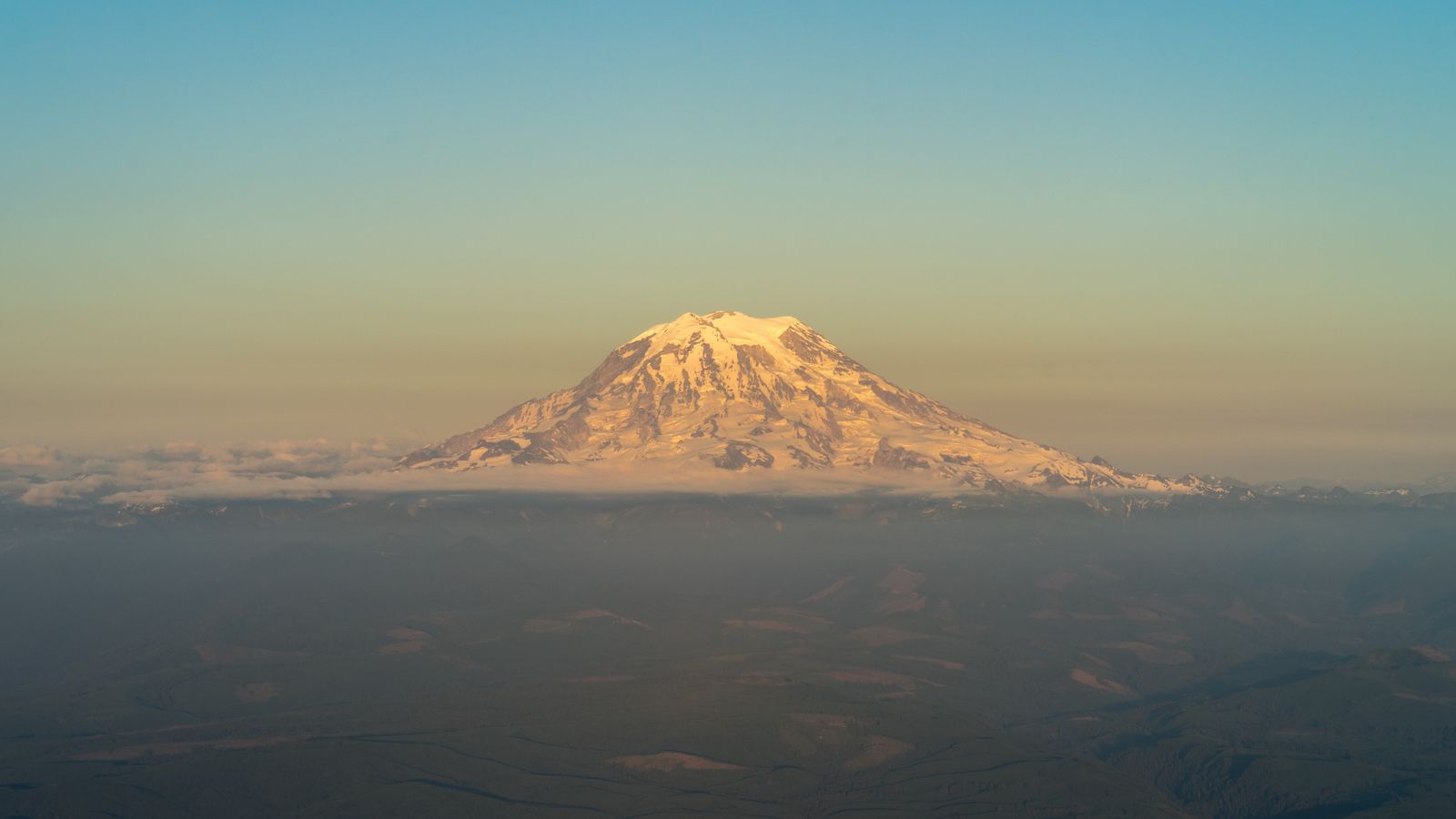
Mount Rainier is the most prominent mountain in the contiguous United States, rising more than 3,900 metres above the surrounding lowlands, and it is visible from Seattle, Tacoma and Portland on clear days. The mountain is a stratovolcano, built up by eruptions over hundreds of thousands of years, and it is still active, although it has not erupted in modern times. Its summit is covered in snow and ice all year, with 25 named glaciers, more than any other peak in the lower 48 states, and its slopes are home to old-growth forests, subalpine meadows and alpine tundra.
The mountain’s size and beauty have made it a symbol of Washington State, appearing on car number plates, in art and in the names of businesses across the region. Mount Rainier National Park was established in 1899, as the fifth national park in the United States, to protect the mountain and its forests, meadows and wildlife. Today the park covers 956 square kilometres, with more than 400 kilometres of trails, five developed areas, and a wilderness that is home to black bears, mountain goats, marmots, elk and more than 180 species of birds. For travellers who love great mountains, Mount Rainier belongs on the same list as other famous peaks, such as Mount Fuji in Japan and Mount Kilimanjaro in Africa, but it is easier to reach and to walk than either, and its wildflower meadows are among the finest in the world.
Paradise and Sunrise: The Two Best Areas of Mount Rainier
Most visitors to Mount Rainier start at Paradise, on the south side of the mountain, which is the park’s most popular area and its most beautiful. Paradise sits at 1,646 metres, with views of the mountain’s summit, glaciers and the Tatoosh Range, and it is famous for its wildflower meadows, which bloom in late July and August, when the slopes are covered in lupine, paintbrush, avalanche lilies and asters. The Paradise Inn, a historic lodge built in 1916, is a good place to stay or to have lunch, and the Henry M. Jackson Visitor Center has exhibits, maps and ranger programmes. The trails from Paradise include the Skyline Trail, a 9-kilometre loop with views of the mountain, glaciers and the Nisqually Glacier, and the shorter Nisqually Vista Trail, which is suitable for families.
Sunrise, on the northeast side of Mount Rainier, is the highest point in the park that can be reached by car, at 1,964 metres, and it has the best views of the mountain’s east face, the Emmons Glacier, the largest glacier in the contiguous United States, and the White River valley. Sunrise is less crowded than Paradise, and it is a good place for sunrise photography, as its name suggests, and for the short trails to Shadow Lake and the Sourdough Ridge. The road to Sunrise is steep and winding, and it is open only from late June to early October, depending on snow, so check the park’s road status before you go. Both Paradise and Sunrise require a timed entry reservation in summer, which you should book in advance through the park’s reservation system.
Best Hikes in Mount Rainier National Park
Mount Rainier has hikes for every level, from short, flat trails to long, steep climbs. The Skyline Trail at Paradise is the park’s most famous hike, a loop that climbs through wildflower meadows to Panorama Point, with views of the mountain, the glaciers and, on a clear day, Mount St Helens, Mount Adams and Mount Hood. The trail is about 9 kilometres long, with 500 metres of climbing, and it takes about four hours, so start early and bring water, food and layers. The Burroughs Mountain Trail at Sunrise is another classic, climbing to a ridge with close views of the Emmons Glacier and the mountain’s summit, and it is best in the morning, when the light is on the glacier.
For a shorter hike, try the Trail of the Shadows at Longmire, a flat loop through old-growth forest and past a mineral spring, or the Grove of the Patriarchs, a short trail to a grove of ancient Douglas fir and western red cedar trees that are more than 1,000 years old. For a longer challenge, the Wonderland Trail circles the entire mountain, 150 kilometres long, with 6,700 metres of climbing, and it takes most walkers about ten days. You do not need to walk the whole Wonderland Trail to enjoy it: many walkers do a section of it as a day hike, or as an overnight trip with a backcountry permit. Whatever hike you choose, check the trail conditions, carry the Ten Essentials, and tell someone where you are going.
Wildflowers, Wildlife and Glaciers at Mount Rainier
The wildflowers of Mount Rainier are one of the park’s greatest attractions, and they bloom in a short, intense season from late July to early September, when the meadows at Paradise and Sunrise are covered in colour. The flowers bloom in waves, with avalanche lilies first, then lupine, paintbrush, asters and bistort, and the best time to see them depends on the snowmelt, which varies from year to year. Stay on the trails when you photograph the flowers, because the meadows are fragile and the plants can take years to recover if they are trampled.
Mount Rainier is home to a wide range of wildlife, including black bears, mountain goats, marmots, pikas, elk and deer, and more than 180 species of birds. Marmots are easy to see at Paradise and Sunrise, where they whistle from the rocks and sun themselves on the trails, and mountain goats are often seen on the high ridges. Black bears are present in the park, but they are shy and rarely seen, and you should store your food properly, make noise on the trail and carry bear spray if you are hiking in the backcountry. The glaciers of Mount Rainier are also a highlight: the Nisqually Glacier, the Emmons Glacier and the Carbon Glacier, the lowest glacier in the contiguous United States, are all visible from the park’s trails and viewpoints, and they are retreating as the climate warms, which makes them all the more precious to see.

When to Visit Mount Rainier and How to Get There
The best time to visit Mount Rainier is from late July to early September, when the wildflowers are in bloom, the trails are free of snow, the roads are open and the weather is most likely to be clear. July and August are the busiest months, with timed entry reservations required at Paradise and Sunrise, and the park’s campgrounds and lodges book up months in advance. June is a good time to visit if you want to see snow and waterfalls, but many trails will still be covered in snow, and the road to Sunrise may not be open. September is quieter, with good light, fewer crowds and the first autumn colours, and October brings fall colours and the first snow, but also rain and the closure of the Sunrise road.
Mount Rainier is about two hours’ drive southeast of Seattle, via Interstate 5 and State Route 7 to the Nisqually Entrance, or via State Route 410 to the Sunrise Entrance. There is no public transport to the park, so you will need a car, and you should book your timed entry reservation in advance if you are visiting in summer. The park has five entrances, and the most popular are the Nisqually Entrance, on the southwest side, and the White River Entrance, on the northeast side. Allow plenty of time for the drive, because the roads are winding and the speed limits are low, and fill up with petrol before you enter the park, because there is no petrol in the park.
Where to Stay Near Mount Rainier
Where you stay near Mount Rainier depends on how much time you have and how much you want to spend. Inside the park, the Paradise Inn is a historic lodge with a great location, a dining room and a cosy lounge, and the National Park Inn at Longmire is a smaller, quieter lodge with a restaurant and a good base for the southwest side of the park. Both lodges book up months in advance, so reserve early. The park also has three campgrounds: Cougar Rock, near Paradise, Ohanapecosh, on the southeast side, and White River, near Sunrise, all of which require reservations in summer and are first-come, first-served in the shoulder seasons.
Outside the park, the towns of Ashford, Elbe, Packwood and Enumclaw have motels, cabins, bed and breakfasts and holiday rentals, and they are a good base if you want to visit the park for a day or two. Ashford is the closest town to the Nisqually Entrance, and it has a range of lodges and restaurants, while Packwood is a good base for the southeast side of the park, with access to the Ohanapecosh area and the Grove of the Patriarchs. For a longer stay, consider staying in Seattle and driving to the park for a day trip, although that makes for a long day, and you will miss the early morning light and the evening wildlife.
Practical Tips for Visiting Mount Rainier
A few practical tips will make a trip to Mount Rainier safer and more enjoyable. Book your timed entry reservation, your lodging and your campground well in advance, because the park is very popular in summer and places fill up quickly. Bring layers, because the weather on Mount Rainier can change in minutes, with sun, rain, wind and snow in the same day, and the temperature at Paradise can be ten degrees colder than in Seattle. Wear sturdy walking shoes with good grip, because the trails can be steep, rocky and slippery, and bring a hat, sunscreen and sunglasses, because the sun at altitude is strong.
Carry plenty of water and food, because there are few places to buy food in the park, and the visitor centres have limited hours. Respect the mountain by staying on marked trails, not picking wildflowers, and not feeding wildlife. Check the park’s website for road closures, trail conditions and fire warnings before you go, and be prepared to change your plans if the weather is bad, because the mountain is often hidden by clouds, and the best views are on clear mornings. Finally, remember that Mount Rainier is a wild place, with bears, steep cliffs and fast-moving rivers, so take care, especially with children, and enjoy the mountain with respect.
Frequently Asked Questions About Mount Rainier
How many days do you need at Mount Rainier?
Two to three days is ideal for a first visit to Mount Rainier. That gives you time for Paradise, Sunrise, a long hike such as the Skyline Trail, and a drive around the park, without rushing. One day is enough to see Paradise and a short trail, but you will miss much of the park.
What is the best month to visit Mount Rainier?
August is the best month to visit Mount Rainier, because the wildflowers are at their peak, the trails are free of snow, the roads are open and the weather is most likely to be clear. Late July and early September are also excellent, with fewer crowds than in August.
Do you need a reservation to visit Mount Rainier?
Yes, in summer you need a timed entry reservation to enter the Paradise and Sunrise areas of Mount Rainier, in addition to a park pass. Reservations are released in advance and can be booked through the park’s reservation system, and a small number are released two days before each date.
Can you climb Mount Rainier?
Yes, you can climb Mount Rainier, but it is a serious mountaineering climb that requires glacier travel, crevasse rescue skills and a climbing permit. Most climbers take two days, with an overnight at Camp Muir, and they go with a guide. Do not attempt to climb Mount Rainier without training, experience and a guide.
Is Mount Rainier an active volcano?
Yes, Mount Rainier is an active volcano, although it has not erupted in modern times. The last eruption was about 1,000 years ago, and the mountain is monitored by scientists for signs of activity. The risk of an eruption is low, but the park has evacuation plans in case of a lahar, a volcanic mudflow, which is the main hazard.
Conclusion: Mount Rainier, the Mountain That Owns the Sky
Mount Rainier is a mountain that stays with you long after you leave. It is the wildflowers at Paradise, the glaciers at Sunrise, the old-growth forests at Longmire, the marmots whistling on the rocks, and the sight of the mountain rising above the clouds on a clear morning. It is a place where nature is on a grand scale, where the weather is wild, and where every trail leads to a view that makes the climb worthwhile. For travellers who love mountains, Mount Rainier is one of the great destinations in North America, and it deserves a place on any journey through the Pacific Northwest. Plan your trip carefully, book early, start early, and let Mount Rainier show you why it is called the mountain that owns the sky.


One Comment