
Bryce Canyon National Park: Complete Guide to Hoodoos, Sunrise Point and the Best Trails
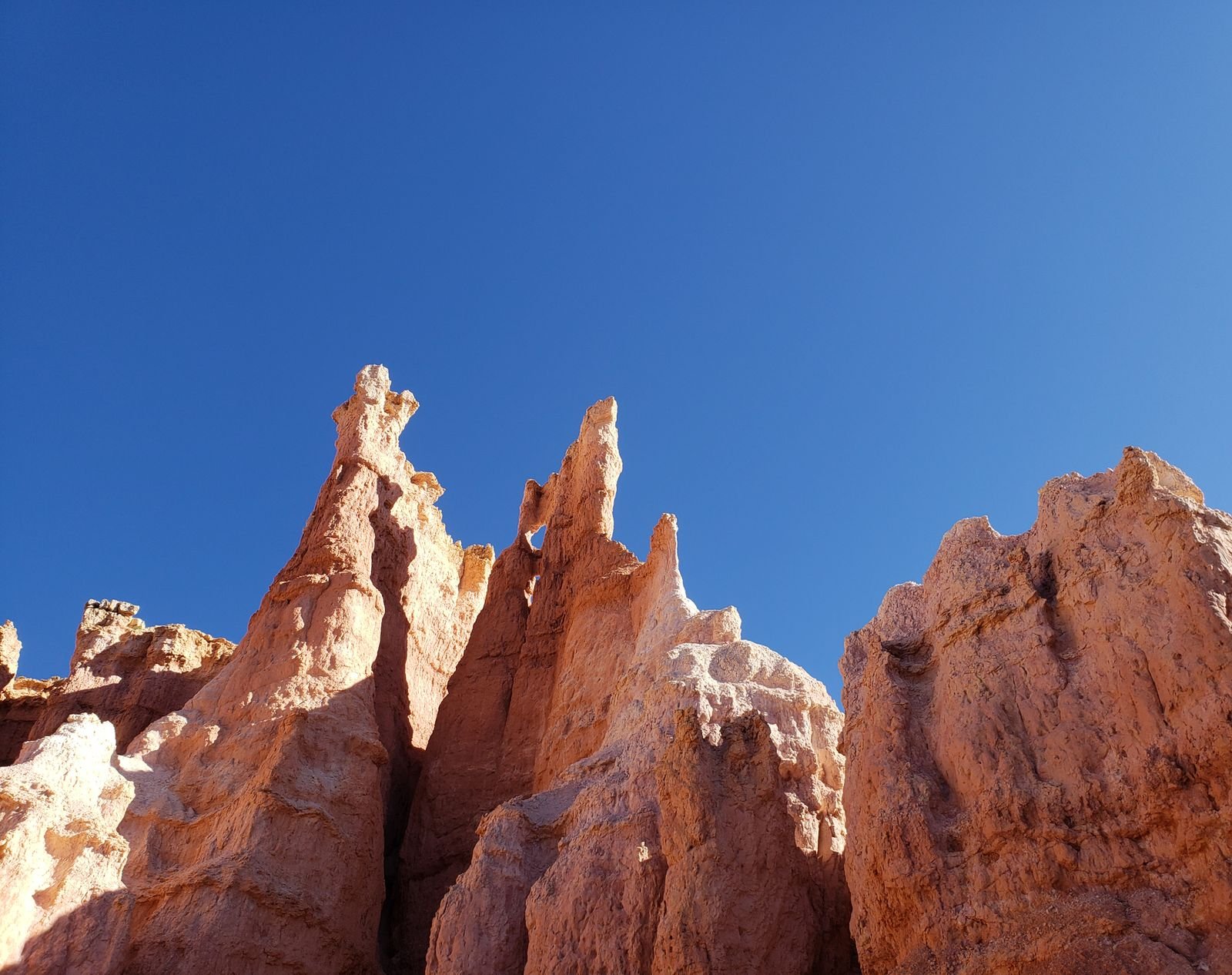
Bryce Canyon National Park is one of the most extraordinary landscapes in the American West. In southern Utah, Bryce Canyon National Park protects a natural amphitheatre filled with hoodoos, tall thin spires of orange rock that look like a forest of stone. At sunrise, the hoodoos glow red and gold, and at night, the sky above them is one of the darkest in the United States. For travellers who love geology, hiking, and stargazing, Bryce Canyon is a must-see.
This complete guide to Bryce Canyon National Park covers the best things to do, from Sunrise Point and Sunset Point to the Navajo Loop and the Queen’s Garden trails. You will find honest advice on when to visit, how to get there, where to stay, and how to enjoy the park without the crowds. Whether you are on a Utah road trip or visiting Bryce on its own, this guide will help you make the most of your time in the park.
Why Visit Bryce Canyon National Park
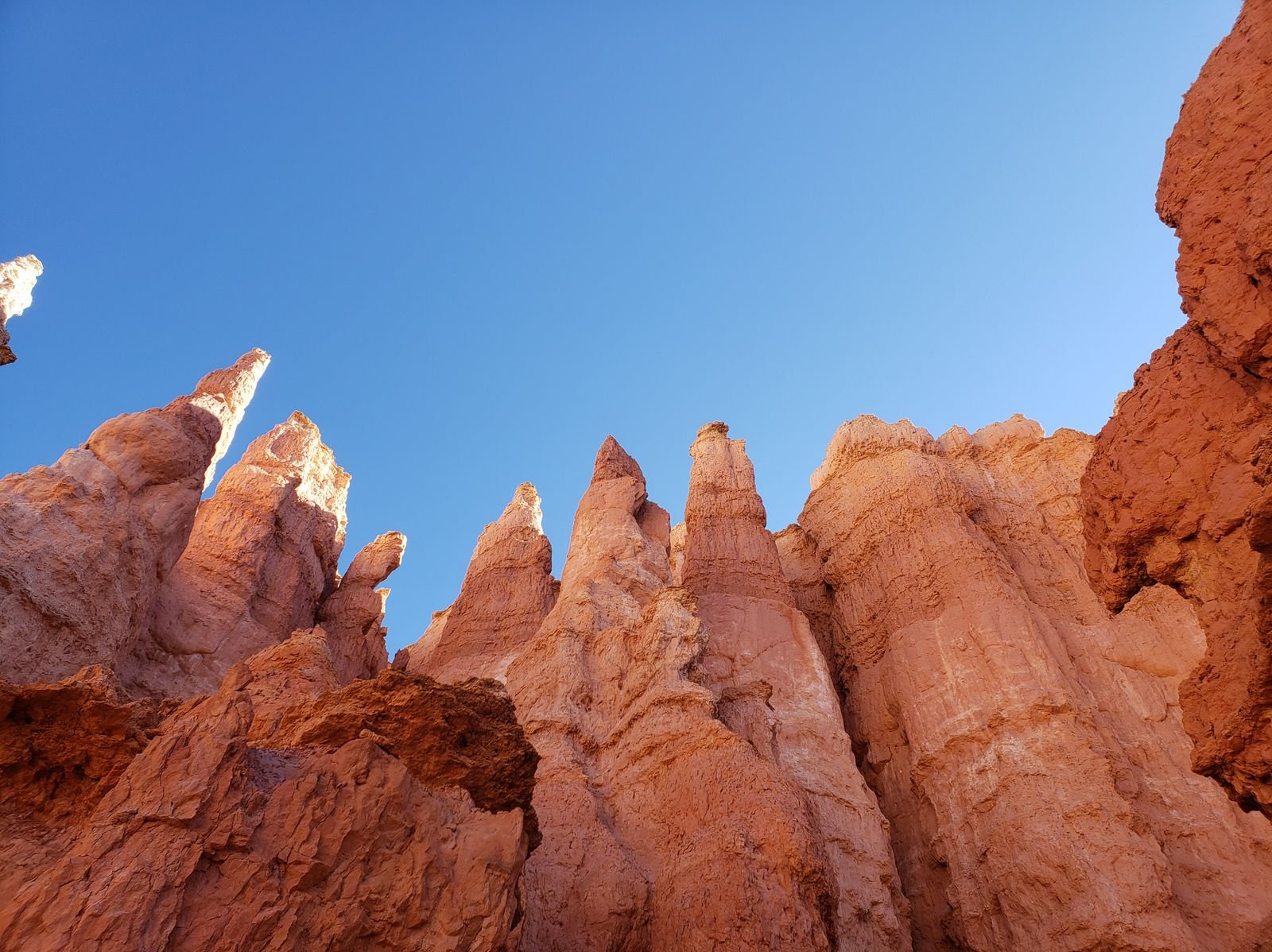
Bryce Canyon National Park is special because its hoodoos are found almost nowhere else on Earth. The hoodoos were formed by frost and erosion over millions of years, as water seeped into cracks in the rock, froze, and broke the stone apart. The result is a landscape of towers, fins, and windows in shades of orange, pink, and white, set against the blue sky of the Utah desert. It is a place that looks like a work of art, and it changes colour with the light throughout the day.
The park is also one of the best places in America for stargazing. Bryce Canyon is a certified International Dark Sky Park, and on a moonless night, you can see the Milky Way, the planets, and thousands of stars with the naked eye. The park hosts astronomy programmes in summer, with rangers and telescopes, and the full moon nights, when the hoodoos glow in the moonlight, are especially magical.
Bryce Canyon is also a very practical park to visit. The main viewpoints are along a single scenic drive, the trails are well marked, and the shuttle bus makes it easy to get around without a car. You can see the highlights in a day, or you can spend several days hiking the trails and exploring the backcountry. That combination of unique scenery and easy access makes Bryce Canyon National Park a perfect choice for families and first-time visitors to Utah.
If you love deserts and unique landscapes, you will also enjoy our guides to Antelope Canyon: Complete Guide to Arizona’s Slot Canyons and Light Beams and Namib Desert: The Ancient Desert of Namibia. Both are journeys built around desert light, strange landforms, and unforgettable scenery, just like Bryce Canyon.
Best Things to Do in Bryce Canyon National Park
The best things to do in Bryce Canyon National Park are concentrated in the Bryce Amphitheatre, the main area of hoodoos near the visitor centre. Plan one day for the viewpoints and the short trails, and a second day for a longer hike into the canyon. Here are the highlights to build your trip around.
Sunrise Point
Sunrise Point is the best place in Bryce Canyon to watch the sun rise over the hoodoos. Arrive before dawn, find a spot on the rim, and watch as the first light turns the rocks from grey to pink to gold. The view is at its best in spring and autumn, when the air is clear and the crowds are small. Bring a warm jacket, because the mornings at 2,400 metres are cold, even in summer.
Sunset Point
Sunset Point, despite its name, is one of the best viewpoints in Bryce at any time of day, with views over the Silent City, a dense forest of hoodoos. The point is also the start of the Navajo Loop trail, which descends into the canyon through a slot called Wall Street. Visit Sunset Point in the late afternoon, when the light is warm and the shadows are long, and the hoodoos glow orange against the sky.
Navajo Loop and Queen’s Garden Trail
The Navajo Loop and Queen’s Garden Trail is the most popular hike in Bryce Canyon, and it is the best way to see the hoodoos up close. The loop is about five kilometres long and takes two to three hours, descending from Sunset Point through Wall Street, past the Queen’s Garden, and back up to Sunrise Point. The trail is steep in places, so take your time, bring water, and wear good shoes. It is one of the finest short hikes in the American West.
Peekaboo Loop Trail
The Peekaboo Loop is a longer and quieter trail in Bryce Canyon, an eight-kilometre loop that takes you through a maze of hoodoos, fins, and windows. The trail is less crowded than the Navajo Loop, and it offers some of the best views in the park, including the Wall of Windows. Allow three to four hours for the loop, and bring plenty of water, because there is little shade on the trail.
Inspiration Point
Inspiration Point is a viewpoint on the scenic drive that offers a panoramic view over the Bryce Amphitheatre. The point has three levels, each with a different view, and the highest level gives you the best sense of the scale of the canyon. Visit Inspiration Point in the morning, when the light is soft and the hoodoos are at their most colourful, and take the shuttle bus to avoid the parking problems.
Stargazing
Bryce Canyon is one of the darkest places in the United States, and it is a wonderful place for stargazing. On a clear night, you can see the Milky Way arching over the hoodoos, and the park’s astronomy programmes, with rangers and telescopes, run from late spring to early autumn. The best stargazing is on a moonless night, so check the moon phase before you visit, and bring a red flashlight to protect your night vision.
When to Visit Bryce Canyon National Park
The best time to visit Bryce Canyon National Park is from May to October, when the weather is warm and all the trails are open. May and October are the quietest months, with fewer crowds and cooler temperatures, while June to September is the busiest season, with warm days and cool nights. The park is at 2,400 to 2,700 metres, so even summer nights can be cold, and you should bring warm layers.
Winter in Bryce Canyon, from November to March, is a magical time. The hoodoos are covered in snow, the park is quiet, and the contrast of white snow and orange rock is beautiful. Some trails may be closed by snow and ice, and the scenic drive may be limited, but the viewpoints are still accessible. Spring brings wildflowers to the park, and autumn brings golden aspen trees and clear skies.
How to Get to Bryce Canyon National Park
Most visitors reach Bryce Canyon National Park by car, driving from Las Vegas, about four hours away, or from Salt Lake City, about four and a half hours away. The park is also a popular stop on a Utah road trip, between Zion National Park, about 90 minutes away, and the Grand Canyon, about five hours away. The nearest town is Bryce Canyon City, just outside the park entrance, with hotels, restaurants, and shops.
Once in the park, the free shuttle bus runs from April to October, connecting the visitor centre, the viewpoints, and the campgrounds. The shuttle is the best way to get around in summer, because parking at the viewpoints fills early. If you are driving, arrive before 9am to find parking, and fill up with fuel before you enter the park, because there are no petrol stations inside Bryce Canyon.
Where to Stay in Bryce Canyon National Park
The Lodge at Bryce Canyon, inside the park, is the most convenient place to stay, with historic cabins and motel rooms near the rim, plus a restaurant with views over the canyon. Book the lodge well in advance, because it sells out months ahead in summer. Outside the park, Bryce Canyon City has a wide choice of hotels, motels, and campgrounds, all within a short drive of the entrance.
For a budget option, the park campgrounds at North and Sunset are excellent, with sites among the ponderosa pines and easy access to the trails. Book the campgrounds through the National Park Service, and be prepared for cold nights, even in summer. Wherever you stay, book early for summer, because Bryce Canyon is one of the most popular parks in Utah and the best rooms sell out quickly.
Practical Tips for Visiting Bryce Canyon National Park
Bryce Canyon is a high-altitude park, and a little preparation will make your visit safer and more comfortable. The air is thin, the sun is strong, and the trails are steep, so take your time and drink plenty of water.
- Take it slow: The park is at 2,400 metres, so walk slowly on the trails and drink more water than usual to avoid altitude sickness.
- Use the shuttle: Take the free shuttle bus in summer to avoid parking problems at the viewpoints and trailheads.
- Start early: Arrive at Sunrise Point before dawn, or hike the Navajo Loop early in the morning, to beat the heat and the crowds.
- Bring layers: Mornings and evenings in Bryce Canyon are cold, even in summer, so bring a warm jacket and a hat.
- Stay on the trails: The hoodoos are fragile, so stay on the marked trails and do not climb on the rocks.
Conclusion
Bryce Canyon National Park is a place that has to be seen to be believed. Its hoodoos, its colours, and its night skies are unlike anything else in the world, and its trails are among the finest in the American West. Plan ahead, book your accommodation early, and give yourself time to walk among the hoodoos and watch the sunrise over the amphitheatre. Bryce Canyon is a highlight of any trip to Utah, and it is a place you will remember for the rest of your life.
Frequently Asked Questions
How many days do I need in Bryce Canyon National Park?
One to two days is enough for Bryce Canyon National Park, giving you time for the viewpoints, the Navajo Loop, and a sunset or sunrise. With three days you can add the Peekaboo Loop and a stargazing programme.
What is the best hike in Bryce Canyon National Park?
The Navajo Loop and Queen’s Garden Trail is the best hike in Bryce Canyon National Park, a five-kilometre loop that takes you through the heart of the hoodoos. It takes two to three hours and is suitable for most walkers.
When is the best time to visit Bryce Canyon National Park?
The best time to visit Bryce Canyon National Park is from May to October, when the weather is warm and all the trails are open. May and October are quieter, with fewer crowds and cooler temperatures.
Can I see the stars at Bryce Canyon National Park?
Yes, Bryce Canyon National Park is an International Dark Sky Park, and it is one of the best places in the United States for stargazing. On a moonless night you can see the Milky Way with the naked eye.


One Comment