
Atacama Desert: Complete Guide to Chile’s Driest Desert, Valleys and Stargazing

The Atacama Desert is the driest non-polar desert in the world, and one of the most extraordinary landscapes on Earth. In northern Chile, between the Pacific Ocean and the Andes, a vast desert of salt flats, volcanoes, geysers, lagoons and sand dunes stretches for more than 1,000 kilometres, and in some places it has not rained for decades. The Atacama Desert is also one of the best places in the world for stargazing, because the air is clear, dry and free of light pollution, and the night sky is so dark that the Milky Way casts a shadow. This complete guide to the Atacama Desert will help you plan a trip to its valleys, lagoons, geysers and observatories, and to understand why this desert is so special.
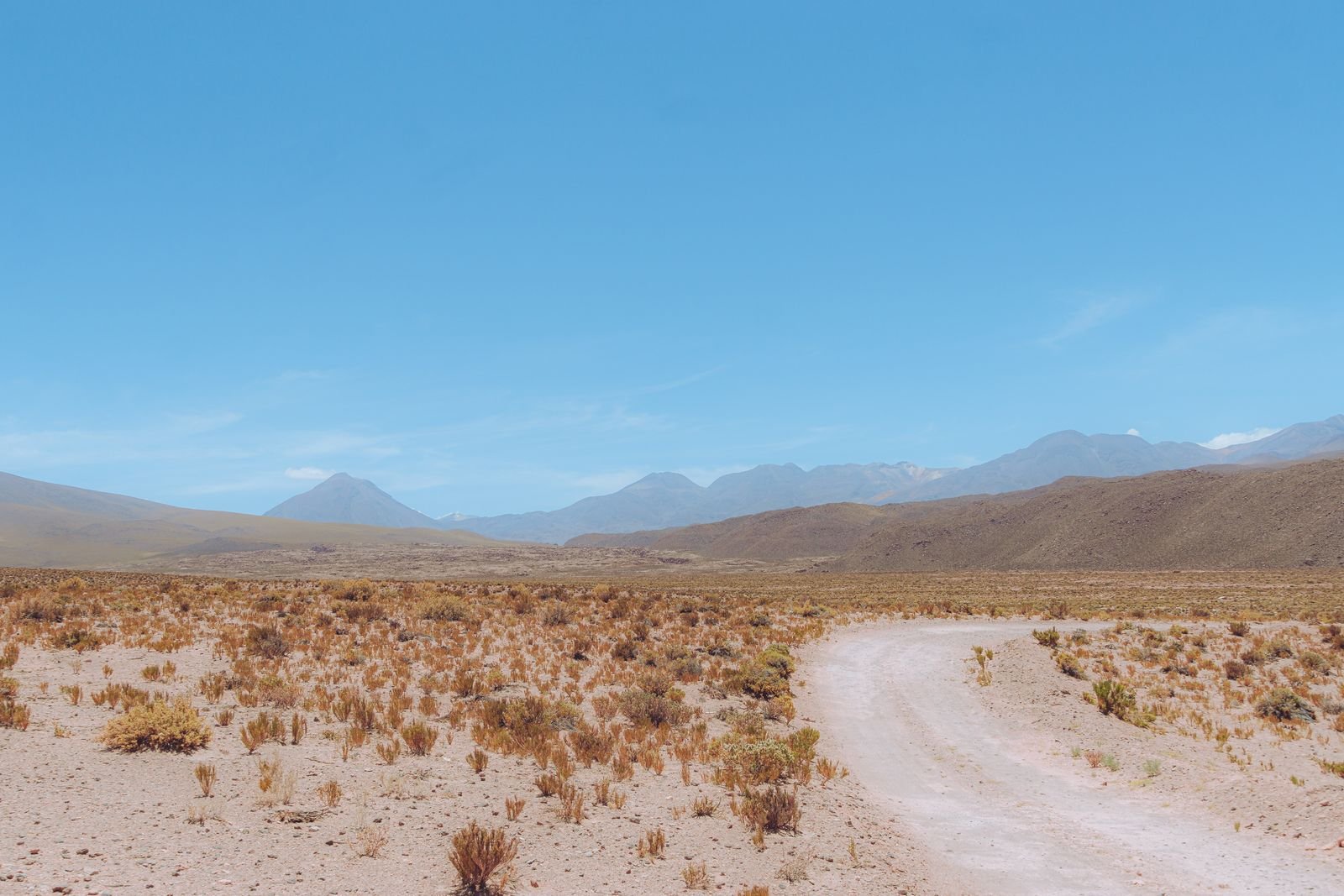
The Atacama Desert is not a single, empty landscape, it is a place of great variety. The town of San Pedro de Atacama, a small oasis town at an altitude of about 2,400 metres, is the base for most visitors, and from there you can visit the Valle de la Luna, the Moon Valley, with its salt formations and sand dunes, the Salar de Atacama, a huge salt flat with flamingos, the El Tatio geysers, which erupt at dawn, and the high lagoons of the Altiplano, with their blue water and snow-capped volcanoes. The Atacama Desert is a place that rewards slow travel, because the light changes constantly, the landscape is vast, and the silence is profound.
Why the Atacama Desert Is So Special
The Atacama Desert is special because it is the driest place on Earth outside the polar regions. Some weather stations in the Atacama have never recorded rain, and the average rainfall in the desert is less than one millimetre per year. The desert is dry because it is in the rain shadow of the Andes, and because a cold ocean current off the coast of Chile creates a stable, dry atmosphere. The dryness has preserved the landscape for millions of years, and it has also made the Atacama a good analogue for Mars, which is why NASA tests its rovers and instruments there.
The Atacama Desert is also special because of its altitude and its light. The desert is on a high plateau, the Altiplano, which is more than 2,000 metres above sea level, and the air is thin, clear and dry. The light is intense, the colours are vivid, and the sky is a deep blue during the day and a brilliant black at night. The Atacama is home to some of the largest telescopes in the world, including the ALMA observatory, which is on a high plain at an altitude of 5,000 metres, and which studies the universe in millimetre waves. The night sky in the Atacama is so clear that you can see the Milky Way, the Magellanic Clouds and many other objects with the naked eye.
The Atacama Desert is also a place of great geological diversity. The desert has volcanoes, some of which are still active, salt flats, which are the remains of ancient lakes, geysers, which are fed by geothermal heat, and lagoons, which are home to flamingos and other birds. The landscape is constantly changing, with new salt formations, new dunes and new colours, and it is a place that has been shaped by water, wind and time. The Atacama Desert is also home to indigenous Atacameno people, who have lived in the desert for thousands of years, and who have a long history of farming, mining and astronomy.
The Best Things to Do in the Atacama Desert
Start with the Valle de la Luna, the Moon Valley, which is about 13 kilometres from San Pedro de Atacama. The valley is a landscape of salt formations, sand dunes and wind-eroded rocks, and it is best visited at sunset, when the light turns the rocks pink, orange and gold, and the valley looks like the surface of the Moon. Walk to the top of the Great Dune, watch the sun set over the valley, and listen to the silence. The Valle de la Luna is one of the most visited places in the Atacama Desert, and it is a good introduction to the desert landscape.
Visit the Salar de Atacama, the largest salt flat in Chile, which is about 3,000 square kilometres in area. The salt flat is home to flamingos, which feed in the shallow lagoons, and to the Chaxa Lagoon, where you can see three species of flamingos, including the Andean flamingo, which is one of the rarest flamingos in the world. The Salar de Atacama is also a place of great beauty, with white salt, blue water and snow-capped volcanoes on the horizon. Visit in the early morning or late afternoon, when the light is soft and the flamingos are most active.
Go to the El Tatio geysers, which are the third-largest geyser field in the world, and the highest, at an altitude of about 4,300 metres. The geysers erupt at dawn, when the cold air meets the hot water, and the steam rises into the sky in columns. The tour leaves San Pedro de Atacama very early in the morning, at about 4 in the morning, and it is a long and cold drive, but the sight of the geysers at dawn is worth it. Dress warmly, because the temperature at El Tatio can be below freezing at dawn, and bring water, because the altitude can make you feel unwell.
Visit the high lagoons of the Altiplano, including Miscanti and Miniques, which are two blue lagoons at an altitude of about 4,000 metres, surrounded by volcanoes and vicunas, a type of wild camelid. The lagoons are a full-day trip from San Pedro de Atacama, and they are a good place to see the high desert landscape, with its colours, its wildlife and its silence. The road to the lagoons is rough, so go with a tour, and take time to acclimatise to the altitude, because the lagoons are much higher than San Pedro.
Go stargazing in the Atacama Desert, which is one of the best places in the world to see the night sky. The desert has some of the clearest and darkest skies on Earth, and many tours offer stargazing with telescopes, where you can see the planets, the stars and the Milky Way. The best time for stargazing is on a moonless night, when the sky is at its darkest, and the best places are outside San Pedro de Atacama, away from the lights of the town. The Atacama Desert is also home to the ALMA observatory, which offers tours on weekends, although you should book in advance.
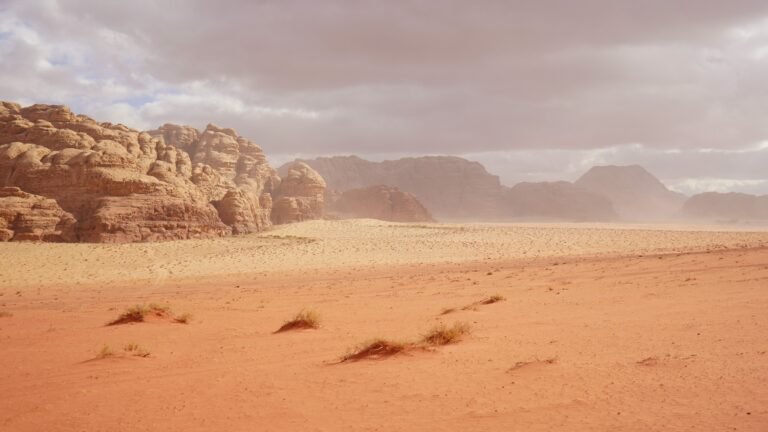
The Atacama Desert is often compared with other great deserts, including the Namib Desert in Namibia, which is also one of the oldest deserts in the world, and with Salar de Uyuni in Bolivia, which is the largest salt flat in the world. The Atacama is drier and higher than the Namib, and it is more varied than Salar de Uyuni, with volcanoes, geysers and lagoons as well as salt flats. If you enjoy those places, the Atacama Desert is the next step in desert travel.
When Is the Best Time to Visit the Atacama Desert?
The best time to visit the Atacama Desert is from March to May and from September to November. In these months the weather is mild, the days are warm and the nights are cool, and the crowds are smaller than in the summer holidays. March to May is autumn in Chile, with clear skies and pleasant temperatures, while September to November is spring, with wildflowers in the desert and clear skies. Both seasons are good for hiking, for photography and for stargazing.
December to February is summer in the Atacama Desert, and it is the busiest time to visit, because it is the holiday season in Chile and in many other countries. The weather is warm during the day, with temperatures of about 25 degrees Celsius in San Pedro de Atacama, and the nights are cool. Summer is also the rainy season in the Altiplano, with afternoon thunderstorms, which can make the roads impassable and the geysers less active. If you visit in summer, book your accommodation and tours well in advance.
June to August is winter in the Atacama Desert, and it is the coldest time to visit, with temperatures below freezing at night, especially at high altitude. The days are sunny and clear, and the nights are very cold, but the stargazing is at its best, because the air is dry and clear. Winter is a good time to visit if you want fewer people and lower prices, and if you are prepared for the cold. Whatever the season, the Atacama Desert is a year-round destination, and the weather is generally sunny and dry.
How to Get to the Atacama Desert and Get Around
Most visitors reach the Atacama Desert by flying to Calama, in northern Chile, and then travelling by bus or car to San Pedro de Atacama, which is about an hour and a half away. Calama has direct flights from Santiago, the capital of Chile, which take about two hours, and from other cities in Chile. There are also buses from Santiago to San Pedro de Atacama, although the journey takes about 24 hours, and it is not recommended. From Calama, you can take a bus, a shared taxi or a private transfer to San Pedro.
Getting around the Atacama Desert is best done with a tour, because the attractions are spread out, the roads are rough, and the altitude is high. Most visitors stay in San Pedro de Atacama and take day tours to the Valle de la Luna, the Salar de Atacama, the El Tatio geysers and the high lagoons. The tours are usually in small groups, with a guide and a driver, and they include transport, entrance fees and a snack. You can also rent a car in San Pedro, although you should be careful on the unpaved roads, and you should check the conditions before you drive.
San Pedro de Atacama is a small town, and you can walk everywhere in the town itself. The town has a good choice of hotels, hostels, restaurants and tour agencies, and it is a good base for a visit to the desert. The town is at an altitude of about 2,400 metres, so take time to acclimatise when you arrive, drink plenty of water, and avoid alcohol and heavy food on your first day. The altitude can make you feel tired and unwell, especially if you fly in from sea level, so rest and take it easy.
Where to Stay in the Atacama Desert and Practical Tips
San Pedro de Atacama is the best base for a visit to the Atacama Desert, with the widest choice of accommodation, from hostels to luxury hotels. The town has many hotels built in the local adobe style, with courtyards, gardens and swimming pools, and it is a good place to relax after a day in the desert. Book well in advance for the summer holidays and for the peak season, because the best hotels fill up quickly, and consider staying in a hotel with a pool, because the days are hot and dry.
For food, eat in the restaurants in San Pedro de Atacama, which serve Chilean and international food, including grilled meat, fish and local produce. The town has many cafes and restaurants, and it is a good place to try the local cuisine, including quinoa, llama and local wines. Bring water, sun protection and layers, because the desert is hot during the day and cold at night, and the sun is strong at high altitude. The currency is the Chilean peso, and cards are accepted in most hotels and restaurants, although small shops may prefer cash.
Respect the desert and the people who live there. The Atacama Desert is a fragile environment, and you should stay on the paths, not pick up rocks or plants, and not disturb the wildlife. The indigenous Atacameno people have a long history in the desert, and you should respect their culture and their land. The desert is also a place of great scientific importance, because of its telescopes and its Mars-like landscape, and you should follow the rules of the parks and the observatories.
Conclusion: Is the Atacama Desert Worth Visiting?
The Atacama Desert is worth visiting, and it is one of the most extraordinary places on Earth. The driest desert, the highest geysers, the salt flats, the lagoons and the night sky are unlike anything else in the world, and a visit to the Atacama is an experience that stays with you for life. Plan your trip around the seasons, book your tours in advance, and allow at least three or four days in San Pedro de Atacama, so that you have time to see the valleys, the salt flats and the stars. If you do, the Atacama Desert will give you far more than a photograph, and you will understand why it is one of the most loved deserts in the world.
Frequently Asked Questions About the Atacama Desert
How many days do you need in the Atacama Desert?
Three to four days is ideal for the Atacama Desert. That gives you time to visit the Valle de la Luna, the Salar de Atacama, the El Tatio geysers and the high lagoons, and to go stargazing, without rushing. Two days is enough for the main highlights, while five days lets you explore more of the desert and visit the ALMA observatory.
What is the best time to visit the Atacama Desert?
The best time to visit the Atacama Desert is from March to May and from September to November, when the weather is mild, the skies are clear, and the crowds are smaller than in the summer holidays. December to February is summer, with warm days and more visitors, while June to August is winter, with cold nights and clear skies for stargazing.
Is the Atacama Desert the driest place on Earth?
The Atacama Desert is the driest non-polar desert in the world, and some places in the Atacama have not had rain for decades. The average rainfall in the desert is less than one millimetre per year, and some weather stations have never recorded rain. The dryness is due to the rain shadow of the Andes and a cold ocean current off the coast of Chile.
Do you need to acclimatise to the altitude in the Atacama Desert?
Yes, you should acclimatise to the altitude in the Atacama Desert, because San Pedro de Atacama is at about 2,400 metres, and the geysers and lagoons are at 4,000 metres or more. Take it easy on your first day, drink plenty of water, and avoid alcohol and heavy food, and tell your guide if you feel unwell.
Can you see the stars in the Atacama Desert?
Yes, the Atacama Desert is one of the best places in the world to see the stars, because the air is clear, dry and free of light pollution. On a moonless night you can see the Milky Way, the Magellanic Clouds and many other objects with the naked eye, and many tours offer stargazing with telescopes.


One Comment