Maasai Mara National Reserve, Kenya: The Complete Guide to the Great Migration, Big Cats and Safari

The Maasai Mara is one of the greatest wildlife reserves in the world, and a safari in the Maasai Mara is a journey into the heart of the African savanna. Rolling grassland, acacia trees, winding rivers and huge herds of wildebeest, zebra and gazelle stretch to the horizon, and the reserve is home to lions, leopards, cheetahs, elephants, rhinos and buffalo, the Big Five, in numbers that are hard to match anywhere else. Every year, the Great Migration brings more than a million wildebeest across the Mara River, in one of nature’s most dramatic spectacles.
What makes the Maasai Mara special is its scale, its wildlife and its people. The reserve is named after the Maasai, the pastoralist people who have lived here for centuries, and many of the lodges and camps are run in partnership with Maasai communities. The Mara is also remarkably accessible for a wilderness area, with good roads, airstrips and a range of accommodation, from budget camps to luxury lodges. This guide explains how to plan a Maasai Mara safari, when to go, what to expect and how to visit responsibly.
Where Is the Maasai Mara?
The Maasai Mara National Reserve lies in southwestern Kenya, along the border with Tanzania, about 270 kilometres west of Nairobi. The reserve covers about 1,510 square kilometres of savanna, woodland and riverine forest, and it is the northern continuation of the Serengeti ecosystem, which extends into Tanzania. The Mara River flows through the reserve from north to south, and the Sand River forms the southern border with Tanzania. The landscape is dominated by open grassland, with acacia trees, rocky outcrops called kopjes, and the forested banks of the Mara and Talek rivers.
The reserve is divided into the main reserve, which is managed by the county government, and the surrounding conservancies, which are community owned and managed, and which offer a quieter, more exclusive safari experience. The main towns near the Mara are Narok, which is the gateway town on the road from Nairobi, and the small airstrips at Mara Serena, Keekorok and Ol Kiombo, which are served by daily flights from Nairobi. The Maasai people live in villages, called manyattas, around the reserve, and their culture is an important part of the Mara experience.
Why Visit the Maasai Mara?
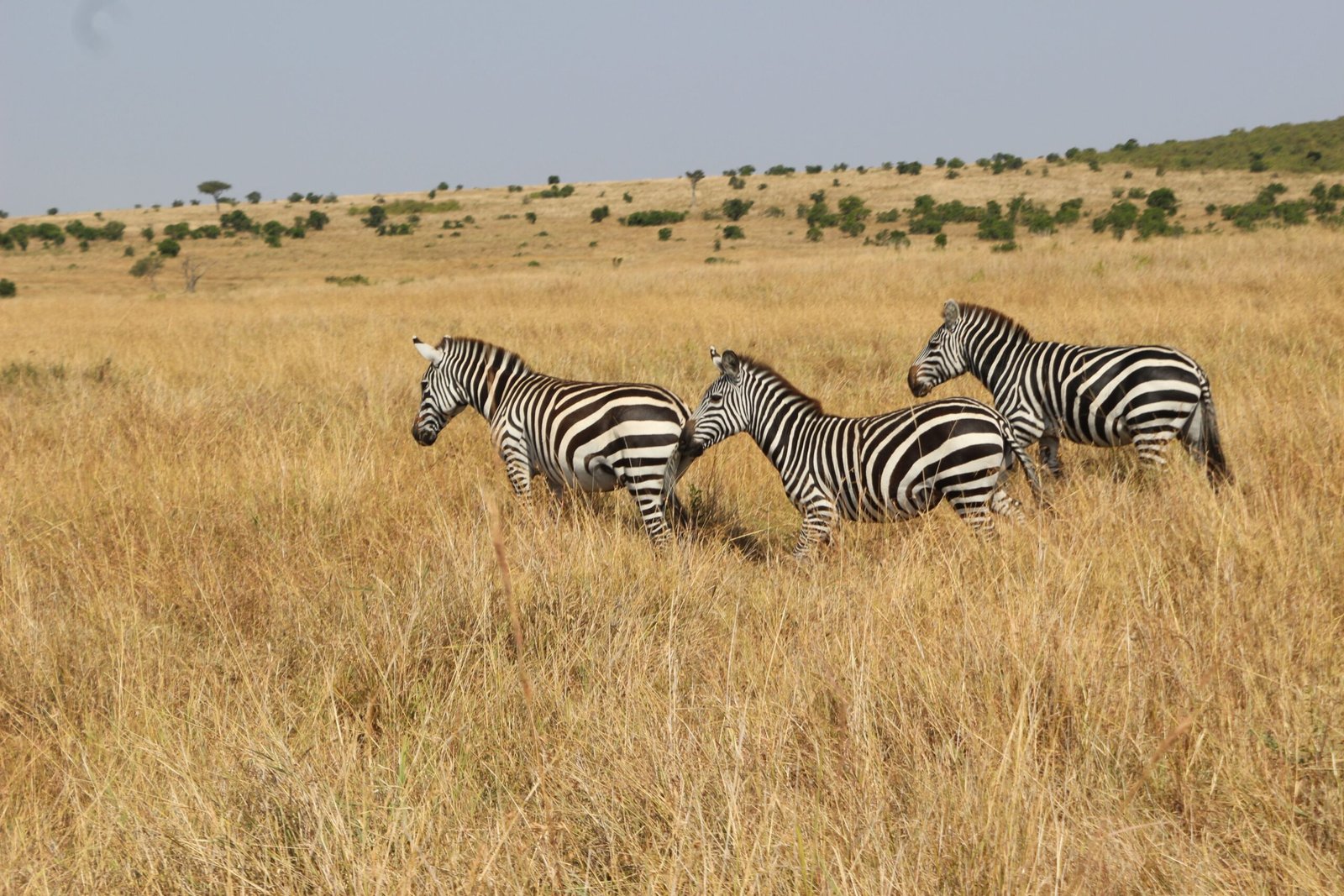
The Maasai Mara is famous for the Great Migration, and it is easy to see why. Every year, from about July to October, more than a million wildebeest, zebra and gazelle cross from the Serengeti in Tanzania into the Mara, in search of fresh grass and water. The herds cross the Mara River at several points, where crocodiles wait in the water and lions, leopards and hyenas wait on the banks, and the crossings are one of the most dramatic wildlife spectacles in the world. Even outside the migration season, the Mara has resident wildlife in abundance, including large prides of lions, cheetahs, leopards, elephants and rhinos.
The Mara is also one of the best places in Africa to see big cats. Lions are common and are often seen resting in the shade, hunting or playing with cubs, while cheetahs are frequently seen on the open plains, and leopards are found in the riverine forest, especially along the Talek and Mara rivers. The birdlife is excellent, with more than 450 species, including ostriches, secretary birds, lilac breasted rollers and many eagles and vultures. For a first time safari, the Mara is an ideal choice, because the wildlife is abundant, the guides are excellent and the experience is unforgettable.
The Great Migration and the Mara River Crossings
The Great Migration is a year round movement of wildebeest, zebra and gazelle around the Serengeti and Mara ecosystem, following the rains and the fresh grass. The herds are in the Serengeti for most of the year, and they cross into the Mara in about July, when the grass in Tanzania dries out. They stay in the Mara until about October, when they cross back into Tanzania, and the cycle begins again. The river crossings are the most dramatic part of the migration, because the herds must cross the Mara River, which is fast flowing and full of crocodiles, and many animals do not survive.
The best places to see a crossing are at the main crossing points on the Mara River, including the area near the Mara Bridge, the Paradise Plains and the confluence of the Mara and Talek rivers. Crossings are unpredictable, and they can happen at any time of day, so be prepared to wait, sometimes for hours, and to move quickly when a crossing starts. Your guide will know the best places to wait, based on recent herd movements and the behaviour of the animals. The migration season is also the busiest time in the Mara, so book accommodation and safaris well in advance, and be prepared for crowds at the crossing points.
Big Cats, Elephants and the Wildlife of the Mara
The Maasai Mara is one of the best places in the world to see big cats, and lions are the stars of the show. The reserve has several large prides, including the famous Marsh Pride, which was the subject of the BBC series Big Cat Diary, and lions are often seen in the early morning and late afternoon, when they are most active. Cheetahs are also common, especially on the open plains, where they hunt gazelle and impala, and they are often seen with cubs. Leopards are more elusive, but they are regularly seen in the riverine forest, especially in the early morning, when they are returning from a night hunt.
Elephants are common in the Mara, especially in the forested areas and along the rivers, and they are often seen in family groups, with calves and young elephants. Rhinos are rarer, but the Mara has a small population of black rhinos, which are most often seen in the southern part of the reserve. Buffalo, giraffe, hippo, crocodile, hyena, jackal and many species of antelope are also common, and the birdlife is superb. A typical game drive in the Mara will see dozens of species, and the guides are skilled at finding animals and explaining their behaviour.
Game Drives, Hot Air Balloons and Maasai Culture
Game drives are the main activity in the Mara, and they usually run in the early morning and late afternoon, when the animals are most active and the light is best for photography. Each drive lasts about three to four hours, and it is conducted in a safari vehicle with a driver guide, who knows the reserve, the animals and the best places to go. Full day drives are also available, with a packed lunch, and they are a good way to reach the more remote parts of the reserve, including the Mara River and the southern border.
A hot air balloon safari is a special experience, with a dawn flight over the Mara, followed by a champagne breakfast in the bush. The balloon drifts over the savanna, the rivers and the herds, and it offers a unique perspective on the landscape and the wildlife. Balloon safaris are expensive, but they are unforgettable, and they should be booked well in advance. A visit to a Maasai village is also a highlight for many visitors, with traditional dancing, singing, beadwork and a chance to learn about Maasai culture. Choose a reputable village visit, arranged through your lodge or camp, and be respectful, ask before photographing people and support local craftspeople by buying directly from them.
Best Time to Visit the Maasai Mara
The best time to visit the Maasai Mara depends on what you want to see. The Great Migration is in the Mara from about July to October, and this is the most popular time, with the highest prices and the most visitors. The migration season offers the best chance to see river crossings, large herds and predators, but it is also crowded, especially at the crossing points. The dry season, from June to October, is generally the best time for wildlife, because the grass is short, the animals gather at waterholes and the roads are dry.
The short rains, from November to December, bring green grass, fewer visitors and lower prices, and it is a good time for birdwatching and for seeing newborn animals. The long rains, from March to May, bring heavy rain, muddy roads and fewer visitors, and some lodges close during this period, although the landscape is lush and the wildlife is still present. January and February, after the short rains, are also good, with warm weather, green grass and fewer crowds. For the best balance of wildlife, weather and crowds, consider visiting in June, September or October, when the migration is in the Mara but the peak crowds have eased.
How to Get to the Maasai Mara and Get Around
Most visitors reach the Mara by air or by road from Nairobi. Flights from Nairobi’s Wilson Airport take about 45 minutes to the Mara’s airstrips, and they are the fastest and most comfortable way to arrive, although they are more expensive than driving. The road journey from Nairobi takes about five to six hours, depending on the route and the condition of the roads, and it passes through Narok and the Great Rift Valley, with views of the escarpment and the Maasai villages along the way. Many visitors combine a flight in with a road transfer out, or vice versa.
Once you are in the Mara, getting around is by safari vehicle, which is provided by your lodge or camp as part of your package. Game drives are included in most packages, and they are the best way to see the reserve, because the guides know the roads, the animals and the best places to go. Self driving is possible in the main reserve, but it is not recommended for first time visitors, because the roads are rough, the reserve is large and the wildlife is wild. If you stay in a conservancy, your game drives will be in that conservancy, which is quieter and more exclusive, with fewer vehicles and more flexibility.
Where to Stay in the Maasai Mara
The Maasai Mara has a wide range of accommodation, from budget camps to luxury lodges, and the choice depends on your budget, your style and the time of year. Tented camps are the classic Mara experience, with canvas tents, comfortable beds, en suite bathrooms and a dining tent, and they range from simple, affordable camps to luxurious, all inclusive lodges with private decks, plunge pools and fine dining. Lodges, such as Mara Serena, Keekorok and Sarova Mara, are larger and more hotel like, with swimming pools, restaurants and views over the savanna.
Conservancies, such as Mara North, Olare Motorogi and Naboisho, offer a more exclusive experience, with fewer vehicles, night drives, walking safaris and a closer connection to the Maasai community. Staying in a conservancy is more expensive, but it is quieter and more flexible, and it directly benefits the local community. Book well ahead for the migration season, because the best camps and lodges fill up months in advance, especially in July, August and September. Wherever you stay, check what is included, because most packages include accommodation, meals, game drives and transfers, but balloon safaris, village visits and drinks are usually extra.
Practical Tips for Visiting the Maasai Mara
Pack light, with neutral coloured clothes, a warm jacket for the early morning game drives, a hat, sun protection, binoculars and a camera with a zoom lens. The mornings can be cold, especially in the dry season, while the days are warm, so layers are essential. Bring cash, because cards are not widely accepted in the Mara, and bring a torch, because the camps are dark at night. Malaria is a risk in the Mara, so take anti malaria medication as advised by your doctor, use insect repellent and sleep under a mosquito net.
Respect the wildlife and the reserve, stay in the vehicle during game drives, do not shout or use flash photography, and follow the instructions of your guide at all times. Do not feed animals, do not litter, and do not get out of the vehicle, even if you see a lion close by. The animals are wild, and they should be treated with respect and caution. Finally, be patient and enjoy the experience. A safari is not just about ticking off species, it is about the landscape, the light, the sounds and the sense of being in a wild place, and the best moments are often the quiet ones, a lioness with her cubs, a cheetah on a termite mound, or a herd of elephants crossing the plain at sunset.
If you liked the Maasai Mara, you will also enjoy our guides to Serengeti National Park and to Amboseli National Park.
Conclusion
The Maasai Mara is a place that lives up to its reputation, and a safari here is one of the great travel experiences of a lifetime. Its savanna, its wildlife, its migration and its people form a landscape that is both dramatic and deeply moving, and it is a place that stays with you long after you leave. Plan for the migration season if you can, book well in advance, and give yourself at least three days, because the Mara rewards time, patience and an early start. The Mara is ready when you are.
Frequently Asked Questions
When is the Great Migration in the Maasai Mara?
The Great Migration is in the Maasai Mara from about July to October, when more than a million wildebeest, zebra and gazelle cross from the Serengeti in Tanzania. The river crossings are most likely from July to September, although the exact timing varies each year with the rains.
How many days do I need in the Maasai Mara?
Three to four days is ideal, because it gives you time for several game drives, a chance to see a river crossing and time to relax at your camp or lodge. Two days can work for a first visit, while a week lets you explore the reserve and the conservancies slowly.
Is the Maasai Mara safe for a safari?
Yes, the Maasai Mara is generally safe for visitors on an organised safari, with experienced guides, well run lodges and camps, and a long history of tourism. Follow your guide’s instructions, stay in the vehicle, and take malaria precautions as advised by your doctor.
What is the difference between the Maasai Mara and the Serengeti?
The Maasai Mara and the Serengeti are two parts of the same ecosystem, with the Mara in Kenya and the Serengeti in Tanzania. The Mara is smaller and more concentrated, with excellent big cat viewing, while the Serengeti is larger and more varied. The Great Migration moves between the two, following the rains.
Do I need a visa to visit Kenya?
Most visitors to Kenya need an eTA, an electronic travel authorisation, which should be applied for online before you travel. Check the current requirements for your nationality with the Kenyan authorities before you book.