Sequoia National Park, California: Complete Guide to Giant Trees, Trails and the Sierra Nevada
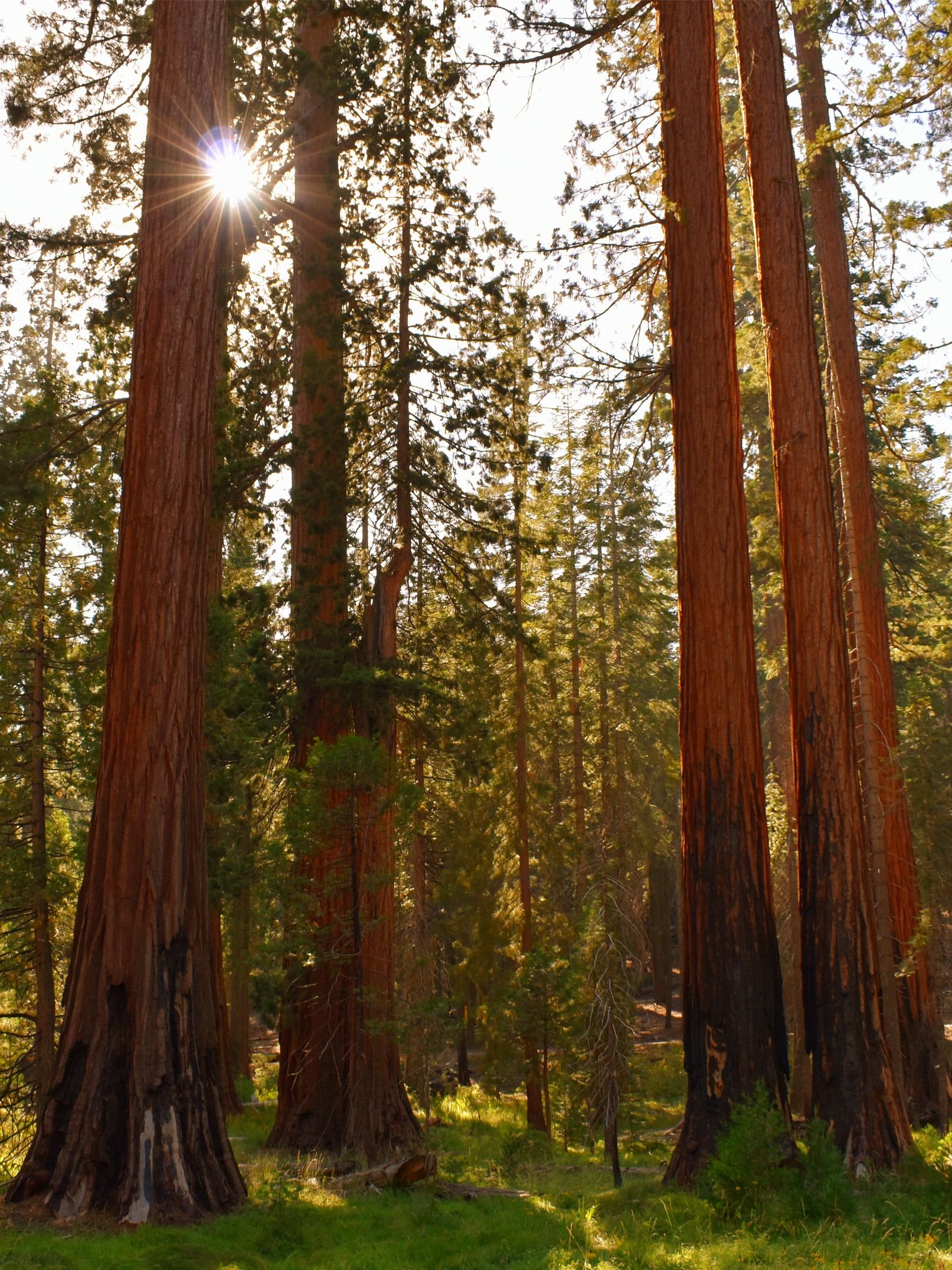
Sequoia National Park is a place that makes you feel small, in the best possible way. The giant sequoias that give the park its name are the largest trees in the world by volume, and they can live for more than 3,000 years. Standing at the base of the General Sherman Tree, the largest tree on Earth, you look up through branches that disappear into the sky, and you understand why this park has been protected since 1890. Sequoia National Park, California, in the southern Sierra Nevada, protects not only the giant sequoias, but also granite peaks, alpine lakes, deep canyons and a wilderness that is one of the largest in the United States. This guide covers the giant trees, the best trails, the seasons and the practical details for a trip to Sequoia National Park.
Sequoia National Park was established in 1890, and it was the second national park in the United States, after Yellowstone. The park covers about 1,600 square kilometres, and it is contiguous with Kings Canyon National Park, which was established in 1940. Together, the two parks protect a vast area of the Sierra Nevada, from the foothills at about 400 metres to the summit of Mount Whitney, the highest peak in the contiguous United States, at 4,421 metres. The giant sequoias grow in groves on the western slopes of the Sierra, at elevations of about 1,500 to 2,100 metres, where the climate is mild and the snow is deep in winter. The park is a place of extremes, from the hot foothills to the cold alpine peaks, and it rewards the traveller who takes time to see more than the famous trees.
The Giant Forest and the General Sherman Tree
The Giant Forest is the heart of Sequoia National Park, and it is home to the General Sherman Tree, the largest tree in the world by volume. The tree is about 84 metres tall, with a trunk that is about 11 metres in diameter at its base, and it is estimated to be about 2,200 years old. The walk to the General Sherman Tree is short and easy, on a paved trail that descends from the car park, and it is one of the most visited sights in the park. The tree is impressive, but it is also just one of many giants in the Giant Forest, and the forest itself, with its towering sequoias, its ferns and its filtered light, is the real attraction.
The Giant Forest is best explored on foot, on the trails that wind through the grove. The Congress Trail, a two-mile loop, passes the General Sherman Tree, the President Tree, the Chief Sequoyah Tree and the Senate Group, and it is a good introduction to the grove. The trail is paved and easy, and it is suitable for families. For a quieter experience, walk the Crescent Meadow Loop, which leads to a meadow that John Muir called the gem of the Sierra, and to Tharp’s Log, a fallen sequoia that was once used as a cabin. The Giant Forest is at its best in the early morning, when the light is soft and the crowds are thin, and in the late afternoon, when the sun filters through the canopy.
Other Giant Sequoia Groves in Sequoia National Park
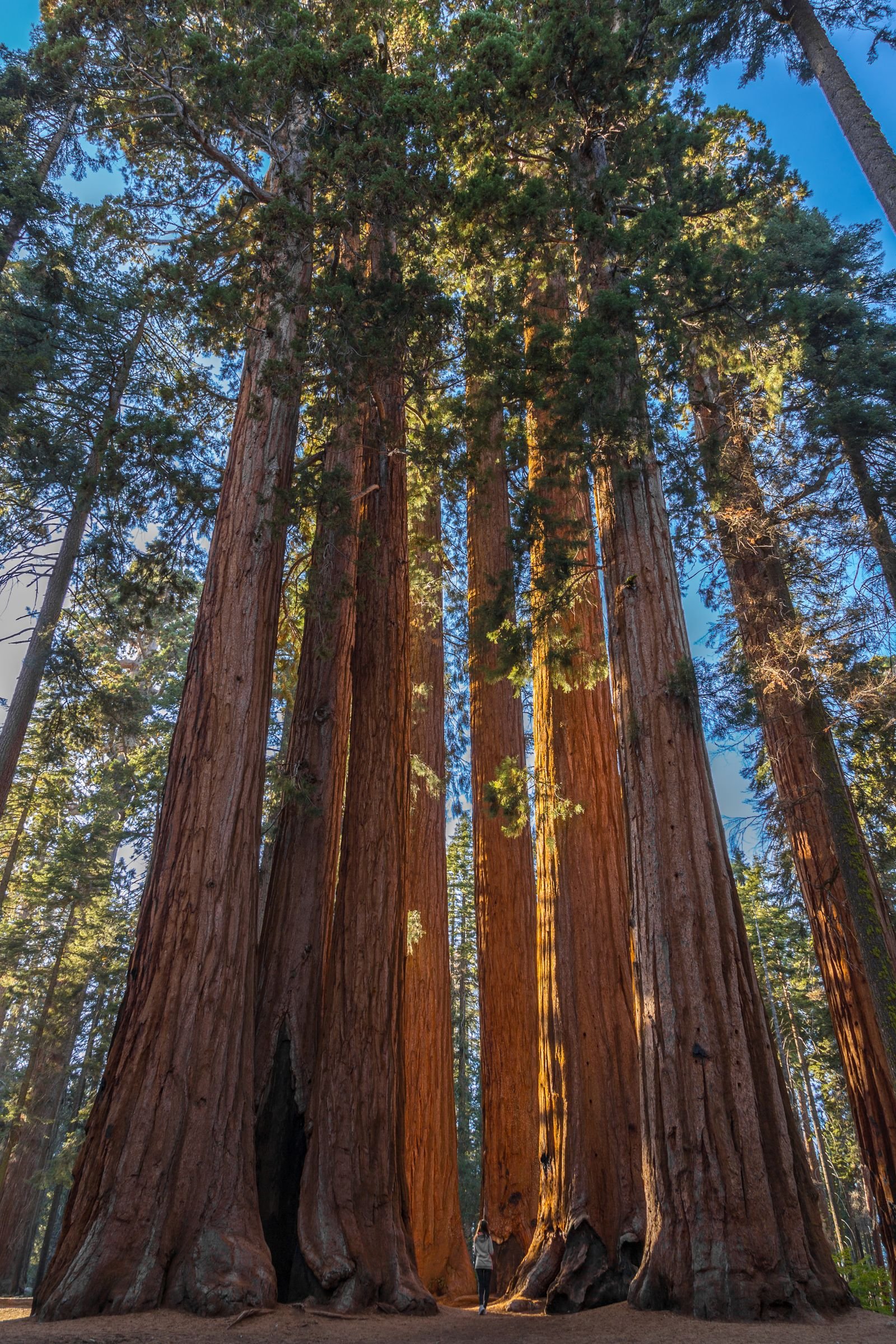
Sequoia National Park has several groves of giant sequoias, and each has its own character. The Giant Forest is the largest and most visited, but the other groves are quieter and, in some ways, more rewarding. The Grant Grove, in Kings Canyon National Park, is home to the General Grant Tree, the second largest tree in the world, and it is a short drive from the Giant Forest. The Muir Grove, a four-mile hike from the Giant Forest, is a remote grove with a sense of solitude that is hard to find in the Giant Forest. The Redwood Canyon, in the southern part of the park, is the largest grove in the world, and it is reached by a long hike that is best done as a multi-day backpacking trip.
The sequoias are not the only trees in the park. The park also protects incense cedars, white firs, red firs and pines, and the forest changes with elevation, from the oak woodland of the foothills to the lodgepole pine forest of the high country. The giant sequoias are the most famous trees, but the forest as a whole is a remarkable ecosystem, and it is worth taking time to learn about the other trees, the wildlife and the fire ecology that shapes the forest. The sequoias depend on fire to reproduce, because the heat opens their cones and the ash provides a seedbed, and the park’s fire management is an important part of its conservation work.
Hiking in Sequoia National Park
Sequoia National Park offers hiking for every level, from short, easy walks in the Giant Forest to serious multi-day backpacking trips in the high Sierra. The Tokopah Falls Trail, a 3.4-mile return walk from the Lodgepole Campground, leads to a waterfall that is at its best in spring and early summer, when the snow is melting. The trail is easy and well-marked, and it is a good choice for families. The Moro Rock Trail is a short but steep climb up a granite dome, with 400 steps, and it offers a panoramic view over the park and the Great Western Divide. The trail is not for anyone who is afraid of heights, but the view from the top is one of the best in the park.
For a longer day, the Lakes Trail climbs from the Giant Forest to a series of alpine lakes, including Heather Lake, Aster Lake and Pear Lake, with views of the granite peaks. The trail is strenuous, with a climb of about 800 metres, but it is one of the best day hikes in the Sierra Nevada. For experienced hikers, the High Sierra Trail, a 72-mile trail from the Giant Forest to Mount Whitney, is one of the great backpacking routes in the United States, and it takes about a week to complete. Whatever your level, start early, carry water and food, and be prepared for the altitude, because the park is high, and the air is thin.
Moro Rock, Crescent Meadow and the High Sierra
Moro Rock is one of the most distinctive landmarks in Sequoia National Park, a granite dome that rises above the Giant Forest, with a staircase that climbs to the top. The view from Moro Rock is panoramic, with the Great Western Divide to the east, the foothills to the west, and the Giant Forest below. The climb is short, about a quarter of a mile, but it is steep, with 400 steps, and it is exposed, so it is not for everyone. Go early in the morning, when the light is good and the crowds are thin, and take your time on the way down.
Crescent Meadow is a quiet, beautiful meadow in the Giant Forest, with a loop trail that passes Tharp’s Log, a fallen sequoia that was once a cabin, and the Chimney Tree, a hollow sequoia that you can walk through. The meadow is a good place to see wildlife, including black bears, mule deer and a variety of birds, and it is a peaceful contrast to the busy Giant Forest. The High Sierra, the high country of the park, is a different world, with granite peaks, alpine lakes and a wilderness that is one of the largest in the United States. The High Sierra is best explored on a multi-day backpacking trip, with a permit, and it is a place that rewards the experienced hiker with some of the finest mountain scenery in the country.
Where to Stay in Sequoia National Park
There are several options for staying in Sequoia National Park, from the lodges inside the park to the hotels and campgrounds outside. The Wuksachi Lodge, in the Giant Forest area, is the main lodge in the park, with comfortable rooms, a restaurant and a view of the forest. It is a good base for exploring the Giant Forest, and it books up early, especially in summer. The Lodgepole Campground, near the Giant Forest, is the main campground in the park, and it is open in summer, with sites that can be booked in advance. The campgrounds in the park are popular, and they fill up quickly, so book as early as you can.
Outside the park, the town of Three Rivers, on the western side, has hotels, motels, restaurants and shops, and it is a good base for a visit to the park, with a drive of about an hour to the Giant Forest. The town of Visalia, further west, has more choice and lower prices, but it is further from the park. For a wider sense of how forests are visited in other parts of the world, our guide to the Amazon Rainforest shows the world’s largest tropical rainforest, while Mount Fuji in Japan offers a single, perfect mountain that can be climbed in a day. More background on Sequoia is available on Wikipedia’s Sequoia National Park page.
The Best Time to Visit Sequoia National Park
The best time to visit Sequoia National Park is from late spring to early autumn, from May to October, when the roads are open, the weather is warm and the trails are accessible. June and July are the busiest months, with the best weather and the most visitors. September and October are quieter, with cooler weather and fewer crowds, and they are the best months for hiking, because the trails are dry and the light is good. The wildflowers are at their best in June and July, and the autumn colours in October are spectacular, especially in the foothills.
Winter in Sequoia National Park is cold and snowy, and it is a different kind of destination. The Giant Forest is beautiful under snow, and the park offers cross-country skiing and snowshoeing, but the roads can be closed by snow, and the high trails are impassable. If you visit in winter, go with a four-wheel-drive vehicle, check the road conditions, and be prepared for very cold weather. Spring, from April to May, is a time of melting snow and high water, and it is not the best time for hiking, though the waterfalls are at their best. Whatever the season, Sequoia is a park that rewards the patient traveller, and it is best visited with flexible expectations, because the weather in the Sierra Nevada can change quickly.
Practical Tips for Visiting Sequoia
A few practical tips will make your visit to Sequoia National Park safer and more enjoyable. Carry water and food, because the park is large and the services are limited, and the altitude can make you thirsty. Wear proper hiking shoes, because the trails are steep and rocky, and the granite can be slippery. Start early, because the trails are busiest in the middle of the day, and the light is best in the morning and late afternoon. Be aware of black bears, which are common in the park, and store your food properly, in the bear boxes provided, because the bears are attracted to food and scented items.
Respect the park. Stay on the trails, do not climb on the sequoias, and do not carve your name in the trees. The sequoias are fragile, and the bark can be damaged by climbing and carving. The park is a place that rewards the careful, respectful traveller, and it is also a place that is easy to visit, with good roads, good lodges and a shuttle in the Giant Forest area. If you go prepared, and if you take your time, Sequoia National Park will give you one of the best experiences in the American West.
Frequently Asked Questions
How many days do you need in Sequoia National Park?
Two to three days is ideal. It gives you time for the Giant Forest, for Moro Rock and Crescent Meadow, for a longer hike to the lakes, and for a drive to Kings Canyon. With one day you can see the highlights, but you will be rushed. With four or five days you can explore the high country and the quieter groves.
What is the largest tree in Sequoia National Park?
The General Sherman Tree is the largest tree in the world by volume. It is about 84 metres tall, with a trunk about 11 metres in diameter, and it is estimated to be about 2,200 years old. It is in the Giant Forest, and it is reached by a short, paved trail.
Can you drive to the Giant Forest?
Yes, you can drive to the Giant Forest, but in summer, the park operates a free shuttle in the Giant Forest area, and parking is limited. The shuttle is the best way to get around the Giant Forest, because it is frequent, it is free, and it stops at the main trailheads and viewpoints.
Is Sequoia National Park good for families?
Yes, Sequoia is a good park for families, with short, easy trails in the Giant Forest, a lodge with a restaurant, and a shuttle that makes it easy to get around. The Congress Trail and the Crescent Meadow Loop are good choices for families, and the park offers ranger programs for children in summer.
When is the best time to visit Sequoia National Park?
Late spring to early autumn, from May to October, is the best time, with warm weather and accessible trails. September and October are quieter, with cooler weather and fewer crowds, and they are the best months for hiking.
Conclusion
Sequoia National Park, California, is a place that earns its reputation as one of the great national parks in the United States. The giant sequoias, the granite peaks, the alpine lakes and the wilderness of the Sierra Nevada combine to make a park that is both accessible and wild. Walk in the Giant Forest, climb Moro Rock, hike to the lakes, and take time to look up at the trees. If you do, Sequoia will not just be a stop on a tour of California. It will be one of the places you remember most clearly, and one of the places you most want to return to, in a different season, to see it in a different light.