Azores Islands, Portugal: Complete Guide to the Atlantic Islands of Volcanoes and Hydrangeas
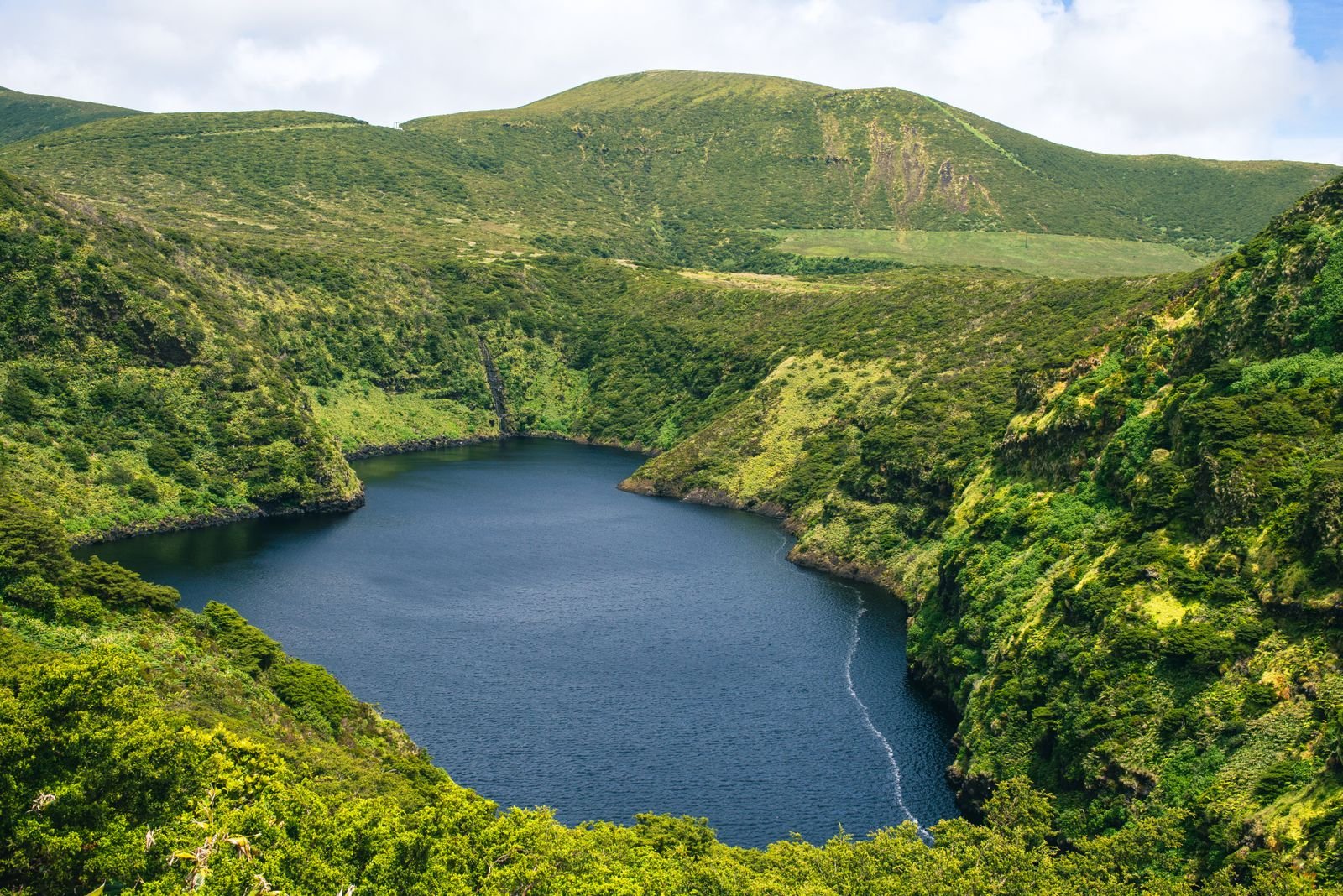
The Azores Islands are one of Europe’s great surprises. Nine volcanic islands rise out of the middle of the Atlantic Ocean, roughly 1,400 kilometres west of mainland Portugal, and they look like nowhere else in Europe. Green calderas hold blue and green lakes, hydrangeas line the roads in summer, hot springs steam in quiet valleys, and the ocean around the islands is one of the best whale-watching places in the world. The Azores Islands feel remote, but they are easy to reach, safe, and wonderfully uncrowded, and they reward slow travel more than almost any other destination in Portugal.
This guide covers everything you need to plan a trip to the Azores Islands: which islands to choose, when to go, how to get there, what to see on Sao Miguel, Pico, Faial, Flores and the other islands, where to stay, what to eat, and how to make the most of the hiking, whale watching, hot springs and crater lakes. Whether you have a long weekend or two full weeks, the Azores Islands offer a nature holiday that is green, wild and deeply relaxing, with volcanic landscapes, Atlantic viewpoints and small towns that still move at island pace.
Where Are the Azores Islands?
The Azores Islands are an autonomous region of Portugal in the North Atlantic, spread across about 600 kilometres of ocean. The archipelago is divided into three groups. The eastern group is Sao Miguel and Santa Maria. The central group is Terceira, Graciosa, Sao Jorge, Pico and Faial. The western group is Flores and Corvo, the most remote islands, closer to North America than to mainland Europe. The islands were formed by volcanoes, and that volcanic origin shapes everything here, from the black-sand beaches and lava tubes to the crater lakes, fumaroles and fertile green pastures.
Because the islands are so spread out, most first-time visitors base themselves on one or two islands rather than trying to see all nine. Sao Miguel is the largest and best connected, with the main airport at Ponta Delgada, and it works well as a first introduction to the Azores Islands. Pico and Faial are close together and easy to combine by ferry, while Terceira has a beautiful historic city, Angra do Heroismo, a UNESCO World Heritage Site. Flores and Corvo suit travellers who want waterfalls, lakes and a real sense of the edge of the world. Like Madeira, Portugal’s other Atlantic island, the Azores have a mild, changeable climate, but the Azores are greener, wilder and far less built up.
The Nine Islands at a Glance
Sao Miguel is the green island, famous for the twin lakes of Sete Cidades, the crater lake of Lagoa do Fogo, the tea plantations at Gorreana and Porto Formoso, and the hot springs at Furnas. Santa Maria is the sunniest and driest island, with a long sandy beach at Praia Formosa and a gentler, warmer landscape. Terceira is known for Angra do Heroismo, the Algar do Carvao lava tube, and lively festivals. Graciosa is small and quiet, with a volcanic caldera and whitewashed villages. Sao Jorge is long and narrow, with steep green cliffs, fajans at the foot of the cliffs, and some of the best cheese in Portugal.
Pico is dominated by Mount Pico, the highest mountain in Portugal at 2,351 metres, and by vineyards planted in black lava stone, also protected by UNESCO. Faial is the blue island, named for its hydrangeas, and Horta is a famous sailing harbour with the Peter Cafe Sport and the marina wall covered in paintings left by visiting sailors. Flores is a waterfall island, with deep lakes, cliffs and the village of Faja Grande, the westernmost settlement in Europe. Corvo is the smallest island, with just one village and a huge, beautiful crater lake, Caldeirao, and it feels like the end of the world in the best possible way.
Sao Miguel: The Green Island
Most trips to the Azores Islands begin on Sao Miguel, and with good reason. In a few days you can see Sete Cidades, where a blue lake and a green lake sit side by side inside a huge volcanic crater, Lagoa do Fogo, a wild crater lake reached by a steep hike, the Furnas valley, where hot springs bubble, mud pools steam and the famous cozido stew is cooked underground in volcanic heat, and the north coast, where Europe’s only tea plantations grow in neat green rows. Ponta Delgada, the capital, is a pleasant small city with black-and-white mosaic pavements, a marina, markets and good restaurants, and it makes an easy base.
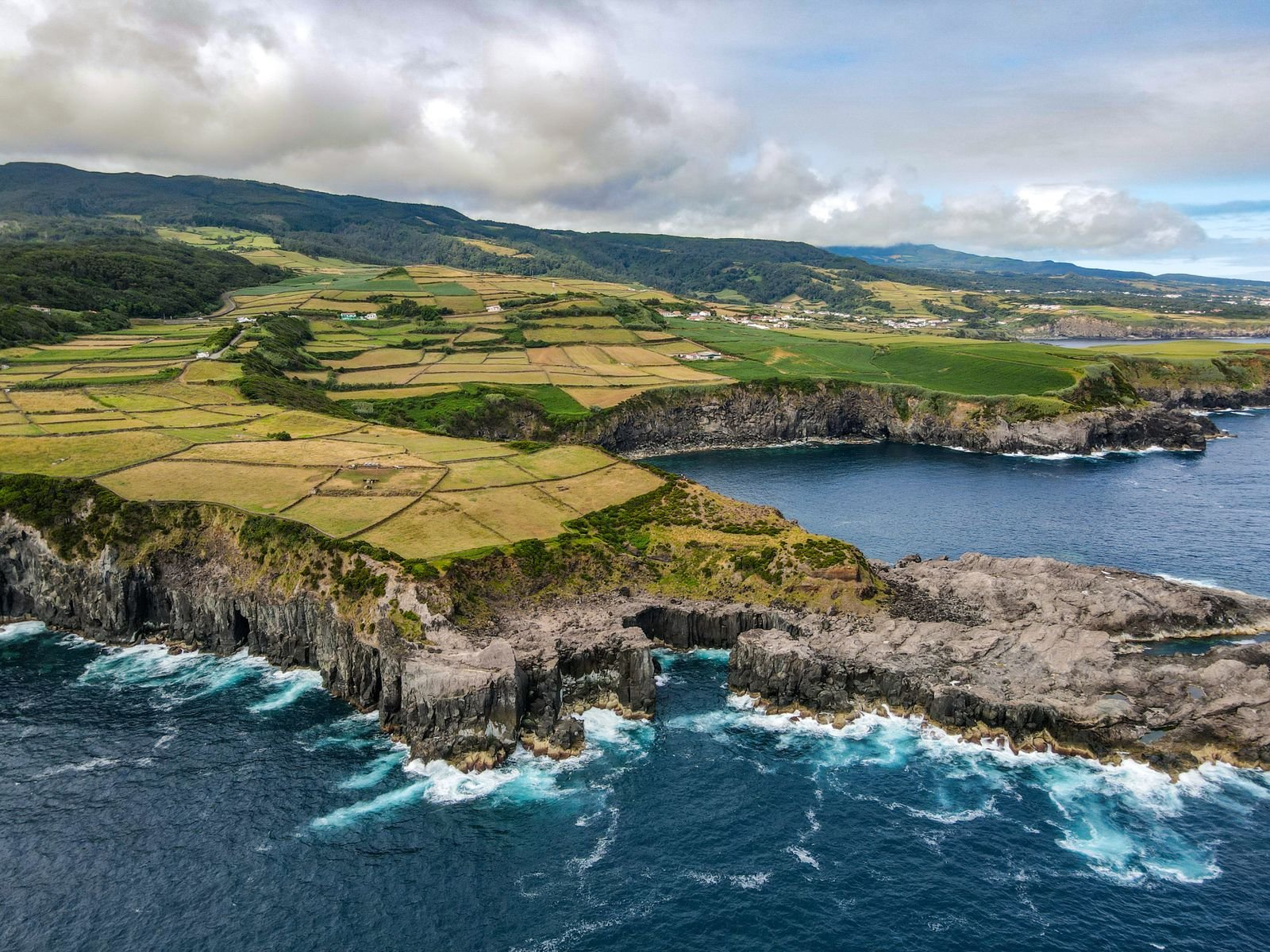
On Sao Miguel, take time for the viewpoints, which the locals call miradouros. The view from Boca do Inferno over Sete Cidades is one of the most photographed in the Azores Islands, and the view over Lagoa do Fogo from the road to Ribeira Grande is just as memorable. Drive the coast road slowly, stop at the tea factories, swim in the thermal pools at Furnas and at Ponta da Ferraria, where the ocean is warmed by hot springs, and walk around the lake at Sete Cidades. If the weather turns, as it often does, wait an hour: the Azores are famous for four seasons in one day, and sunshine usually follows rain.
Pico Island and Mount Pico
Pico Island is the most dramatic island in the Azores. Mount Pico rises straight from the sea to 2,351 metres, and on a clear day it can be seen from Faial, Sao Jorge and Graciosa. Climbing Mount Pico is a serious but rewarding hike, usually taking seven to eight hours return, with a rocky path, a crater at the top and a small cone, Piquinho, that you can climb for a view over the central group of islands. You need a permit, good weather and proper shoes, and many people climb with a guide. If you do not want to climb, the island still has plenty to offer: lava vineyards, the town of Madalena, whale watching from Lajes do Pico, and natural swimming pools in the black lava rock.
Faial, Flores and the Western Islands
Faial is the blue island, and in July and August its hydrangeas turn the roadsides blue. Horta is one of the great sailing ports of the Atlantic, and the marina is covered in colourful paintings from yachts that have crossed the ocean. From Horta you can see Mount Pico across the water, visit the Caldeira, a huge volcanic crater with a viewpoint and a walking trail, and see the Capelinhos volcano, where an eruption in 1957 and 1958 added new land to the island and buried a lighthouse, now a museum. Flores, further west, is the wettest and greenest island, with seven lakes, waterfalls that fall straight into the sea, and the beautiful village of Faja Grande. It is the island for travellers who love walking and wild, quiet landscapes, and Corvo, a short boat ride away, is even quieter.
Whale Watching in the Azores Islands
The Azores Islands are one of the best whale-watching destinations in the world. The deep water around the islands is home to sperm whales all year, and blue whales, fin whales, humpback whales and many species of dolphin pass through in spring and summer. Whale watching was once whaling here, and many former whale hunters now work as lookouts, called vigias, who watch the sea from high points on the cliffs and radio the boats when they spot whales. Tours run from Ponta Delgada, Lajes do Pico, Horta and other ports, usually last three to four hours, and the chance of seeing whales is very high in the Azores, especially from April to October. Bring a jacket, because the Atlantic can be cool and choppy, and choose a responsible operator that keeps a respectful distance from the animals.
Hiking, Hot Springs and Lagoons
Hiking is one of the best ways to enjoy the Azores Islands. There are well-marked trails on every island, many of them following old paths between villages, along crater rims and through forests. Popular walks include the trail around the lakes at Sete Cidades, the hike down to Lagoa do Fogo, the climb up Mount Pico, the Fajans trail on Sao Jorge, and the lakes trail on Flores. After a walk, the hot springs are the perfect reward. Furnas has several thermal pools, including the famous Terra Nostra garden, where you can swim in a warm, iron-rich pool surrounded by trees and flowers. Other hot springs can be found at Caldeira Velha on Sao Miguel, a warm waterfall in a green forest, and at Ponta da Ferraria, where the ocean itself is heated by volcanic springs at low tide.
Best Time to Visit the Azores Islands
The best time to visit the Azores Islands is from May to October, when the weather is warmest, the hydrangeas are in flower, and whale watching and ferry services are at their best. July and August are the warmest months, with temperatures around 25 degrees Celsius, but also the busiest. May, June and September are excellent months, with mild weather, fewer visitors and good light for photography. Winter, from November to March, is cooler and wetter, with temperatures around 14 to 17 degrees, and some ferries and tours stop running, but the islands are still green and beautiful, and prices are lower. Whenever you go, bring a waterproof jacket and layers, because Azorean weather changes quickly, and the islands are famous for rain and sunshine in the same hour.
Getting There and Getting Around the Azores
You can fly to the Azores Islands from mainland Portugal, with direct flights from Lisbon and Porto to Ponta Delgada, Terceira and other islands, and there are also direct flights from the United States, Canada, the United Kingdom and other European countries, especially in summer. Once in the Azores, you can travel between islands by plane on short inter-island flights, or by ferry, which is cheaper and more scenic, especially between Pico, Faial and Sao Jorge. A rental car is the best way to explore each island, because buses are limited and many viewpoints, trails and villages are hard to reach without one. Book cars and accommodation early in summer, drive carefully on narrow, winding roads, and allow extra time for the weather and for stopping at viewpoints.
Where to Stay and What to Eat in the Azores
Accommodation in the Azores Islands ranges from small hotels and guesthouses to rural cottages, farm stays and eco-lodges. Ponta Delgada has the most hotels and restaurants on Sao Miguel, while smaller towns and villages offer quieter stays in converted houses and farm buildings. On Pico and Faial, many visitors stay in Madalena and Horta, close to the ferries and whale-watching boats. Azorean food is simple, fresh and delicious. Try cozido das Furnas, the volcanic stew, fresh fish and limpets, Sao Jorge cheese, pineapple from Sao Miguel, tea from Gorreana, and wine from Pico, grown in black lava vineyards. Restaurants are relaxed and prices are lower than in mainland Portugal, and the local markets are excellent for fruit, cheese and bread.
Practical Tips for Visiting the Azores Islands
Plan for slow travel in the Azores Islands. Do not try to see every island in one trip, and build in spare time for weather, ferries and the places you will want to return to. Book whale watching, Mount Pico permits and popular restaurants in advance in summer. Wear good walking shoes, bring swimwear for the hot springs, and pack sunscreen as well as rain gear. The islands are safe, friendly and easy to travel in, English is widely spoken in hotels and tour companies, and the euro is the currency. If you love islands, the Azores are a wonderful contrast to the far north: Lofoten Islands in Norway offer Arctic fjords and fishing villages, while the Azores offer volcanic lakes, hydrangeas and Atlantic whales, and both reward travellers who take their time.
Conclusion
The Azores Islands are a place to slow down, look around and breathe in the Atlantic air. They are not a checklist destination, but a group of islands where the best moments are simple: a crater lake in morning light, a whale surfacing beside your boat, a hot spring after a long walk, a hydrangea-lined road, and a sunset over Mount Pico. With nine islands to choose from, mild weather, great food and warm hospitality, the Azores Islands are one of the most rewarding nature destinations in Europe. Choose one or two islands, travel slowly, and let the Azores surprise you.
Frequently Asked Questions About the Azores Islands
How many days do you need in the Azores Islands?
Five to seven days is a good minimum for one island, usually Sao Miguel, while ten to fourteen days lets you combine two or three islands, such as Sao Miguel with Pico and Faial, at a relaxed pace.
What is the best island in the Azores to visit first?
Sao Miguel is the best first island because it has the most flights, the most to see, the best roads and the widest choice of places to stay, from Ponta Delgada to Furnas and Sete Cidades.
When is whale watching season in the Azores?
Sperm whales can be seen all year, while the best season for blue, fin and humpback whales is from March to June, and dolphins are common from April to October.
Do you need a car in the Azores Islands?
Yes, a rental car is highly recommended. Buses are limited, and a car gives you freedom to reach viewpoints, trails, lakes and small villages on your own schedule.
Are the Azores Islands expensive?
The Azores are good value by European standards. Accommodation, food and car hire are usually cheaper than in mainland Portugal, though flights and ferries in high season should be booked early.