Lake Atitlán, Guatemala: Complete Guide to Volcanoes, Villages and the Best Lake Views
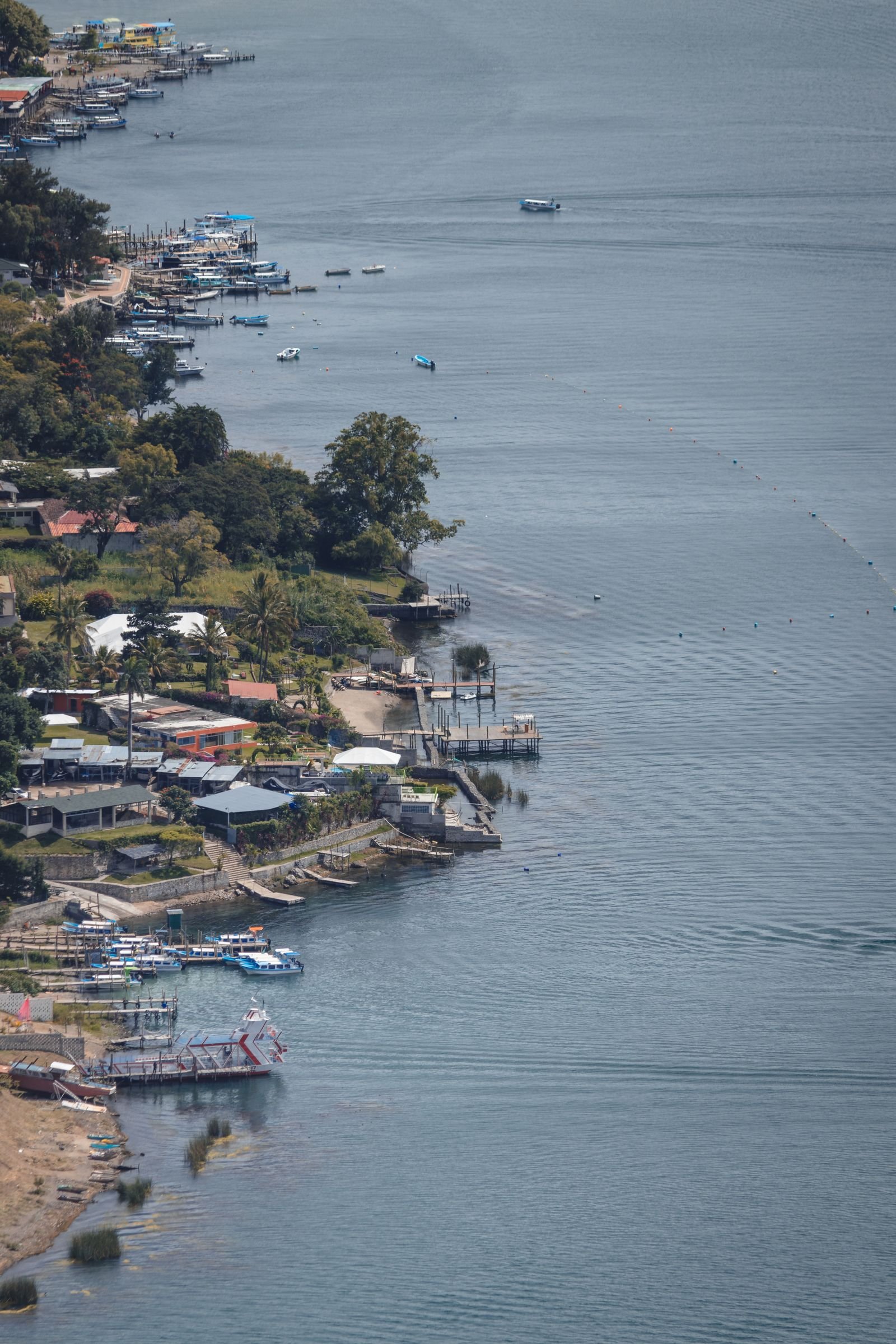
Lake Atitlan is often described as the most beautiful lake in the world, and it is easy to see why. Set in the highlands of Guatemala, the lake is ringed by three volcanoes, Toliman, Atitlan, and San Pedro, and its shores are dotted with Maya villages where people still speak their own languages, wear traditional dress, and weave textiles by hand. The water is deep and blue, the air is clear, and the light changes with the hour, from soft morning mist to golden afternoon sun.
For travellers, Lake Atitlan is one of the most rewarding places in Central America. It is a lake of villages and of volcanoes, where you can take a boat from one village to the next, hike to a viewpoint at dawn, swim in the lake, and learn about Maya culture from the people who live there. It is also a lake that rewards slowing down, with cafes, yoga studios, and quiet guesthouses where you can spend a day doing very little at all.
This guide covers Lake Atitlan in full, from where to go and when to visit to the best villages, hikes, and practical tips. Whether you are travelling from Antigua or from Guatemala City, the lake is an easy journey, and it is a place that many visitors end up staying in for far longer than they planned.
Where Is Lake Atitlan and Why Visit?
Lake Atitlan lies in the Solola department of Guatemala, in the western highlands, about 130 kilometres from Guatemala City. It is the deepest lake in Central America, with a maximum depth of about 340 metres, and it was formed by a volcanic eruption about 84,000 years ago. The lake is surrounded by steep, forested slopes, and its three volcanoes dominate the view from every shore.
The lake’s villages are as much a part of its appeal as its scenery. Each village has its own character: Panajachel is the main town, with hotels, restaurants, and markets; San Pedro La Laguna is a backpacker hub, with cafes and language schools; San Marcos La Laguna is known for yoga and wellness; Santiago Atitlan is the largest village, with a strong Maya culture; and San Juan La Laguna is known for its textiles and its coffee.
What makes Lake Atitlan special is the way its natural beauty and its culture are intertwined. The lake is a sacred place for the Maya, and its villages are living communities where people fish, farm, weave, and welcome visitors into their homes. A visit to the lake is a chance to meet these communities, to learn about their way of life, and to see a world that is both ancient and alive.
What Makes Lake Atitlan Special?
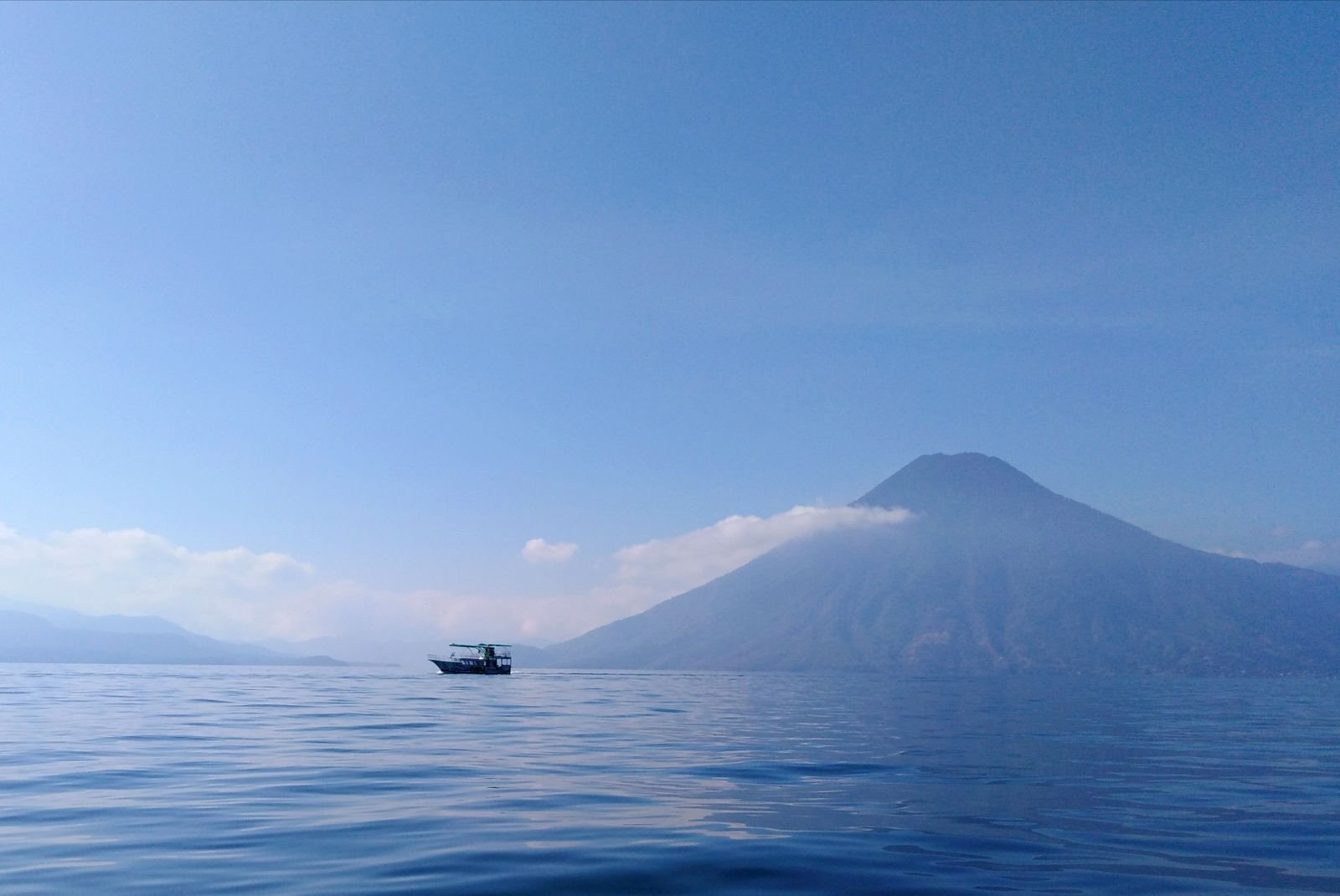
The volcanoes of Lake Atitlan are its most striking feature. San Pedro, at 3,020 metres, is the most climbed, with a trail that rises through forest and coffee plantations to a summit with a view of the whole lake. Toliman and Atitlan are higher and more remote, and they are best climbed with a guide. The view from the summit of San Pedro, with the lake below and the other volcanoes in the distance, is one of the best in Central America.
The lake’s villages are another highlight. Each village has its own language, its own dress, and its own traditions, and a boat ride from one village to the next is a journey through different worlds. In San Juan La Laguna, you can visit a weaving cooperative, a coffee cooperative, and a medicinal plant garden, and you can learn how the village’s women make textiles from cotton and from natural dyes.
Then there is the lake itself. The water is clear and warm, and it is good for swimming, kayaking, and paddleboarding. The lake is also a good place for birdwatching, with more than 100 species of birds, including the horned grebe, which is found only in Lake Atitlan. The lake’s calm mornings are the best time for a boat ride, when the water is still and the volcanoes are reflected in the surface.
Best Things to Do on Lake Atitlan
Start with the boats. The public lanchas, or boats, run between the villages, and a day of hopping from one village to the next is the best way to see the lake. Take a boat from Panajachel to San Pedro, walk around the village, then take a boat to San Juan, where you can visit the weaving and coffee cooperatives, and then take a boat to Santiago, where you can visit the church and the market.
For hiking, climb San Pedro volcano, a day hike with a view of the whole lake, or hike to the Indian’s Nose, a viewpoint above San Juan that is best at sunrise, when the sun rises over the lake and the volcanoes. The hike to the Indian’s Nose is short but steep, and it is best done with a guide, as the trail is not always clear.
For culture and food, visit the markets in Panajachel and in Santiago, where you can buy textiles, pottery, and food, and try the local dishes, such as pepian, a rich stew, and atol, a warm corn drink. Visit a coffee farm, where you can learn how coffee is grown and processed, and take a Spanish class in San Pedro, where the language schools are some of the best in Guatemala.
Best Time to Visit Lake Atitlan
The best time to visit Lake Atitlan is during the dry season, from November to April, when the skies are clear, the days are sunny, and the lake is calm. December to February is the busiest time, with the best weather and the most visitors, while November and March to April are quieter, with good weather and fewer people. The dry season is also the best time for hiking and for boat trips, as the trails are dry and the lake is calm.
The wet season, from May to October, brings rain in the afternoons, but the mornings are often clear, and the landscape is at its greenest. The lake is at its highest in the wet season, and the villages are at their most colourful. Whichever season you choose, remember that the lake is at 1,562 metres, so the sun is strong during the day and the temperature drops at night. Pack layers, a warm jacket, and sun protection, and check the weather before a hike, as rain can make the trails slippery.
How to Get to Lake Atitlan and Get Around
Most visitors reach Lake Atitlan from Antigua or from Guatemala City. From Antigua, the journey takes about two to three hours by shuttle or by bus, with a change in Panajachel, the main town on the lake. From Guatemala City, the journey takes about three to four hours, also via Panajachel. Shuttles are the easiest way to travel, and they can be booked through hotels and agencies in Antigua and in Guatemala City.
Once on the lake, the best way to get around is by boat. The public lanchas run between the villages, and they are cheap, frequent, and scenic. Private boats can be hired for a day, and they allow you to visit the villages at your own pace. Walking is pleasant in the villages, where the pace is slow and the views are everywhere, but for travelling between villages, a boat is essential, as the roads around the lake are steep and winding.
Where to Stay on Lake Atitlan
Panajachel is the best base for most visitors, with the widest choice of hotels, restaurants, and shops, and with easy access to boats to the other villages. San Pedro La Laguna is a good base for backpackers, with hostels, cafes, and language schools, while San Marcos La Laguna is a good base for yoga and wellness, with quiet guesthouses and a peaceful atmosphere.
For a quieter stay, consider San Juan La Laguna or Santiago Atitlan, where the guesthouses are smaller and the villages are more traditional. Book ahead in the dry season, especially in December and January, as the best hotels fill up quickly. Wherever you stay, ask for a room with a view of the lake and the volcanoes, as the view from your window is one of the great pleasures of a stay on Lake Atitlan.
Wildlife and Nature on Lake Atitlan
Lake Atitlan is home to a rich range of wildlife, adapted to high altitude and to a volcanic landscape. The lake has more than 100 species of birds, including the horned grebe, which is found only in Lake Atitlan, the Clark’s grebe, the great blue heron, and the belted kingfisher. The forests around the lake are home to howler monkeys, coatis, and ocelots, and the lake’s shores are a haven for butterflies and for hummingbirds.
The lake’s volcanoes are also home to wildlife, with forests that are rich in orchids, bromeliads, and ferns, and with birds such as the resplendent quetzal, Guatemala’s national bird, which lives in the cloud forest above the lake. The lake’s clear water and its high-altitude light make it one of the most beautiful lakes in the world, and its wildlife is a reminder of how special high-altitude ecosystems are.
Practical Tips for Visiting Lake Atitlan
Respect the Maya culture of the lake. Each village has its own language and traditions, so ask before photographing people, dress modestly in the villages, and buy textiles and crafts directly from the makers. Learn a few words of Spanish, and a greeting in the local Maya language, such as Tz’utujil or Kaqchikel, will be appreciated.
Stay safe on the lake and on the trails. The lake can be rough in the afternoon, when the wind picks up, so take boat trips in the morning when the water is calm. For hikes, go with a guide, especially for San Pedro volcano and for the Indian’s Nose, as the trails are not always marked and the area has had safety concerns in the past. Carry water, sun protection, and a warm layer, as the weather can change quickly.
Finally, bring cash, as ATMs are limited outside Panajachel and San Pedro, and cards are rarely accepted in the smaller villages. The Guatemalan quetzal is the local currency, and US dollars are accepted in some places, although the exchange rate is better in Antigua and in Guatemala City. A small amount of cash for boats, markets, and textiles will make your visit much smoother.
More Lakes and Waterfalls
If Lake Atitlan has given you a taste for great lakes and waterfalls, there are many more to explore. Lake Bled in Slovenia is a small, beautiful lake with an island church and a castle on a cliff, while Iguazu Falls in Argentina and Brazil is one of the greatest waterfall systems in the world, with hundreds of falls in a subtropical forest. Both are very different from Atitlan, and both show how varied the world’s lakes and waterfalls can be.
Frequently Asked Questions About Lake Atitlan
Is Lake Atitlan safe for tourists? Yes, Lake Atitlan is generally safe for visitors, with low levels of violent crime in the villages. Take the usual precautions with valuables, use licensed boats and guides for hikes, and check the latest travel advice before you go, as the safety situation in Guatemala can change.
Do I need a visa to visit Guatemala? Most visitors do not need a visa for Guatemala for short stays, although the rules depend on your nationality. Check the current rules for your nationality before you travel, and make sure your passport is valid for at least six months.
What is the best village to stay in on Lake Atitlan? Panajachel is the best base for most visitors, with the widest choice of hotels and the easiest access to boats. San Pedro is best for backpackers and for language schools, San Marcos is best for yoga and wellness, and San Juan is best for textiles and for a quieter stay.
How many days do I need on Lake Atitlan? Three to five days is ideal, with time for boat trips to the villages, a hike to San Pedro or to the Indian’s Nose, and at least one slow day with no plans. A week allows a slower pace and a Spanish course or a volunteering project.
Can I swim in Lake Atitlan? Yes, the lake is good for swimming, kayaking, and paddleboarding, especially in the mornings when the water is calm. The water is clean in most places, although it is best to swim away from the towns and to check with locals about the water quality in the area where you are staying.
Conclusion
Lake Atitlan is a lake that lives up to its reputation. Its volcanoes, its villages, and its Maya culture make it one of the most rewarding places in Central America, and a visit there is a chance to see a world that is both beautiful and alive. Whether you come for the boats, the hikes, the textiles, or simply to watch the sun rise over the lake, Lake Atitlan has a way of staying with you. Plan well, travel respectfully, and leave room for the unexpected, because on Lake Atitlan, the best moments are often the ones you did not plan.