Yala National Park, Sri Lanka: Complete Guide to Leopard Safaris, Elephants and the Coast
Yala National Park is the wild heart of Sri Lanka, and it is one of the best places in Asia to see a leopard in the wild. The park covers almost a thousand square kilometres of forest, grassland, lagoons and coastline in the south-east of the island, and it is home to the highest density of leopards anywhere in the world. On a good morning, a jeep safari through Yala can bring you face to face with a leopard sprawled on a rock, an elephant crossing the track, a sloth bear shuffling through the scrub and a crocodile basking on a riverbank, all before breakfast. For wildlife lovers, Yala National Park is the single most rewarding destination in Sri Lanka.
What makes Yala National Park so special is the combination of wildlife, landscape and history. The park is not only a leopard reserve: it is a mosaic of habitats, from dry monsoon forest and open grassland to freshwater lagoons and a wild coastline where the Indian Ocean meets the jungle. Ancient tanks, rock temples and ruins are scattered through the park, reminders that this was once a kingdom, and the coastline is one of the wildest in Sri Lanka, with empty beaches where turtles nest and the sea crashes on the rocks. Whether you come for the leopards, the elephants, the birds or the sheer feeling of being in a truly wild place, Yala delivers.
Where Is Yala National Park?
Yala National Park lies in the south-east of Sri Lanka, in the Southern and Uva provinces, about 260 kilometres from Colombo and about 25 kilometres from the town of Tissamaharama, which is the main gateway to the park. The park is divided into five blocks, of which Block 1 is the most visited and the best for leopards, while the other blocks are quieter and wilder. The park borders the Indian Ocean to the south, and its coastline is a long stretch of empty beach and dunes, broken by lagoons and rocky headlands. The main entrance is at Palatupana, near Tissamaharama, and most safaris start from there.
The landscape of Yala is varied and beautiful. The interior is dry monsoon forest, with trees that lose their leaves in the dry season, interspersed with open grassland, rocky outcrops and small lakes known as tanks, which are the focus of much of the wildlife. The coastline is a different world, with sand dunes, lagoons and the sea, and the park is home to a remarkable range of habitats in a relatively small area. The park is also rich in history: the ancient rock temple of Sithulpawwa, inside the park, was a place of pilgrimage for thousands of years, and the ruins of ancient settlements are found throughout Yala.
Why Visit Yala National Park?
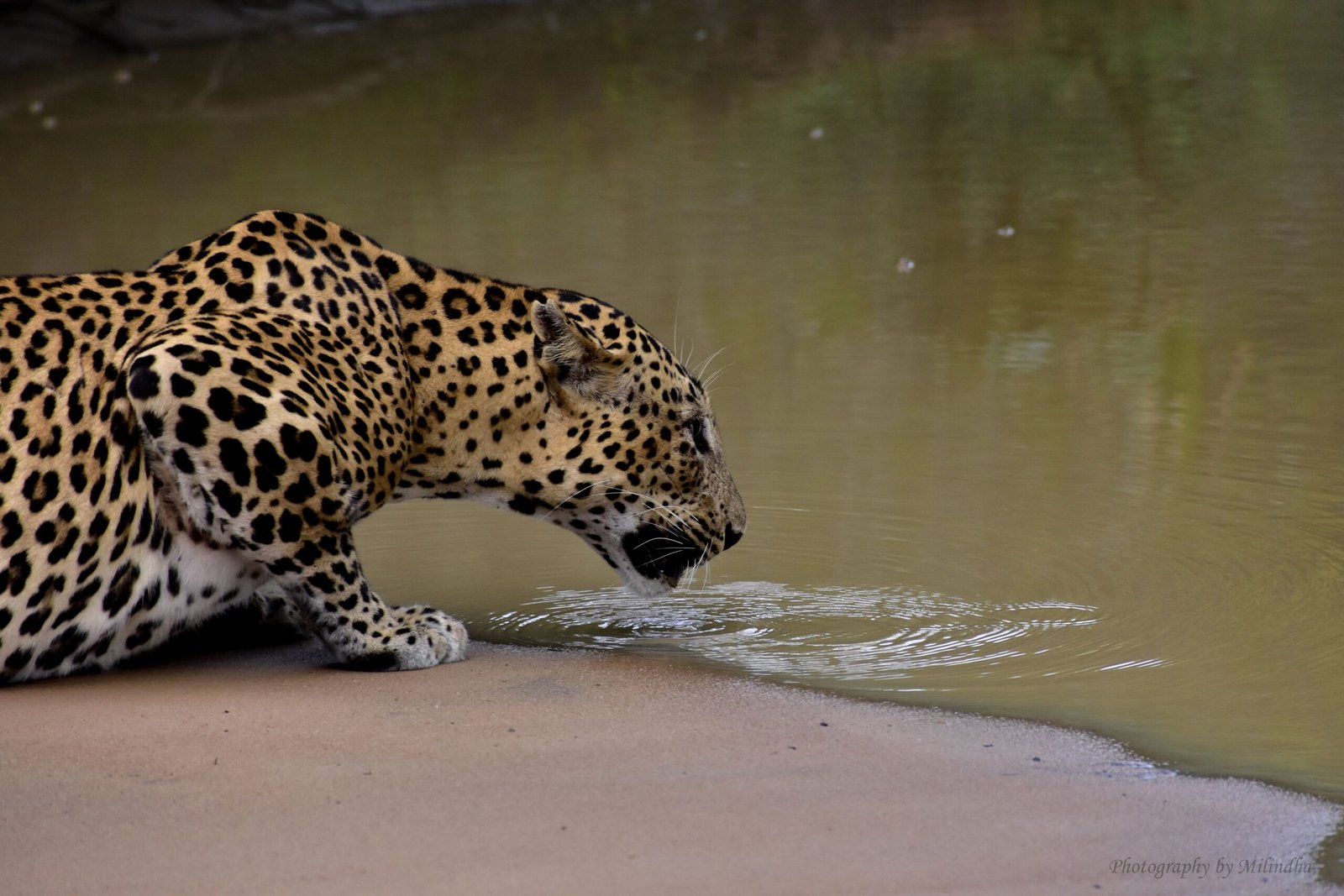
People come to Yala National Park for the leopards, and the leopards rarely disappoint. The Sri Lankan leopard is a distinct subspecies, and Yala has the highest density of leopards in the world, so the chance of seeing one on a safari is better here than almost anywhere else in Asia. The leopards of Yala are also unusually bold, often resting on rocks and trees in the open, and the guides and trackers know their territories well. A leopard sighting in Yala is a moment of pure theatre: the spotted cat, the stillness of the forest, and the excitement of the jeeps gathering quietly around it.
But Yala is much more than leopards. The park has one of the largest elephant populations in Sri Lanka, with herds that gather at the tanks in the dry season, and it is one of the best places in the country to see sloth bears, which are rare and elusive elsewhere. The birdlife is superb, with more than two hundred species, including peacocks, painted storks, hornbills and eagles, and the lagoons are home to crocodiles, water buffalo and a host of waterbirds. Yala is a park that rewards patience and a good guide, and it is a place where every safari is different.
Leopards of Yala
The leopard is the star of Yala National Park, and the park’s reputation rests on it. The Sri Lankan leopard is larger and bolder than its relatives elsewhere in Asia, and it is the top predator in Sri Lanka, with no tigers or lions to compete with. In Yala, the leopards are most often seen in Block 1, where the rocky outcrops and the tanks provide good hunting and good viewpoints. The best time to see them is in the early morning and the late afternoon, when they are most active, and the dry season, when the vegetation is thinner and the animals gather at the water, is the best season.
Seeing a leopard takes luck, patience and a good tracker. The guides in Yala are expert at reading the signs: the alarm calls of monkeys and deer, the tracks on the road, the pugmarks in the dust. When a leopard is found, the jeeps gather quietly, and the guides keep a respectful distance, so that the animal is not stressed. It is important to choose a safari operator that follows the park rules and does not crowd the animals, as the popularity of Yala has put pressure on the leopards. A responsible safari is not only better for the wildlife, it is also a better experience, as the leopard is more likely to behave naturally when it is not surrounded.
Elephants and Other Wildlife of Yala
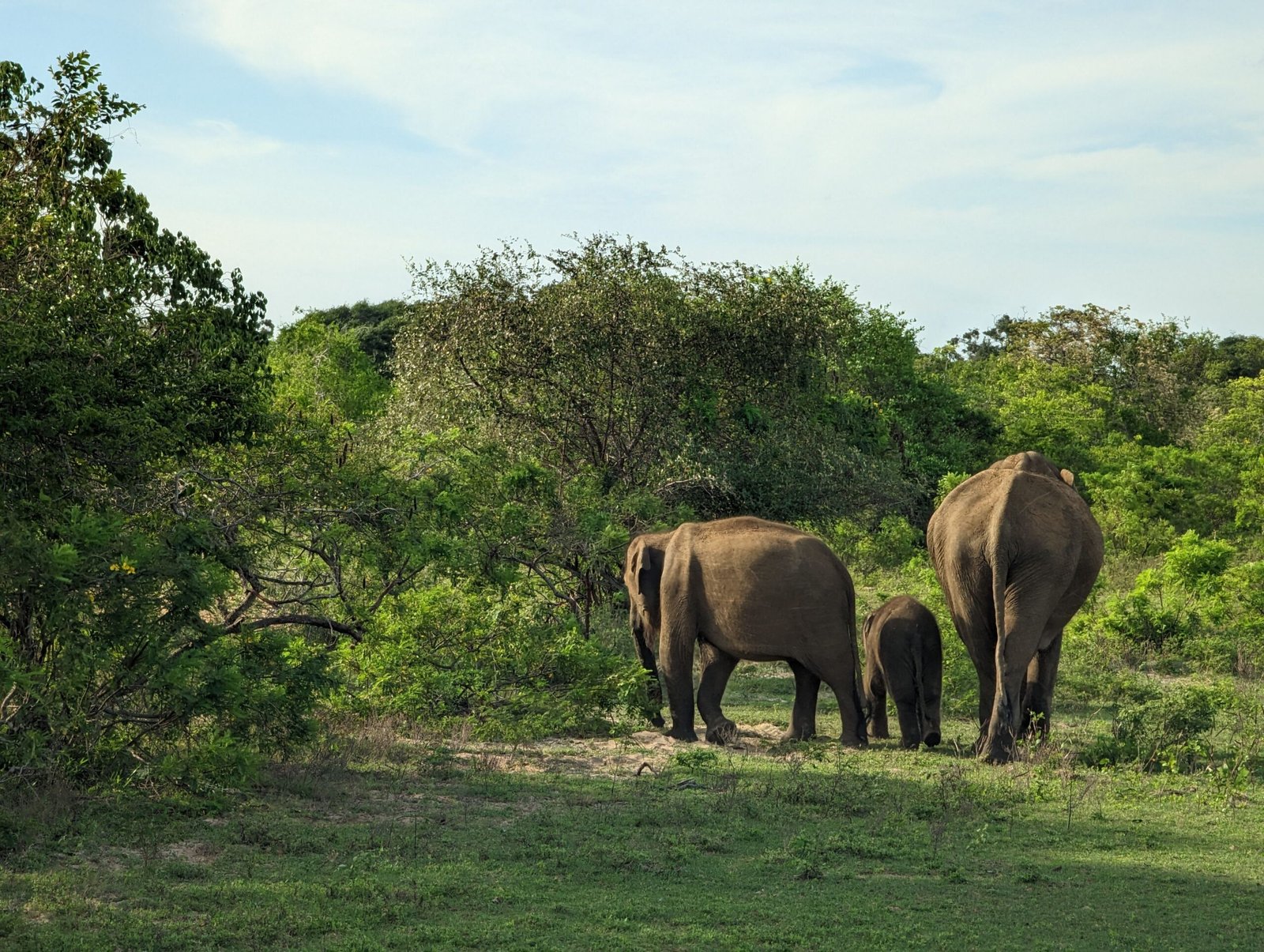
Yala National Park is home to a large population of Sri Lankan elephants, and they are one of the great sights of the park. The elephants are most often seen at the tanks, where they come to drink and bathe, and in the grasslands, where they graze in herds. The dry season, from February to July, is the best time to see them, as they gather at the remaining water, and the sight of a herd of elephants, with calves in the middle and the matriarch leading, is a highlight of any safari. The elephants of Yala are wild and should be treated with respect, and your guide will keep a safe distance.
Other wildlife in Yala includes the sloth bear, which is most often seen in the fruiting season, when it comes down from the trees to feed, and the mugger crocodile, which basks on the banks of the rivers and lagoons. The park is also home to spotted deer, sambar, wild boar, water buffalo, jackals and mongooses, and the birdlife is among the best in Sri Lanka. The lagoons are a good place for waterbirds, including pelicans, painted storks and spoonbills, and the coastline is a nesting site for sea turtles. Every safari in Yala is a chance to see something unexpected, and the guides are as excited as the visitors when a rare animal appears.
Safari Blocks and Routes in Yala
Yala National Park is divided into five blocks, and each has a different character. Block 1 is the most visited, and it is the best for leopards, as it has the highest density of the cats and the most developed road network. The block includes the coast, the lagoons and the tanks, and it is the area that most safaris visit. Block 2, which is reached through Block 1, is quieter and wilder, with fewer jeeps and a greater sense of wilderness, and it is a good choice for a second safari. Blocks 3, 4 and 5 are less visited, and they require a separate entrance and a longer drive, but they offer a more remote experience.
Safaris in Yala are by jeep, with a driver and a tracker, and they run in the morning and the afternoon. A morning safari starts at dawn, when the park opens, and lasts about four hours, while an afternoon safari runs from mid-afternoon to sunset. A full-day safari, which includes a packed lunch and a break in the middle of the day, is the best way to see the park, as it gives you more time and access to the quieter areas. The roads in the park are rough, and the jeeps are open-sided, so bring sun protection, a hat and a light jacket for the early morning. The best safaris are the ones that take their time, and a good guide is worth more than a fast jeep.
Best Time to Visit Yala National Park
The best time to visit Yala National Park is the dry season, from February to July, when the water levels are low, the animals gather at the tanks, and the vegetation is thinner, making the wildlife easier to spot. The leopard sightings are at their best in the dry season, and the elephants are most visible when they come to the water. The park is at its busiest in the dry season, especially around the holiday periods, so book your safari and your accommodation well in advance, and consider a weekday visit if you can.
The wet season, from September to December, brings rain and lush vegetation, and the park is often closed for a period in September and October, when the animals are breeding and the roads are being repaired. The closure dates vary each year, so check before you travel. The shoulder months of January and August can be good too, with fewer visitors and still good wildlife viewing. The park is hot all year, with temperatures in the high twenties and low thirties Celsius, and the mornings and evenings are the most comfortable times for a safari.
How to Get to Yala National Park
Most visitors reach Yala National Park through the town of Tissamaharama, which is about 260 kilometres from Colombo and about 25 kilometres from the park entrance. The drive from Colombo takes about five hours, via the Southern Expressway and the south coast, and it is a scenic journey through the towns and villages of the south. From the east coast, the drive from Arugam Bay takes about three hours, and from the south coast resorts of Mirissa and Tangalle, the drive is about two hours. Public buses run to Tissamaharama from Colombo and the south coast, and taxis and private drivers are widely available.
Once you are in Tissamaharama, your hotel or safari operator will arrange the jeep and the park permits, and the drive to the entrance at Palatupana takes about half an hour. The park entrance opens at dawn, and the morning safaris leave early, so stay in Tissamaharama or in one of the lodges near the park the night before. The town of Kataragama, a sacred town for Hindus, Buddhists and Muslims, is nearby, and it is worth a visit for its temples and its atmosphere, especially during the festival season.
Where to Stay Near Yala National Park
The best places to stay for a Yala safari are in Tissamaharama and in the lodges and camps near the park entrance. Tissamaharama has a range of hotels, guesthouses and hostels, from simple family-run places to comfortable hotels with pools, and it is the most convenient base, with restaurants, shops and tour operators. The lodges near the park, including tented camps and eco-lodges, offer a more immersive experience, with the sounds of the jungle at night and the chance to see wildlife around the camp, and they are a good choice if you want to be close to the park for an early start.
For a special stay, consider one of the luxury tented camps near Yala, which offer comfortable tents, good food and a real safari atmosphere, with the chance to hear leopards and elephants at night. Budget travellers will find good guesthouses in Tissamaharama, and self-catering apartments are also available. Wherever you stay, book in advance in the dry season, when the best places fill up quickly, and choose a place that works with a reputable safari operator, as the quality of the guide makes all the difference.
Practical Tips for a Yala Safari
Pack for a safari: light, neutral-coloured clothes, a hat, sunscreen, insect repellent, binoculars and a camera with a zoom lens. The jeeps are open, so you will be exposed to the sun and the dust, and the mornings can be cool, so bring a light jacket. Bring water and snacks, though many operators provide them, and bring cash for the park entrance fees and tips. Do not wear bright colours or strong perfume, as they can disturb the animals, and keep your voice down when wildlife is near.
Respect the park rules: stay in the jeep, do not feed the animals, do not litter, and follow your guide’s instructions at all times. The leopards and elephants of Yala are wild animals, and they deserve space and quiet. Choose a safari operator that follows responsible practices, does not crowd the animals, and does not use bait or calls to attract them. The best safari is the one that leaves the wildlife undisturbed, and the memories of a leopard seen in the wild, on its own terms, are the ones that last.
If you liked Yala National Park, you will also enjoy our guides to Ranthambore National Park and to Kruger National Park.
Conclusion
Yala National Park is the wild heart of Sri Lanka, and it is a place that stays with you. It is the leopard on the rock, the elephants at the waterhole, the sloth bear in the scrub, the peacocks calling at dawn and the wild coastline where the jungle meets the sea. It is a park that rewards patience, a good guide and a respect for the animals, and it is one of the best wildlife destinations in Asia. Visit in the dry season, choose a responsible operator, take a full-day safari if you can, and let Yala show you why it is loved by everyone who visits.
Frequently Asked Questions
What is the best time to see leopards in Yala?
The dry season, from February to July, is the best time, when the vegetation is thinner and the leopards are easier to spot. Early morning and late afternoon safaris offer the best chances, as the leopards are most active then.
How likely am I to see a leopard in Yala?
Yala has the highest leopard density in the world, and the chance of a sighting on a safari is good, especially in Block 1 in the dry season. Sightings are never guaranteed, as leopards are wild animals, but most visitors who take two or three safaris see at least one.
How many days do you need in Yala?
Two to three days is ideal, with two or three safaris. That gives you a good chance of seeing leopards, elephants and sloth bears, and time to explore the different blocks of the park.
Is Yala National Park closed at any time of year?
Yes, the park is usually closed for a period in September and October, for the breeding season and for road repairs. The exact dates vary each year, so check before you travel.
Can I do a safari in Yala without a guide?
No. All visitors must enter the park in a jeep with a licensed driver and tracker, and you must book through a registered operator. Self-driving is not allowed in Yala National Park.