Blyde River Canyon, South Africa: The Complete Guide to the Three Rondavels, God’s Window and the Panorama Route
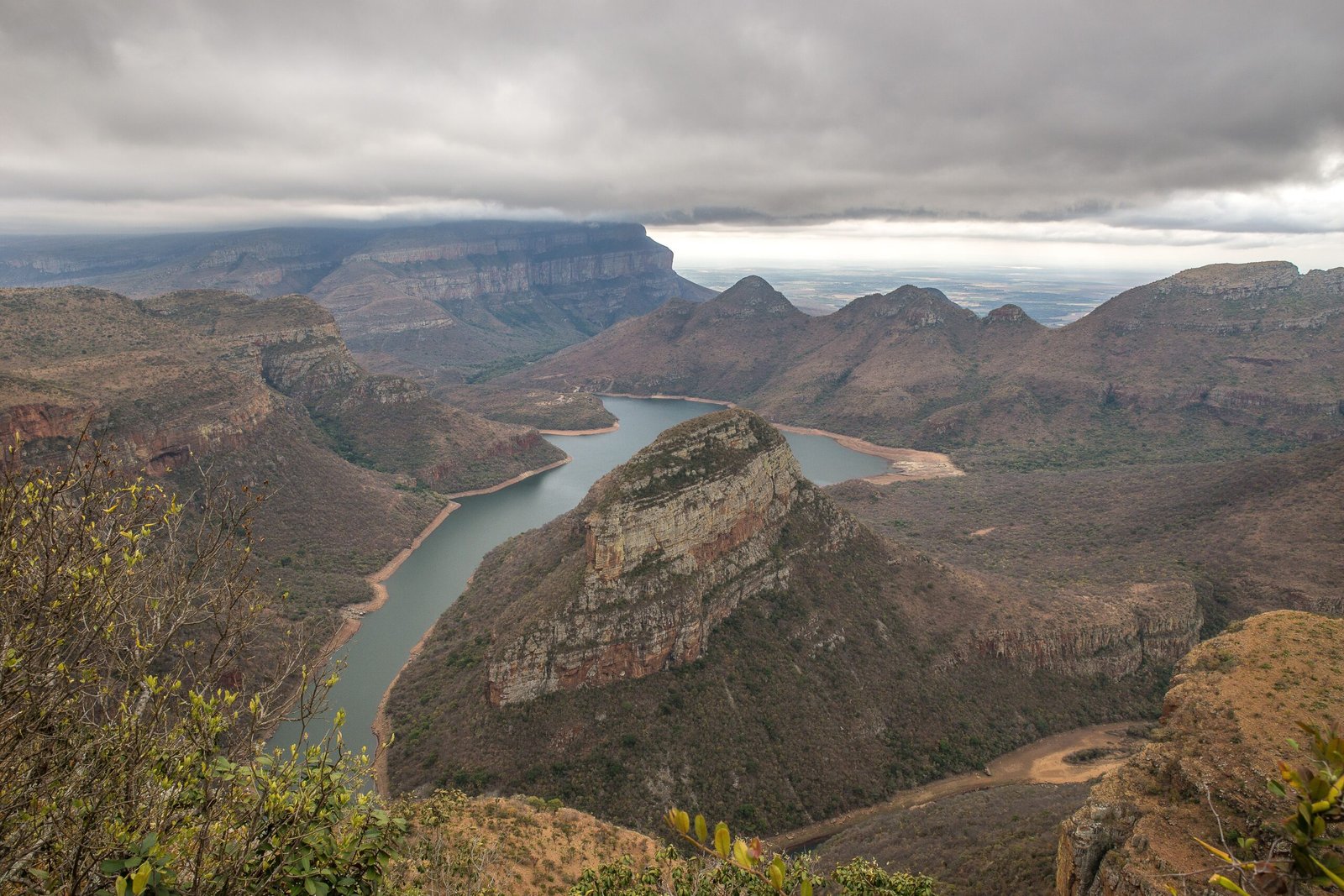
Blyde River Canyon is one of the largest canyons in the world, and a visit to Blyde River Canyon is a journey along one of South Africa’s most spectacular roads. The canyon is about 26 kilometres long and up to 800 metres deep, with cliffs, waterfalls, forests and a river that winds through the valley floor, and it is the greenest canyon in the world, with subtropical vegetation, mist and wildlife. The Panorama Route, which runs along the edge of the escarpment, links a string of viewpoints, waterfalls and natural wonders, each more impressive than the last.
What makes Blyde special is its variety and its accessibility. You can stand at God’s Window and look out over the Lowveld, walk through the strange rock formations at Bourke’s Luck Potholes, and photograph the Three Rondavels, three huge peaks that rise above the Blyde River, all in a single day. The canyon is also part of a larger landscape that includes the Kruger National Park, the Drakensberg escarpment and the historic gold mining towns of the region. This guide covers the best viewpoints, walks, waterfalls and practical tips for a first visit to Blyde River Canyon.
Where Is Blyde River Canyon?
Blyde River Canyon lies in Mpumalanga province in northeastern South Africa, about 400 kilometres east of Johannesburg and about 60 kilometres west of the Kruger National Park. The canyon is part of the Drakensberg escarpment, where the high plateau of the interior drops steeply down to the Lowveld, and it is protected as part of the Blyde River Canyon Nature Reserve, which covers more than 29,000 hectares. The Blyde River, also known as the Motlatse River, flows through the canyon, and it is joined by the Treur River, which means river of sorrow, at Bourke’s Luck Potholes.
The main towns near the canyon are Graskop, which is the gateway to the Panorama Route, Sabie, which is known for its waterfalls and forests, and Hoedspruit, which is a base for Kruger safaris. The Panorama Route, the R534 and R532 roads, runs from Graskop northwards along the escarpment, past God’s Window, the Pinnacle, Bourke’s Luck Potholes and the Three Rondavels, before descending to the Lowveld. The canyon is easy to reach by car from Johannesburg, and it is a popular stop on the way to Kruger, although it deserves at least a full day in its own right.
Why Visit Blyde River Canyon?
Blyde River Canyon is the third largest canyon in the world, after the Grand Canyon and the Fish River Canyon, and it is the largest green canyon in the world, with lush vegetation, rivers and waterfalls. The canyon’s scale is impressive, with cliffs rising hundreds of metres above the river, and its colours change with the light, from green and gold in the morning to red and orange in the late afternoon. The viewpoints along the Panorama Route offer some of the best views in South Africa, and the waterfalls, forests and rock formations add variety to the landscape.
The canyon is also rich in wildlife and history. The reserve is home to leopards, baboons, vervet monkeys, klipspringers, kudu, bushbuck and many species of birds, including the rare Taita falcon, which nests on the cliffs. The area has a history of gold mining, with the towns of Graskop, Sabie and Pilgrim’s Rest dating from the gold rush of the 1870s, and the region’s forests, waterfalls and viewpoints are a reminder of South Africa’s natural and cultural heritage. For a first time visitor to South Africa, Blyde is an ideal introduction to the country’s landscapes, and it pairs perfectly with a Kruger safari.
The Three Rondavels and God’s Window
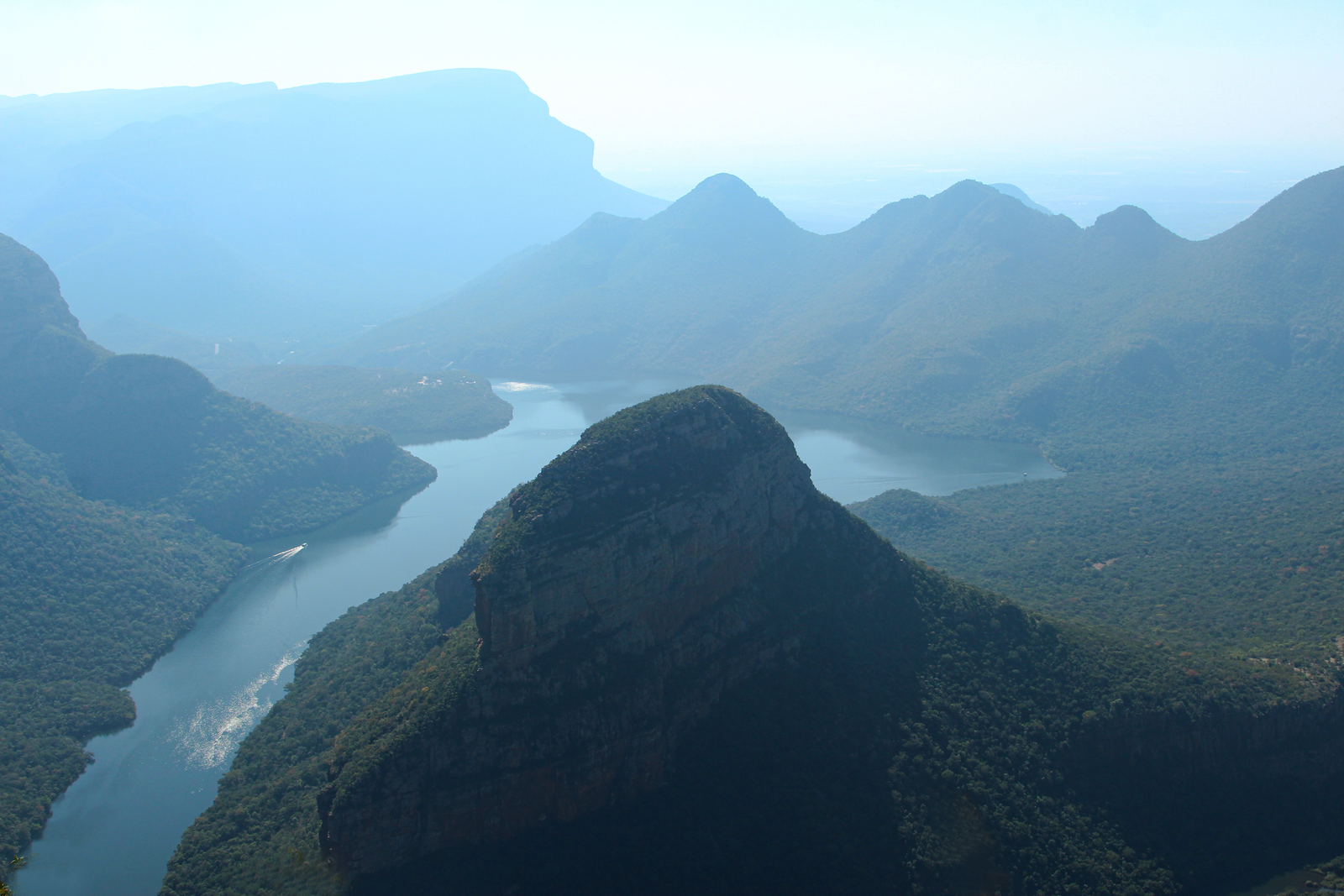
The Three Rondavels are the most famous viewpoint in Blyde River Canyon, and they are one of the most photographed places in South Africa. The viewpoint looks across the canyon to three huge, round topped peaks, which are named Magabolle, Mogoladikwe and Maseroto, after the wives of a local chief, and which resemble the round huts, or rondavels, of the region. The view from the viewpoint is panoramic, with the Blyde River winding through the canyon below, the dam in the distance and the Drakensberg escarpment rising on either side. The best time to visit is in the morning, when the light is soft and the mist is lifting from the canyon.
God’s Window, further south on the Panorama Route, is another famous viewpoint, with a view that stretches across the Lowveld to the Kruger National Park and, on a clear day, to Mozambique. The viewpoint is at the edge of a cliff, with a sheer drop below, and it is surrounded by rainforest, with a short walk through the forest to the viewpoint. The name comes from the feeling that you are looking out over the world from a window in the sky, and it is easy to see why. The Pinnacle, a tall, freestanding rock pinnacle, is nearby, and it is also worth a stop. Allow time for all three viewpoints, because each offers a different perspective on the canyon.
Bourke’s Luck Potholes, Lisbon Falls and the Waterfalls
Bourke’s Luck Potholes are one of the most unusual places in Blyde River Canyon, and they are a highlight of the Panorama Route. The potholes are cylindrical holes in the rock, formed by the swirling water of the Treur and Blyde rivers, which meet at this point. The potholes are deep, round and smooth, and they are linked by bridges and walkways that let you look down into them and across the river. The name comes from Tom Bourke, a gold prospector who found gold in the area in the 1880s, although he never made his fortune. The potholes are best visited in the morning, when the light is good and the crowds are smaller.
The Panorama Route is also famous for its waterfalls, which are among the most beautiful in South Africa. Lisbon Falls, near Graskop, is the highest waterfall in Mpumalanga, dropping 94 metres in three streams, while Berlin Falls, also near Graskop, is a tall, narrow fall that drops into a green pool. The Mac Mac Falls, the Horseshoe Falls and the Bridal Veil Falls are also worth a visit, and they are all easily accessible from the road. The waterfalls are at their best after rain, when the water flow is high, and they are a refreshing stop on a hot day. The forest around the waterfalls is lush and green, with ferns, mosses and wildflowers.
Hiking, Wildlife and the Blyde River Canyon Nature Reserve
The Blyde River Canyon Nature Reserve offers some of the best hiking in Mpumalanga, with trails that range from short walks to multi day hikes. The Leopard Trail, a popular day hike, follows the edge of the canyon and offers views of the Three Rondavels and the Blyde River, while the Belvedere Day Walk, near Graskop, passes through forest and past waterfalls. The reserve also has a network of trails around Bourke’s Luck Potholes and God’s Window, and the walks are well marked and maintained. Always check the weather and the trail conditions before you hike, because the escarpment can be misty and the paths can be slippery after rain.
Wildlife in the reserve includes leopards, which are shy but are sometimes seen, baboons, vervet monkeys, klipspringers, kudu, bushbuck and many species of birds. The cliffs are home to the Taita falcon, one of the rarest birds of prey in Africa, and the reserve is a good place for birdwatching, especially in the early morning. The Blyde River itself is home to crocodiles and hippos in the lower reaches, and the dam is a popular place for boating and fishing. The reserve is a place to slow down, to walk, to watch the birds and to enjoy the views, rather than to rush from one viewpoint to the next.
Best Time to Visit Blyde River Canyon
The best time to visit Blyde River Canyon is in the dry winter months, from May to September, when the skies are clear, the air is crisp and the views are at their best. The winter is also the best time for hiking, because the temperatures are mild and the paths are dry, although the mornings can be cold, especially on the escarpment. The summer, from October to April, is hot and humid, with afternoon thunderstorms and mist on the escarpment, which can obscure the views, although the waterfalls are at their fullest and the forest is at its greenest.
For the best balance of clear views, pleasant weather and full waterfalls, consider visiting in April, May, September or October, when the seasons are changing and the crowds are smaller. The Panorama Route is popular year round, especially on weekends and in school holidays, so visit on a weekday if you can, and start early in the morning, when the light is best and the viewpoints are quiet. The canyon is beautiful in all seasons, but the winter offers the clearest views, and the summer offers the most water in the falls, so the right time depends on what you want to see.
How to Get to Blyde River Canyon and Get Around
Most visitors reach Blyde River Canyon by car from Johannesburg, which takes about four to five hours, depending on traffic and the route. The drive passes through the Highveld, the Drakensberg escarpment and the towns of Graskop and Sabie, and it is scenic, especially as you approach the canyon. Driving is the best way to explore the Panorama Route, because it gives you the freedom to stop at viewpoints, waterfalls and towns at your own pace, and the roads are good, although they can be winding and steep in places.
Public transport to the canyon is limited, so most visitors either drive themselves or join a guided tour from Johannesburg, Nelspruit or Hoedspruit. Guided tours are a good option if you do not want to drive, because they include transport, a guide and visits to the main viewpoints, although they are less flexible than driving yourself. Once you are in the area, the Panorama Route is well signposted, and the viewpoints have parking, toilets and, in some cases, small shops and restaurants. Allow a full day for the route, and plan your stops in advance, because the distances are longer than they appear on the map.
Where to Stay near Blyde River Canyon
Graskop is the main base for the Panorama Route, with a range of hotels, guesthouses, bed and breakfasts and backpackers, and easy access to God’s Window, the Pinnacle, Lisbon Falls and Bourke’s Luck Potholes. It is a small, friendly town with restaurants, shops and a market, and it is a good place to stay for a night or two. Sabie, to the south, is another good base, with hotels, guesthouses and a reputation for waterfalls and forests, and it is quieter than Graskop.
For a more luxurious stay, consider a lodge or a guesthouse with views over the canyon, or a safari lodge near Hoedspruit, which is a base for Kruger safaris and is about an hour from the canyon. There are also campsites and self catering cottages in the reserve and in the surrounding area, which are good for families and for longer stays. Book well ahead in the peak season, especially in the winter and in school holidays, because the area is popular, and check whether your accommodation includes breakfast and a packed lunch for the Panorama Route, because there are few places to eat along the way.
Practical Tips for Visiting Blyde River Canyon
Pack layers, because the weather on the escarpment can change quickly, and bring a rain jacket, sturdy walking shoes, sun protection and a hat. The mornings can be cold and misty, while the days are warm, so layers are essential. Bring water and snacks, because there are few shops along the Panorama Route, and bring cash, because cards are not accepted at all viewpoints. A camera with a wide angle lens is useful for the viewpoints, and binoculars are useful for birdwatching.
Respect the cliffs and the viewpoints, stay behind the fences and barriers, do not climb on the rocks, and do not litter. The escarpment is high and the drops are sheer, so follow the warning signs and keep children close. The viewpoints can be busy, especially on weekends, so be patient and allow time for photographs. Finally, slow down and enjoy the canyon. Take a long walk, sit at a viewpoint and watch the light change, and visit the waterfalls and the potholes, and you will understand why Blyde is one of South Africa’s great natural treasures.
If you liked Blyde River Canyon, you will also enjoy our guides to Drakensberg Mountains and to Kruger National Park.
Conclusion
Blyde River Canyon is a place that rewards a slow journey along the Panorama Route, with time to stop, to walk and to look. Its cliffs, its waterfalls, its forests and its viewpoints form a landscape that is both dramatic and green, and its history and wildlife add depth to the scenery. Stand at God’s Window in the early morning, walk through Bourke’s Luck Potholes, and watch the sun set over the Three Rondavels, and you will understand why Blyde is one of South Africa’s most loved places. Plan for a full day, drive the Panorama Route, and give yourself time to explore. Blyde is ready when you are.
Frequently Asked Questions
Is Blyde River Canyon the largest canyon in the world?
No, Blyde River Canyon is the third largest canyon in the world, after the Grand Canyon in the United States and the Fish River Canyon in Namibia. It is the largest green canyon in the world, with lush vegetation, rivers and waterfalls.
How long is the Panorama Route?
The Panorama Route is about 70 kilometres long, running from Graskop northwards along the escarpment to the Three Rondavels. Most visitors take a full day to drive the route, stopping at God’s Window, the Pinnacle, Bourke’s Luck Potholes and the waterfalls.
Can I hike in Blyde River Canyon?
Yes, the Blyde River Canyon Nature Reserve has several hiking trails, including the Leopard Trail and the Belvedere Day Walk, as well as shorter walks around Bourke’s Luck Potholes and God’s Window. Always check the weather and trail conditions before you hike.
What is the best viewpoint in Blyde River Canyon?
The Three Rondavels viewpoint is the most famous, with a panoramic view across the canyon to the three peaks and the Blyde River below. God’s Window is also outstanding, with a view that stretches across the Lowveld to the Kruger National Park.
When is the best time to visit Blyde River Canyon?
The dry winter months, from May to September, offer the clearest views and the best hiking weather, while the summer, from October to April, offers the fullest waterfalls and the greenest forest. April, May, September and October are good months for a balance of views, weather and crowds.