Lake Garda, Italy: Complete Guide to Sirmione, Riva del Garda and the Best Lakeside Towns
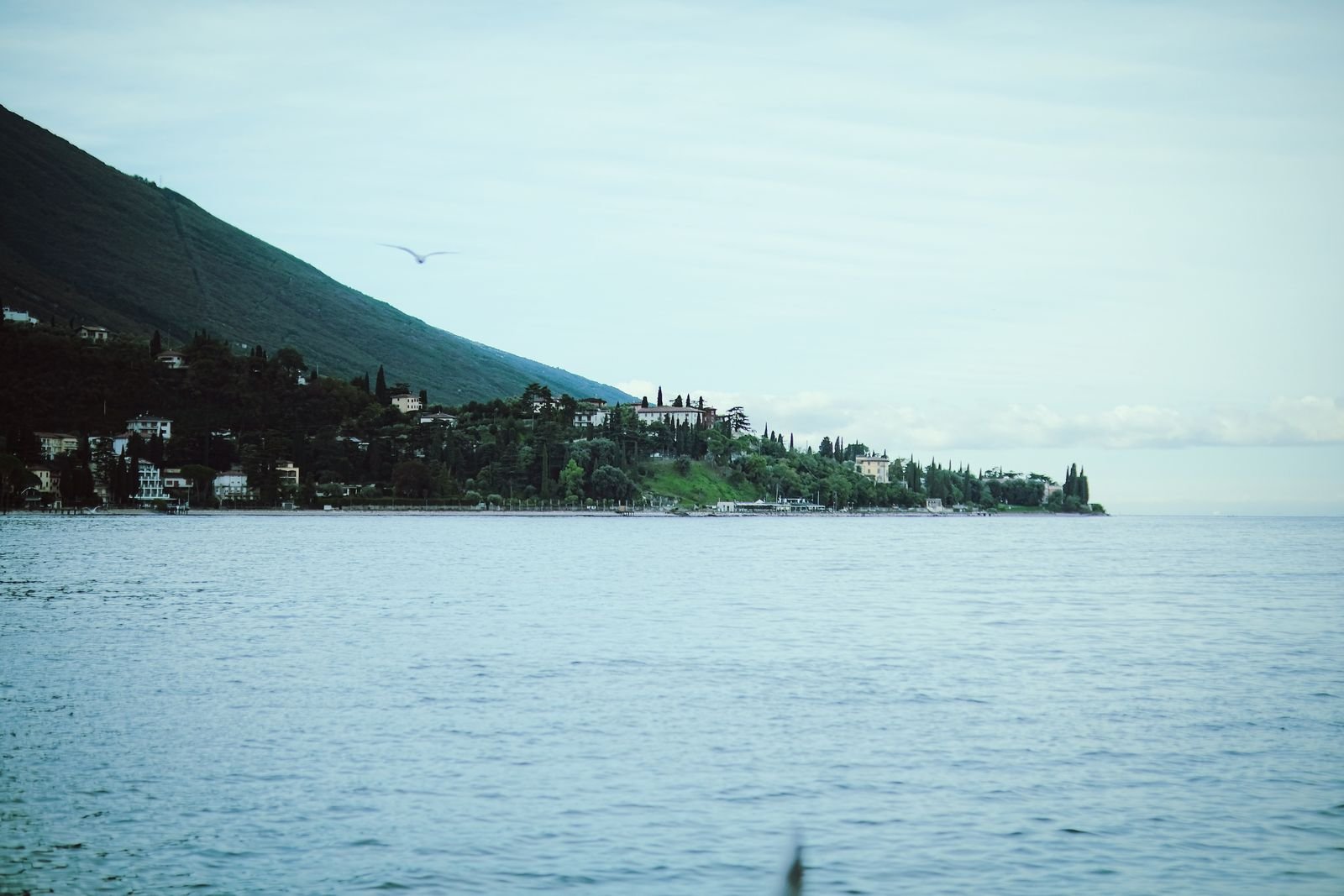
Lake Garda, Italy, is the largest lake in Italy, and it is a place where the Alps meet the Mediterranean. This complete guide to Lake Garda explains how to explore Sirmione, Riva del Garda, Malcesine, and the best lakeside towns, with beaches, hikes, and practical tips for Italy’s most beautiful lake.
Lake Garda is 51 kilometres long, and it changes character from north to south. In the north, the lake is narrow and deep, with steep mountains, cliffs, and the towns of Riva del Garda and Torbole, which are famous for windsurfing and sailing. In the south, the lake is wide and shallow, with beaches, olive groves, vineyards, and the towns of Sirmione, Desenzano, and Peschiera. The lake is surrounded by three regions, Lombardy, Veneto, and Trentino, each with its own food, wine, and culture.
Why Lake Garda Is So Special
Lake Garda is special because it offers a little of everything in one place. You can swim in clear water, hike in the mountains, cycle around the lake, visit castles and Roman ruins, and eat in lakeside restaurants, all in a single day. The lake’s climate is mild, with warm summers and cool winters, and the water is clean and clear, with visibility of up to 20 metres in some places.
The lake is also special because of its history. The Romans built villas on its shores, including the Grotte di Catullo in Sirmione, and the Scaliger family built castles in Sirmione, Malcesine, and Torri del Benaco. In the 19th century, the lake became a popular destination for travellers from northern Europe, who came for the climate, the scenery, and the food. Today, Lake Garda is one of the most popular lakes in Europe, and it is easy to see why.
Wildlife is another reason to come to Lake Garda. The lake is home to many species of fish, including trout, pike, and carp, and the surrounding mountains are home to deer, foxes, and many species of birds. The lake’s olive groves and vineyards are also important, with olive oil and wine produced in the towns around the lake.
Sirmione: Castles, Hot Springs and Roman Ruins
Sirmione is a town on a peninsula in the south of Lake Garda, and it is one of the most beautiful towns on the lake. The town is entered through the Scaliger Castle, a 13th-century fortress with towers, battlements, and a moat, and the old town is a maze of narrow streets, shops, and restaurants. Sirmione is famous for its hot springs, which have been used since Roman times, and for the Grotte di Catullo, the ruins of a Roman villa at the tip of the peninsula.
The Grotte di Catullo is the largest Roman villa in northern Italy, and it offers views over the lake and the mountains. The site includes a museum, with finds from the villa, and a walk through the ruins, with olive groves and views. Sirmione’s beaches, including Jamaica Beach, are popular in summer, with clear water and views of the castle.
Sirmione can be busy in summer, so visit early in the morning or in the evening, when the day-trippers have left. Stay in the old town if you can, and take a boat trip from Sirmione to other towns on the lake, which is the best way to see the lake from the water.
Riva del Garda and the North of the Lake
Riva del Garda is the main town in the north of the lake, with a harbour, a historic centre, and a castle, and it is a good base for the mountains and the water sports of the north. The town is surrounded by steep mountains, and the lake here is deep and narrow, with cliffs and wind. Riva is famous for windsurfing and sailing, with reliable winds in the morning and afternoon, and with schools and rental shops for beginners and experts.
From Riva, the Sentiero del Ponale is one of the best walks on Lake Garda, following an old road carved into the cliff above the lake, with views down to the water and across to the mountains. The path is easy to moderate, with tunnels and viewpoints, and it leads to the village of Pregasina, with a restaurant and views. Another excellent walk is the climb to the Bastione, a Venetian fortress above Riva, with views over the town and the lake.
Torbole, just east of Riva, is a smaller town with a beach, a harbour, and a lively atmosphere, and it is also famous for windsurfing. The town is a good base for the north of the lake, with easy access to Riva, the Ponale path, and the mountains. In the north, the lake is cooler and windier than in the south, so bring a jacket, even in summer.
Malcesine, Limone and the East Shore
Malcesine is a town on the east shore of Lake Garda, with a castle, a historic centre, and a cable car to Monte Baldo, the mountain above the lake. The castle, Castello Scaligero, sits on a rock above the lake, with a museum and views. The cable car to Monte Baldo takes you to 1,760 metres, with views over the lake and the mountains, and with hiking trails, mountain biking, and paragliding.
Limone sul Garda, further north on the west shore, is a town famous for its lemon groves, which were built in terraces on the mountainside. The town is a maze of narrow streets, with shops, restaurants, and views of the lake. The lemon groves are a reminder of how the lake’s mild climate allows Mediterranean plants to grow at the foot of the Alps.
Beaches, Boats and Water Sports on Lake Garda
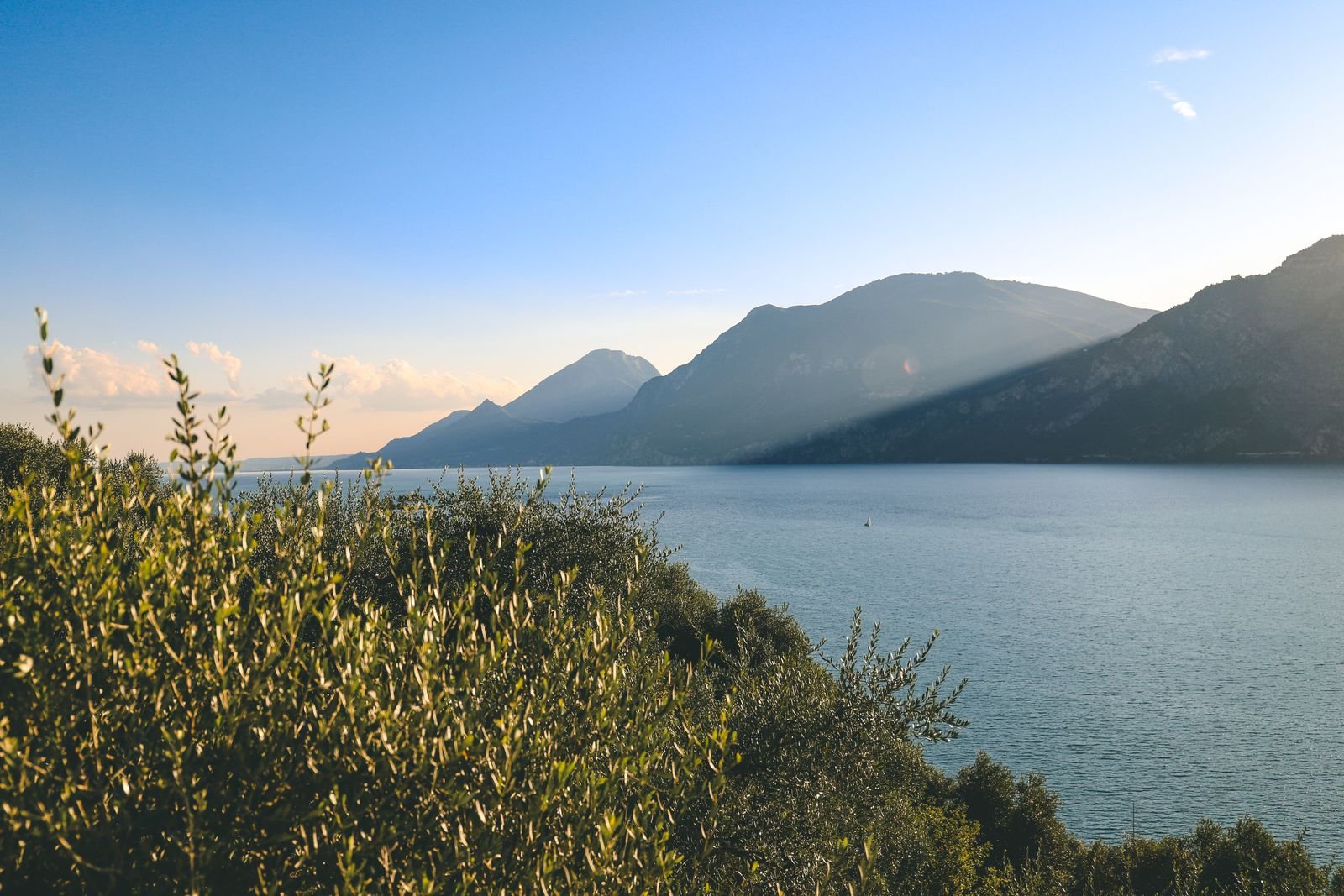
Lake Garda has many beaches, from sandy beaches in the south to pebbly beaches in the north. The best beaches include Jamaica Beach in Sirmione, with clear water and views of the castle, Baia delle Sirene in Garda, with a park and a beach, and the beach at Lazise, with a long promenade and restaurants. The water is clean and clear, and swimming is popular in summer, with water temperatures reaching 24 degrees Celsius.
Boats are the best way to see Lake Garda, with ferries running between the towns, and with boat trips to Sirmione, Malcesine, and other towns. The ferries are frequent in summer, and they offer a wonderful way to see the lake from the water, with views of the castles, the mountains, and the towns. Sailing, windsurfing, and kitesurfing are popular in the north, with reliable winds and schools for beginners.
Lakes are a theme that runs through many of the world’s great destinations, and Lake Garda’s clear water and mountain setting will feel familiar to anyone who has visited other alpine lakes. For another beautiful alpine lake, see our guide to Lake Tahoe in California and Nevada, a clear blue lake in the Sierra Nevada with beaches, hiking, and winter sports.
When to Visit Lake Garda and How to Get There
The best time to visit Lake Garda is from May to September, when the weather is warm, the water is swimmable, and the ferries run frequently. June and September are the sweet spots, with long days, fewer crowds, and lower prices than July and August. July and August are hot and busy, with the lake at its warmest, but with traffic and crowds in the towns. Spring, in April and May, is beautiful for hiking and cycling, with wildflowers and green hills, while autumn, in October, brings harvests, wine festivals, and golden light.
Getting to Lake Garda is easy by train, car, or plane. The nearest airports are Verona, Milan Bergamo, and Milan Malpensa, with flights from many European cities. From Verona, trains run to Desenzano and Peschiera, on the south shore, and buses run to other towns. A car gives you freedom, but the roads around the lake can be busy in summer, and parking can be difficult in the towns. Ferries and buses are a good alternative, and cycling is popular, with a cycle path around the lake.
Food, Wine and Lakeside Life
Food around Lake Garda is a mix of Italian and Mediterranean, with fish from the lake, olive oil, wine, and pasta. Try risotto with perch, a local fish, and the olive oil from the lake, which is light and fruity. The wines of the region include Bardolino, Valpolicella, and Lugana, and the towns around the lake have many restaurants and wine bars. Markets are the best place to buy cheese, olive oil, wine, and souvenirs.
Lakeside life on Lake Garda is slow and relaxed, with promenades, cafes, and beaches, and with the mountains always in view. The towns are small and walkable, with historic centres, castles, and churches, and with a lively atmosphere in summer. Take time to sit in a cafe, watch the boats, and enjoy the lake, because that is what Lake Garda is really about.
Waterfalls are another reason to visit the lakes of northern Italy, and Lake Garda is close to many beautiful falls. For a famous waterfall destination, see our guide to Niagara Falls, one of the most famous waterfalls in the world, with a very different scale and power to the gentle lakeside falls of Lake Garda.
Practical Tips for Visiting Lake Garda
Book accommodation early, especially in July and August, and choose a town that suits your interests. Sirmione is best for history and hot springs, Riva is best for water sports and hiking, and Malcesine is best for the cable car and the mountains. Buy a ferry pass if you plan to travel by boat, and check the ferry times in advance, because they are less frequent in winter.
Frequently Asked Questions About Lake Garda, Italy
What is the best time to visit Lake Garda? May to September is best for swimming and boating, with June and September offering the best balance of weather, prices, and crowds. Spring and autumn are best for hiking and cycling.
Can you swim in Lake Garda? Yes, the water is clean and clear, with temperatures reaching 24 degrees Celsius in summer. The best beaches are in the south, with sandy and pebbly shores, and with lifeguards in summer.
How many days do I need at Lake Garda? Three days is a good minimum, with one day in Sirmione, one day in Riva and the north, and one day in Malcesine and the east shore. Five days allows time for hiking, boating, and the towns around the lake without rushing.
How do I get around Lake Garda? Ferries, buses, and cars are the main ways to get around, with ferries running between the towns in summer. Cycling is popular, with a cycle path around the lake, and walking is easy in the towns.
Conclusion
Lake Garda, Italy, is a lake that offers a little of everything, from castles and Roman ruins to beaches, mountains, and water sports. From Sirmione to Riva del Garda, from Malcesine to Limone, the lake offers a different town, a different view, and a different experience every day. Plan carefully, book early in summer, travel by boat when you can, and give yourself time to swim, walk, and eat well. Lake Garda is not a place to rush, and the travellers who take it slowly are the ones who fall in love with it and come back.