Andes Mountains, Peru: Complete Guide to the Sacred Valley, Ausangate and the Best High-Altitude Treks
The Andes Mountains, Peru, are the longest mountain range in the world, and the Peruvian Andes are its most dramatic heart. This complete guide to the Andes in Peru explains how to explore the Sacred Valley, the Ausangate trek, Machu Picchu, and the best high-altitude treks, with practical advice on acclimatising, hiking safely, and travelling respectfully in the high Andes.
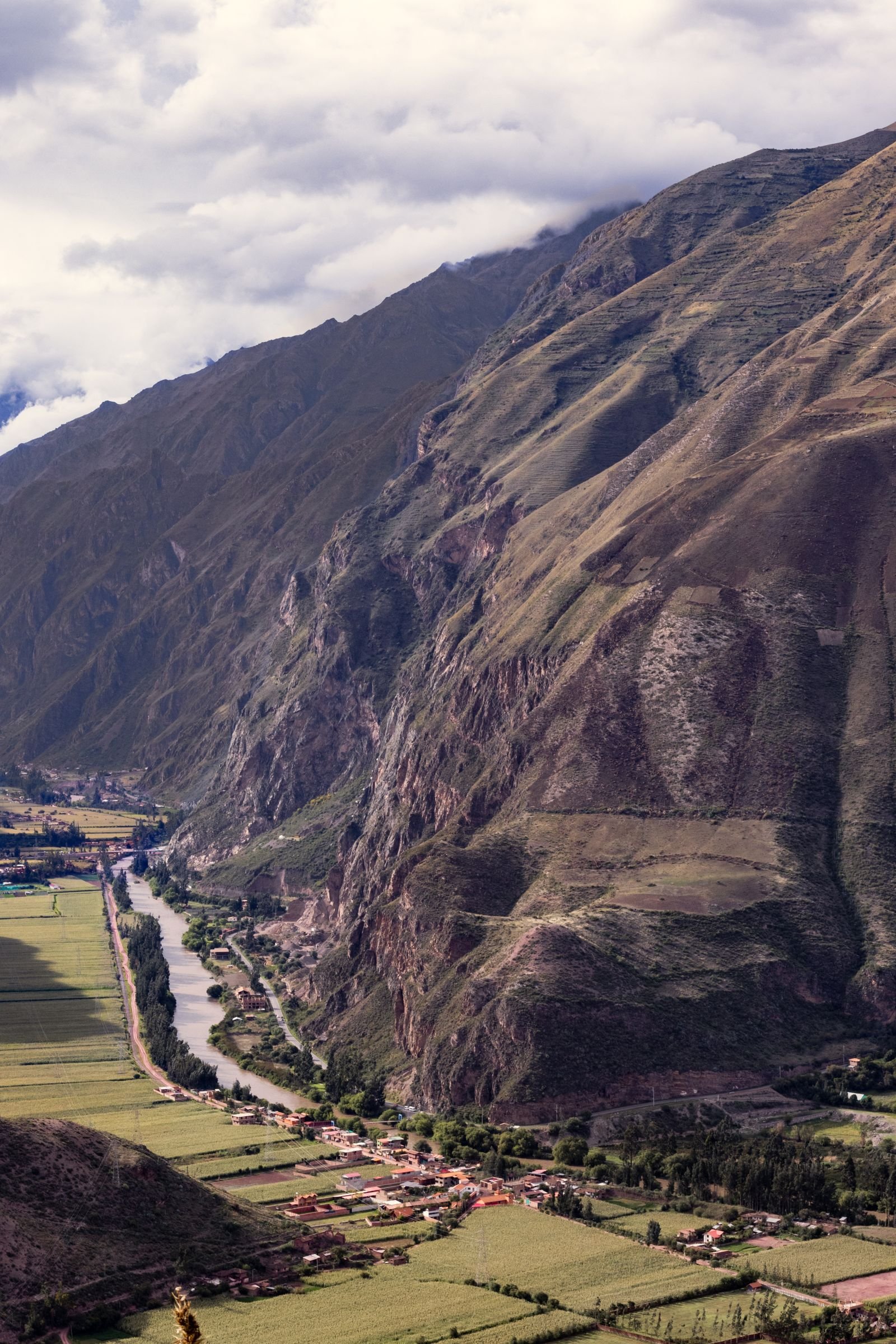
The Andes run for more than 7,000 kilometres along the west coast of South America, and in Peru they rise to more than 6,000 metres. The mountains are not just a backdrop here. They are the centre of life, with terraced fields, Inca ruins, colonial towns, and villages where Quechua is still spoken. The Sacred Valley, between Cusco and Machu Picchu, is the best place to start, with its markets, ruins, and river, and it is also the best place to acclimatise before going higher.
Why the Peruvian Andes Are So Special
The Peruvian Andes are special because they combine extraordinary natural beauty with a living culture that goes back thousands of years. The Incas built terraces, temples, and cities in these mountains, and many of those places are still used today. Farmers still grow potatoes, quinoa, and maize on terraces that were built centuries ago, and weavers still make textiles with patterns that tell stories of the mountains, the animals, and the seasons.
The landscapes are equally varied. In the Sacred Valley, the Urubamba River runs through a green valley between steep mountains. Around Ausangate, the highest mountain in southern Peru, glaciers, turquoise lakes, and rainbow-coloured mountains create a landscape that feels otherworldly. In the Cordillera Blanca, further north, white peaks rise above blue lakes, and in the Colca Canyon, one of the deepest canyons in the world, condors soar on the thermals.
Wildlife is another reason to come to the Andes. Vicuñas, the wild relatives of alpacas, graze on the high grasslands. Condors, with wingspans of up to three metres, circle above the canyons. Hummingbirds, with their bright colours, visit flowers in the valleys. The Andes are also home to pumas, spectacled bears, and many species of birds that are found nowhere else.
The Sacred Valley: Markets, Ruins and River Towns
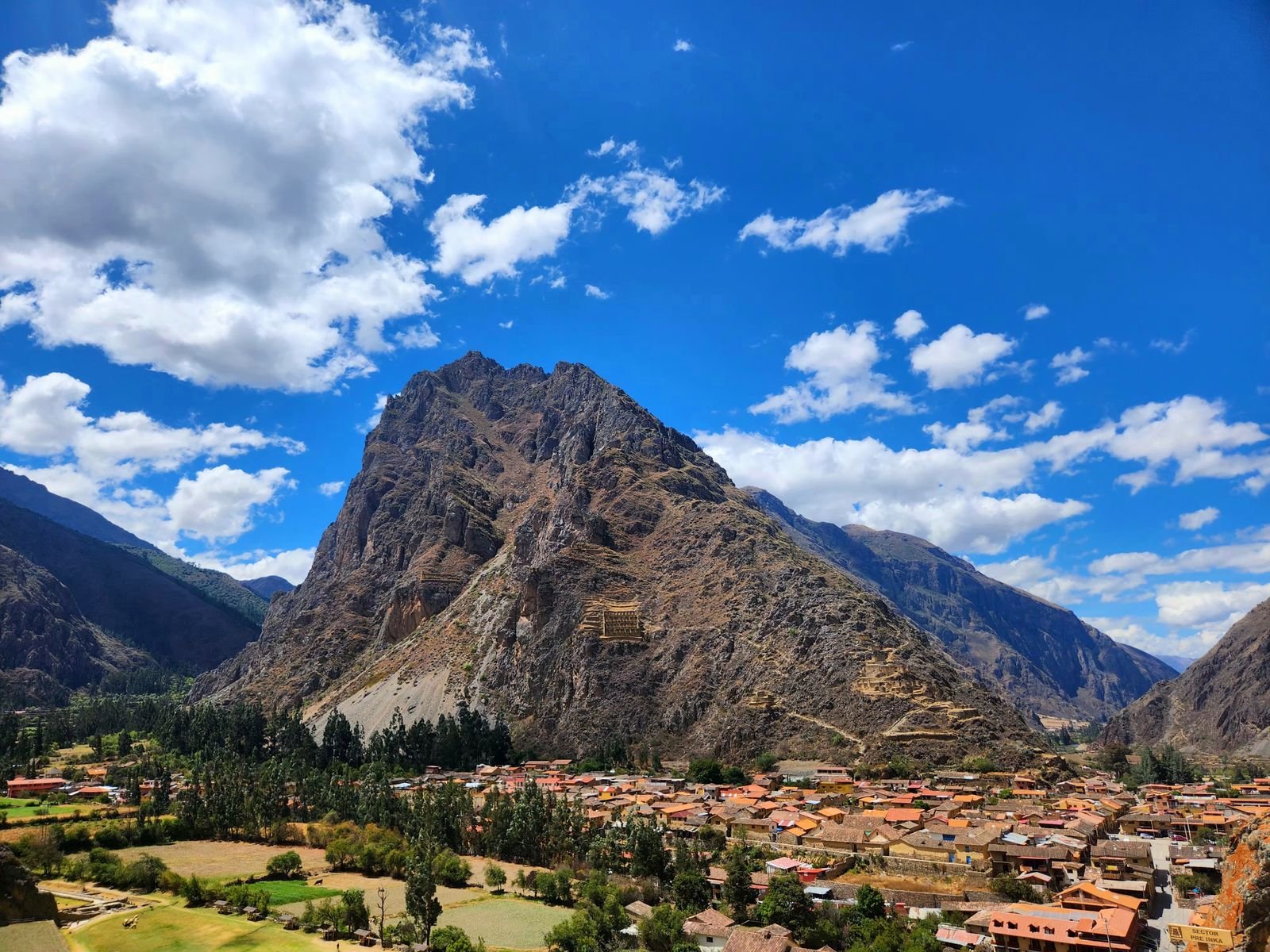
The Sacred Valley, or Valle Sagrado, runs from Pisac to Ollantaytambo, along the Urubamba River, and it is the cultural heart of the Peruvian Andes. Pisac is famous for its Sunday market, where local people sell textiles, pottery, and food, and for its Inca ruins, which sit on a hill above the town. The ruins include terraces, temples, and a cemetery, and the views from the top are spectacular.
Ollantaytambo is a living Inca town, with stone streets, water channels, and houses that have been inhabited for centuries. The fortress above the town is a massive Inca construction, with huge stone blocks that were brought from a quarry across the valley. From Ollantaytambo, trains run to Aguas Calientes, the town below Machu Picchu, and the Inca Trail starts nearby.
Other towns in the Sacred Valley include Chinchero, known for its weaving, Maras, with its salt pans, and Moray, with its circular terraces that were used by the Incas to experiment with crops at different altitudes. Each town has its own character, and the best trips spend several days in the valley, visiting the markets, hiking between villages, and acclimatising to the altitude.
Machu Picchu and the Inca Trail
No guide to the Andes in Peru is complete without Machu Picchu, the Inca citadel that sits on a mountain ridge above the Urubamba River. Built in the 15th century, Machu Picchu was never found by the Spanish, and it remained hidden until it was brought to international attention in 1911. Today it is one of the most visited archaeological sites in the world, and it is a UNESCO World Heritage Site.
The most famous way to reach Machu Picchu is the Inca Trail, a four-day hike that follows an ancient Inca road through mountain passes, cloud forest, and Inca ruins, arriving at the Sun Gate at sunrise. The Inca Trail is limited to 500 people per day, including guides and porters, and permits sell out months in advance. Book early, choose a reputable operator, and be prepared for steep climbs, high altitude, and cold nights.
There are other ways to reach Machu Picchu, including the Salkantay Trek, which passes the snow-capped Salkantay mountain, and the Lares Trek, which goes through remote villages. You can also take the train from Ollantaytambo to Aguas Calientes and then a bus up to the site. Whichever way you go, arrive early, stay for several hours, and take time to walk to the Sun Gate, the Inca Bridge, and the Temple of the Moon, which offer different views of the citadel.
Ausangate and Rainbow Mountain
Ausangate is the highest mountain in southern Peru, at 6,384 metres, and the trek around it is one of the best high-altitude treks in the Andes. The Ausangate Trek takes four to seven days, passing glaciers, turquoise lakes, hot springs, and villages where alpacas graze. The trek is remote and challenging, with passes over 5,000 metres, but it is also one of the most beautiful treks in Peru, with views that change every day.
Rainbow Mountain, or Vinicunca, is a day trip from Cusco, and it has become famous for its striped colours, which are caused by minerals in the rock. The mountain is at 5,200 metres, and the hike to the top is steep and exposed. Go early in the morning to avoid the crowds, and be prepared for the altitude. The colours are most vivid in the morning light, and the views of Ausangate in the distance are spectacular.
Cusco: The Gateway to the Andes
Cusco is the gateway to the Peruvian Andes, and it is a city that deserves several days of its own. Once the capital of the Inca Empire, Cusco is a mix of Inca stonework and Spanish colonial architecture, with a main square, a cathedral, and churches built on Inca foundations. The city is at 3,400 metres, so take time to acclimatise, drink coca tea, and walk slowly on your first day.
From Cusco, day trips include Sacsayhuamán, a massive Inca fortress above the city, with huge stone blocks fitted together without mortar, and the Sacred Valley towns. The city also has excellent restaurants, markets, and museums, including the Museo de Arte Precolombino and the Museo Inka. Stay in the San Blas neighbourhood, with its narrow streets, artisan workshops, and views over the city.
High mountain travel is a shared passion for many travellers, and the Andes will appeal to anyone who has hiked in other great ranges. The snow peaks, high passes, and mountain villages here are different from the Alps, but the feeling of walking in high mountains is the same. For another classic high mountain destination, see our guide to the Swiss Alps, where the trails, lakes, and peaks offer a very different, European mountain experience.
When to Visit the Peruvian Andes and How to Get There
The best time to visit the Peruvian Andes is the dry season, from May to September, when the weather is sunny, the trails are dry, and the mountain views are clear. June, July, and August are the busiest months, with the Inti Raymi festival in Cusco in June, and the Inca Trail permits selling out early. April and October are good shoulder months, with fewer crowds and lower prices, but with a higher chance of rain. The wet season, from November to March, brings rain, mud, and cloud, and some trails close, including the Inca Trail in February.
Most visitors fly to Cusco, with flights from Lima, and then travel by bus, train, or on foot to the Sacred Valley and Machu Picchu. Lima is the international gateway, with flights from North America, Europe, and other South American cities. From Lima, the flight to Cusco takes about an hour, and the bus to Cusco takes about 20 hours. Allow time to acclimatise in Cusco or the Sacred Valley before hiking, because the altitude is high.
Altitude, Safety and Acclimatisation
Altitude is the most important thing to plan for in the Andes. Cusco is at 3,400 metres, the Sacred Valley is at 2,800 to 3,000 metres, and the Inca Trail passes reach 4,200 metres. Altitude sickness can affect anyone, regardless of fitness, and it can cause headaches, nausea, and fatigue. To acclimatise, spend two or three days at a lower altitude before going higher, drink plenty of water, avoid alcohol, eat light meals, and walk slowly. Coca tea is a traditional remedy, and local pharmacies sell altitude sickness tablets.
Other safety tips include hiring a reputable guide for treks, carrying a map and a first aid kit, and checking the weather before you set out. The sun is strong at high altitude, so wear a hat, sunglasses, and sunscreen, and drink more water than you think you need. Respect local customs, ask before photographing people, and support local guides and porters, who are essential to trekking in the Andes.
Mountain lovers will find much to compare here with other high ranges. The Andes’ Inca history and high-altitude culture are unique, but the challenge of acclimatising and the reward of a high pass are universal. For a very different high mountain, see our guide to Mount Kilimanjaro, Africa’s highest mountain, where the climb takes you through rainforest, moorland, and alpine desert to a snow-capped summit.
Food, Markets and Andean Culture
Andean food is hearty and local, with potatoes, quinoa, corn, and alpaca meat on many menus. Peru has more than 3,000 varieties of potato, and many of them are grown in the Andes. Try pachamanca, a traditional dish cooked in the ground with hot stones, and cuy, or guinea pig, which is a traditional Andean food. Markets in Cusco and the Sacred Valley are the best place to buy textiles, pottery, and food, and to meet local people.
Frequently Asked Questions About the Andes Mountains, Peru
What is the best time to visit the Andes in Peru? The dry season, from May to September, is best for hiking and clear mountain views. April and October are good shoulder months, with fewer crowds, while the wet season from November to March brings rain and mud.
Do I need to acclimatise to the altitude in the Andes? Yes, altitude sickness is common in the Andes. Spend two or three days at a lower altitude, drink plenty of water, avoid alcohol, and walk slowly. Cusco is at 3,400 metres, and many treks go above 4,000 metres.
How do I get to Machu Picchu? The most famous way is the Inca Trail, a four-day hike that requires a permit booked months in advance. You can also take the Salkantay or Lares treks, or take the train from Ollantaytambo to Aguas Calientes and then a bus to the site.
How many days do I need in the Peruvian Andes? A week is a good minimum, with two or three days in Cusco and the Sacred Valley, and two or three days for Machu Picchu. Ten days allows time for a longer trek, such as Ausangate or Salkantay, without rushing.
Conclusion
The Andes Mountains, Peru, are a place where nature and culture are inseparable. From the Sacred Valley to Machu Picchu, from Ausangate to Rainbow Mountain, the mountains offer a different landscape and a different story every day. Plan carefully, acclimatise slowly, book early, and travel respectfully. The Andes are not a place to rush, and the travellers who take them slowly, with time to walk, talk, and look, are the ones who understand why these mountains have been sacred for thousands of years.