
Drakensberg Mountains, South Africa: Complete Guide to the Amphitheatre, Hikes and San Rock Art
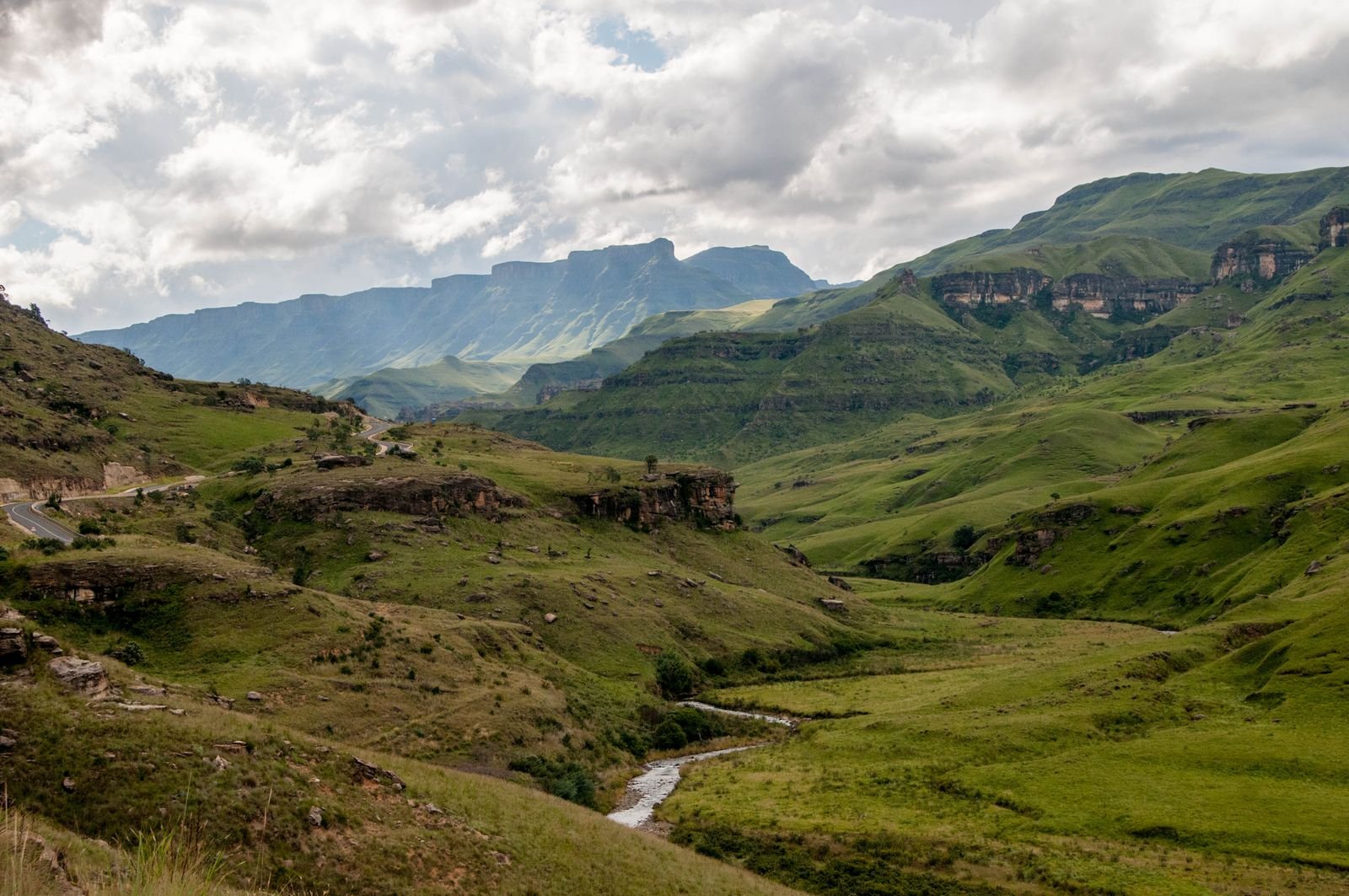
The Drakensberg Mountains, South Africa, are one of the great mountain landscapes of Africa. Known in Zulu as uKhahlamba, the barrier of spears, this range runs for more than a thousand kilometres along the border between South Africa and Lesotho. Its basalt cliffs rise in great walls above green valleys, and its caves hold the largest collection of rock paintings in Africa south of the Sahara.
What makes the Drakensberg Mountains, South Africa, so special is the combination of scale, beauty and history. The mountains are high enough to catch snow in winter and to feed the rivers that water the whole region, yet they are also gentle enough for family walks through grassland full of wildflowers. The San people lived here for more than 4,000 years, and their paintings of eland, hunters and dancers still cover the rock shelters. Today the mountains are a place for hiking, climbing, horse riding and quiet days in the valleys.
This guide covers everything you need to plan a trip to the Drakensberg Mountains, South Africa: the best hikes and viewpoints, the best places to see rock art, the best time to go, how to get there, where to stay and practical tips for walking in the mountains. Whether you come to climb the Amphitheatre, to see Tugela Falls or to sit quietly in a valley, the Drakensberg will stay with you long after you leave.
Why Visit the Drakensberg Mountains
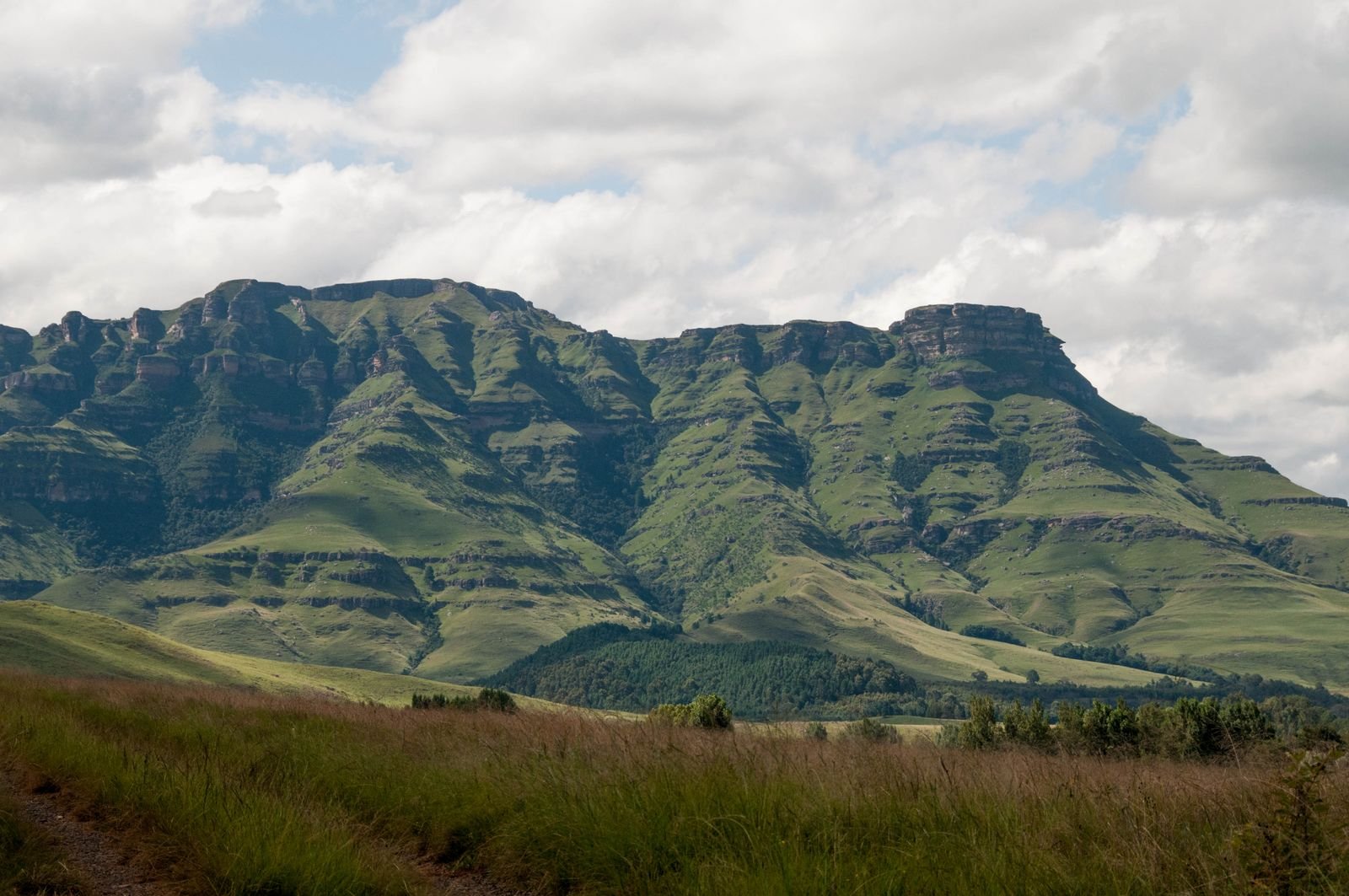
The Drakensberg is the highest mountain range in southern Africa, and its escarpment forms a wall between the high plateau of Lesotho and the lowlands of KwaZulu-Natal. The range holds the highest peak in southern Africa, Thabana Ntlenyana, at 3,482 metres, and some of the most dramatic scenery on the continent: the Amphitheatre, a cliff face five kilometres long, and Tugela Falls, which drops almost a kilometre in five tiers. The Maloti-Drakensberg Park is a UNESCO World Heritage Site, recognised for both its natural beauty and its rock art.
For visitors, the Drakensberg offers a rare mix of adventure and calm. You can spend a day climbing chain ladders to the top of the Amphitheatre, then the next day walking through a valley of wildflowers with eland grazing nearby. The air is clean, the night skies are dark, and the valleys are quiet. The mountains are also home to rare birds, including the bearded vulture, and to more than 2,000 species of plants, many of which grow nowhere else in the world.
Best Things to Do in the Drakensberg Mountains
Hike the Amphitheatre and Tugela Falls
The Amphitheatre is the most famous sight in the Drakensberg Mountains, South Africa: a cliff face five kilometres long and more than a thousand metres high, forming the edge of the escarpment. The best hike starts at the Sentinel car park, climbs to the top of the escarpment by a steep path and two chain ladders, and then crosses the plateau to the top of Tugela Falls. The falls drop 948 metres in five tiers, making them one of the tallest waterfalls in the world. If you love great African waterfalls, you will also enjoy our guide to Victoria Falls, the majestic natural wonder of Africa, another waterfall on a grand scale. The Amphitheatre hike takes five to six hours, and the views from the top are among the best in South Africa.
See the San Rock Art
The Drakensberg holds the largest and most concentrated group of rock paintings in Africa south of the Sahara, with around 35,000 individual images in hundreds of rock shelters. The San people painted eland, hunters, dancers and spirits on the rock walls, and many of the paintings are thousands of years old. The best places to see them are the Main Caves at Giant’s Castle, the Battle Cave in the Injisuthi Valley and the shelters around Cathedral Peak. A guide will help you find the paintings and explain what they mean. The art is fragile, so look but do not touch, and never wet the paintings to make them clearer.
Climb Cathedral Peak and Giant’s Castle
Cathedral Peak, at 3,004 metres, is one of the most recognisable mountains in the Drakensberg, a free-standing spire that rises above the valleys of the central Drakensberg. The hike to the top takes a full day and climbs through grassland, forest and rocky slopes, with views over the whole range. Giant’s Castle, further south, is a long ridge named for its shape, and its Main Caves hold some of the finest rock art in the mountains. The area around Giant’s Castle is also the best place in the Drakensberg to see eland, the largest antelope in Africa, and the rare bearded vulture.
Drive the Sani Pass into Lesotho
The Sani Pass is one of the most famous mountain roads in Africa: a gravel track that climbs 1,300 metres in eight kilometres from the South African border to the top of the escarpment in Lesotho. Only four-wheel-drive vehicles can drive it, and most visitors go on a guided tour from the town of Underberg. At the top, the Sani Mountain Lodge, at 2,876 metres, is the highest pub in Africa, and the views back over KwaZulu-Natal are superb. A day trip over the pass gives you a taste of Lesotho, the mountain kingdom, and of the high plateau that feeds the Drakensberg rivers.
Walk the Valleys and Wildflower Meadows
Not every day in the Drakensberg has to be a hard climb. The valleys of the central and northern Drakensberg are full of gentle walks through grassland, forest and rivers, and they are at their best in spring, when the wildflowers are out. The Royal Natal National Park has easy walks to the Cascades and to the foot of the Amphitheatre, and the valleys around Champagne Castle and Cathedral Peak have trails for every level. Horse riding is popular in the valleys, and the quiet trails are a good way to see birds, antelope and the mountain light.
When to Visit the Drakensberg Mountains, South Africa
The best time to visit the Drakensberg Mountains, South Africa, is from April to May and from September to October. In autumn the air is clear, the grass is golden and the days are warm without the summer heat. In spring the wildflowers are out, the rivers are full and the mountains are green. These are the best months for hiking, and the trails are at their most beautiful.
Summer, from November to March, is the rainy season, and the mountains are famous for their afternoon thunderstorms. The mornings are usually clear and warm, but storms can build quickly in the afternoon, so start hikes early and be off the high ground by midday. Winter, from June to August, is dry and cold, with frost in the valleys and snow on the highest peaks. Winter is a good time for clear views and quiet trails, but the nights are very cold.
How to Get to the Drakensberg Mountains
Most visitors reach the Drakensberg Mountains, South Africa, through Durban or Johannesburg. From Durban, the drive to the central Drakensberg takes about three hours, and the road climbs through the KwaZulu-Natal midlands to the foothills of the mountains. From Johannesburg, the drive takes about four to five hours, through the Free State to the northern Drakensberg. A car is almost essential in the Drakensberg, because the resorts and trailheads are spread out and there is no public transport between them.
The main access points are the Royal Natal National Park in the north, Cathedral Peak and Champagne Castle in the centre, and Giant’s Castle and the Sani Pass in the south. Each area has its own resorts, campsites and trailheads, so choose your base by the hikes you want to do. The roads in the foothills are good, but the last few kilometres to some resorts are gravel, so drive carefully, especially after rain.
Where to Stay in the Drakensberg Mountains
The Drakensberg has a good choice of places to stay, from mountain resorts to guest farms and campsites. The resorts in the Royal Natal National Park, Cathedral Peak and Champagne Castle areas have chalets, restaurants and guided walks, and they are the easiest option for first-time visitors. Guest farms in the foothills offer a quieter stay with farm food and horse riding. For another African mountain adventure, read our guide to Mount Kilimanjaro, Africa’s highest mountain, a higher and longer climb on the same continent.
Camping is popular in the Drakensberg, and the national park campsites are well kept, with good views and easy access to trails. Book resorts and campsites in advance for school holidays and long weekends, when the mountains are busy. Staying in the foothills, in towns such as Clarens and Underberg, is a good option if you want restaurants and shops nearby, with the mountains a short drive away.
Practical Tips for Visiting the Drakensberg Mountains
The Drakensberg is a wild mountain range, and a little preparation will help you enjoy it safely. The weather changes fast, the sun is strong and the trails are long, so these tips will help you make the most of your trip.
- Start hikes early in summer, and be off high ground by midday, when thunderstorms are most likely.
- Wear sturdy boots, sun protection and layers: the weather can change from hot sun to cold wind in an hour.
- Carry plenty of water and food: there are no shops on the trails, and mountain streams are not always safe to drink.
- Tell someone your route and expected return time, especially for long hikes in remote areas.
- Use a guide for rock art sites and for the chain ladders: a guide will keep you safe and help you find the paintings.
- Respect the rock art: look but do not touch, and never wet the paintings.
- Book accommodation early for school holidays, and check resort opening times in winter.
Conclusion
The Drakensberg Mountains, South Africa, are one of the great mountain experiences in Africa: a wall of basalt cliffs, valleys full of wildflowers, waterfalls that fall almost a kilometre, and rock art that is thousands of years old. Climb the Amphitheatre, stand at the top of Tugela Falls, walk to the San paintings at Giant’s Castle and drive the Sani Pass into Lesotho, and you will see why the Zulu people called these mountains uKhahlamba, the barrier of spears. Plan for the season, start early, and take your time. The Drakensberg rewards travellers who walk slowly and look up.
Frequently Asked Questions
How long does the Amphitheatre hike take?
The Amphitheatre hike from the Sentinel car park takes five to six hours return, including the chain ladders and the walk to the top of Tugela Falls. Allow a full day, start early, and check the weather before you go, because the chain ladders are not safe in wet or windy conditions.
When is the best time to visit the Drakensberg?
April to May and September to October are the best months for hiking in the Drakensberg Mountains, South Africa. The weather is clear and mild, the trails are in good condition, and the valleys are at their most beautiful. Summer is good for wildflowers but brings thunderstorms, and winter is cold and dry.
Can I see San rock art without a guide?
Some rock art sites, such as the Main Caves at Giant’s Castle, are easy to visit on your own, but many of the best sites are hard to find without a guide. A guide will help you find the paintings, explain what they mean and keep you on the right paths.
Do I need a four-wheel-drive vehicle for the Sani Pass?
Yes, the Sani Pass can only be driven in a four-wheel-drive vehicle, and the road is steep, rough and often muddy. Most visitors take a guided tour from Underberg, which includes the border crossing into Lesotho and lunch at the Sani Mountain Lodge.
Is the Drakensberg safe for hiking?
The Drakensberg is generally safe for hiking, but the mountains are wild, so take the usual precautions: start early, carry water and warm clothes, tell someone your route, and be off high ground before afternoon thunderstorms. Hike in a group or with a guide on remote trails.



One Comment