
Santorini Greece: Complete Guide to Greece’s Whitewashed Island and Blue Dome Churches
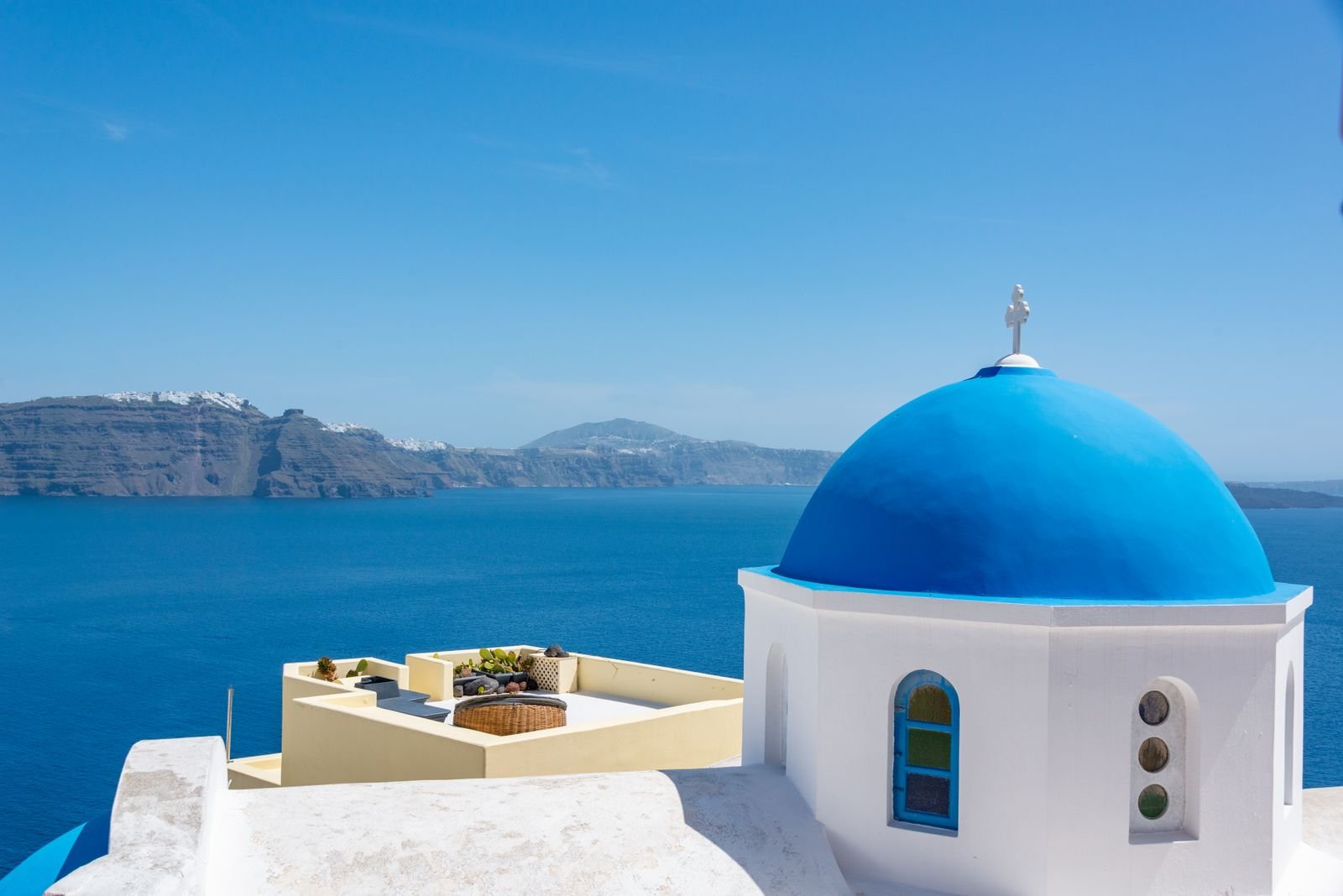
Santorini Greece is one of the most recognisable islands in the world, and for good reason. Whitewashed villages cling to the edge of a flooded volcanic caldera, blue domes catch the light above the Aegean Sea, and almost every evening the sky over the village of Oia turns gold, pink and deep orange. This complete guide to Santorini Greece will help you plan a trip that goes beyond the postcards, with the best villages, beaches, viewpoints, food and practical advice for a first visit.
The island is not large, but it rewards slow travel. A few days here are enough to walk the caldera path between Fira and Oia, swim at black and red sand beaches, explore an ancient buried city, taste crisp Assyrtiko wine grown in volcanic soil, and watch the sunset from a quieter spot than the crowded castle in Oia. Like Bora Bora, Santorini Greece is famous for its beauty and its honeymoon appeal, yet it also has a wild volcanic history, working villages and a food culture that are easy to miss if you only stay for a day.
Why Santorini Greece Is So Special
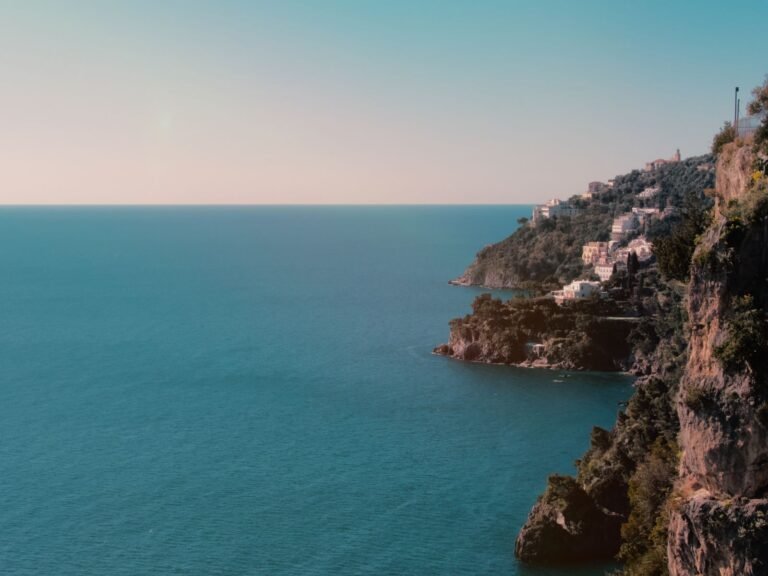
Santorini Greece owes its dramatic shape to a volcanic eruption more than 3,500 years ago, one of the largest in recorded history. The eruption blew the centre out of a round island and left a crescent of cliffs around a deep, sea-filled caldera. Today the main island curves around that flooded crater, and the small islands of Nea Kameni and Palea Kameni sit in the middle, where hot springs still bubble in the sea. Standing on the cliff edge in Fira or Imerovigli, looking across blue water to the dark volcanic islets, you are looking at the result of that ancient explosion.
The villages are the other half of the magic. Oia, Fira and Imerovigli are built from whitewashed cubic houses, blue-domed churches and narrow lanes that were designed to reflect the strong sun and to shelter people from the wind. Many of the famous cave houses were carved into the soft volcanic rock, and today a large number have become small hotels and suites with plunge pools facing the caldera. At the same time, villages such as Pyrgos, Megalochori and Emporio, away from the cliff edge, still feel like real Greek villages, with shaded squares, family tavernas and cats asleep on warm stone.
Santorini Greece is also a volcanic island in a very practical sense. Its beaches are not the soft white sand of many Greek islands. Kamari and Perissa have dark volcanic sand and pebbles, while Red Beach, near Akrotiri, is backed by rust-red cliffs. The soil is dry, poor and full of volcanic ash, which is why the island produces small, intense grapes and a distinctive white wine. Understanding that volcanic character helps you enjoy the island on its own terms, rather than expecting a typical beach resort.
The Best Things to Do in Santorini Greece
Start with the caldera walk from Fira to Oia. The path is about ten kilometres long, it takes three to four hours at a relaxed pace, and it passes through Firostefani and Imerovigli, the highest village on the caldera rim. Go early in the morning in summer to avoid the heat, wear proper shoes, carry water, and allow time to stop for photographs. The view changes constantly, from the blue domes of Firostefani to the long curve of the cliffs and the open sea beyond Oia.
Watch the sunset in Oia, but choose your spot with care. The Byzantine Castle ruins draw the largest crowds, and the lanes fill up an hour or more before sunset. A quieter option is to book a table at a restaurant or a hotel terrace in Oia, to watch from the cliffs at Imerovigli, or to take an evening catamaran cruise and watch the sun set from the water. Whichever you choose, arrive early and stay for the blue hour afterwards, when the white villages glow and the lights come on.
Visit Akrotiri, the Minoan town buried by the same eruption that shaped the island. The site is covered by a modern roof, and you can walk on raised paths between two and three storey houses, streets and storage rooms that were preserved under ash, much like Pompeii. It is a powerful reminder that Santorini Greece was an important trading port long before it became a holiday destination. Afterwards, swim at nearby Red Beach or White Beach, which are best reached by boat from Akrotiri.
Make time for the beaches and the wine. Perissa and Kamari are the easiest black-sand beaches, with sunbeds, tavernas and clear water, while Vlychada, on the south coast, has pale cliffs carved by wind into strange shapes and a quieter, wilder feel. In the evening, visit a winery in the centre of the island, such as Santo Wines or a small family estate near Megalochori, and taste Assyrtiko, the crisp white wine that is the island’s signature. The vines here are trained in low basket shapes to protect the grapes from the wind, a technique you will not see in many other wine regions.
Take a boat trip into the caldera. Most half-day cruises stop at Nea Kameni, where you can walk up to the volcanic crater, then at the hot springs near Palea Kameni, where you can swim in warm, sulphur-coloured water, and finally at the island of Thirassia, a quieter, greener neighbour that feels like Santorini Greece before mass tourism. A cruise is also the best way to see the scale of the cliffs from below, which is impossible to grasp from the villages above.

Santorini Greece is a volcanic island, much like Jeju Island in South Korea, and that shared volcanic origin explains its dark beaches, its dramatic cliffs and its fertile, ash-rich soil. It is worth remembering this when you plan your days, because the island’s best experiences are shaped by the volcano, from the hot springs in the caldera to the vineyards in the interior.
When Is the Best Time to Visit Santorini Greece?
The best time to visit Santorini Greece is from late April to early June, and again in September and early October. In these shoulder months the weather is warm and sunny, the sea is pleasant for swimming, and the villages are busy but not overwhelmed. May and September are especially good for walking, photography and boat trips, because the light is softer and the crowds are thinner than in July and August.
July and August are the hottest and most crowded months. Temperatures often rise above 30 degrees Celsius, hotel prices are at their highest, and the sunset viewpoints in Oia can feel very crowded. If you do visit in high summer, book accommodation and restaurants well in advance, plan walks and sightseeing for the early morning, and spend the hottest part of the day at the beach or by a pool. Winter, from November to March, is quiet and mild, with many hotels and restaurants closed, but it can be a rewarding time for a peaceful visit if you do not need beach weather.
Whatever the season, the wind, known locally as the meltemi, can be strong in summer, especially in the afternoons. It keeps the air fresh, but it can make boat trips choppy and the caldera path dusty. Check the forecast before a cruise, and bring a light layer for evenings on the cliff edge, even in summer, because the temperature drops quickly after sunset.
How to Get to Santorini Greece and Get Around
Most visitors reach Santorini Greece by air or by ferry. Santorini Airport has direct flights from Athens in about 45 minutes, and seasonal direct flights from many European cities. Ferries from Piraeus, the port of Athens, take about five hours on a conventional ferry and about three hours on a fast ferry, and they also connect Santorini with other Cycladic islands such as Mykonos, Naxos and Paros. If you arrive by ferry, the port of Athinios sits at the base of steep cliffs, and buses and taxis meet the boats to take visitors up to Fira.
Getting around the island is easy with a mix of buses, cars and scooters. The local bus network connects Fira with Oia, Kamari, Perissa, Akrotiri and the airport, and it is inexpensive and reliable in the main season. Renting a car gives you the freedom to visit quieter villages such as Pyrgos and Emporio, to reach beaches at your own pace, and to find viewpoints away from the crowds. Scooters and quad bikes are also popular, but they require confidence on narrow, winding roads, and you should always wear a helmet. Walking between Fira and Oia is a highlight in itself, and many visitors also enjoy walking within the villages, where cars cannot go.
Allow time for the island’s steep geography. Fira, Oia and Imerovigli are built on cliffs hundreds of metres above the sea, and the lanes are full of steps. Pack light, wear comfortable shoes, and choose accommodation with a clear idea of how you will reach it with luggage. Many hotels in the caldera villages offer a porter service or a transfer from the port and airport, which is worth arranging in advance.
Where to Stay in Santorini Greece and Practical Tips
Where you stay shapes your trip. Oia is the best choice for a classic sunset view and for a special occasion, but it is also the most expensive and the most crowded village. Fira is livelier and more central, with the best bus connections, shops and nightlife, and it is a good base for a first visit. Imerovigli is quieter and has some of the best caldera views, while Kamari and Perissa are better if you want to be near a beach, with more affordable hotels and a relaxed, family-friendly atmosphere.
Book early, especially for caldera-view rooms in Oia and Imerovigli, because the best rooms sell out months ahead for May to October. Look for a room with shade in summer, because the white buildings reflect a lot of heat, and check whether breakfast, a pool and a transfer are included. In the villages, many hotels are built into the cliffs, so a room with a view may also involve many steps, which is worth knowing if you have limited mobility.
For food, eat beyond the main caldera-view restaurants. Try fava, the yellow split-pea puree that is a Santorini speciality, white aubergines, cherry tomatoes, and fresh fish in the tavernas at Ammoudi Bay, below Oia, or in the fishing village of Vlychada. Drink plenty of water, use sun protection, and carry cash as well as cards, because some small tavernas and shops prefer cash. The currency is the euro, the language is Greek, and English is widely spoken in the tourist areas.
Conclusion: Is Santorini Greece Worth Visiting?
Santorini Greece is worth visiting, and it is worth visiting slowly. The island’s beauty is real, but its lasting appeal is not just the blue domes and the sunset. It is the walk along the caldera in the early morning, the taste of wine grown in volcanic soil, the quiet lanes of Pyrgos, and the view of the cliffs from a boat in the evening. Plan around the crowds, stay for at least three or four days, and leave time for the island beyond Oia. If you do, Santorini Greece will give you far more than a photograph, and you will understand why travellers return to this small volcanic island again and again.
Frequently Asked Questions About Santorini Greece
How many days do you need in Santorini Greece?
Three to four days is ideal for a first visit to Santorini Greece. That gives you time for the Fira to Oia walk, a boat trip in the caldera, a beach day, Akrotiri and a winery, without rushing. Two days is enough for the main highlights, while five days lets you slow down and visit quieter villages.
What is Santorini Greece famous for?
Santorini Greece is famous for its whitewashed villages, blue-domed churches, caldera views, sunsets in Oia, black-sand beaches and Assyrtiko wine. It is also famous for its volcanic history, which shaped the island’s crescent shape and its dramatic cliffs.
Is Santorini Greece expensive?
Santorini Greece can be expensive, especially for caldera-view hotels in Oia in July and August. You can keep costs down by staying in Kamari, Perissa or Karterados, travelling in May, September or October, using local buses, and eating in village tavernas away from the main viewpoints.
Can you swim in Santorini Greece?
Yes, you can swim in Santorini Greece from late May to October, when the sea is warm enough for most people. The best beaches for swimming are Kamari, Perissa, Vlychada and the beaches reached by boat near Akrotiri, although the sand is dark volcanic sand and can get very hot in the sun.
Do you need a car in Santorini Greece?
You do not need a car in Santorini Greece if you stay in Fira or Oia and use the local buses, but a car is useful if you want to explore quieter villages, beaches and wineries at your own pace. Scooters are an alternative, but the roads are narrow and winding, so drive with care.
2 Comments