Table Mountain, Cape Town: Complete Guide to the Flat-Top Mountain, Cableway and Hikes
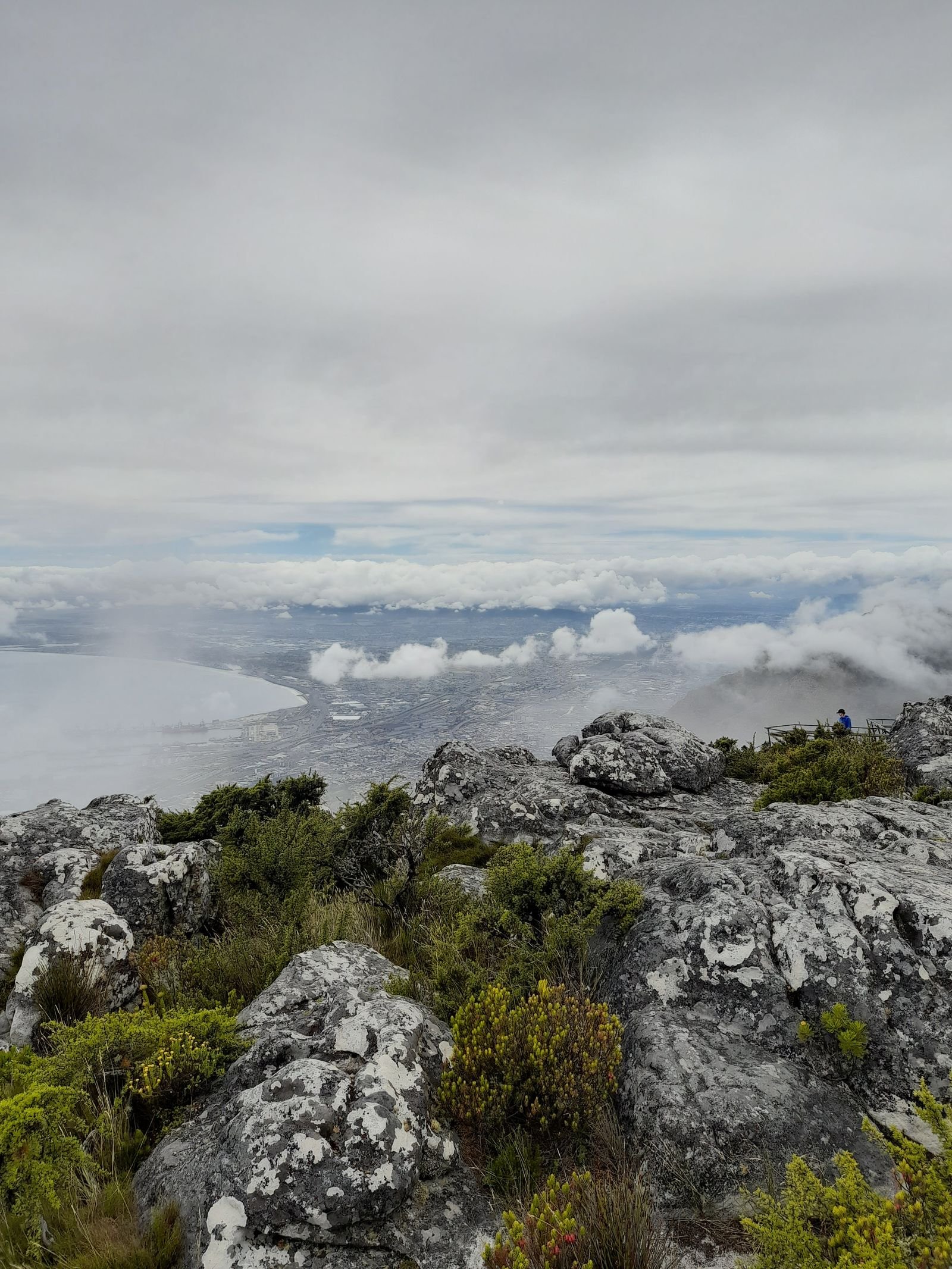
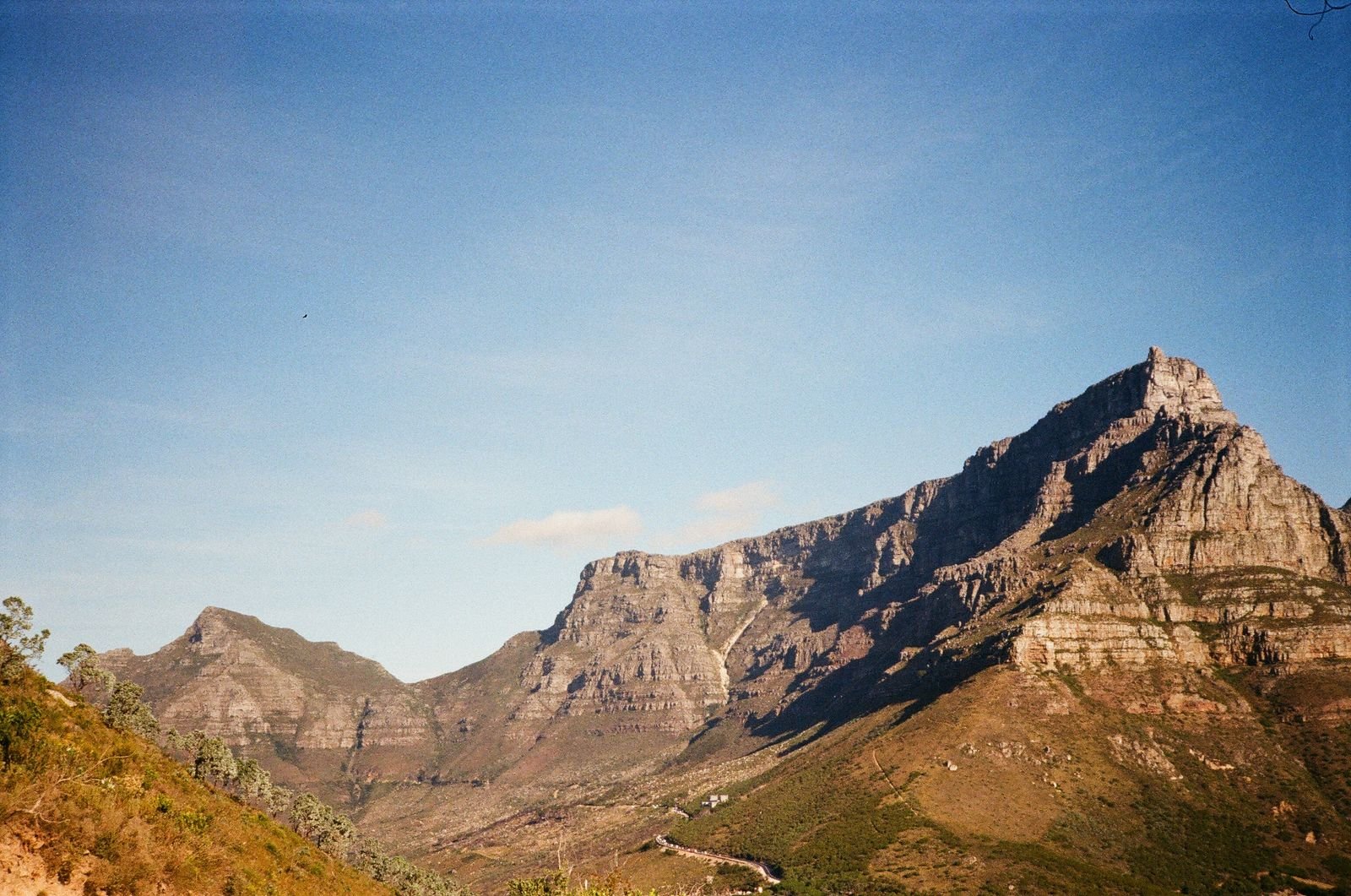
Table Mountain is the defining landmark of Cape Town and one of the most recognisable mountains on Earth. Its flat, 3-kilometre-long summit rises 1,086 metres above the city, and on a clear day it is visible from almost everywhere — from the beaches of Camps Bay, from the vineyards of Constantia, and from ships arriving in the harbour. Table Mountain is not just a backdrop. It is a national park, a UNESCO World Heritage Site, and a mountain with more plant species than the entire United Kingdom, all within a few minutes of a modern city.
Whether you ride the revolving cable car to the top in five minutes, hike the steep Platteklip Gorge, or watch the sunset from Lion’s Head, Table Mountain offers one of the great mountain experiences in the world — and it is remarkably easy to reach. This guide covers everything you need: when to go, how the cableway works, the best hikes, the wildlife and flowers to look for, and how to enjoy the mountain safely.
Where Table Mountain Is and Why It Is Flat
Table Mountain stands at the northern end of the Cape Peninsula, in the city of Cape Town, South Africa. It is the centrepiece of Table Mountain National Park, which stretches from Signal Hill in the north to Cape Point in the south, protecting the mountains, coast, and forests of the peninsula. The mountain’s flat top is the result of geology: a hard layer of Table Mountain sandstone sits on top of softer granite and shale, and millions of years of erosion have worn the sandstone into a level plateau with sheer cliffs on three sides.
The indigenous Khoi people called the mountain Hoerikwaggo, meaning mountain in the sea, and it was a sacred place long before the first Europeans arrived. The Dutch explorer Jan van Riebeeck named it Table Mountain in the 17th century, and the name has stuck ever since. The mountain is flanked by two famous neighbours: Devil’s Peak to the east and Lion’s Head to the west, both of which are part of the same mountain chain.
What makes Table Mountain truly special is its flora. The mountain is part of the Cape Floral Region, a UNESCO World Heritage Site and one of the world’s six floral kingdoms. The fynbos vegetation of the mountain includes around 2,200 plant species — more than the entire United Kingdom — including proteas, ericas, and restios found nowhere else on Earth. Spring, from August to October, brings a spectacular flowering that turns the mountain pink, white, and gold.
The Best Time to Visit Table Mountain
The best time to visit Table Mountain is from October to April, during Cape Town’s warm, dry summer. Days are long, the skies are clear, and the views from the summit stretch for kilometres. The busiest months are December and January, when the cableway queues can be long and the mountain is crowded. If you can, visit in October, November, or March and April, when the weather is just as good and the crowds are thinner.
Winter, from May to September, brings rain and cold fronts, but also some of the most dramatic days on the mountain: the clouds clear after a storm, the air is crisp, and the waterfalls on the mountain are in full flow. Winter is the best time for the flowers, with the fynbos in bloom from August to October. Whatever the season, the mountain makes its own weather, and the famous tablecloth — a layer of cloud that pours over the summit like a white cloth — can appear at any time of year.
Time of day matters too. Mornings are usually the clearest, and the first cable car of the day is the best time to beat the queues. Sunset is magical from the summit, but check the time of the last car down — you do not want to be caught on the mountain after dark. And always check the cableway’s website or the mountain’s weather before you go: high winds close the cable car regularly, and there is no point in queuing if the summit is in cloud.
The Table Mountain Cableway
The Table Mountain Aerial Cableway is the easiest way to the summit, and it is an experience in itself. The cable car, which rotates slowly as it climbs so that everyone gets a 360-degree view, takes just five minutes to cover the 1,000 metres from the lower station to the top. The views during the ascent — over the city bowl, the harbour, and the Atlantic — are unforgettable.
The cableway was first opened in 1929 and has been rebuilt several times since, most recently in 1997 with the rotating cars. It is an engineering marvel: the cables are anchored to the mountain, the cars carry 65 passengers, and the system is designed to operate in winds of up to 70 kilometres per hour. In strong winds, it closes for safety, so check the status before you set out.
Book your tickets online in advance to skip the ticket queue — you will still need to queue for the car itself, but the online queue is shorter, and the tickets are flexible. The cableway is open daily from 8 am, with the last car up an hour before closing and the last car down at closing time. At the top, you will find a restaurant, a shop, and a network of paved paths and viewpoints, including the famous viewpoints over the city and the Twelve Apostles. The summit is also wheelchair accessible, making Table Mountain one of the most accessible major mountains in the world.
The Best Hikes on Table Mountain
For many visitors, hiking Table Mountain is the highlight of a trip to Cape Town. The most popular route is Platteklip Gorge, a steep, direct climb up the front face of the mountain. It is a tough, unrelenting ascent of about two and a half hours, climbing stone steps and boulders all the way, but it is also the most straightforward route, and the sense of achievement at the top is immense. Start early, carry plenty of water, and take your time.
For a gentler climb, the Skeleton Gorge route starts in Kirstenbosch Botanical Gardens and climbs through indigenous forest and a shaded ravine to the summit. It is longer but more beautiful, passing waterfalls, streams, and some of the oldest trees on the mountain. The Kasteelspoort route, on the Atlantic side, climbs from Camps Bay through a rocky ravine and offers spectacular views over the Twelve Apostles and the ocean. The India Venster route, which starts at the lower cableway station, is a shorter but more exposed scramble with chains and ladders — not for the faint-hearted, but wonderful for experienced hikers.
Lion’s Head, the peak beside Table Mountain, is a separate and very popular hike. The one-hour climb to the summit is steep in places, with chains and ladders near the top, but the 360-degree views over the city, the ocean, and Table Mountain itself are the best in Cape Town. Full-moon hikes up Lion’s Head are a local tradition, with hundreds of people climbing by moonlight. Whatever route you choose, never hike alone, carry water and sun protection, and check the weather — Table Mountain’s weather can change in minutes, and every year hikers are rescued from the mountain.
The Summit: What to See and Do
The summit of Table Mountain is a plateau of about 3 kilometres by 1 kilometre, with a network of paved paths that lead to the main viewpoints. From the western edge, you can look down on Camps Bay and the Twelve Apostles; from the north, the whole city bowl spreads out below, with the harbour, Robben Island, and the distant mountains of the Boland; from the east, Devil’s Peak and the Cape Flats stretch to the horizon. On a clear day, you can see for more than 100 kilometres.
Take your time on the summit. Walk the full circuit of paths, which takes about an hour, and stop at the viewpoints. The summit is home to dassies — rock hyraxes, small furry animals that are the closest living relatives of the elephant — and to a variety of birds, including the Cape sugarbird and the orange-breasted sunbird, both found only in the fynbos. The summit restaurant serves breakfast, lunch, and afternoon tea, and there is a shop selling souvenirs and local crafts.
If you have time, stay for the changing light. The mountain looks different every hour: golden in the morning, stark at midday, and pink and purple at sunset. Photographers should bring a wide-angle lens for the city views and a telephoto for the details of the cliffs and the fynbos. And remember that the summit is 1,000 metres up: it is several degrees cooler and much windier than the city below, so bring a jacket even on a warm day.
Wildlife and Fynbos on Table Mountain
Table Mountain is a hotspot of biodiversity, and its wildlife is one of the great pleasures of a visit. The dassies are the most visible animals: these small, furry creatures sun themselves on the rocks of the summit and are remarkably tame. Baboons live on the mountain too, especially on the southern slopes, and are best admired from a distance — they are wild animals and can be aggressive if they feel threatened, particularly around food.
The birdlife is superb. The Cape sugarbird, with its long tail and curved bill, feeds on the proteas and is found only in the fynbos. The orange-breasted sunbird, a tiny jewel of green and orange, is another fynbos specialist. Verreaux’s eagles — the black eagles of the Cape — nest on the cliffs of the mountain and can often be seen soaring above the city. In the forests of the eastern slopes, you may spot the Knysna turaco, a crimson-winged bird that is one of the most beautiful in South Africa.
The fynbos itself is the mountain’s greatest treasure. This unique vegetation, which covers the mountain in a low, scrubby carpet, includes more than 2,200 species, including the king protea, South Africa’s national flower. The best time to see the flowers is spring, from August to October, when the mountain erupts in colour. The fynbos is adapted to fire: it burns regularly, and the seeds of many species only germinate after a fire. This is why the mountain’s vegetation is so diverse — and why it is so important to protect it from wildfires and from invasive plants.
Beyond the Mountain: Kirstenbosch, Signal Hill and Chapman’s Peak
Table Mountain is just the start of the Cape Peninsula’s wonders. Kirstenbosch National Botanical Garden, on the eastern slopes of the mountain, is one of the great botanical gardens of the world. Set against the mountain, with lawns, streams, and a canopy walkway through the trees, it is a beautiful place to spend a morning. In summer, the garden hosts open-air concerts on Sunday evenings, and the views of the mountain from the garden are superb.
Signal Hill, the low hill beside Lion’s Head, is the place for sunset. The Noon Gun, a cannon that has been fired at noon every day since 1806, is a Cape Town tradition, and the hill offers panoramic views over the city and the harbour. Chapman’s Peak Drive, the spectacular coastal road between Hout Bay and Noordhoek, is one of the most beautiful drives in the world, with cliffs dropping to the sea and views across the Atlantic. And the Cape of Good Hope, at the southern tip of the peninsula, is a wild, windswept place of fynbos, ostriches, and baboons, with the famous lighthouse and the meeting of two oceans.
All of these are part of Table Mountain National Park, and they are all worth a visit. A day spent exploring the peninsula — the mountain, the gardens, the coastal road, and the Cape — is one of the great days of travel anywhere in the world.
Practical Tips for Visiting Table Mountain
Plan around the weather. The cableway closes in high wind, and the summit can be in cloud when the city is sunny. Check the cableway’s website and the mountain’s weather forecast before you go, and have a flexible plan: if the cableway is closed, hike Lion’s Head, visit Kirstenbosch, or drive Chapman’s Peak instead.
Book cableway tickets online to save time, and arrive early to beat the queues. The lower cableway station is reached by bus, taxi, or car, and there is parking at the station, although it fills up quickly on weekends. If you are hiking, start early, carry at least two litres of water per person, wear a hat and sunscreen, and take a jacket — the summit is much cooler and windier than the city. Tell someone your route and expected return time, and never hike alone.
Respect the mountain. Table Mountain is a national park, and its fynbos is fragile and fire-prone. Stay on the paths, do not pick flowers, do not feed the dassies or the baboons, and take all your litter home. Fires are banned on the mountain, and smoking is discouraged. The mountain is a place of great natural and cultural importance, and it is up to every visitor to help protect it.
Frequently Asked Questions
How long does it take to get to the top of Table Mountain?
The cable car takes five minutes. Hiking takes between two and four hours depending on the route: Platteklip Gorge takes about two and a half hours, Skeleton Gorge about three to four hours, and Lion’s Head about one hour.
Is Table Mountain open all year?
Yes. The cableway operates daily, weather permitting, and the hiking trails are open year-round. The cableway closes in high winds and occasionally for maintenance, so check the status before you go.
Do I need to book cableway tickets in advance?
It is strongly recommended. Online tickets let you skip the ticket queue, and during the busy summer months the queues at the station can be very long. Tickets are flexible and can be used on the day you choose.
Is it safe to hike Table Mountain?
Yes, if you are prepared. Hike in a group, start early, carry water and sun protection, check the weather, and stay on the marked trails. Do not hike alone, and avoid the mountain in extreme heat or high winds.
What is the tablecloth on Table Mountain?
The tablecloth is a layer of orographic cloud that forms when moist south-easterly winds are forced up over the mountain and condense on the summit. It pours over the edge like a white cloth and is one of the mountain’s most famous sights.
Conclusion
Table Mountain is one of those rare places that lives up to its reputation. It is a mountain of extraordinary beauty and biodiversity, set in the heart of a great city, and it is accessible to almost everyone — by cable car, by hiking trail, or simply by looking up from the streets of Cape Town. Whether you ride the rotating car to the summit, hike the Platteklip Gorge at dawn, or watch the sunset from Lion’s Head, the mountain will give you a memory that stays with you. Go early, go prepared, and take the time to look closely at the fynbos, the dassies, and the views — Table Mountain rewards those who pay attention. For more mountain inspiration, read our guides to the Drakensberg Mountains and Mount Kilimanjaro, and learn more from Table Mountain on Wikipedia.