Bwindi Impenetrable Forest, Uganda: Complete Guide to Mountain Gorilla Trekking
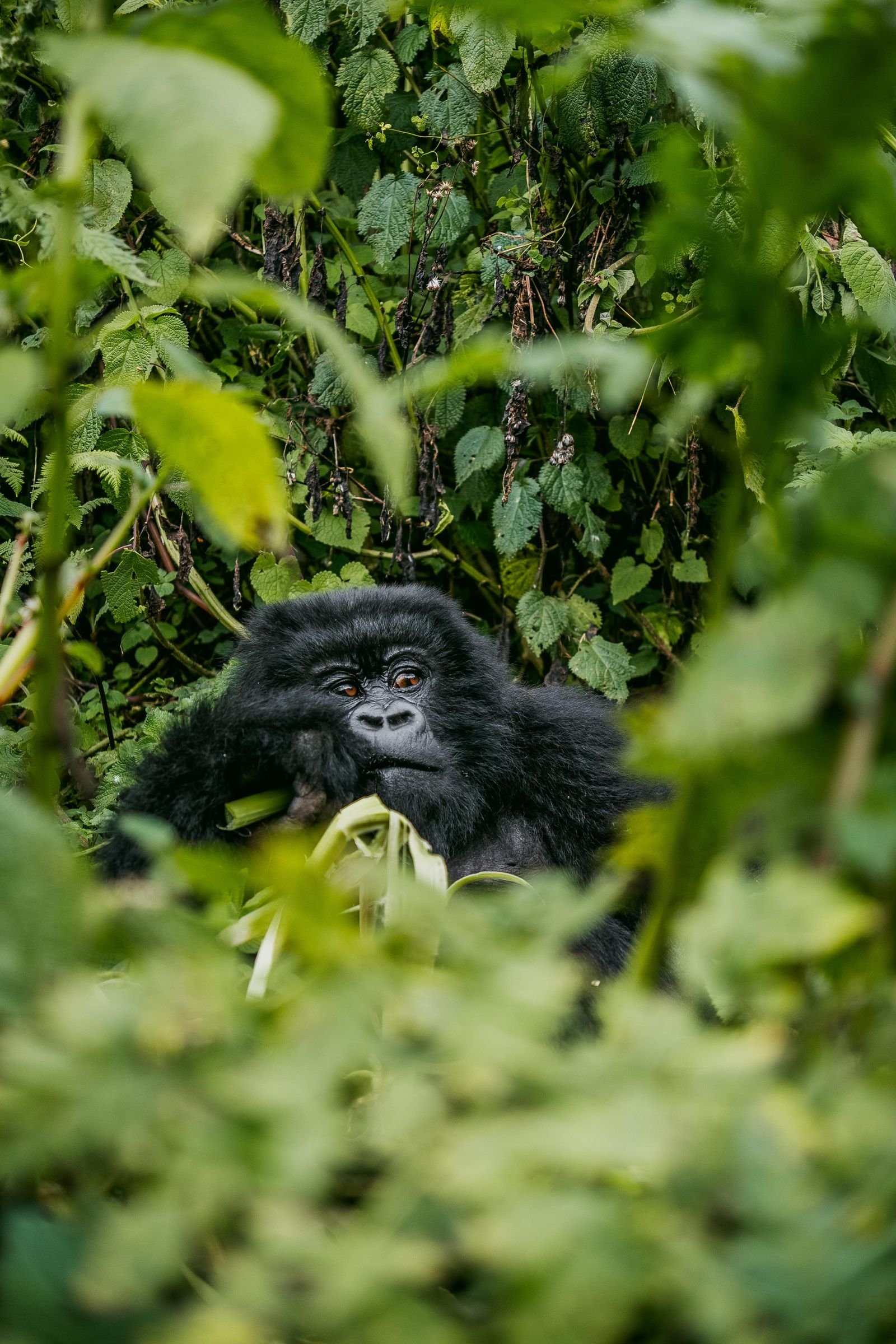
Bwindi Impenetrable Forest is one of the most extraordinary places on Earth. A dense, ancient rainforest in south-western Uganda, it is home to about half of the world’s remaining mountain gorillas, and it is one of the few places where you can trek through the forest and spend an hour with a gorilla family in the wild. Bwindi Impenetrable Forest is a UNESCO World Heritage Site, and it is a place of steep, forested hills, mist, birds, butterflies and gorillas, and it offers a wildlife experience that is unlike any other in Africa, and one that changes everyone who does it.
This guide covers everything you need to plan a trip to Bwindi Impenetrable Forest: when to go, how to get there, gorilla permits, what the trek is like, the four sectors of the park, Buhoma, Ruhija, Rushaga and Nkuringo, where to stay, what to pack, and practical tips for health, safety and responsible gorilla watching. Whether you are a first-time visitor to Africa or an experienced safari traveller, Bwindi Impenetrable Forest offers a once-in-a-lifetime encounter with one of our closest relatives, in one of the oldest forests in Africa.
Where Is Bwindi Impenetrable Forest?
Bwindi Impenetrable Forest is in south-western Uganda, near the border with the Democratic Republic of Congo and Rwanda, about 500 kilometres from Kampala, the capital. The forest covers about 330 square kilometres of steep, mountainous rainforest, between 1,160 and 2,607 metres above sea level, and it is one of the most biodiverse forests in Africa, with more than 350 bird species, 200 butterfly species, 120 mammal species and many plants found nowhere else. The park is divided into four sectors, each with its own gorilla families, lodges and trailheads: Buhoma in the north, Ruhija in the east, Rushaga in the south, and Nkuringo in the south-west. Each sector has its own character, but all offer gorilla trekking in a dense, beautiful forest.
Mountain Gorilla Trekking in Bwindi Impenetrable Forest
Mountain gorilla trekking in Bwindi Impenetrable Forest is the main reason most people visit, and it is one of the great wildlife experiences in the world. The trek starts early in the morning, with a briefing from the rangers, who tell you about the gorilla family you will be visiting, the rules for the trek, and what to expect. You then walk into the forest with a guide, trackers and porters, following the trail of the gorillas, which can take from one to six hours, depending on where the gorillas are that day. When you find them, you spend one magical hour with the family, watching the silverback, the females, the juveniles and the babies as they eat, play, groom and rest, just a few metres away. The hour passes quickly, and it is an experience that many people describe as the best hour of their lives.

Gorilla Permits for Bwindi Impenetrable Forest
Gorilla permits for Bwindi Impenetrable Forest are expensive, limited and should be booked months in advance. A permit costs 800 US dollars per person for foreign non-residents, and it allows you to trek for one day and spend one hour with a gorilla family. Only eight people are allowed to visit each gorilla family per day, and there are about 20 habituated families in Bwindi, so permits are limited, especially in the dry season. Permits are issued by the Uganda Wildlife Authority, and they can be booked through a tour operator or directly, although most visitors book through an operator, who also arranges transport, accommodation and guides. The permit fee is an important source of income for conservation and for the local communities around the park, and it is one of the reasons the mountain gorilla population is increasing.
The Four Sectors of Bwindi: Buhoma, Ruhija, Rushaga and Nkuringo
Bwindi Impenetrable Forest has four sectors, and each one offers a different experience. Buhoma, in the north, is the oldest and most popular sector, with the most lodges, the easiest access, and several gorilla families, including the Mubare, Habinyanja and Rushegura families. Ruhija, in the east, is higher and cooler, with beautiful views and several gorilla families, and it is a good place for birdwatching. Rushaga, in the south, has the most gorilla families, including the Nshongi, Mishaya and Busingye families, and it is the only sector where you can do the Gorilla Habituation Experience, a four-hour visit with a gorilla family that is being habituated to humans. Nkuringo, in the south-west, is the most remote and scenic sector, with steep hills, terraced fields and views over the forest, and it is a good place for a quieter, more challenging trek.
What Is the Gorilla Trek Like?
The gorilla trek in Bwindi Impenetrable Forest is a challenging, rewarding hike through dense, steep forest. The trail can be muddy, slippery and steep, with vines, roots and thick vegetation, and the altitude can make it harder, so you need good hiking boots, gaiters, gloves, a rain jacket and a walking stick, which is usually provided by your porter. The trek can last from one to six hours, and the rangers will tell you how long it is likely to take, based on where the gorillas were the day before. When you find the gorillas, you will be asked to wear a mask, to keep a distance of at least seven metres, and to follow the instructions of the guides. The hour with the gorillas is strictly limited, and it is enforced, because the gorillas are vulnerable to human disease and disturbance. After the hour, you walk back to the trailhead, where you receive a certificate, and you will probably want to rest, because the trek is tiring, even for fit people.
Best Time to Visit Bwindi Impenetrable Forest
The best time to visit Bwindi Impenetrable Forest is in the dry seasons, from June to August and from December to February, when the trails are drier, the trekking is easier, and the weather is cooler. The dry seasons are also the busiest, and permits should be booked well in advance. The wet seasons, from March to May and from September to November, are wetter, muddier and more difficult for trekking, but the forest is at its greenest, the birds are more active, and there are fewer visitors, and permits are easier to get. Gorillas can be seen all year, because they live in the forest all year, and the trek is possible in any season, as long as you are prepared for rain and mud. Like the Okavango Delta in Botswana, Bwindi is a world-class African wildlife destination, but Bwindi offers a forest gorilla experience, while the Okavango offers a wetland safari with elephants, lions and hippos, and both are among the best wildlife destinations in Africa.
Other Wildlife and Birds in Bwindi Impenetrable Forest
Bwindi Impenetrable Forest is not just about gorillas. The forest is one of the most biodiverse places in Africa, with more than 350 bird species, including 23 species that are found only in the Albertine Rift, such as the African green broadbill, the Grauer’s rush warbler and the handsome francolin. Other animals in the forest include chimpanzees, which are also found in Bwindi, although they are harder to see than gorillas, L’Hoest’s monkeys, red-tailed monkeys, black-and-white colobus monkeys, forest elephants, duikers and many species of butterflies. The forest itself is ancient, with trees that are hundreds of years old, and it is a UNESCO World Heritage Site because of its biodiversity and its importance as a refuge for species that survived the Ice Ages. Birdwatching in Bwindi is excellent, especially in Ruhija, and guided bird walks are available.
Where to Stay Near Bwindi Impenetrable Forest
Accommodation near Bwindi Impenetrable Forest ranges from luxury lodges to budget guesthouses and community campsites. In Buhoma, options include the Buhoma Lodge, the Mahogany Springs Lodge and the Bwindi Forest Lodge, while in Rushaga, options include the Gorilla Safari Lodge and the Four Gorillas Lodge, and in Nkuringo, the Nkuringo Bwindi Gorilla Lodge offers views over the forest. Most lodges are close to the trailheads, and they offer meals, guides and transport, and they are an important source of employment for the local communities. Book accommodation well in advance, especially in the dry season, because the lodges fill up quickly, and be aware that the lodges are in remote areas, with limited electricity and no mobile signal in some places.
Practical Tips for Gorilla Trekking in Bwindi
Gorilla trekking in Bwindi Impenetrable Forest requires some preparation. Hire a porter, who will carry your bag, help you on the steep and muddy trails, and provide employment for local people. Wear good hiking boots, long trousers, long sleeves, gloves and gaiters, because the forest is thick and thorny, and bring a rain jacket, because it can rain at any time. Bring a camera with a good zoom, but do not use a flash, and turn off the sound. Bring water and snacks, and be prepared for a long day. Respect the gorillas and the rules: keep your distance, do not touch them, do not eat or drink near them, and if you are ill, do not go trekking, because gorillas are vulnerable to human diseases. The Serengeti in Tanzania offers a very different, open savanna safari, with the Great Migration and big cats, while Bwindi offers a dense forest gorilla trek, and both are among the greatest wildlife experiences in Africa, and in the world.
Conclusion
Bwindi Impenetrable Forest is a place that changes people. It is a forest that is ancient, dense and beautiful, and it is home to mountain gorillas, our close relatives, who live in family groups, care for their young, and look at us with eyes that are startlingly human. Spending an hour with a gorilla family in Bwindi is one of the most moving wildlife experiences in the world, and it is an experience that supports conservation and local communities. Plan ahead, book your permit early, prepare for a challenging trek, and Bwindi Impenetrable Forest will give you a memory that will last a lifetime.
Frequently Asked Questions About Bwindi Impenetrable Forest
How much is a gorilla permit in Bwindi?
A gorilla permit in Bwindi costs 800 US dollars per person for foreign non-residents, and it allows you to trek for one day and spend one hour with a gorilla family. Permits should be booked months in advance.
How difficult is gorilla trekking in Bwindi?
Gorilla trekking in Bwindi is moderately to very difficult, depending on where the gorillas are that day. The trek can last from one to six hours, through steep, muddy forest, and a reasonable level of fitness is needed.
What is the best time to visit Bwindi?
The best time to visit Bwindi is in the dry seasons, from June to August and from December to February, when the trails are drier and the trekking is easier, although gorillas can be seen all year.
How many gorillas live in Bwindi?
Bwindi is home to about half of the world’s remaining mountain gorillas, with an estimated population of more than 400 gorillas in the forest, in about 20 habituated families.
Can children go gorilla trekking in Bwindi?
No, the minimum age for gorilla trekking in Bwindi is 15 years old, because the trek is challenging and the gorillas are vulnerable to disease.