
Serengeti National Park: Complete Guide to Tanzania’s Great Migration and Wildlife Safaris
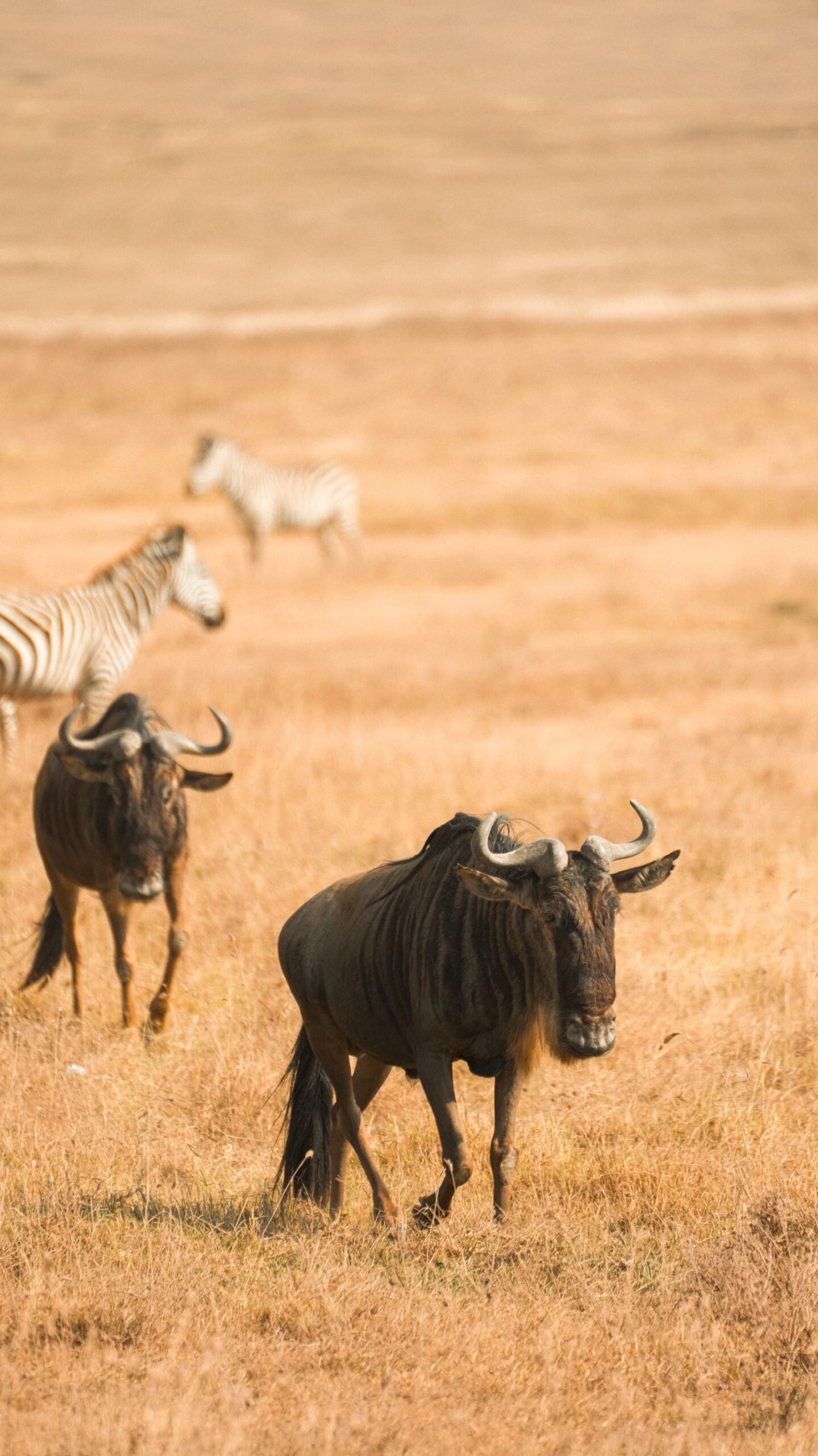
Serengeti National Park is one of the greatest wildlife destinations on Earth. In northern Tanzania, a vast plain of golden grass stretches to the horizon, and every year more than a million wildebeest, zebras and gazelles move across it in a great circular migration, followed by lions, leopards, cheetahs and crocodiles. Serengeti National Park is a UNESCO World Heritage Site, and it is one of the oldest and most famous national parks in Africa. This complete guide to Serengeti National Park will help you plan a safari, understand the Great Migration, and choose the best time and place to visit.
The Serengeti is not a zoo, it is a wild and open landscape, and that is what makes it so special. The animals are free to move, the predators hunt in the open, and the scale of the place is hard to grasp until you see it. A single day on safari in Serengeti National Park can include a lioness hunting at dawn, a herd of elephants crossing a river, a leopard resting in a tree, and thousands of wildebeest moving across the plain. The park is large, about 14,750 square kilometres, and it is best visited for several days, with a good guide and a comfortable camp, so that you have time to see the animals and to understand the landscape.
Why Serengeti National Park Is So Special
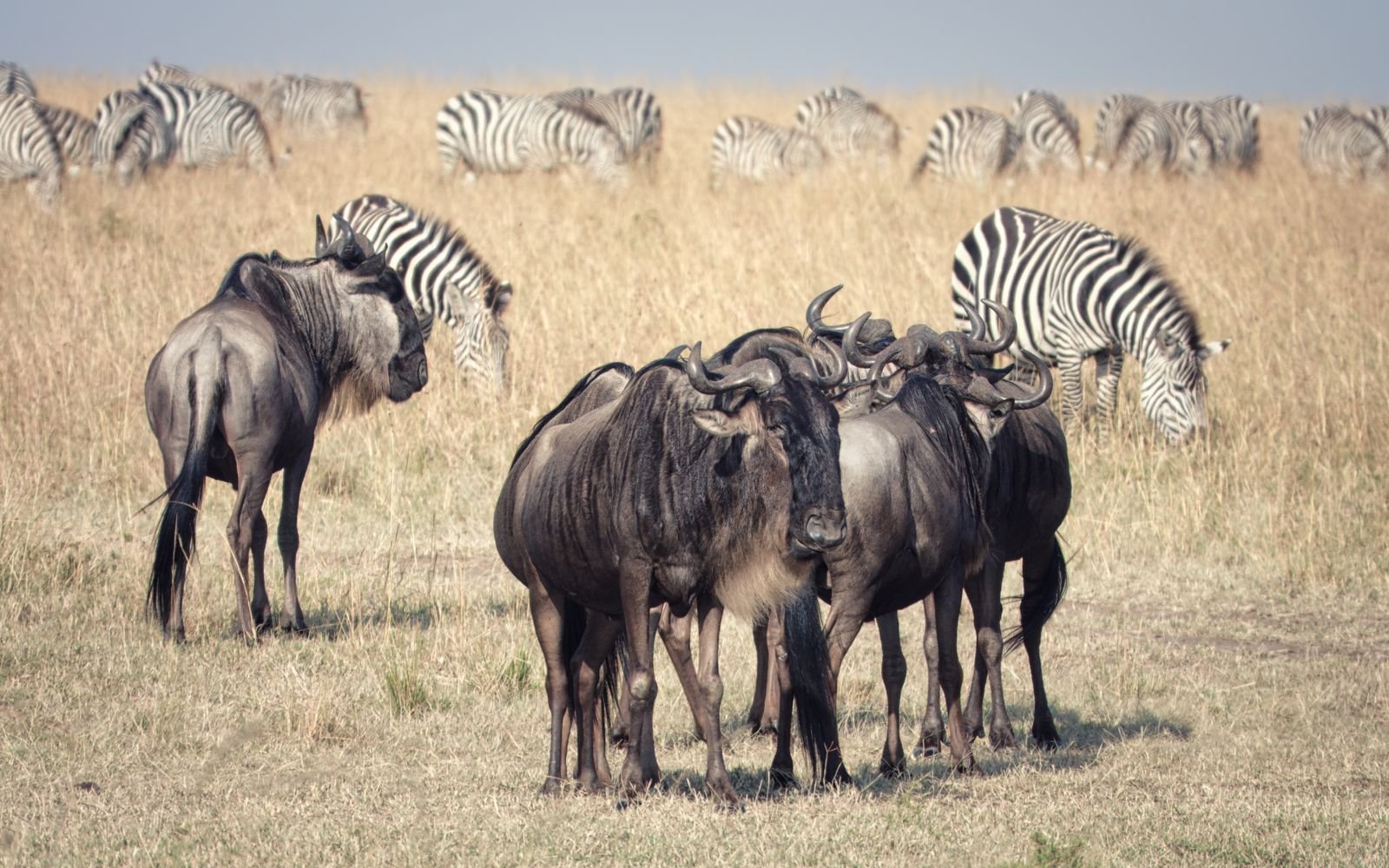
Serengeti National Park is special because of the Great Migration, the largest movement of land animals in the world. Every year, about 1.5 million wildebeest, together with hundreds of thousands of zebras and gazelles, move in a great circle through the Serengeti and the Masai Mara in Kenya, following the rains and the fresh grass. The migration is a year-round event, and it is always somewhere in the park, although the most dramatic moment is the crossing of the Mara River, in the north of the park, where the herds cross a river full of crocodiles, and many animals do not make it across.
The park is also special because of its predators. Serengeti National Park has one of the highest concentrations of lions in Africa, with about 3,000 lions, and it is also home to leopards, cheetahs, hyenas and wild dogs. The open plains make it easy to see the animals, and the guides are experts at finding them, so you are likely to see the Big Five, lion, leopard, elephant, buffalo and rhinoceros, in a few days, although rhinoceros are rare and are best seen in the Moru Kopjes area. The Serengeti is also a birdwatcher’s paradise, with more than 500 species of birds, including ostriches, eagles and vultures.
Serengeti National Park is also a place of great beauty and silence. The name Serengeti comes from the Maasai word siringet, which means endless plains, and it is a good description. The plains are flat and open, with kopjes, rocky outcrops, rising from the grass, and acacia trees on the horizon. At dawn and dusk the light is golden, and the sky is huge. The park is also home to the Maasai people, who live in villages on the edge of the park, and who have a long history of living with the wildlife. Visiting Serengeti National Park is as much about the landscape and the light as it is about the animals.
The Great Migration in Serengeti National Park
The Great Migration in Serengeti National Park follows a predictable pattern, although the exact timing depends on the rains. From December to March, the herds are in the south, in the Ndutu area, where the females give birth to calves, and the predators are close behind. This is a good time to visit, because the herds are concentrated, the calving is a dramatic event, and the prices are lower than in the dry season. The southern plains are also a good place to see cheetahs, which hunt on the open grass.
From April to June, the herds move north through the central Serengeti, in the Seronera area, and then to the Western Corridor, where they cross the Grumeti River. The Grumeti crossing is less famous than the Mara River crossing, but it is still dramatic, and the herds are often in the central Serengeti, which is a good place to base yourself. From July to October, the herds are in the north, in the Kogatende area, where they cross the Mara River, and this is the most popular time to visit Serengeti National Park, because the river crossings are the most dramatic event in the migration.
From November, the herds move south again, through the central Serengeti, and the cycle begins again. The migration is not a single event, it is a continuous movement, and the herds are always somewhere in the park. A good safari operator will know where the herds are at the time of your visit, and will plan your trip accordingly. If you want to see the river crossings, you should book a camp in the north in July to October, and you should allow several days, because the crossings are unpredictable and the herds may wait for days before crossing.
The Best Things to Do in Serengeti National Park
Start with a game drive in the central Serengeti, in the Seronera area. This is the heart of the park, with the highest concentration of animals, and it is a good place to see lions, leopards, elephants and buffalo. The Seronera Valley has a river that attracts animals all year, and the kopjes, rocky outcrops, are a good place to look for lions and leopards. A game drive in Seronera is usually done in the early morning and late afternoon, when the animals are most active, and it is the best way to see the park.
Visit the Moru Kopjes, in the central Serengeti, which are a group of rocky outcrops with ancient rock paintings and a good chance of seeing rhinoceros. The kopjes are also a good place to see lions, which rest on the rocks in the heat of the day. The area around the Moru Kopjes is quieter than Seronera, and it is a good place for a picnic and for a walk with a guide. The rock paintings, which are thousands of years old, are a reminder that people have lived in the Serengeti for a very long time.
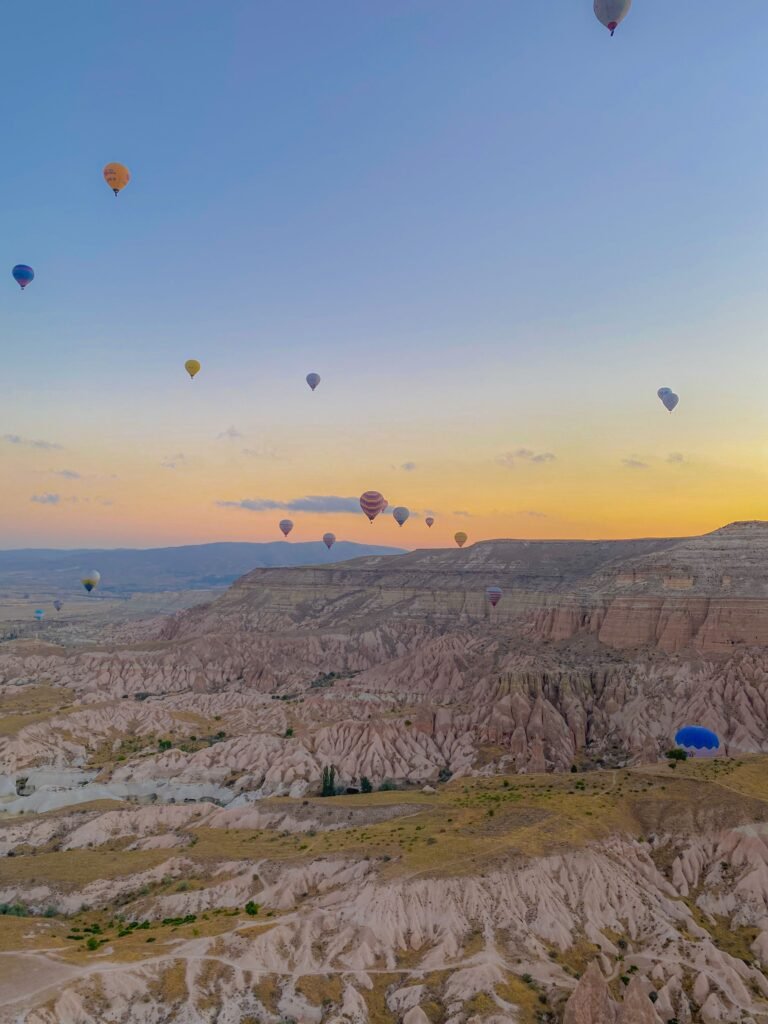
Take a hot air balloon ride over Serengeti National Park at dawn. The balloon takes off early in the morning, and you float over the plains as the sun rises, with a view of the herds, the rivers and the kopjes below. The flight ends with a champagne breakfast in the bush, and it is one of the most memorable experiences in the Serengeti. Balloon rides are expensive, but they are worth it if you can afford it, and they should be booked in advance, because they are popular.
Visit a Maasai village on the edge of Serengeti National Park. The Maasai are a semi-nomadic people who live in villages, known as bomas, and who have a long history of living with the wildlife. A visit to a village, with a guide, gives you a chance to learn about Maasai culture, to see a traditional dance, and to buy local crafts. It is important to visit a village that is run by the community, and to respect the people and their customs, and to ask before taking photographs.
Stay in a mobile camp that follows the Great Migration. Mobile camps move with the herds, so you are always close to the animals, and they offer a more authentic safari experience than a fixed lodge. The camps are comfortable, with large tents, beds and en-suite bathrooms, and they are a good choice if you want to see the migration. Fixed lodges and tented camps, in the central and northern Serengeti, are also a good choice, and they offer a higher level of comfort and a wider range of activities.
Serengeti National Park is often compared with Kruger National Park in South Africa, which is also a great safari destination, and with the Amazon Rainforest, which is a very different kind of wildlife destination. The Serengeti is more open and more dramatic than Kruger, with larger herds and more predators, while the Amazon is a forest, where the animals are harder to see. If you enjoy Kruger, the Serengeti is the next step up in scale and in wildlife.
When Is the Best Time to Visit Serengeti National Park?
The best time to visit Serengeti National Park is in the dry season, from June to October, when the animals are concentrated around water, the grass is short, and the Mara River crossings take place. This is the most popular time to visit, and the prices are at their highest, but it is also the best time to see the migration and the predators. July, August and September are the busiest months, and you should book your safari well in advance.
January to March is also a good time to visit Serengeti National Park, because the herds are in the south, in the Ndutu area, where the calving takes place, and the prices are lower than in the dry season. The southern plains are a good place to see cheetahs and lions, and the weather is warm and dry. April and May are the wettest months, with heavy rain and muddy roads, and many camps close, although the park is green and beautiful, and the prices are at their lowest.
November and December are the short rainy season in Serengeti National Park, with afternoon showers and green grass, and the herds are moving south. This is a good time to visit if you want fewer people and lower prices, and the weather is generally good, with warm days and cool nights. Whatever the season, the Serengeti is a year-round destination, and the animals are always there, although the migration moves around the park.
How to Get to Serengeti National Park and Get Around
Most visitors reach Serengeti National Park by flying into Kilimanjaro International Airport, near Arusha, and then taking a small plane to an airstrip in the park, such as Seronera or Kogatende. The flight from Arusha takes about an hour, and it gives you a view of the park from above. You can also drive from Arusha to the park, which takes about eight hours, and which is a good way to see the countryside and the Ngorongoro Crater on the way, although it is a long and bumpy drive.
Inside Serengeti National Park, you get around in a safari vehicle, with a driver and a guide, and you will spend most of your time on game drives. The vehicles are usually open-sided Land Cruisers, with a pop-up roof for viewing, and they can go off-road in some areas, although you should stay on the tracks in others. A private safari, with your own vehicle and guide, is more expensive but gives you more freedom, while a group safari is cheaper and is a good way to meet other travellers.
You will need a visa for Tanzania, which you can get on arrival or online, and you should check the vaccination requirements, including yellow fever, and take anti-malarial tablets as advised by your doctor. The currency is the Tanzanian shilling, although US dollars are widely accepted, and you should carry cash for tips and for small purchases. The park fees are included in the price of most safaris, and they are a significant part of the cost, so check what is included before you book.
Costs, Lodges and Practical Tips for Serengeti National Park
The cost of a safari in Serengeti National Park varies widely, from about 300 to 1,000 US dollars per person per day, depending on the level of comfort, the season and the operator. A budget camping safari is the cheapest option, with shared tents and simple food, while a luxury lodge or tented camp is the most expensive, with en-suite bathrooms, fine dining and a private guide. The price usually includes park fees, accommodation, food, game drives and transfers, but not flights, visas or travel insurance.
Choose your lodge or camp carefully, because where you stay determines what you see. A camp in the central Serengeti, in Seronera, is a good base for a first visit, because it is close to the highest concentration of animals. A camp in the north, in Kogatende, is best for the river crossings in July to October, while a camp in the south, in Ndutu, is best for the calving season in January to March. A mobile camp, which moves with the herds, is the best choice if you want to follow the migration.
Book your safari well in advance, especially for the dry season, because the best lodges and camps fill up quickly. Check the reviews of your operator, make sure it is a reputable company with good guides, and ask about the size of the group, the vehicle and the itinerary. Bring binoculars, a camera with a zoom lens, sun protection and layers, because the mornings are cool and the days are hot. Respect the animals, stay in the vehicle, and do not feed or approach the wildlife.
Conclusion: Is Serengeti National Park Worth Visiting?
Serengeti National Park is worth visiting, and it is one of the greatest wildlife destinations in the world. The Great Migration, the predators, the open plains and the light are unlike anything else on Earth, and a safari in the Serengeti is an experience that stays with you for life. Plan your trip around the migration, choose a good operator, and allow at least four or five days in the park, so that you have time to see the animals and to understand the landscape. If you do, Serengeti National Park will give you far more than a photograph, and you will understand why it is one of the most loved national parks in the world.
Frequently Asked Questions About Serengeti National Park
How many days do you need in Serengeti National Park?
Four to five days is ideal for Serengeti National Park. That gives you time for several game drives, a visit to the central Serengeti, and a chance to see the migration, without rushing. Three days is enough for the main highlights, while a week lets you explore more of the park and visit the north and the south.
What is the best time to see the Great Migration in Serengeti National Park?
The best time to see the Great Migration in Serengeti National Park is from July to October, when the herds cross the Mara River in the north, and from January to March, when the herds are calving in the south. The migration is a year-round event, and the herds are always somewhere in the park, although the river crossings are the most dramatic moment.
Is Serengeti National Park safe?
Serengeti National Park is generally safe for visitors on an organised safari, with a reputable operator and a good guide. The animals are wild, so you should stay in the vehicle, follow your guide’s instructions, and not approach the wildlife. The park is in a remote area, so you should have travel insurance and follow the advice of your operator.
How much does a Serengeti National Park safari cost?
A safari in Serengeti National Park usually costs between 300 and 1,000 US dollars per person per day, depending on the level of comfort, the season and the operator. The price includes park fees, accommodation, food, game drives and transfers, but not flights, visas or travel insurance.
Can you visit Serengeti National Park without a guide?
You can visit Serengeti National Park on a self-drive safari, but it is not recommended for a first visit, because the park is large, the roads are rough, and the animals are hard to find without a guide. A guided safari, with a driver and a guide, is the best way to see the park, and most visitors choose a guided safari.



2 Comments