
Daintree Rainforest, Australia: Complete Guide to the Oldest Rainforest in the World
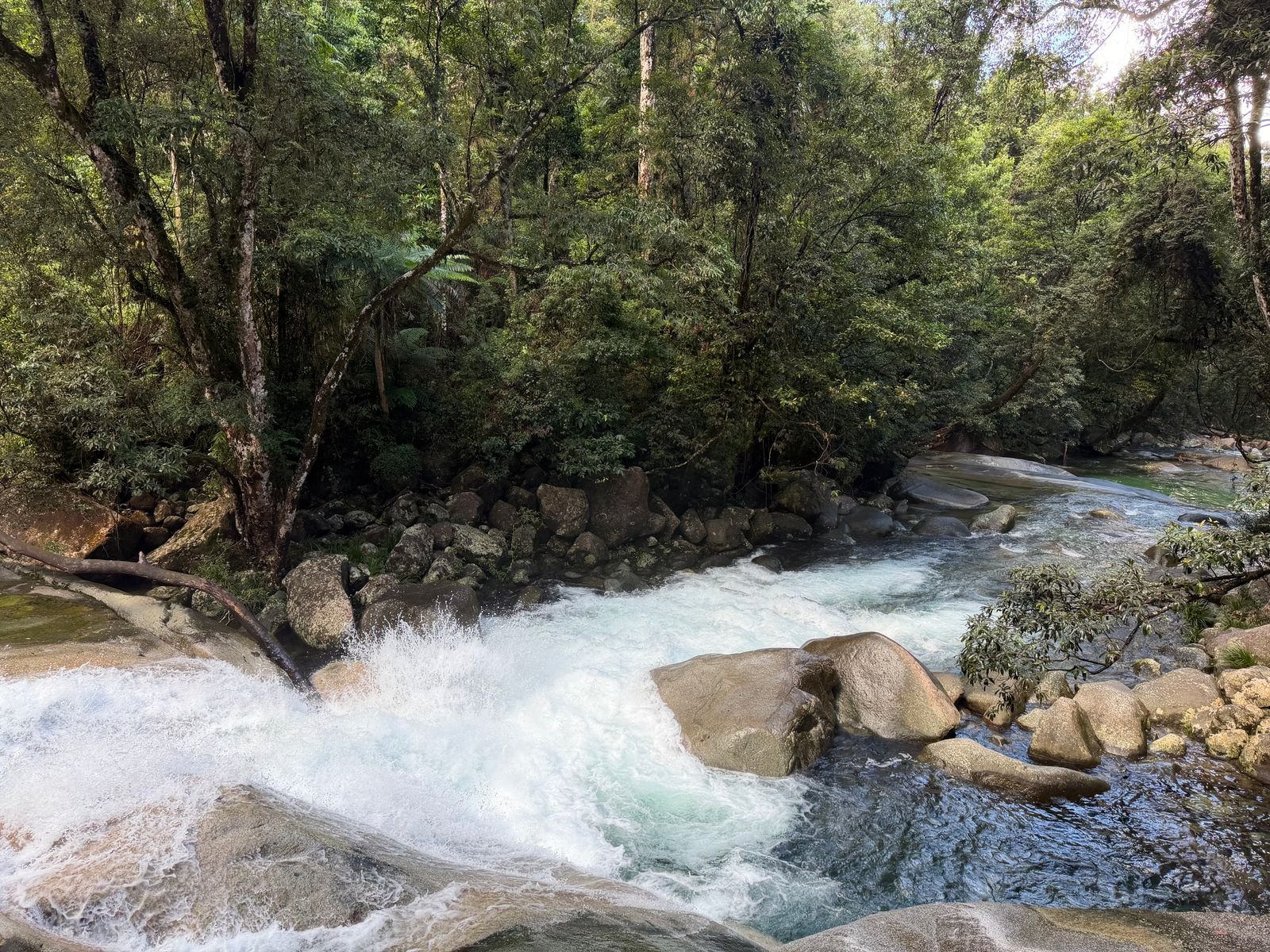
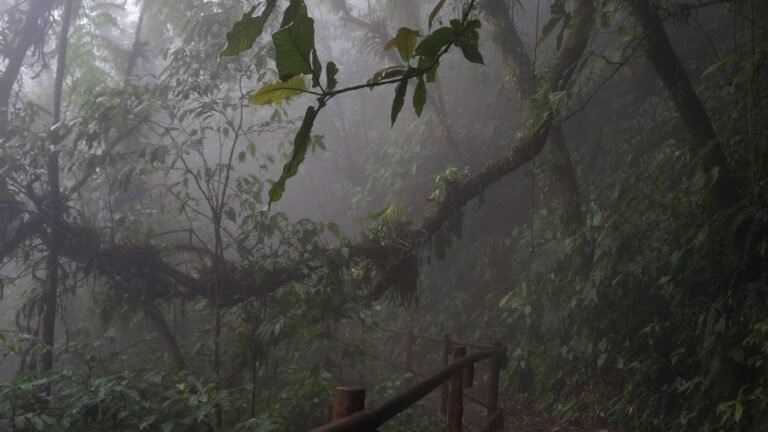
The Daintree Rainforest is the oldest rainforest in the world. At about 180 million years old, it is older than the Amazon, and it is one of the few places on Earth where the rainforest meets the reef: the Daintree Rainforest in Queensland, Australia, runs down to the Coral Sea, and it is part of the Wet Tropics of Queensland World Heritage Area. The Daintree Rainforest is a place of ancient ferns, towering trees, clear streams, crocodiles, cassowaries and butterflies, and it is a living link to the time when Australia was part of the ancient supercontinent Gondwana, and the forests were green and wet across the land.
This guide covers everything you need to plan a trip to the Daintree Rainforest: when to go, how to get there from Cairns and Port Douglas, Mossman Gorge, Cape Tribulation, the Daintree River, the best walks, wildlife, crocodiles and cassowaries, where to stay, and practical tips for the wet season, stingers and safety. Whether you visit for a day or spend a few days in the forest, the Daintree Rainforest offers a rainforest experience unlike any other in Australia, and one of the oldest forests you will ever walk in.
Where Is the Daintree Rainforest?
The Daintree Rainforest is in Far North Queensland, Australia, about 100 kilometres north of Cairns and about 40 kilometres north of Port Douglas. The rainforest is divided into two main parts by the Daintree River: the southern part, around Mossman Gorge, which is easily reached by road from Port Douglas, and the northern part, around Cape Tribulation, which is reached by a cable ferry across the Daintree River, and which is more remote and wilder. The Daintree River itself is famous for its saltwater crocodiles, and the ferry crossing is a short, scenic trip that takes you from the tourist area to the wild north. The rainforest covers about 1,200 square kilometres, and it is home to an extraordinary diversity of plants and animals, many of which are found nowhere else in the world.
Mossman Gorge: The Gateway to the Daintree Rainforest
Mossman Gorge is the most visited part of the Daintree Rainforest, and it is a wonderful introduction to the forest. A shuttle bus from the Mossman Gorge Centre takes you into the gorge, where the Mossman River runs over and around huge granite boulders, through clear, cool pools, in a forest of towering trees and ferns. There are several walking trails in the gorge, including a short, easy boardwalk and a longer, 2.4-kilometre rainforest circuit, and the Kuku Yalanji people, the Traditional Owners of the area, offer guided Dreamtime walks, where you learn about the plants, the animals and the stories of the gorge. Swimming is possible in some of the pools, but the water is cold and the rocks are slippery, so take care, and follow the signs. Mossman Gorge is a beautiful, peaceful place, and it is a good place to start your Daintree Rainforest trip.
Cape Tribulation: Where the Rainforest Meets the Reef
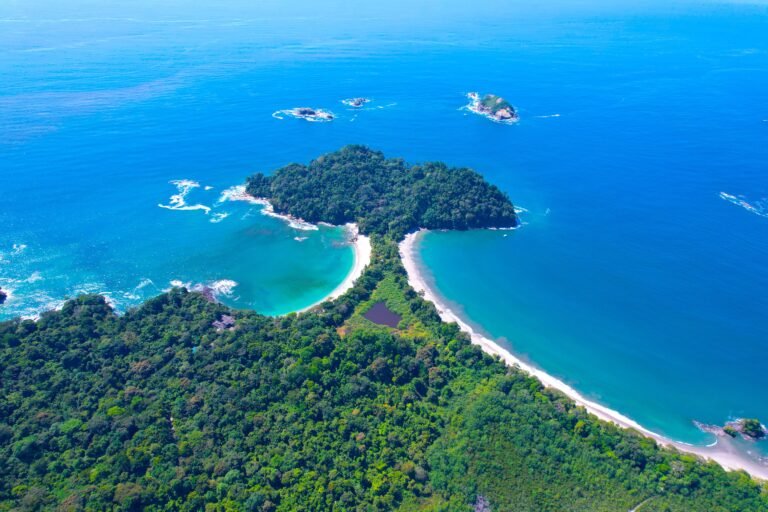
Cape Tribulation is where the Daintree Rainforest meets the Great Barrier Reef, and it is one of the most beautiful places in Australia. The name was given by Captain Cook, who ran his ship aground on the reef here in 1770, and it is a place where the rainforest comes right down to the beach, with the mountains behind and the Coral Sea in front. Cape Tribulation has several beautiful beaches, including Myall Beach and Cape Tribulation Beach, and there are walking trails through the forest, including the Dubuji boardwalk, the Marrdja boardwalk and the Mount Sorrow ridge trail, a long, steep climb with views over the coast. The area is quieter than Mossman Gorge, with a small number of lodges, hostels and campgrounds, and it is a wonderful place to stay for a few days, to walk, to swim, and to watch the sun set over the reef.
The Daintree River and Crocodiles
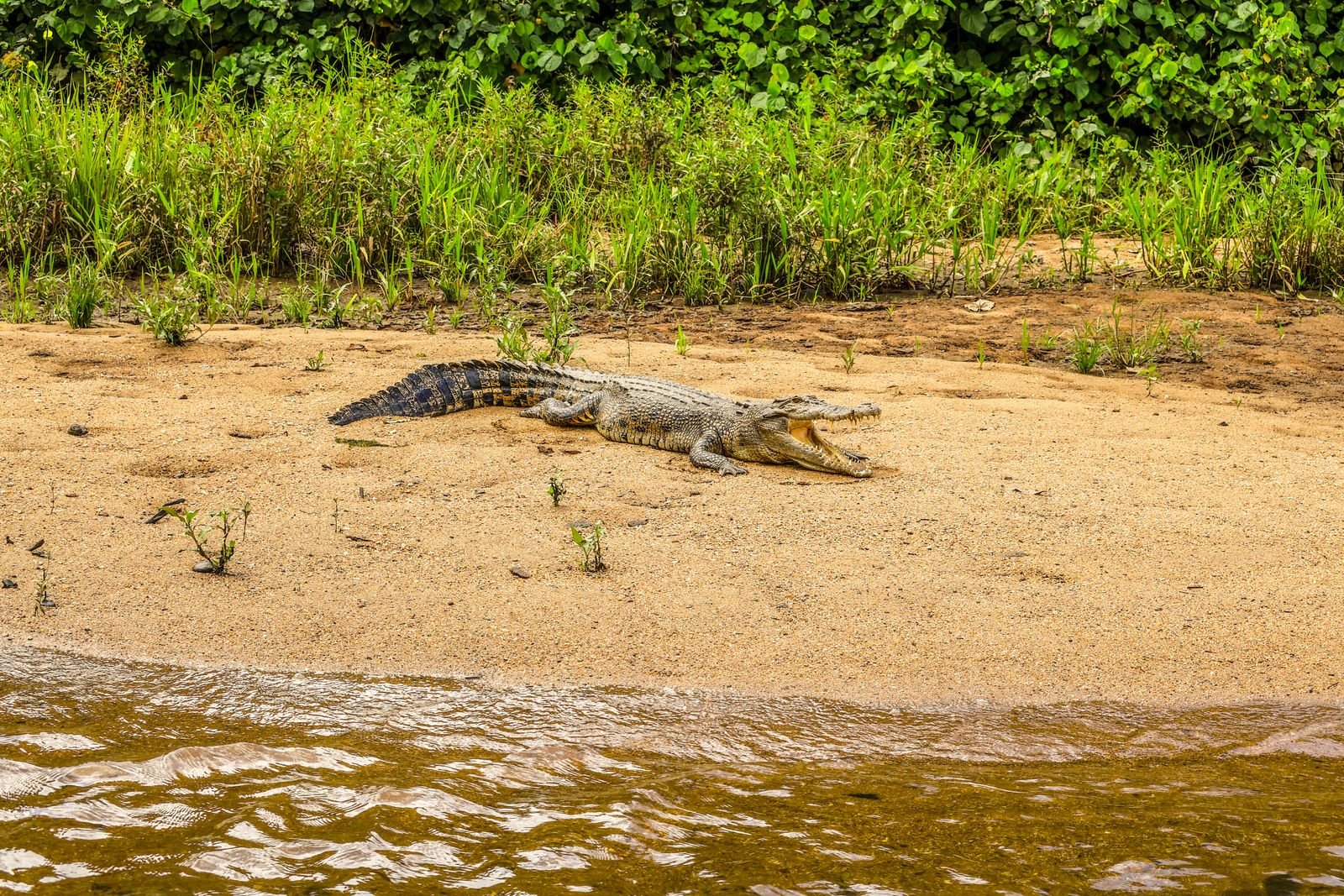
The Daintree River is famous for its saltwater crocodiles, and a river cruise is one of the best things to do in the Daintree Rainforest. Several operators run cruises from the Daintree River, and they are a safe, informative way to see crocodiles, birds, snakes and other wildlife, with a guide who knows where the crocodiles live and how to spot them. Saltwater crocodiles are large, powerful animals, and they are dangerous, so never swim in the Daintree River, never stand close to the water’s edge, and always follow the signs and the advice of the guides. The river is also a good place to see birds, including the great-billed heron, the azure kingfisher and the white-bellied sea eagle, and the mangroves along the river are an important habitat for fish and other animals.
Wildlife in the Daintree Rainforest
Wildlife is one of the great joys of the Daintree Rainforest. The forest is home to the cassowary, a large, flightless bird with a bright blue neck and a helmet-like casque, which is endangered and is often seen crossing the road in the Daintree, especially in the morning. Other animals include the Boyd’s forest dragon, a lizard that lives in the trees, the green tree frog, the Ulysses butterfly, with its bright blue wings, and the musky rat-kangaroo, a small, ancient marsupial that lives on the forest floor. The Daintree is also home to many plants found nowhere else, including the fan palm, the idiot fruit tree, one of the most primitive flowering plants in the world, and many species of ferns, orchids and mosses. Like the Borneo Rainforest in Malaysia, the Daintree is an ancient, biodiverse rainforest, but the Daintree is older, smaller and more accessible, with the reef on its doorstep and a unique Australian wildlife.
The Best Walks in the Daintree Rainforest
The best walks in the Daintree Rainforest range from short boardwalks to long, strenuous trails. Easy walks include the Mossman Gorge boardwalk and rainforest circuit, the Dubuji boardwalk at Cape Tribulation, a 2-kilometre walk through the forest to Myall Beach, and the Marrdja boardwalk, a walk through the mangroves and the rainforest. Moderate walks include the Jindalba boardwalk, a walk through the forest near Cape Tribulation, and the Mount Sorrow ridge trail, a steep, 7-kilometre return walk with views over the coast. Harder walks include the long trails in the Daintree National Park, which should only be attempted by experienced walkers with a map and plenty of water. Always wear good shoes, bring insect repellent, and be aware of leeches in the wet season, which are harmless but unpleasant.
Best Time to Visit the Daintree Rainforest
The best time to visit the Daintree Rainforest is in the dry season, from May to October, when the weather is cooler, drier and less humid, and the roads and trails are in good condition. The dry season is also the best time for walking, boating and wildlife watching, with fewer mosquitoes and leeches. The wet season, from November to April, is hotter, more humid and wetter, with heavy rain, cyclones and stingers in the sea, but the forest is at its greenest and most beautiful, the waterfalls are full, and there are fewer visitors. If you visit in the wet season, be prepared for rain, check the road conditions, and do not swim in the sea, because of the stingers. The Daintree is a year-round destination, but the dry season offers the most comfortable weather for most visitors.
Where to Stay in the Daintree Rainforest
Accommodation in the Daintree Rainforest ranges from lodges and eco-resorts to hostels, campgrounds and self-catering cabins. Cape Tribulation has a small number of lodges and hostels, including the Daintree Eco Lodge, the Ferntree Rainforest Lodge and the Cape Tribulation Beach House, and there are campgrounds at Cape Tribulation and at Noah Beach. Port Douglas, south of the Daintree River, has a wider range of hotels, resorts and restaurants, and it makes a comfortable base for a day trip to Mossman Gorge and the Daintree River. Cairns, further south, is the main gateway to the region, with the most accommodation and the airport. Book well in advance in the dry season, because the lodges in the Daintree fill up quickly.
Practical Tips for Visiting the Daintree Rainforest
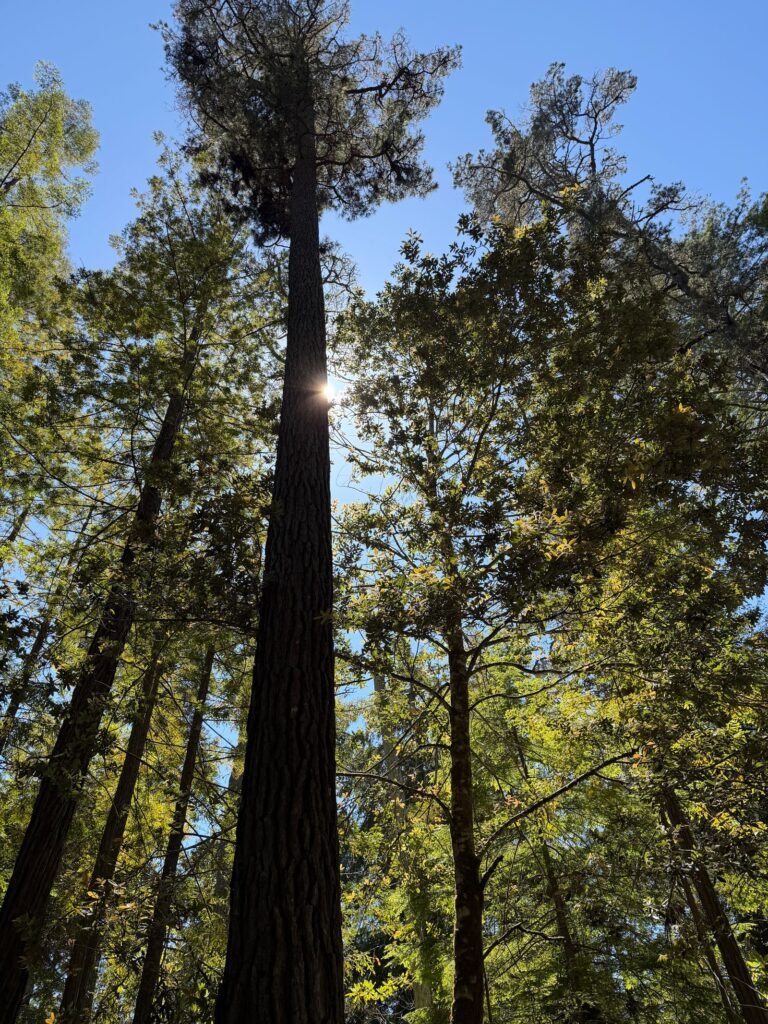
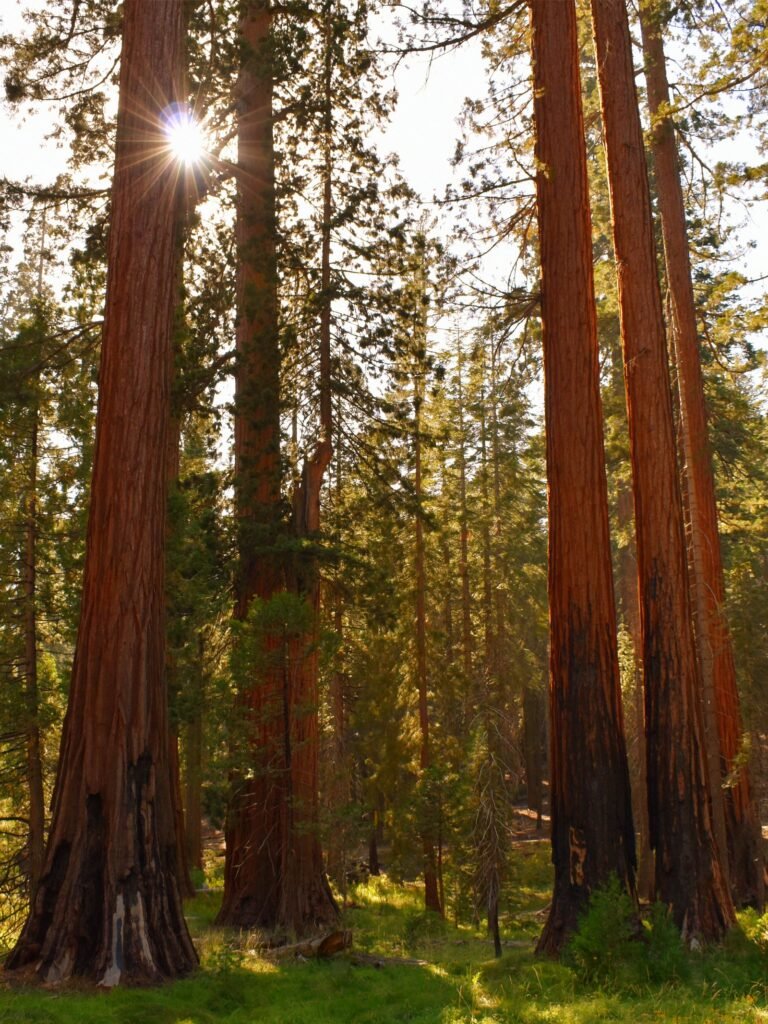
The Daintree Rainforest is a wild, remote place, and it requires some preparation. Bring insect repellent, sunscreen, a hat and good walking shoes, and bring plenty of water, because it is hot and humid. Do not swim in the Daintree River or in the sea in the wet season, because of crocodiles and stingers, and always follow the signs. Drive carefully, because cassowaries cross the road, and the road to Cape Tribulation is narrow and winding. Respect the Kuku Yalanji people and their culture, and consider taking a guided walk with an Aboriginal guide, which is one of the best ways to learn about the forest. If you love tall forests, the Redwood National Park in California offers a very different, temperate rainforest experience, with the tallest trees in the world, while the Daintree offers an ancient, tropical rainforest with the reef on its doorstep, and both are among the most remarkable forests on Earth.
Conclusion
The Daintree Rainforest is a place of great age and great beauty. It is a forest that has been growing for 180 million years, a forest that meets the reef, a forest that is home to cassowaries, crocodiles, butterflies and ancient plants, and a forest that is still wild and still growing. Whether you walk in Mossman Gorge, cruise the Daintree River, or stay at Cape Tribulation and listen to the forest at night, the Daintree Rainforest will give you one of the great nature experiences in Australia. Take your time, walk slowly, look up, and the oldest rainforest in the world will show you its wonders.
Frequently Asked Questions About the Daintree Rainforest
How old is the Daintree Rainforest?
The Daintree Rainforest is about 180 million years old, making it the oldest rainforest in the world, older than the Amazon Rainforest.
Where is the best place to stay in the Daintree?
Cape Tribulation is the best place to stay for a rainforest experience, with lodges, hostels and campgrounds, while Port Douglas is a more comfortable base with more hotels and restaurants.
Is it safe to swim in the Daintree Rainforest?
Swimming is possible in some of the pools at Mossman Gorge, but never swim in the Daintree River, because of saltwater crocodiles, and do not swim in the sea in the wet season, because of stingers.
What is a cassowary?
A cassowary is a large, flightless bird, with a bright blue neck and a helmet-like casque, that lives in the Daintree Rainforest. It is endangered, and it is often seen crossing the road in the Daintree.
When is the best time to visit the Daintree Rainforest?
The best time to visit is in the dry season, from May to October, when the weather is cooler and drier, and the roads and trails are in good condition.

One Comment