Mauritius: The Complete Guide to Le Morne, Turquoise Lagoons and Island Adventures

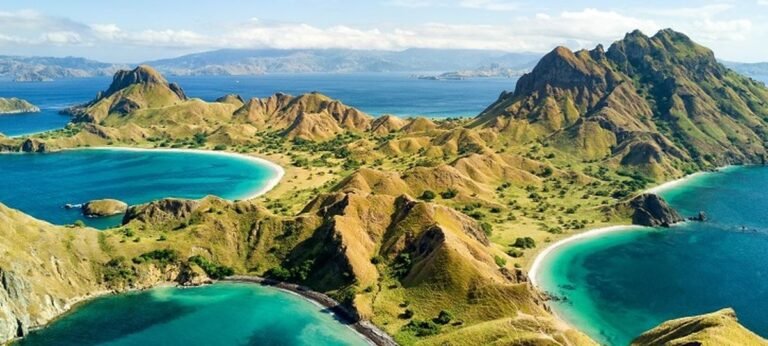
Mauritius is a small volcanic island in the Indian Ocean that manages to feel both intimate and endlessly varied, and a first visit to Mauritius quickly explains why travellers return again and again. Turquoise lagoons ring almost the entire coast, a reef keeps the water calm and clear, and behind the beaches rise green mountains, sugar cane fields, waterfalls and a wild national park. The island is only about 65 kilometres long, yet it holds world class beaches, mountain trails, coral reefs, historic towns and a food culture shaped by African, Indian, Chinese and European influences. This guide brings all of that together, so you can plan a trip that goes far beyond a single resort beach.
What makes Mauritius special is how easy it is to combine very different days. You can snorkel over coral in the morning, hike to a waterfall after lunch and watch the sun set behind Le Morne Brabant in the evening, all without long drives. The people are warm and multilingual, the roads are good, and the island is safe and welcoming for families, couples and solo travellers alike. Whether you have a long weekend or two full weeks, Mauritius rewards slow travel, early starts and a willingness to leave the hotel and explore the coast, the interior and the sea.
Where Is Mauritius?
Mauritius lies in the Indian Ocean, about 900 kilometres east of Madagascar and roughly 2,000 kilometres off the southeast coast of Africa. It is a volcanic island, formed millions of years ago, and its highest point is Piton de la Petite Riviere Noire, which rises to 828 metres in the southwest. The island is surrounded by coral reefs that create shallow, sheltered lagoons, and the interior is a patchwork of sugar cane, forest, rivers and reservoirs. The capital, Port Louis, sits on the northwest coast, while the main resort areas spread along the north, east and west coasts, each with a different character.
Most visitors arrive at Sir Seewoosagur Ramgoolam International Airport in the southeast, near Mahebourg, and drive to their base in under an hour. The island uses the Mauritian rupee, drives on the left, and has a tropical climate with warm temperatures all year. English is the official language of government and business, French is widely spoken, and most Mauritians also speak Mauritian Creole, so communication is rarely a problem. That mix of languages and cultures is part of the island’s identity, and it shows up in the markets, the temples, the churches, the mosques and the food.
Why Visit Mauritius?
Mauritius is best known for its beaches, and they deserve their reputation. The sand is pale and fine, the lagoon water is warm and clear, and the reef breaks the ocean swell, so swimming is gentle even for children and nervous swimmers. But the island is much more than a beach destination. Le Morne Brabant, a dramatic basalt mountain at the southwestern tip, is a UNESCO World Heritage Site and one of the most photographed landscapes in the Indian Ocean. Black River Gorges National Park protects native forest, waterfalls and rare birds, and the Seven Coloured Earths at Chamarel show how volcanic soil can paint a hillside in reds, browns and purples.
The sea is the other great reason to come. Snorkelling and diving reveal coral gardens, reef fish, turtles and, in season, dolphins and whales. Glass bottom boats, kayaks, stand up paddleboards and sailing catamarans make the lagoon accessible even if you never put on a mask. On land, the island offers hiking, canyoning, horse riding, golf and mountain biking, while food lovers can move from street food in Port Louis to Creole curries, fresh seafood and fine dining in the resorts. Few islands of this size offer so much variety in such a compact and comfortable package.
Le Morne Brabant and the Underwater Waterfall Illusion
Le Morne Brabant dominates the southwest coast, rising steeply from the lagoon to a summit of 556 metres. It is a sacred place in Mauritian history, because enslaved people once fled to its slopes and caves, and in 2008 it was inscribed by UNESCO as a cultural landscape. Today it is both a landmark and a hike. The trail to the summit is steep and exposed in places, and the upper section involves scrambling over rock, so many visitors go with a local guide. The reward is a sweeping view over the lagoon, the reef and the famous underwater waterfall illusion, where sand and silt flowing over the edge of the reef look, from above, like a waterfall plunging into the ocean depths.
The illusion is best seen from the air, on a seaplane or helicopter flight, or from a drone where permitted, and it is one of the most striking aerial sights in the world. At ground level, the Le Morne peninsula is just as beautiful, with a long public beach, a kite surfing lagoon and calm water for swimming. The village of Le Morne has small guesthouses and restaurants, and the nearby towns of La Gaulette and Case Noyale give a glimpse of local life away from the big resorts. Come early in the morning for the hike, when the air is cooler and the light is soft, and carry plenty of water, sun protection and sturdy shoes.
The Best Beaches and Lagoons in Mauritius
The north coast around Grand Baie and Pereybere is lively and convenient, with restaurants, shops, boat trips and a string of small bays. Mont Choisy, just south of Grand Baie, is one of the longest public beaches on the island, shaded by casuarina trees and popular with families at weekends. On the east coast, Belle Mare has a long stretch of white sand and a wide lagoon that is ideal for swimming at high tide, while Ile aux Cerfs, a small island off the east coast, is reached by boat and is famous for its golf course, its beaches and its shallow, warm water.
The west coast is the place for sunsets, with Flic en Flac offering a long beach, a lively village and easy access to dolphin watching trips from Tamarin Bay. In the south, Gris Gris and the cliffs around Souillac show a wilder side of the island, where the reef is absent and the ocean crashes directly onto the rocks, so swimming is not safe there but the views are dramatic. Wherever you base yourself, remember that all beaches in Mauritius are public up to the high water mark, so you can walk the coast, find a quiet spot and enjoy the lagoon without staying in a resort.

Chamarel, Black River Gorges and the Island Interior
Inland Mauritius is green, hilly and surprisingly wild. Black River Gorges National Park covers more than 6,500 hectares of native forest in the southwest, and it is the best place on the island to see endemic birds such as the pink pigeon, the Mauritius kestrel and the echo parakeet, all of which were brought back from the edge of extinction. The park has trails of different lengths, from short viewpoints to full day hikes, and waterfalls such as Alexandra Falls and the Black River Gorges viewpoint are easy to reach by car. The air is cooler here, the forest is dense, and the sense of being far from the coast is complete.
Nearby Chamarel is a small village with two famous sights. The Seven Coloured Earths are dunes of volcanic ash in shades of red, brown, violet and ochre, best seen in the morning light, and the Chamarel Waterfall drops about 100 metres down a basalt cliff into a lush gorge. The area also has a rum distillery, a coffee plantation and viewpoints over the west coast. Further north, the Pamplemousses Botanic Garden, officially the Sir Seewoosagur Ramgoolam Botanic Garden, is one of the oldest botanical gardens in the southern hemisphere, with giant water lilies, palm avenues and spice trees. A day inland, combined with a coastal sunset, is one of the best ways to understand the island.
Wildlife, Reefs and Water Adventures
The lagoon is the heart of Mauritius for wildlife lovers. Snorkelling at Blue Bay Marine Park, in the southeast, reveals coral, clownfish, parrotfish and turtles in clear, shallow water, and the park is protected, so the reef is healthier than in many other places. Tamarin Bay, on the west coast, is known for spinner dolphins and bottlenose dolphins, which can often be seen in the early morning. Choose a responsible operator, keep a respectful distance and never chase or touch the animals. From July to November, humpback whales pass along the west and southwest coasts, and whale watching trips run from several ports in season.
For divers, the island has more than 40 dive sites, including wrecks, coral walls and drift dives outside the reef. The Cathedral, off Flic en Flac, is a famous cave dive, while the northern islands of Coin de Mire, Ile Plate and Ile d’Ambre offer clear water and reef life. If you prefer to stay on the surface, sailing catamarans run full day trips to Ile aux Cerfs, Ile aux Benitiers and the northern islands, usually with snorkelling, a barbecue lunch and time to swim. Kite surfing is a major draw at Le Morne, where steady trade winds and a shallow lagoon create ideal conditions, and lessons are available for beginners.
Best Time to Visit Mauritius
Mauritius has a tropical climate, with warm temperatures all year and two main seasons. The summer, from November to April, is hot and humid, with temperatures often reaching 30 degrees Celsius or more on the coast and occasional tropical cyclones. The winter, from May to October, is cooler and drier, with daytime temperatures around 25 degrees, less humidity and steady southeast trade winds. The winter months are generally the most comfortable for hiking, sightseeing and exploring, while the summer is best for swimming, diving and long beach days.
For the best balance, consider visiting in May, June, September or October, when the weather is pleasant, the sea is warm and the island is less crowded than in the peak Christmas and New Year period. Whale watching is best from July to November, and dolphin trips run all year. Rain can fall at any time, especially in the interior and on the east coast, so pack a light rain jacket and plan mountain hikes for the morning, when the skies are usually clearest. The island is a year round destination, so the right time depends more on what you want to do than on the calendar.
How to Get to Mauritius and Get Around
Direct flights connect Mauritius with Europe, Africa, the Middle East, Asia and Australia, and the airport is modern and easy to navigate. Most visitors arrange a transfer with their hotel, take a taxi, or pick up a rental car at the airport. Renting a car is the best way to explore independently, because it gives you the freedom to visit beaches, viewpoints and villages at your own pace. Driving is on the left, roads are generally good, and the main coastal road and the motorway between the airport and Port Louis are easy to follow. Traffic can be heavy around Port Louis and Grand Baie at rush hour, so allow extra time.
Public buses are cheap and cover most of the island, although they are slower and less frequent in the evenings and on Sundays. Taxis are available everywhere, but agree the fare in advance or ask for the meter, and use hotel recommended drivers for longer trips. Many visitors combine a rental car for a few days with a resort base for the rest of their stay, or book day trips with local operators for the national park, the south coast and the islands. However you travel, allow time for unplanned stops, because some of the best moments in Mauritius are the roadside viewpoints, the fruit stalls and the small beaches you find by chance.
Where to Stay in Mauritius
Where you stay shapes your trip, because the island is small but the coasts feel different. The north, around Grand Baie, is the most developed, with the widest choice of hotels, guesthouses, apartments, restaurants and nightlife. It is a good base for first time visitors who want variety and easy access to boat trips. The west coast, around Flic en Flac and Tamarin, is quieter and is the best choice for sunsets, dolphin trips and kite surfing. The east coast, around Belle Mare and Trou d’Eau Douce, has long beaches, large resorts and a more relaxed, tropical feel.
The south coast is the least developed and the most dramatic, with cliffs, the Le Morne peninsula and the national park close by, and it suits travellers who want nature and space rather than nightlife. All inclusive resorts are common and can be good value, especially for families, but consider a smaller guesthouse or a self catering apartment for part of your stay, so you can eat in local restaurants, shop in the markets and experience daily life. Book well ahead for the peak season, and check whether your hotel is on the lagoon, the beach or set back from the coast, because that affects swimming, walking and the view.
Practical Tips for Visiting Mauritius
Pack light, breathable clothes, swimwear, reef safe sunscreen, a hat, sunglasses and a light jacket for the interior and for air conditioned restaurants. The sun is strong, even on cloudy days, and the lagoon water can be shallow, so water shoes are useful on rocky beaches. Mosquitoes are present, especially after rain, so bring repellent for the evenings. Tap water is generally safe in the main towns, but many visitors prefer bottled water. Credit cards are widely accepted in hotels and larger restaurants, but carry some cash in rupees for markets, buses and small shops.
Respect the reef and the lagoon by not standing on coral, not feeding fish and not taking shells or sand. Ask before photographing people, dress modestly when visiting temples, churches and mosques, and remove shoes where requested. The island is generally safe, but use normal precautions with valuables on the beach and in busy areas. Finally, slow down. Mauritius is not a place to rush. Leave time for a long lunch, a swim at sunset, a market morning and a day with no plan at all, and the island will show you its best side.
If you liked Mauritius, you will also enjoy our guides to Seychelles and to Maldives.
Conclusion
Mauritius is an island that rewards curiosity. Its beaches and lagoons are beautiful, but its mountains, forests, waterfalls, reefs and villages are what make a trip memorable. Hike Le Morne in the early morning, snorkel in Blue Bay, walk through Black River Gorges, eat your way through Port Louis and watch the sun sink into the Indian Ocean from the west coast, and you will understand why this small island has such a large place in the hearts of its visitors. Plan with the seasons in mind, rent a car for at least part of your stay, and leave room in your days for the unexpected. Mauritius is ready when you are.
Frequently Asked Questions
Is Mauritius good for a beach holiday?
Yes, Mauritius is one of the best beach destinations in the Indian Ocean. The lagoons are warm, calm and clear, the sand is fine and white, and the reef protects most beaches from strong waves, making swimming easy for families and beginners.
How many days do I need in Mauritius?
Seven to ten days is ideal, because it gives you time for the beaches, the national park, the south coast and a boat trip. Five days can work for a relaxed resort stay, while two weeks lets you explore the island slowly and visit the outer islands.
What is the underwater waterfall in Mauritius?
It is an optical illusion off Le Morne Brabant, where sand and silt flow over the edge of the reef and look like a waterfall plunging into the deep ocean. It is best seen from the air, on a seaplane or helicopter flight.
Is Mauritius safe for tourists?
Mauritius is generally safe and welcoming for visitors, including families and solo travellers. Use normal precautions with valuables, take care on the roads, and follow local advice about swimming, hiking and the weather.
Do I need a visa to visit Mauritius?
Many nationalities can enter Mauritius visa free for a short tourist stay, while others need a visa or an e-visa in advance. Check the current rules for your passport with the Mauritian authorities before you travel.