
Redwood National Park: Complete Guide to California’s Tallest Trees and Ancient Forests
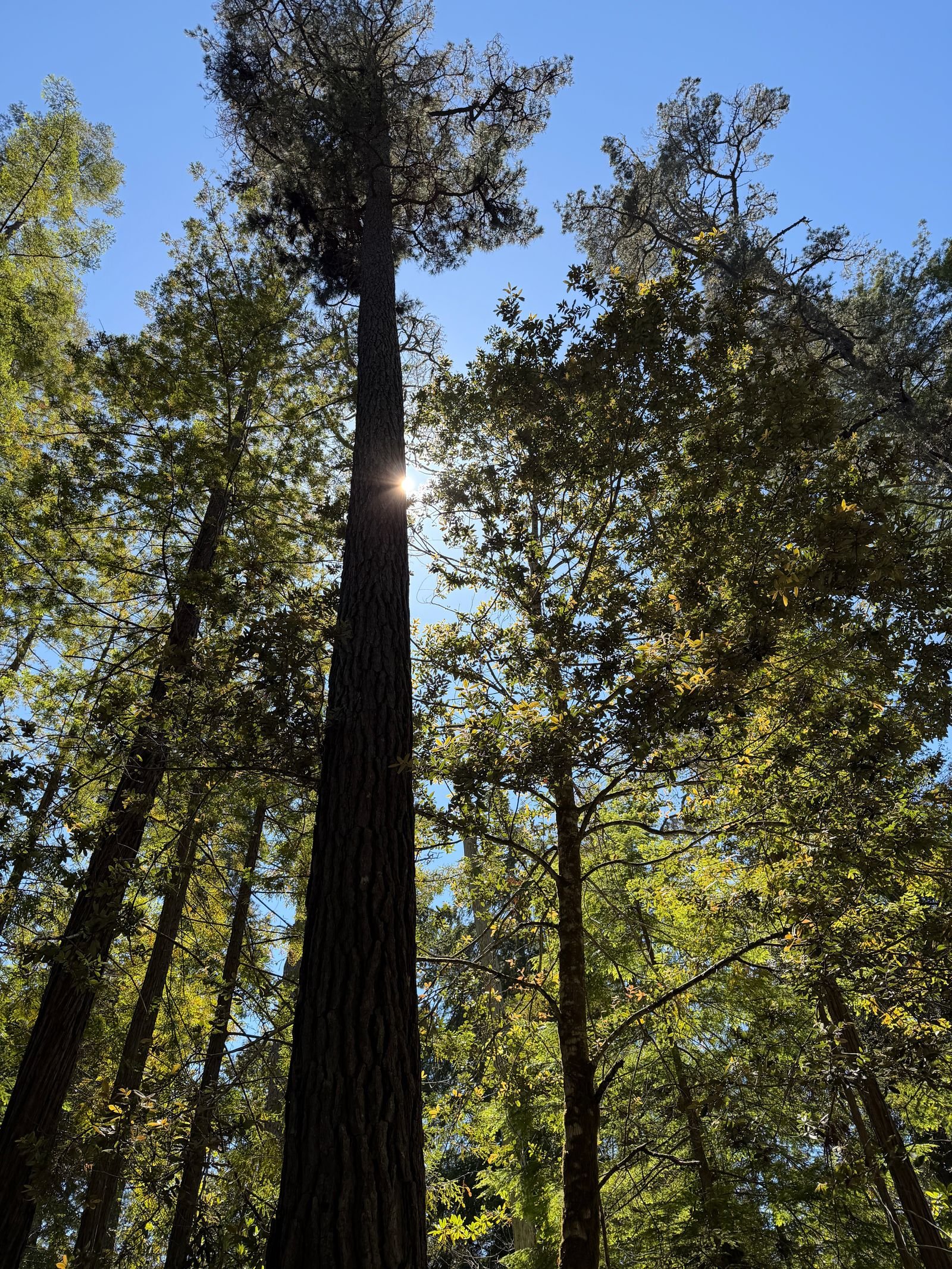
Redwood National Park is home to the tallest trees on Earth. In the far north of California, along a wild and foggy coast, coast redwoods rise more than 100 metres into the sky, and some of them are more than 2,000 years old. Walking among them is a humbling experience, because the trees are so tall that you cannot see their tops, and the forest floor is quiet, cool and green, with ferns, mosses and fallen logs. This complete guide to Redwood National Park will help you plan a visit to the tallest trees, the best trails, Fern Canyon, the beaches and the ancient forests of northern California.
Redwood National Park is not a single park, it is a complex of four parks that are managed together: Redwood National Park itself, and three California state parks, Jedediah Smith Redwoods, Del Norte Coast Redwoods and Prairie Creek Redwoods. Together they protect almost half of the remaining old-growth coast redwood forest in the world, and they were listed as a UNESCO World Heritage Site in 1980. The parks are spread along the coast, from the Oregon border to the town of Orick, and they include not only redwood forest, but also beaches, rivers, prairies and oak woodlands. A visit to Redwood National Park is a chance to see a forest that has existed for millions of years, and to understand why it is so important to protect it.
Why Redwood National Park Is So Special
Redwood National Park is special because of the trees themselves. Coast redwoods, Sequoia sempervirens, are the tallest living things on Earth. The tallest known tree, a redwood named Hyperion, is about 116 metres tall, which is taller than the Statue of Liberty, and many other redwoods are more than 100 metres tall. The trees grow only in a narrow strip along the coast of northern California and southern Oregon, where the summer fog provides the moisture they need, and they can live for more than 2,000 years. Standing at the base of a redwood, looking up at a trunk that is wider than a car, is an experience that is hard to describe.
The forest is also special because it is a whole ecosystem. The redwoods create their own climate, with cool, damp air, and the forest floor is full of life, including ferns, sorrel, mushrooms, banana slugs, salamanders and birds. Roosevelt elk graze in the prairies at the edge of the forest, and you may see them in Prairie Creek Redwoods State Park, especially in the early morning. The parks also include a wild coastline, with sea stacks, tide pools and grey whales migrating offshore, and rivers where salmon and steelhead spawn in the autumn.
Redwood National Park is also a place with a powerful conservation history. In the nineteenth and twentieth centuries, most of the old-growth redwood forest was logged, and by the 1960s only a small part remained. The national park was established in 1968, after a long campaign by conservationists, and it was expanded in 1978 to protect more of the forest. Today the park is a symbol of what can be saved when people act to protect a natural wonder, and it is a reminder that the tallest trees on Earth are also among the most vulnerable.
The Best Things to Do in Redwood National Park
Start with the Stout Grove, in Jedediah Smith Redwoods State Park, which is one of the most beautiful redwood groves in the world. A short, easy trail winds through a flat grove of huge trees, with ferns and sorrel on the forest floor, and the Smith River nearby. The grove is at its best in the early morning, when the light filters through the trees and the forest is quiet. It is a good place to simply stand and look up, and to understand why the redwoods are so special. The nearby Boy Scout Tree Trail, a longer hike of about nine kilometres, takes you through old-growth forest to a waterfall and to the Boy Scout Tree, a huge redwood that is more than 70 metres tall.
Visit Fern Canyon, in Prairie Creek Redwoods State Park, which is one of the most magical places in Redwood National Park. A narrow canyon, with walls covered in ferns and mosses, and a stream running through it, Fern Canyon was used as a filming location for Jurassic Park, and it feels like a place from another time. You walk in the stream, between walls that are about 15 metres high, and you can see ferns growing from every crack in the rock. Fern Canyon is best visited in summer, when the water is low, and you should wear shoes that can get wet, because you will be walking in the stream.
Drive the Avenue of the Giants, a scenic road through Humboldt Redwoods State Park, which is south of Redwood National Park and is often visited on the same trip. The road winds through old-growth redwood forest, with viewpoints, trails and small towns, and it is one of the most beautiful drives in California. Stop at the Founders Grove, where you can walk among huge trees, and at the Shrine Drive-Thru Tree, a redwood with a tunnel cut through its base that you can drive through. The Avenue of the Giants is a good introduction to the redwoods, and it is a good way to see the forest from your car.
Walk the trails in Prairie Creek Redwoods State Park, which has some of the best hiking in Redwood National Park. The James Irvine Trail, a long hike through old-growth forest to Fern Canyon, is one of the classic walks in the park, and the Miners Ridge Trail and the Prairie Creek Trail are also good choices. The park has elk prairies, where Roosevelt elk graze, and the Gold Bluffs Beach, where you can walk on a wild beach with sea stacks and driftwood. The trails are well marked, and they range from short, easy walks to long, challenging hikes.
Explore the coast of Redwood National Park, which is wild and beautiful. The beaches, including Gold Bluffs Beach, Enderts Beach and Crescent Beach, are good for walking, for tide pooling and for watching the sunset. The coast is also a good place to see grey whales, which migrate past the park in spring and autumn, and to see sea lions and seabirds. The coastal trail, which runs along the cliffs and through the forest, is a good way to see the park from a different perspective, and it is less crowded than the main redwood groves.

Redwood National Park is often compared with other great forests, including the Amazon Rainforest, which is a very different kind of forest, hot, humid and full of wildlife, and with the forests of Jeju Island in South Korea, which are smaller and set in a volcanic landscape. The redwoods are different because they are the tallest trees on Earth, and because the forest is cool, quiet and ancient, and walking among them is a peaceful and humbling experience.
When Is the Best Time to Visit Redwood National Park?
The best time to visit Redwood National Park is from May to October. In these months the weather is warm and dry, the trails are open, and the fog is less frequent, although the coast can still be foggy in the morning. June, July and August are the busiest months, with warm days and long daylight hours, while May, September and October are quieter, with pleasant weather and autumn colours in the forest. September and October are especially good for photography, because the light is softer and the crowds are smaller.
Winter, from November to March, is a quiet and beautiful time to visit Redwood National Park. The forest is green and wet, the rivers are full, and the park is almost empty, and the redwoods are at their most dramatic in the rain and fog. Some trails and roads may be closed in winter, and the weather is cold and wet, but a winter visit is a memorable experience if you are prepared for the rain. The park is open all year, and the redwoods are beautiful in every season.
Whatever the season, the fog is a constant presence in Redwood National Park. The summer fog, which rolls in from the ocean in the morning and burns off in the afternoon, is essential for the redwoods, because it provides the moisture they need in the dry summer. The fog also makes the forest feel mysterious and quiet, and it is a good time for photography, because the light is soft and diffused. Bring layers, because the temperature can change quickly, and wear shoes with good grip, because the trails can be muddy and slippery.
How to Get to Redwood National Park and Get Around
Most visitors reach Redwood National Park by flying to San Francisco, Sacramento or Portland, and then driving north on Highway 101. The drive from San Francisco takes about six hours, and it is a beautiful drive through wine country, redwood forest and the coast. The nearest airports are in Arcata and Eureka, which are about an hour from the southern part of the park, and in Medford, Oregon, which is about two hours from the northern part. There are also buses from Arcata and Eureka to the park, although a car is the best way to explore.
Getting around Redwood National Park is easy by car, because the parks are spread along Highway 101, and the main groves, trails and beaches are close to the road. The park has visitor centres in Crescent City, Orick and Hiouchi, where you can get maps, information and advice on the trails. The roads in the park are well maintained, although some, such as the road to Fern Canyon, are unpaved and can be rough, and you should check the conditions before you drive. Allow time for the drive, because the road is winding and the viewpoints are many.
Walking is the best way to see Redwood National Park, and the trails range from short, easy walks to long, challenging hikes. The trails are well marked, and the visitor centres can advise you on the best walks for your fitness and time. Bring water, food and a map, because there are few facilities in the park, and the phone signal is not reliable in the forest. The park is large, so plan your days around the areas you want to visit, and allow time to drive between them.
Where to Stay Near Redwood National Park and Practical Tips
Crescent City, in the north of the park, and Eureka and Arcata, in the south, are the best bases for a visit to Redwood National Park. Crescent City is close to Jedediah Smith Redwoods State Park and to the coast, and it has a good choice of hotels and restaurants. Eureka and Arcata are larger towns, with more choice, and they are a good base for Prairie Creek Redwoods State Park and for the Avenue of the Giants. Book well in advance for summer, because the best hotels fill up quickly, and consider staying in a cabin or a campsite in the park, which is a good way to experience the forest at night.
Camping in Redwood National Park is a special experience, with campsites in the forest, near the beach and along the rivers. The campsites are popular in summer, so book in advance, and bring warm clothing, because the nights are cool and damp. The park also has backcountry campsites, which you can reach on foot, and which offer a quieter and more remote experience. If you camp, store your food carefully, because bears and other animals are present in the park, and follow the advice of the rangers.
For food, eat in the towns around the park, which have good restaurants, cafes and markets, with local seafood, produce and craft beer. Bring a packed lunch for the trails, because there are few places to eat in the park, and carry water, because the trails can be long and the weather can be warm. The park is in California, so the currency is the US dollar, and cards are accepted in most places, although small campsites may prefer cash. Respect the forest, stay on the trails, and do not climb the trees or carve your name in the bark, because the redwoods are protected.
Conclusion: Is Redwood National Park Worth Visiting?
Redwood National Park is worth visiting, and it is one of the most humbling places in the world. The tallest trees on Earth, the ancient forest, the foggy coast and the quiet trails are unlike anything else in North America, and a visit to the redwoods is an experience that stays with you for life. Plan your trip around the seasons, book early, and allow at least two or three days to walk among the trees, to visit Fern Canyon, and to explore the coast. If you do, Redwood National Park will give you far more than a photograph, and you will understand why the redwoods are one of the great natural wonders of the world.
Frequently Asked Questions About Redwood National Park
How many days do you need in Redwood National Park?
Two to three days is ideal for Redwood National Park. That gives you time to visit Stout Grove, Fern Canyon, Prairie Creek and the Avenue of the Giants, without rushing. One day is enough for the main highlights, while four or five days lets you hike longer trails and explore the coast.
What is the tallest tree in Redwood National Park?
The tallest tree in Redwood National Park is Hyperion, a coast redwood that is about 116 metres tall. Its exact location is kept secret, to protect it, but there are many other redwoods in the park that are more than 100 metres tall, and you can see them on the main trails, including in Stout Grove and in Prairie Creek.
When is the best time to visit Redwood National Park?
The best time to visit Redwood National Park is from May to October, when the weather is warm and dry and the trails are open. September and October are quieter, with pleasant weather, while July and August are the busiest months. Winter is also beautiful, with rain, fog and green forest, but some trails may be closed.
Do you need a car in Redwood National Park?
A car is very useful in Redwood National Park, because the parks are spread along Highway 101, and the main groves, trails and beaches are close to the road. Buses run from Arcata and Eureka to the park, but a car gives you more freedom to explore at your own pace.
Can you camp in Redwood National Park?
Yes, you can camp in Redwood National Park, in campgrounds in the forest and near the beach, and in backcountry campsites that you reach on foot. Book in advance for summer, because the campsites are popular, and bring warm clothing, because the nights are cool and damp.



3 Comments