
Yellowstone National Park: Complete Guide to Geysers, Wildlife and Grand Canyon of the Yellowstone
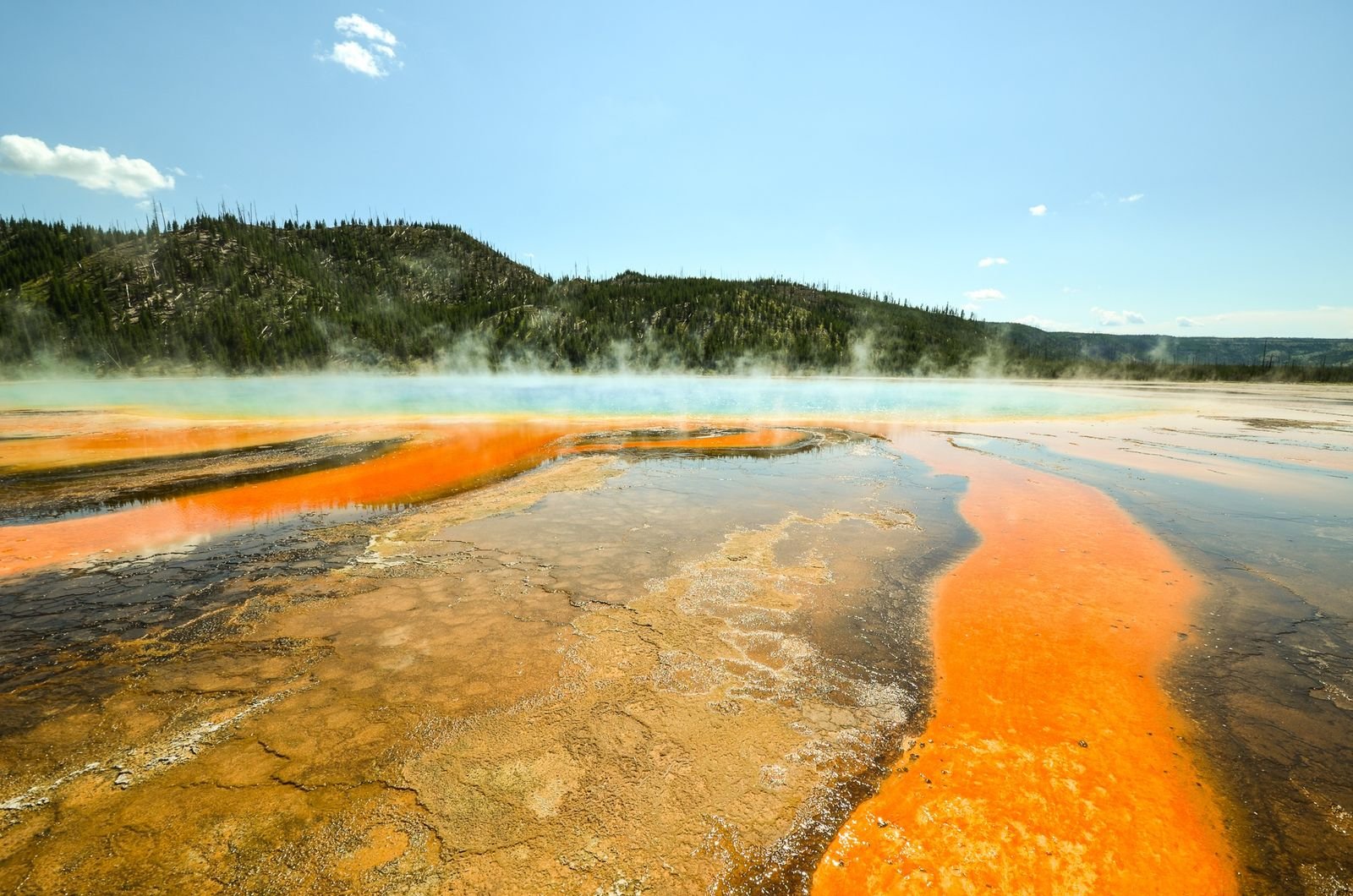
Yellowstone National Park is America’s first national park and one of the most extraordinary places on Earth. In the northwest corner of Wyoming, Yellowstone National Park sits on top of a supervolcano, and its geysers, hot springs, and mud pots are unlike anything else in the world. Add in bison, bears, elk, and wolves, plus a canyon, a lake, and waterfalls, and you have a park that deserves at least a week of your time.
This complete guide to Yellowstone National Park covers the best things to do, from Old Faithful and Grand Prismatic Spring to the Grand Canyon of the Yellowstone and the wildlife of Lamar Valley. You will find honest advice on when to visit, how to get there, where to stay, and how to enjoy the park safely and without the crowds. Whether you are planning a first family trip or a serious wildlife holiday, Yellowstone National Park will not disappoint.
Why Visit Yellowstone National Park
Yellowstone National Park is special because it is a living volcano. The ground beneath your feet is hot, the earth steams and bubbles, and geysers erupt on a regular schedule. Nowhere else in the world can you see so many geysers and hot springs in one place. The colours are just as amazing as the geology, from the rainbow rings of Grand Prismatic Spring to the white terraces of Mammoth Hot Springs and the yellow canyon walls that gave the park its name.
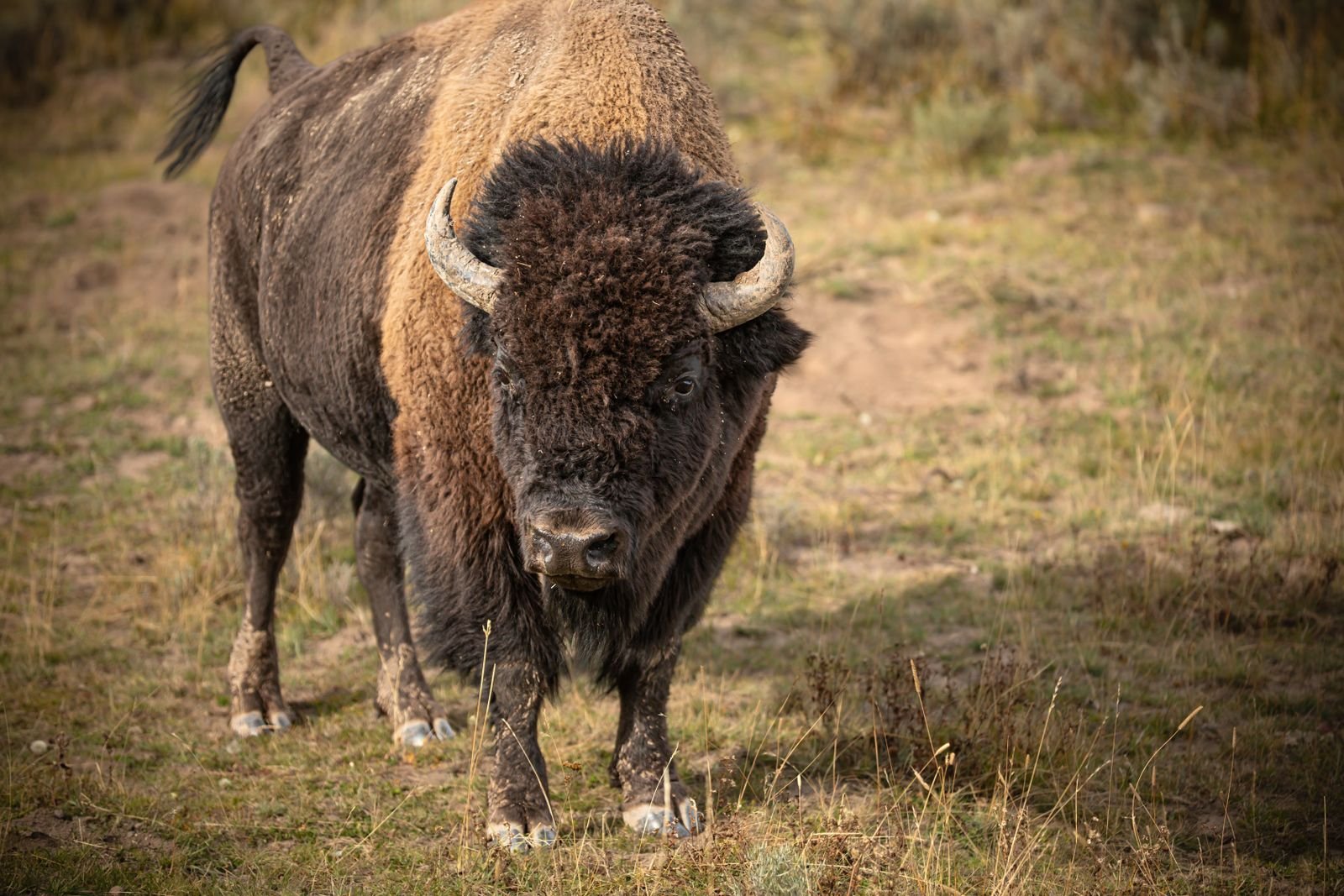
The wildlife of Yellowstone is equally famous. The park is one of the best places in North America to see bison, elk, grizzly bears, and wolves in the wild. Lamar Valley, in the northeast of the park, is known as America’s Serengeti, and a morning drive there can bring sightings of wolves, bears, and pronghorn. The park is also home to the largest free-roaming bison herd in the United States, and seeing a herd cross the road is a moment you will never forget.
Yellowstone is also a very practical park to visit. The Grand Loop Road connects the main sights, the visitor centres are excellent, and the ranger programmes are some of the best in the National Park Service. That combination of wild nature and good infrastructure makes Yellowstone National Park a perfect choice for families, photographers, and first-time visitors to the American West.
If you love forests and wildlife, you will also enjoy our guides to Redwood National Park: Complete Guide to California’s Tallest Trees and Ancient Forests and Amazon Rainforest: The World’s Largest Tropical Rainforest. Both are journeys built around ancient forests, wildlife, and unforgettable scenery, just like Yellowstone.
Best Things to Do in Yellowstone National Park
The best things to do in Yellowstone National Park are spread around the Grand Loop Road, so plan your days by area. The geyser basins are in the west, the canyon and the lake are in the centre, and the wildlife valleys are in the north and east. Here are the highlights to build your trip around.
Old Faithful
Old Faithful is Yellowstone’s most famous geyser, and it erupts about every 90 minutes, shooting water up to 55 metres into the air. Arrive at the Old Faithful Visitor Education Center, check the predicted eruption time, and take a seat on the boardwalk benches. While you wait, walk the Upper Geyser Basin, which has the largest concentration of geysers in the world, including the colourful Morning Glory Pool.
Grand Prismatic Spring
Grand Prismatic Spring is the largest hot spring in the United States, and its rings of orange, yellow, and green are one of the most photographed sights in Yellowstone. Walk the boardwalk at ground level to feel the heat and see the colours up close, then climb to the overlook on the Fairy Falls trail for the classic view from above. Go in the middle of the day, when the sun is high and the colours are at their brightest.
Grand Canyon of the Yellowstone
The Grand Canyon of the Yellowstone is a 32-kilometre canyon carved by the Yellowstone River, with yellow and pink walls and two great waterfalls, the Upper Falls and the Lower Falls. The Lower Falls, at 94 metres, is almost twice the height of Niagara Falls, and the view from Artist Point is one of the most famous in the park. Walk the rim trails on both sides of the canyon for different views of the falls and the river below.
Lamar Valley Wildlife Watching
Lamar Valley is the best place in Yellowstone for wildlife watching, especially at dawn and dusk. Bring binoculars and a spotting scope, and look for wolves, grizzly bears, bison, elk, and pronghorn in the open meadows. The wolf watchers who gather at the pullouts are friendly and happy to share their scopes, and they can tell you where the wolves were seen that morning.
Yellowstone Lake
Yellowstone Lake is the largest high-elevation lake in North America, and it is a beautiful place for a boat trip, a lakeside walk, or a picnic. The lake is cold and deep, and its shores are dotted with geysers and hot springs. Take a boat tour from Bridge Bay Marina, walk the lakeshore trail at West Thumb, and watch for pelicans and ospreys fishing over the water.
Mammoth Hot Springs
Mammoth Hot Springs, in the north of the park, is a landscape of white travertine terraces that look like a frozen waterfall. Boardwalks lead through the terraces, past hot springs and steam vents, and the historic Fort Yellowstone buildings nearby tell the story of the early days of the park. Elk often graze on the lawns around the visitor centre, so keep your distance and enjoy the view.
When to Visit Yellowstone National Park
The best time to visit Yellowstone National Park is from late May to September, when all the roads are open and the weather is warmest. June is a wonderful month, with baby bison and elk, wildflowers, and fewer crowds than July and August. September is quieter, with golden aspen trees and elk in rut, and it is many visitors’ favourite month in the park.
Winter in Yellowstone, from December to March, is a magical time. The park is covered in snow, the geysers steam in the cold air, and bison walk through the snow beside the roads. Most roads are closed to cars in winter, and you must travel by snowcoach or snowmobile, which makes the park feel wild and remote. Spring and autumn are the quietest seasons, with lower prices and fewer visitors, but some facilities may be closed.
How to Get to Yellowstone National Park
Most visitors fly to Bozeman, Jackson, or Salt Lake City, and then drive to Yellowstone National Park. Bozeman is the closest major airport, about 90 minutes from the north entrance at Gardiner. Jackson, in Wyoming, is about an hour from the south entrance, and it is a beautiful drive through Grand Teton National Park. Salt Lake City is a longer drive, about five hours, but it has more flights and often cheaper car hire.
Once in the park, a car is essential, because the distances are long and there is no public transport between the main sights. The Grand Loop Road is a figure of eight, and it takes at least two days to drive it properly. Fill up with fuel whenever you can, because petrol stations are few and far between, and book your accommodation well in advance, because the park lodges sell out months ahead.
Where to Stay in Yellowstone National Park
Staying inside Yellowstone National Park is the best way to enjoy the park, because you can be at the geysers at dawn and the wildlife valleys at dusk. The Old Faithful Inn, the Lake Yellowstone Hotel, and the Canyon Lodge are the most famous park lodges, and they book up a year in advance. For a budget option, the park campgrounds are excellent, but you must book through the National Park Service and be prepared for bears.
If you stay outside the park, the towns of Gardiner, West Yellowstone, and Cooke City are the most convenient, with hotels, restaurants, and shops. West Yellowstone is the busiest gateway town, with the most choice, while Gardiner is quieter and closer to Mammoth Hot Springs. Wherever you stay, book as early as you can, especially for summer, because Yellowstone is one of the most visited parks in America.
Practical Tips for Visiting Yellowstone National Park
Yellowstone is a wild place, and a little preparation will keep you safe. The geysers are hot, the wildlife is wild, and the weather can change in an hour.
- Stay on the boardwalks: The ground around geysers and hot springs is thin and boiling hot, so never leave the boardwalks in thermal areas.
- Keep your distance: Stay at least 25 metres from bison and elk, and at least 100 metres from bears and wolves, and never approach wildlife.
- Carry bear spray: Learn how to use bear spray before you hike, and carry it on every trail in the park.
- Start early: Arrive at Old Faithful and Grand Prismatic Spring before 9am to beat the crowds and enjoy the best light.
- Pack for all weather: Bring layers, a waterproof jacket, and sun protection, because mountain weather changes quickly.
Conclusion
Yellowstone National Park is a place that lives up to its reputation. Its geysers, hot springs, and canyons are extraordinary, and its wildlife is among the finest in North America. Plan ahead, book your accommodation early, and give yourself time to slow down. The best moments in Yellowstone often come when you stop, look around, and watch a bison cross the road or a geyser erupt against the sky. It is a park that rewards patience, and it is a trip you will remember for the rest of your life.
Frequently Asked Questions
How many days do I need in Yellowstone National Park?
Three to four days is a good minimum for Yellowstone National Park, giving you time for the geyser basins, the canyon, the lake, and Lamar Valley. With five or six days you can add longer hikes and a visit to Grand Teton National Park.
When is the best time to visit Yellowstone National Park?
The best time to visit Yellowstone National Park is from late May to September, when all the roads are open. June and September are quieter than July and August, with good weather and excellent wildlife watching.
Is Yellowstone National Park safe?
Yes, Yellowstone National Park is safe if you follow the rules. Stay on the boardwalks in thermal areas, keep your distance from wildlife, carry bear spray on hikes, and check the weather before you travel.
Do I need to book accommodation in advance?
Yes, book accommodation in Yellowstone National Park as early as you can, because the park lodges and campgrounds sell out months ahead in summer. Book at least six months in advance for the best choice.



One Comment