Hallstatt, Austria: Complete Guide to the Lakeside Village, the Salt Mine and Lake Hallstatt
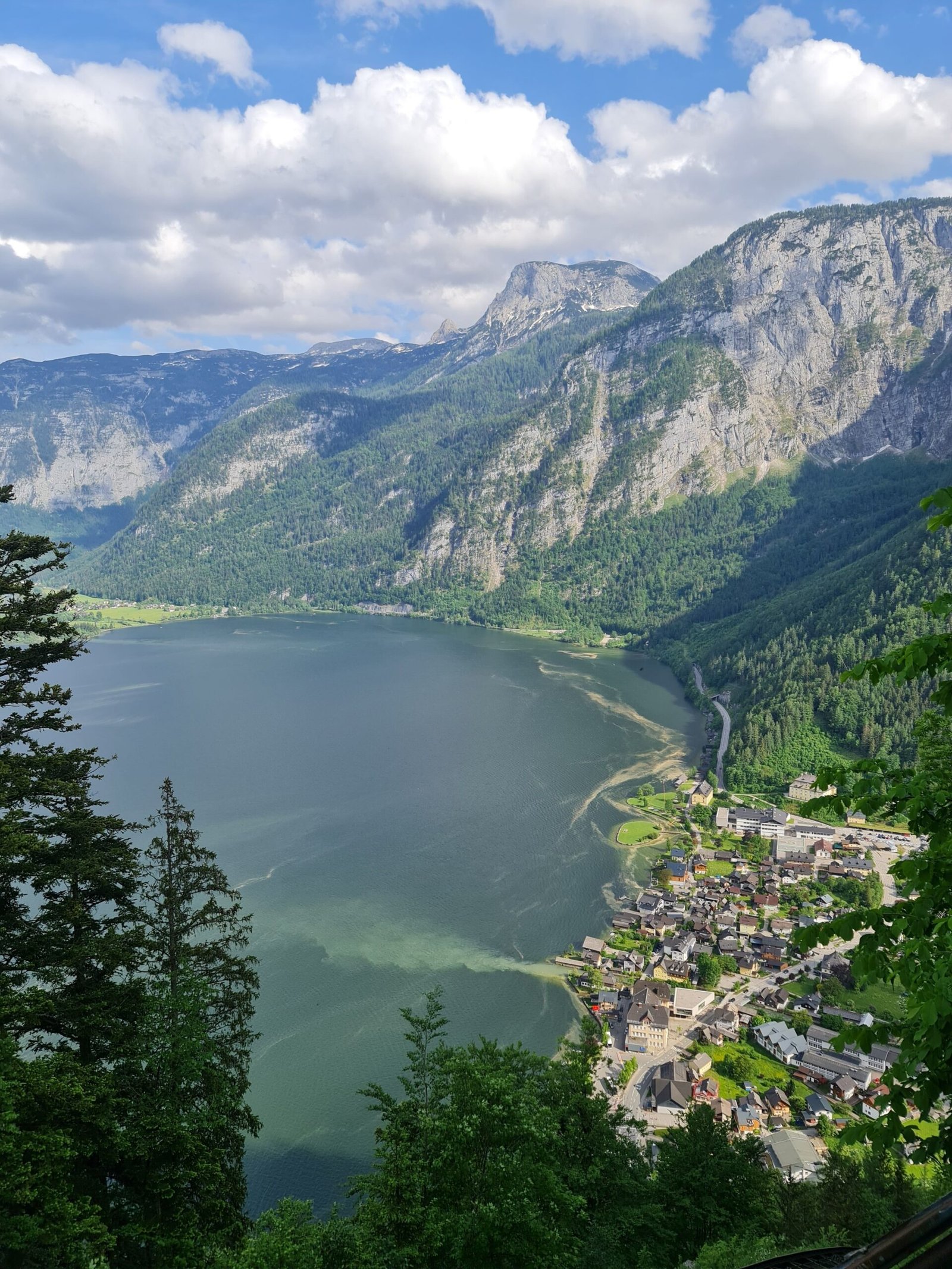
Hallstatt is one of the most beautiful villages in Europe, and it is also one of the oldest. The village sits on a narrow strip of land between the steep slopes of the Dachstein mountains and the dark, still water of Lake Hallstatt, in the Salzkammergut region of Austria, and its pastel houses, its church spire and its lakeside promenade have made it one of the most photographed places in the world. Hallstatt is a UNESCO World Heritage Site, and it is also a working village with a history that stretches back seven thousand years, to the salt mine that made it rich and gave its name to an entire age of European prehistory. To visit Hallstatt is to step into a place that feels both timeless and impossibly picturesque.
What makes Hallstatt so special is the combination of beauty and history. The village is small enough to explore on foot in an hour, yet it rewards a longer stay, with a salt mine to explore, a skywalk with a panoramic view, a lake to cross by boat, and mountains to climb above the village. The setting is dramatic: the lake is deep and still, the mountains rise steeply on every side, and the mist that often hangs over the water in the morning gives the village a dreamlike quality. Whether you come for a day trip from Salzburg or stay overnight to see the village after the crowds have gone, Hallstatt is a place that lives up to its reputation.
Where Is Hallstatt?
Hallstatt lies in the Salzkammergut, the lake district of Upper Austria, about seventy kilometres south-east of Salzburg and about two hundred kilometres west of Vienna. The village sits on the western shore of Lake Hallstatt, known in German as the Hallstatter See, at the foot of the Dachstein massif, and it is part of the UNESCO World Heritage Site of Hallstatt-Dachstein and the Salzkammergut. The region is a landscape of lakes, mountains and forests, with the towns of Bad Ischl, St Wolfgang and Bad Goisern nearby, and it has been a place of salt mining, farming and tourism for centuries.
The geography of Hallstatt is part of its charm and part of its challenge. The village is built on a narrow shelf between the mountain and the lake, so narrow that in places the houses seem to rise straight from the water, and there is no room for a main road through the village. The only way to reach Hallstatt by train is to take the train to Hallstatt station on the far side of the lake and then cross by ferry, a short and scenic journey that is one of the great arrivals in Europe. The village is small, with fewer than eight hundred residents, and it has managed to preserve its character despite becoming one of the most visited places in Austria.
Why Visit Hallstatt?
People come to Hallstatt for the beauty of the village and the lake, and they stay for the history. The salt mine above the village is the oldest in the world, with mining that dates back more than seven thousand years, and the Hallstatt culture, the early Iron Age culture of central Europe, takes its name from the village. The village itself is a delight to wander, with its narrow lanes, its wooden balconies, its lakeside square and its church, and the views from the skywalk above the village are among the best in Austria. The lake offers boat trips, swimming and kayaking, and the Dachstein mountains offer hiking, ice caves and panoramic viewpoints.
Hallstatt is also a place to slow down. The village is at its best in the early morning and the late evening, when the day-trippers have gone and the mist rises from the lake, and an overnight stay lets you see it at its most peaceful. The Salzkammergut region around Hallstatt is worth exploring too, with the lakes of Wolfgangsee and Mondsee, the spa town of Bad Ischl, and the mountains of the Dachstein. Whether you come for a few hours or a few days, Hallstatt is a destination that rewards a thoughtful visit.
The Old Town of Hallstatt
The old town of Hallstatt is small, and it is best explored on foot. Start at the lakeside square, the Marktplatz, with its pastel houses, its cafes and its fountain, and wander through the narrow lanes that climb between the houses to the church. The Evangelical church, with its slender spire, is the most photographed building in the village, and it stands on a terrace above the lake with a view across the water to the mountains. The Catholic church, with its charnel house and its painted skulls, is a reminder of the village’s long history and its limited space for burial.
The lakeside promenade is the heart of the village, and it is the place to stroll in the evening, when the light fades over the lake and the houses are reflected in the water. The promenade is lined with cafes, restaurants and small shops, and it is a good place to sit with a coffee and watch the boats on the lake. The village has a small museum, the Welterbemuseum, which tells the story of the salt mine and the Hallstatt culture, and it is worth a visit before you go up to the mine, as it gives context to what you will see. Take your time in the old town, and look up: the wooden balconies, the flower boxes and the painted houses are part of what makes Hallstatt so charming.
The Salt Mine and the Skywalk
The salt mine above Hallstatt is the oldest salt mine in the world, and it is the reason the village exists. Salt was mined here more than seven thousand years ago, and the mine was the source of the village’s wealth for centuries. Today the mine is open to visitors, who take a funicular up the mountain and then walk into the tunnels, where guides explain the history of mining, the geology of the salt and the life of the miners. The tour includes wooden slides, which the miners used to descend between levels, and a subterranean salt lake, and it is a fascinating and fun experience for all ages.
Above the mine, the Hallstatt Skywalk, known as the Welterbeblick, is a viewing platform that hangs over the village, 360 metres above the lake, with a panoramic view of Hallstatt, the lake and the Dachstein mountains. The view from the skywalk is one of the best in Austria, and it is the place to understand the geography of the village: the narrow shelf of land, the steep mountain and the deep lake. The skywalk is reached by the same funicular as the mine, and it is worth visiting early in the morning or late in the afternoon, when the light is at its best and the crowds are thinner.
Lake Hallstatt: Boats and Swimming
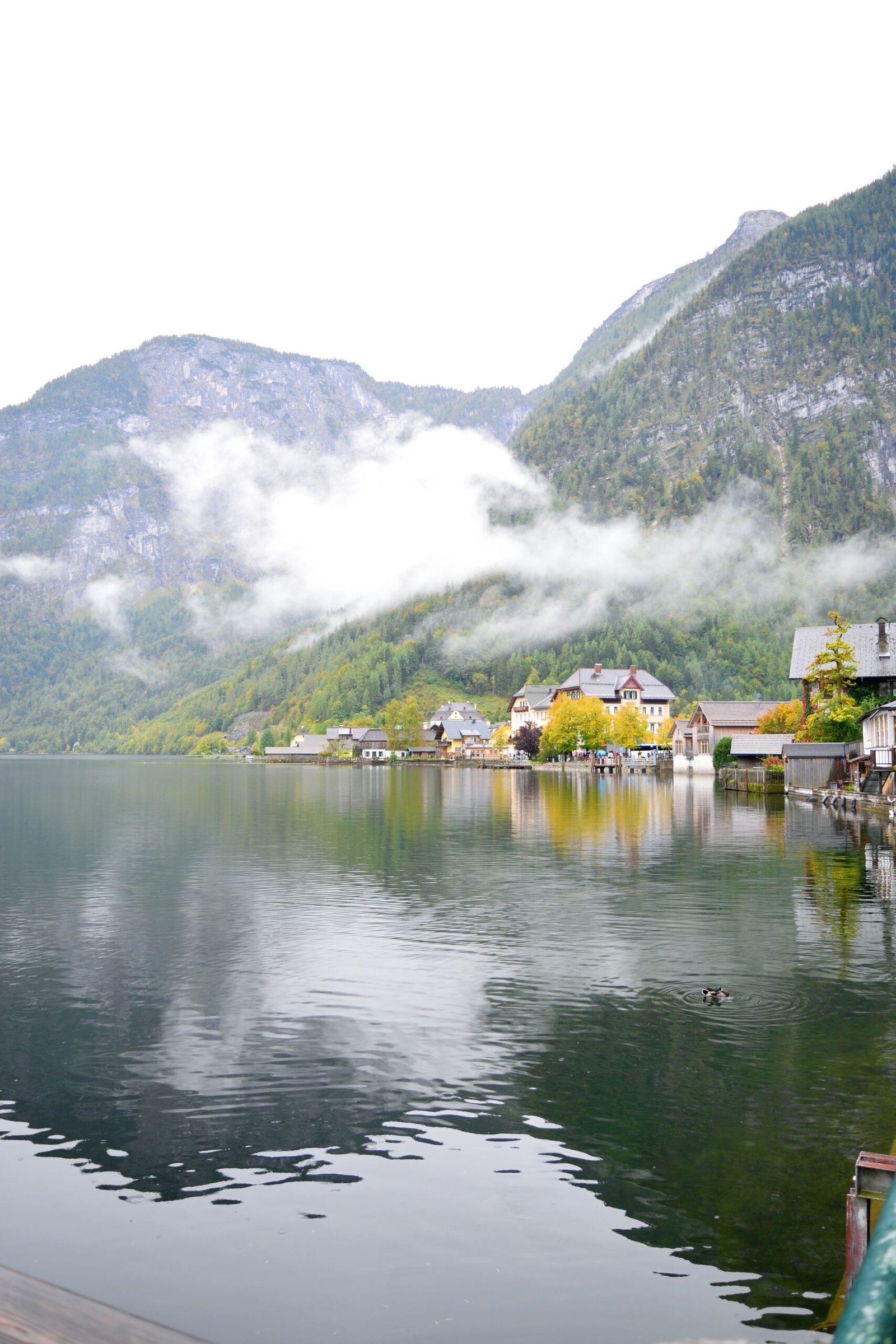
Lake Hallstatt is the centrepiece of the village, and the best way to appreciate it is from the water. The ferry that crosses from Hallstatt station to the village is the most practical boat trip, and it offers a wonderful view of the village from the lake, but there are also sightseeing boats that cruise the lake, electric boats for hire, and kayaks for those who want to explore the shoreline. The lake is deep and cold, and it is fed by mountain streams, so the water is clear and clean, and it is a good place for swimming in summer, though it is never warm.
The shoreline around Hallstatt is steep and wooded, and the lake is at its most beautiful in the early morning, when the mist hangs over the water, and in the evening, when the sun sets behind the mountains. The public bathing areas near the village are a good place to swim, and the lake is also popular with anglers and with stand-up paddleboarders. If you have time, take a boat trip to the southern end of the lake, where the village of Obertraun sits at the foot of the Dachstein, and where the mountains are at their most dramatic. The lake is a place to slow down and to enjoy the stillness.
The Dachstein Mountains and the Ice Caves
Above Hallstatt, the Dachstein massif offers some of the best mountain experiences in Austria. The Dachstein Krippenstein cable car, from the village of Obertraun across the lake, takes you to a high plateau with panoramic views over the Salzkammergut, and from there you can visit the Dachstein Giant Ice Cave, one of the largest ice caves in the world, with frozen waterfalls and ice formations inside the mountain. The nearby Mammut Cave, one of the largest limestone caves in Europe, is a different world of tunnels and chambers, and the viewing platform known as the Five Fingers, with its five finger-like platforms extending over a sheer drop, offers a thrilling view of the lake far below.
The Dachstein is also a hiking destination, with trails that cross the plateau and climb to the summit of the Krippenstein, and in winter the mountain is a ski area. The cable car from Obertraun is the main access, and it is worth allowing a full day for the caves and the viewpoints. The weather on the Dachstein can change quickly, so bring warm layers and good shoes, and check the conditions before you go. The mountains above Hallstatt are a reminder that the village is not just a pretty lakeside, but a gateway to a serious mountain landscape.
Best Time to Visit Hallstatt
The best time to visit Hallstatt depends on what you want from the village. Summer, from June to August, is the warmest time, with long days, green mountains and the best weather for boat trips and hiking, but it is also the busiest time, when the village can be crowded with day-trippers. Spring, from April to May, and autumn, from September to October, are excellent times to visit, with mild weather, fewer crowds and beautiful light, and autumn is especially lovely, when the forests around the lake turn gold and red.
Winter, from December to February, is a magical time to visit Hallstatt, when the village is quiet, the lake is often misty, and the snow on the roofs and the mountains gives the village a fairytale quality. The Christmas market in Hallstatt is small and charming, and the winter is a good time to see the village without the crowds. The weather in winter can be cold and foggy, and some attractions have shorter hours, but the peace of the village in winter is worth it. For most visitors, late spring and early autumn offer the best balance of weather and quiet.
How to Get to Hallstatt
Hallstatt is reached by train, bus or car, and the journey is part of the experience. The most scenic way to arrive is by train to Hallstatt station, on the far side of the lake, followed by the ferry across the water to the village. The train runs from Salzburg via Attnang-Puchheim, and the journey takes about two and a half hours, with a change of train and a short walk to the ferry. The ferry meets the trains and takes about ten minutes to cross the lake, and the view of the village from the water is unforgettable.
By car, Hallstatt is about an hour and a half from Salzburg and about three hours from Vienna, and the drive through the Salzkammergut is beautiful. Parking in the village is limited, and cars are not allowed in the old town, so park in the car parks outside the village and walk in. Day trips by bus from Salzburg and Vienna are popular, and they are a convenient way to visit if you do not want to drive, though they give you only a few hours in the village. If you can, stay overnight, and arrive by train and ferry for the most memorable entrance.
Where to Stay in Hallstatt
Hallstatt has a small number of hotels, guesthouses and apartments, and they are in high demand, so book well in advance, especially in summer. The hotels on the lakeside have the best views, and they are the most expensive places to stay, but they offer the experience of waking up to the lake and the mountains. The guesthouses in the village are simpler and more affordable, and they offer a warm welcome and a good breakfast. Self-catering apartments are also available, and they are a good option for families and longer stays.
If you cannot find accommodation in Hallstatt itself, the nearby villages of Obertraun, Bad Goisern and Gosau offer good alternatives within a short drive or train ride, and they are quieter and cheaper than Hallstatt. Obertraun, across the lake, is the best alternative, as it is close to the Dachstein cable car and has a lakeside setting of its own. Wherever you stay, book early, as the village is small and the demand is high, and consider staying for two nights, so that you can see the village in the evening and the morning, when it is at its most beautiful.
Practical Tips for Visiting Hallstatt
Hallstatt is a small village that receives a large number of visitors, so be a respectful guest. The village is home to fewer than eight hundred people, and the residents live and work in the houses you are photographing, so keep the noise down, do not block the lanes, and do not enter private gardens or peer into windows. The village has introduced measures to manage tourism, including limits on tour buses, and it is worth visiting early in the morning or late in the evening, when the day-trippers have gone and the village is quiet.
Wear good shoes, as the lanes are steep and cobbled, and bring layers, as the weather by the lake can change quickly and the mountain is cooler than the village. Cash is useful for small purchases, though most places accept cards. If you are visiting the salt mine or the Dachstein caves, book tickets in advance in the busy season, and allow plenty of time, as the funicular and the cable car can have queues. Hallstatt is a place to enjoy slowly, and a little patience and respect will make your visit better for everyone.
If you liked Hallstatt, you will also enjoy our guides to Lake Bled and to Lake Como.
Conclusion
Hallstatt is a village that lives up to its reputation, and then some. It is beautiful, it is historic, and it is set in one of the most dramatic landscapes in Europe, between a deep lake and a steep mountain. The salt mine, the skywalk, the lake and the Dachstein caves give you plenty to do, but the real pleasure of Hallstatt is simply being there: walking the lanes in the early morning, watching the mist rise from the lake, and seeing the village reflected in the water at dusk. Stay overnight if you can, arrive by train and ferry, visit the mine, and let Hallstatt show you why it has captivated travellers for centuries.
Frequently Asked Questions
How many days do you need in Hallstatt?
One night and two days is ideal. That gives you a day for the village, the salt mine and the skywalk, and a morning for the lake or the Dachstein caves. A day trip is enough for the highlights, but an overnight stay lets you see the village without the crowds.
Is Hallstatt worth visiting despite the crowds?
Yes, if you visit thoughtfully. Arrive early, stay overnight, and explore beyond the main square, and you will find quiet lanes, beautiful views and a village that is still very much alive. The crowds are at their worst in the middle of the day in summer.
How do you get to Hallstatt by train?
Take the train from Salzburg or Vienna to Hallstatt station, on the far side of the lake, and then take the ferry across to the village. The ferry meets the trains and takes about ten minutes, and the crossing is one of the highlights of the journey.
What is the Hallstatt Skywalk?
The Hallstatt Skywalk, or Welterbeblick, is a viewing platform above the village, reached by funicular, that offers a panoramic view of Hallstatt, Lake Hallstatt and the Dachstein mountains. It is 360 metres above the lake, and it is one of the best viewpoints in Austria.
Can you swim in Lake Hallstatt?
Yes, you can swim in the lake in summer, though the water is cold, as it is fed by mountain streams. There are public bathing areas near the village, and the lake is also popular for boating, kayaking and stand-up paddleboarding.