
Niagara Falls: Complete Guide to North America’s Most Famous Waterfalls
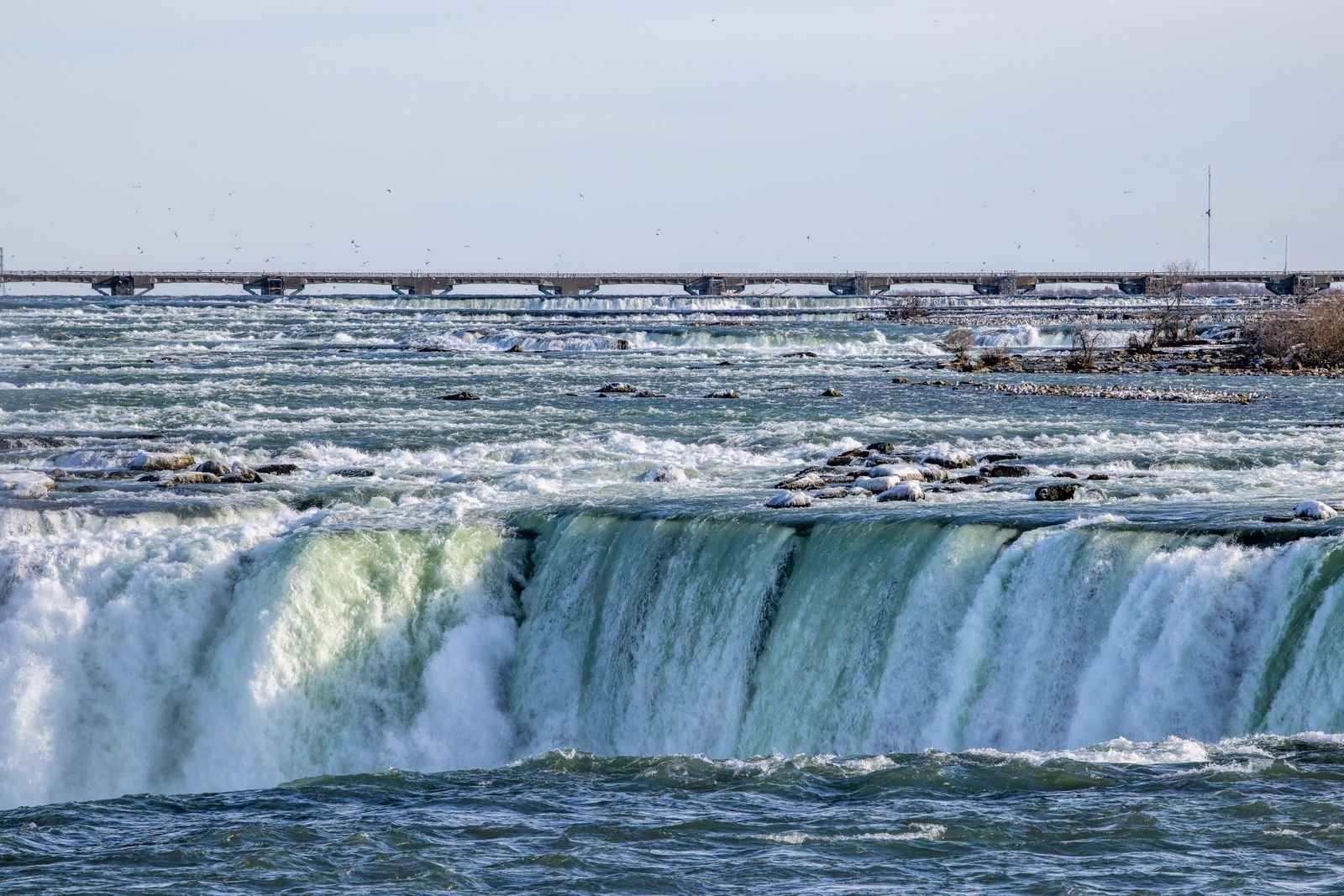
Niagara Falls is one of the most famous waterfalls in the world, and one of the most visited natural attractions in North America. On the border between Ontario in Canada and New York State in the United States, the Niagara River plunges over a cliff in three separate falls, the Horseshoe Falls, the American Falls and the Bridal Veil Falls, and the sound of the water can be heard from far away. This complete guide to Niagara Falls will help you plan a visit, choose the best viewpoints, and decide whether to stay on the Canadian side, the American side, or both.
Niagara Falls is not the tallest waterfall in the world, but it is one of the most powerful. About 2,800 tonnes of water flow over the falls every second at peak flow, and the Horseshoe Falls alone is about 57 metres high and 670 metres wide. The falls have been a honeymoon destination, a daredevil stage and a source of hydroelectric power for more than a century, and they still attract millions of visitors every year. Whether you come for the boat ride into the mist, for the view from the Canadian side, or for a walk in the state park on the American side, Niagara Falls is a place that lives up to its reputation.
Why Niagara Falls Is So Special
Niagara Falls is special because of its scale and its power. Standing at the edge of the Horseshoe Falls, you can feel the ground shake, you can see the river turn green and white as it rushes towards the edge, and you can feel the mist on your face. The falls are not a single narrow cascade, they are a wide, curved wall of water, and the view from the Canadian side, where the Horseshoe Falls curves towards you, is one of the great views in North America.
The falls are also special because they are easy to visit. Unlike many great waterfalls, which require a long hike or a remote journey, Niagara Falls is in a city, with hotels, restaurants, viewpoints and attractions within walking distance. You can see the falls from a hotel room, from a restaurant, from a boat, from behind the falls, and from a tower, all in a single day. That accessibility is part of their appeal, and it is also why the area around the falls is busy and commercial, especially on the Canadian side.
Niagara Falls has a long history as a place of adventure and engineering. In the nineteenth century, daredevils crossed the gorge on tightropes and went over the falls in barrels, and the first hydroelectric power station at Niagara Falls, built in the 1890s, was one of the first in the world. Today the falls are a protected natural area, with a state park on the American side and a park system on the Canadian side, and the water is carefully managed to balance tourism, power generation and the natural landscape.
The Best Things to Do at Niagara Falls
Start with the view of the Horseshoe Falls from the Canadian side. The best viewpoints are along the Niagara Parkway, from Table Rock, which is at the very edge of the Horseshoe Falls, to the Queen Victoria Park, which gives you a wider view of all three falls. Go early in the morning for a quieter visit, and return in the evening, when the falls are lit up in colours and the fireworks, which run on summer evenings, light up the sky. The view from the Canadian side is the classic view of Niagara Falls, and it is the one you will remember.
Take a boat ride into the mist. The Maid of the Mist, which leaves from the American side, and the Niagara City Cruises boat, which leaves from the Canadian side, both take you to the base of the Horseshoe Falls, where the water crashes down around you and the mist soaks you. You will be given a poncho, but you will still get wet, and you should protect your camera. The boat ride is the closest you can get to the falls, and it is the best way to understand their power.
Go behind the falls on the Journey Behind the Falls, on the Canadian side. A lift takes you down to tunnels behind the Horseshoe Falls, where you can look out through portals at the water falling in front of you, and stand on a lower observation deck at the base of the falls. The Cave of the Winds, on the American side, is a different experience, with wooden walkways that take you to the base of the Bridal Veil Falls, where you can stand in the mist and feel the wind. Both attractions are best visited early in the day, before the queues build up.
Walk in Niagara Falls State Park, on the American side. The park, which was established in 1885 and is the oldest state park in the United States, has paths, viewpoints and gardens, and it gives you a quieter, more natural view of the falls. Walk to the Three Sisters Islands, which are small islands in the river above the falls, and to the Niagara Gorge, where you can hike down to the river and see the rapids. The American side is less commercial than the Canadian side, and it is a good place for a walk and for photography.
Visit the town of Niagara-on-the-Lake, about half an hour from the falls, on the Canadian side. This pretty town, with its historic houses, wineries and theatre, is a good contrast to the busy falls area, and it is a good place for a meal and for a walk. The Niagara region is also a wine region, known for its ice wine, which is made from grapes that are left to freeze on the vine, and a visit to a winery is a good way to spend an afternoon after the falls.

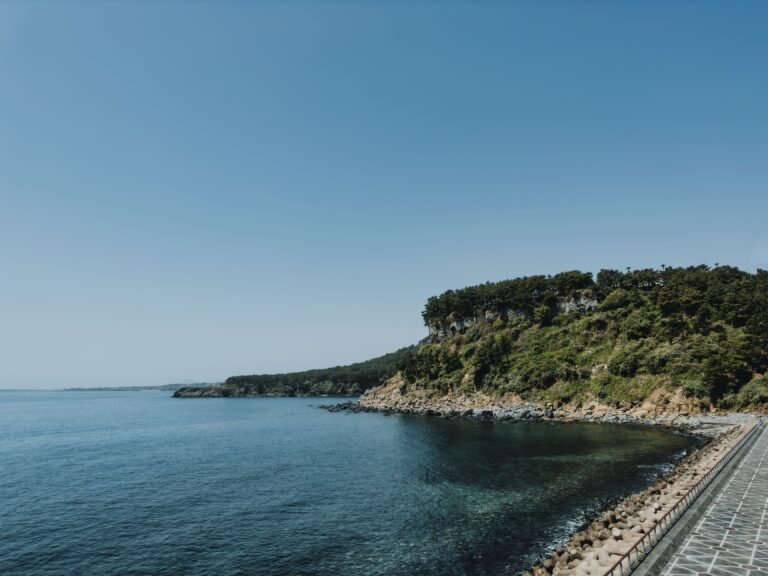
Niagara Falls is often compared with other great waterfalls, including Victoria Falls in Africa, which is taller and wider, and with the waterfalls of Jeju Island in South Korea, which are smaller and set in a volcanic landscape. Niagara is different because it is in a city, it is easy to visit, and it is a place where nature and tourism meet in a way that is unique in the world.
When Is the Best Time to Visit Niagara Falls?
The best time to visit Niagara Falls is from May to October. In these months the weather is warm, the boat rides and the attractions are open, the gardens are in flower, and the falls are at their most lively. June, July and August are the busiest months, with warm days and long queues, while May, September and October are quieter, with pleasant weather and autumn colours in the trees. September and October are especially good for photography, because the light is softer and the crowds are smaller.
Winter, from December to March, is a quiet and beautiful time to visit Niagara Falls. The falls can freeze into huge icicles, the river is covered in ice, and the park is almost empty, and the falls are lit up in the evening. Some attractions, including the boat rides and the Cave of the Winds, are closed in winter, and the weather is cold and windy, but a winter visit is a memorable experience if you are prepared for the cold. The falls are open all year, and the viewpoints are free to visit at any time.
Whatever the season, the mist from Niagara Falls can make the viewpoints wet and slippery, and the wind can be strong, especially near the edge of the Horseshoe Falls. Bring a waterproof jacket, wear shoes with good grip, and protect your camera from the mist. Check the weather before a boat ride, because the boats do not run in high winds, and allow time for the falls at night, when they are lit up and the atmosphere is very different from the daytime.
How to Get to Niagara Falls and Get Around
Most visitors reach Niagara Falls by flying to Buffalo, in New York State, or to Toronto, in Ontario, and then travelling by car, bus or train. Buffalo Niagara International Airport is about half an hour from the American side of the falls, and Toronto Pearson Airport is about an hour and a half from the Canadian side. There are also trains and buses from New York City, Toronto and other cities, and many visitors come on a day trip from Toronto, although staying overnight gives you more time and a chance to see the falls at night.
Getting around Niagara Falls is easy on foot. The main viewpoints, the boat rides, the attractions and the hotels are all within walking distance on both sides, and there is a pedestrian bridge, the Rainbow Bridge, which connects the Canadian and American sides. You will need a passport to cross the border, and you should check the visa requirements for Canada and the United States before you travel. The bridge is a good place for a photograph, with a view of the falls and the gorge below.
If you want to explore the area around Niagara Falls, a car is useful for visiting Niagara-on-the-Lake, the wineries and the Niagara Gorge. Buses and shuttles connect the main attractions, and the WEGO bus system on the Canadian side is a good way to get around without a car. Allow time for the border crossing, which can be slow at weekends and in summer, and check the opening hours of the attractions, because they vary by season.
Where to Stay at Niagara Falls and Practical Tips
The Canadian side of Niagara Falls has the best views and the widest choice of hotels, with many rooms overlooking the falls. A falls-view room is expensive, especially in summer, but it is a memorable experience to wake up to the sound and the sight of the water. The American side is quieter and more affordable, with hotels in the city of Niagara Falls, New York, and it is a good choice if you want a more relaxed stay. Book well in advance for summer, because the best rooms sell out quickly.
For food, eat beyond the main tourist area. The Canadian side has many restaurants with a view of the falls, but they can be expensive and crowded. The town of Niagara-on-the-Lake, and the villages along the Niagara River, have better food and a quieter atmosphere, with local wines and fresh produce. Bring a waterproof jacket and a change of clothes for the boat ride, and carry your passport if you plan to cross the border, because you will need it to return.
Niagara Falls is a place that can be visited in a day, but it is worth staying for at least one night, to see the falls in the evening and in the early morning, when the light is at its best and the crowds are smaller. The falls are lit up every evening, and the fireworks, which run on summer evenings, are a highlight. The currency is the Canadian dollar on the Canadian side and the US dollar on the American side, and cards are accepted almost everywhere, although some small shops prefer cash.
Conclusion: Is Niagara Falls Worth Visiting?
Niagara Falls is worth visiting, and it is worth visiting slowly. The falls are a natural wonder, and their power and beauty are real, even though the area around them is busy and commercial. Take a boat ride into the mist, walk in the state park, see the falls at night, and visit the quieter places nearby, such as Niagara-on-the-Lake. If you do, Niagara Falls will give you far more than a photograph, and you will understand why it has been one of the most visited natural attractions in the world for more than a century.
Frequently Asked Questions About Niagara Falls
How many days do you need at Niagara Falls?
One to two days is ideal for Niagara Falls. One day is enough for the main viewpoints, a boat ride and the attractions on one side, while two days lets you see both the Canadian and American sides, visit Niagara-on-the-Lake, and see the falls at night and in the early morning.
Which side of Niagara Falls is better, Canadian or American?
The Canadian side of Niagara Falls has the best overall view, especially of the Horseshoe Falls, and it has the widest choice of hotels and attractions. The American side is quieter, more natural and more affordable, with a state park and good viewpoints. If you can, visit both sides, because they offer very different experiences.
Do you need a passport to visit Niagara Falls?
You need a passport to cross the border between Canada and the United States at Niagara Falls, and you should check the visa requirements for both countries before you travel. You do not need a passport to visit the falls on one side only, but you will need it if you plan to cross the Rainbow Bridge.
When is the best time to visit Niagara Falls?
The best time to visit Niagara Falls is from May to October, when the weather is warm and the boat rides and attractions are open. September and October are quieter, with autumn colours, while July and August are the busiest months. Winter is also beautiful, with frozen falls and fewer visitors.
Can you swim at Niagara Falls?
No, you cannot swim at Niagara Falls. Swimming in the Niagara River above and below the falls is dangerous and is not allowed. You can get close to the water on the boat rides, on the Journey Behind the Falls and on the Cave of the Winds, but you should not enter the river.



2 Comments