Kaziranga National Park, India: Complete Guide to One-Horned Rhinos, Safaris and the Brahmaputra
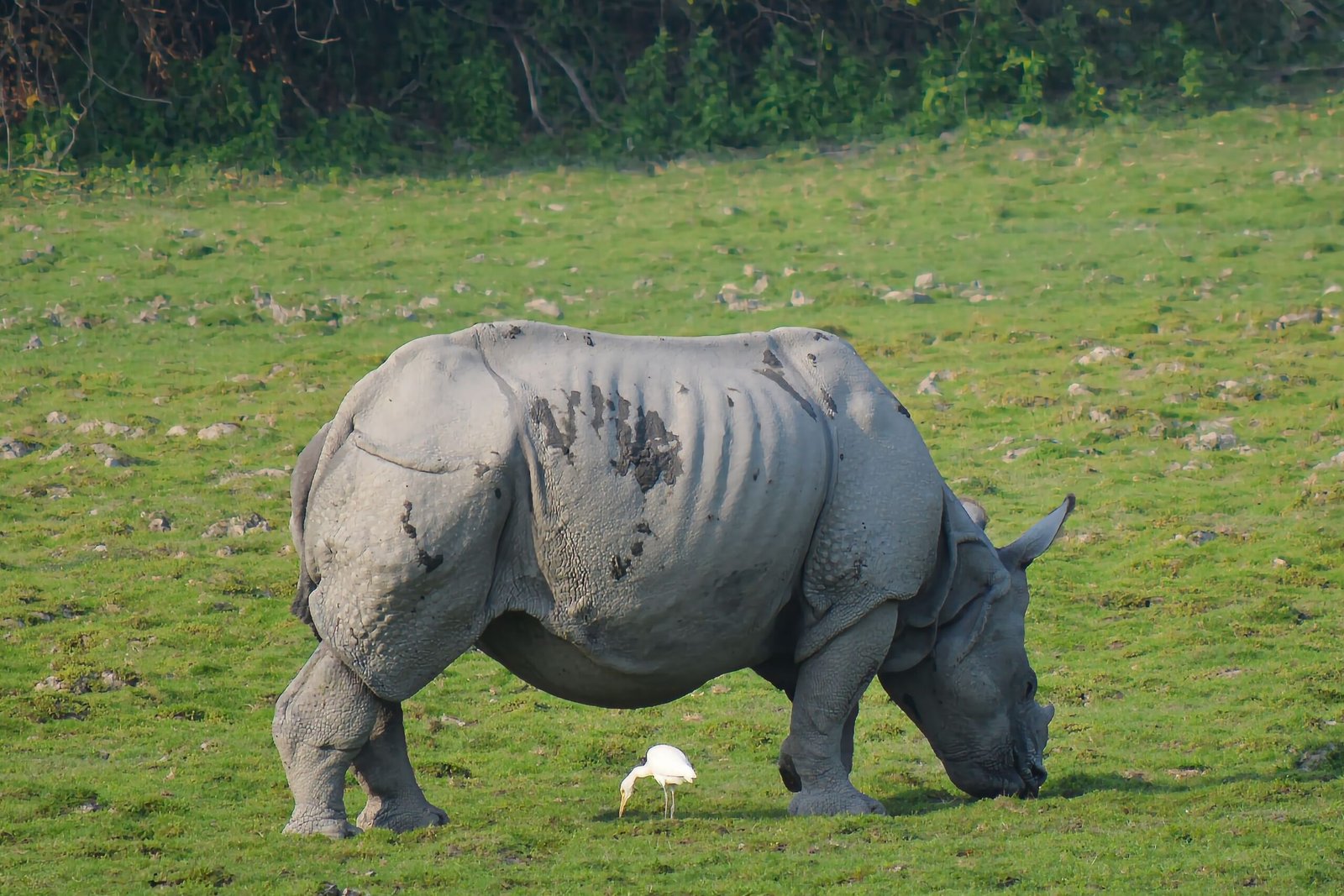
Kaziranga National Park is one of the great wildlife success stories of the world. On the floodplains of the Brahmaputra River in Assam, in north-east India, lies a park of tall elephant grass, wetlands and forest that is home to more than two-thirds of the world’s wild one-horned rhinoceroses. When Kaziranga was declared a reserve in 1905, there were only a handful of rhinos left; today there are more than two thousand, and the park is a UNESCO World Heritage Site and a symbol of what conservation can achieve. For wildlife lovers, Kaziranga National Park is the place to see the one-horned rhino, and it is also one of the best places in India to see tigers, elephants, water buffalo and a remarkable variety of birds.
What makes Kaziranga National Park so special is the landscape as much as the wildlife. The park is a vast, flat floodplain, crossed by the Brahmaputra and its tributaries, and every year the monsoon floods transform it, bringing silt, fish and new grass, and forcing the animals to higher ground. The tall grass, which can grow to six metres, hides the animals and makes every sighting a thrill, while the wetlands, known as beels, attract thousands of waterbirds. The park is also a place of culture, on the edge of the tea gardens of Assam and the villages of the local communities, and it is a destination that combines a great safari with a journey into a little-visited corner of India.
Where Is Kaziranga National Park?
Kaziranga National Park lies in the state of Assam, in north-east India, on the southern bank of the Brahmaputra River, about 200 kilometres east of Guwahati, the main city of the region. The park covers about 430 square kilometres, and it is divided into four ranges: the Central Range at Kohora, the Western Range at Bagori, the Eastern Range at Agaratoli and the Burapahar Range, each with its own character and its own wildlife. The main entrance and the visitor hub is the village of Kohora, on the national highway between Guwahati and Jorhat, and most safaris start from there.
The park is a floodplain, and its geography is defined by the Brahmaputra, one of the great rivers of Asia, which forms the northern boundary of the park. The river and its tributaries create a mosaic of grassland, wetland and forest, and the annual floods are an essential part of the ecology, bringing nutrients and creating new habitat. To the south, the Karbi Anglong hills rise above the plain, and the animals move to the hills during the floods. The region is remote by Indian standards, and it is less visited than the tiger reserves of central India, which is part of its charm: Kaziranga feels wild, uncrowded and authentic.
Why Visit Kaziranga National Park?
People come to Kaziranga National Park for the one-horned rhinoceros, and the rhino does not disappoint. The Indian one-horned rhino is a massive animal, with thick, armour-like skin, a single horn and a prehistoric look, and it is one of the most distinctive animals in the world. In Kaziranga, the rhinos are numerous and relatively easy to see, grazing in the grassland, wallowing in the wetlands and crossing the roads in front of the jeeps. A close encounter with a rhino, its skin folded like armour and its horn catching the light, is one of the great wildlife moments in India.
But Kaziranga is much more than rhinos. The park has one of the highest densities of tigers in India, and it is one of the best places in the country to see the big cats, though they are elusive in the tall grass. The park is also home to Asiatic elephants, wild water buffalo, swamp deer, hog deer and a host of other mammals, and it is a birdwatcher’s paradise, with more than five hundred species, including the greater adjutant stork, the Bengal florican and a host of ducks, geese and waders. Kaziranga is a park that rewards patience, and it is a place where every safari is different.
The One-Horned Rhinos of Kaziranga
The one-horned rhinoceros is the symbol of Kaziranga National Park, and its story is one of the great conservation successes. In the early twentieth century, hunting and habitat loss had reduced the population to a handful of animals, and the park was created to protect them. Today, Kaziranga is home to more than two thousand rhinos, about two-thirds of the world’s wild population, and the park is a model of rhino conservation. The rhinos are protected by armed guards, and the park has a strong anti-poaching programme, though poaching remains a threat, and the horn is still valued in traditional medicine.
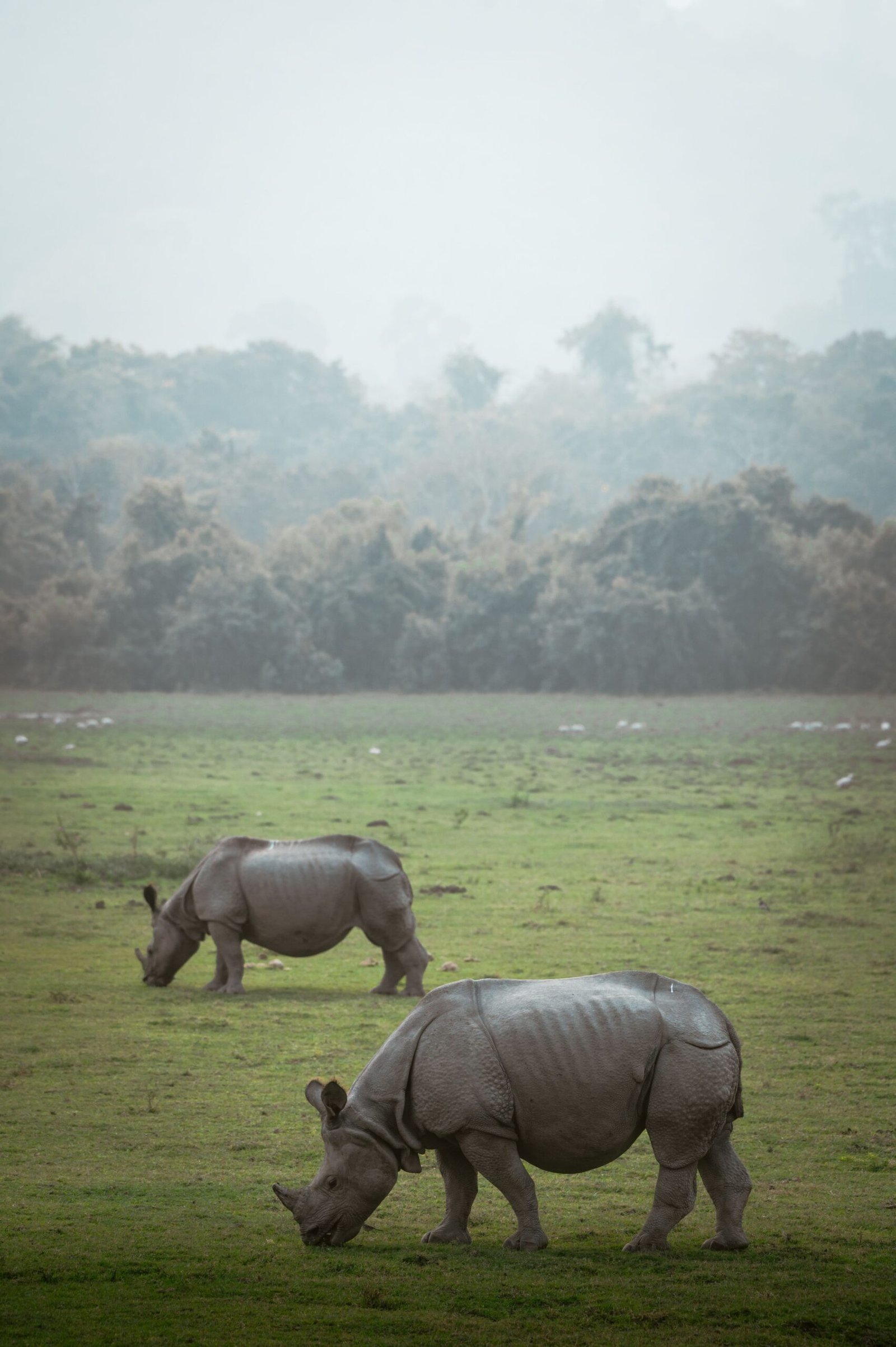
The rhinos are most often seen in the early morning and the late afternoon, when they come out to graze in the grassland and to wallow in the wetlands. The best places to see them are the Central and Western Ranges, where the grass is shorter and the water is closer, and the elephant safaris, which go into the tall grass, offer the closest encounters. The rhinos are generally peaceful, but they are wild animals and should be treated with respect, and your guide will keep a safe distance. Watching a mother rhino with her calf, or a great bull wallowing in the mud, is a memory that stays with you long after you leave the park.
Tigers, Elephants and Other Wildlife of Kaziranga
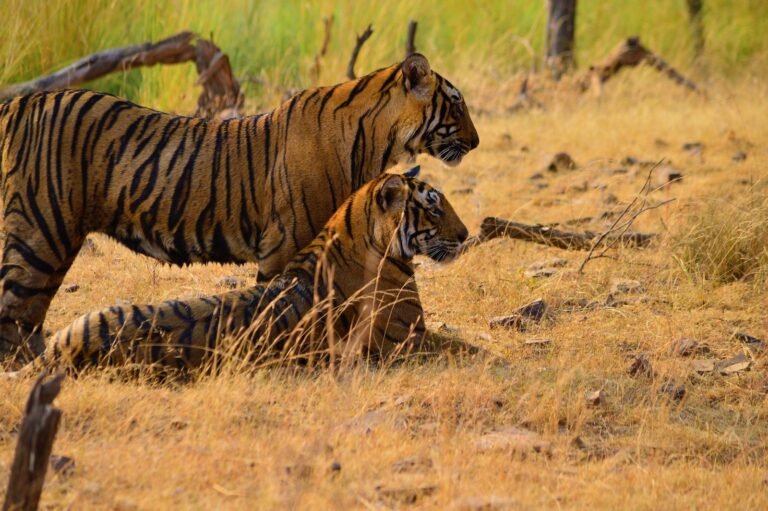
Kaziranga National Park is a tiger reserve, and it has one of the highest tiger densities in India, though the tigers are hard to see in the tall elephant grass. The best chance of a sighting is in the dry season, when the grass is shorter and the animals gather at the water, and the Eastern Range at Agaratoli is often cited as the best for tigers. The park also has a large population of Asiatic elephants, which are seen in herds in the grassland and the forest, and wild water buffalo, which are among the largest in the world, with horns that can span two metres.
Other wildlife in Kaziranga includes the swamp deer, which is found in the wetlands, the hog deer, the sambar, the barking deer and the wild boar, as well as smaller mammals such as the capped langur, the hoolock gibbon and the otter. The birdlife is superb: the park is on a major flyway, and the wetlands attract thousands of migratory birds in winter, including bar-headed geese, ruddy shelducks and a host of waders. The greater adjutant stork, one of the rarest storks in the world, breeds in the park, and the Bengal florican, a critically endangered bustard, is found in the grasslands. Kaziranga is a park that rewards birdwatchers as much as mammal lovers.
Jeep Safaris and Elephant Safaris in Kaziranga
Safaris in Kaziranga National Park are by jeep, and they run in the morning and the afternoon, with the park divided into ranges that are visited on separate safaris. A jeep safari lasts about three hours, and it follows the roads and tracks through the grassland and the forest, with a guide who knows the park and its wildlife. The Central Range at Kohora is the most popular, and it is the best for rhinos, while the Western Range at Bagori is good for rhinos and elephants, and the Eastern Range at Agaratoli is the best for tigers and birds. The Burapahar Range is quieter and is a good choice for a second or third safari.
Elephant safaris are a unique experience in Kaziranga, and they are offered in the early morning in the Central and Western Ranges. The elephants walk into the tall grass, where the jeeps cannot go, and they bring you close to the rhinos, which are often grazing only a few metres away. The elephant safaris last about an hour, and they are the best way to see rhinos at close range, though they are popular and should be booked in advance. The park also offers boat trips on the Brahmaputra, which give a different perspective on the park and a chance to see river dolphins and waterbirds.
Best Time to Visit Kaziranga National Park
The best time to visit Kaziranga National Park is the dry season, from November to April, when the park is open and the wildlife is easiest to see. The park is closed during the monsoon, from May to October, when the Brahmaputra floods and much of the park is under water. The winter months, from November to February, are the coolest and most comfortable, with morning mists and large numbers of migratory birds, and the late dry season, from March to April, is the best for rhinos and tigers, as the grass is shorter and the animals gather at the remaining water.
The park is at its busiest in the winter holidays, especially around Christmas and New Year, so book your safari and your accommodation well in advance. The mornings can be cold and misty in winter, with temperatures dropping to single figures, so bring warm layers for the early safaris. The afternoons are warm and sunny, and the light in the late afternoon is beautiful for photography. The park is hot in March and April, with temperatures in the thirties, and the grass is dry and golden, which makes for excellent wildlife viewing.
How to Get to Kaziranga National Park
Most visitors reach Kaziranga National Park through Guwahati, the main city of Assam, which has an international airport with flights from Delhi, Kolkata and other Indian cities, as well as a railway station. The drive from Guwahati to Kohora, the main entrance, takes about four to five hours, along the national highway through the tea gardens and villages of Assam, and it is a scenic journey. The nearest railway station is at Furkating, about 75 kilometres from Kohora, and taxis and buses connect the station with the park.
Once you are in Kohora, your hotel or safari operator will arrange the jeep and the park permits, and the safaris depart from the entrance gates in the early morning and the afternoon. The park is well organised, and the permits are obtained in advance through your operator, so book your safari before you arrive, especially in the busy season. The village of Kohora has hotels, guesthouses, restaurants and shops, and it is the main base for visitors, though the lodges in the park ranges offer a quieter stay.
Where to Stay Near Kaziranga National Park
The best places to stay for a Kaziranga safari are in Kohora and in the lodges near the park gates. Kohora has a range of hotels, resorts and guesthouses, from simple lodges to comfortable resorts with gardens, pools and restaurants, and it is the most convenient base, with easy access to the Central Range. The lodges near the Western and Eastern Ranges offer a quieter stay, with the chance to see wildlife around the lodge, and they are a good choice if you plan to visit those ranges.
For a special stay, consider one of the eco-lodges or tea garden bungalows near Kaziranga, which offer comfortable rooms, good food and a real sense of Assam, with the tea gardens and the villages around them. Budget travellers will find good guesthouses in Kohora, and the Assam tourism lodges offer simple, clean accommodation at a reasonable price. Wherever you stay, book in advance in the dry season, when the best places fill up quickly, and choose a place that works with a reputable safari operator.
Practical Tips for a Kaziranga Safari
Pack for a safari: light, neutral-coloured clothes, a hat, sunscreen, insect repellent, binoculars and a camera with a zoom lens. The mornings can be cold and misty in winter, so bring a warm jacket for the early safaris, and the afternoons are warm, so dress in layers. Bring water and snacks, though many operators provide them, and bring cash for the park entrance fees and tips. The jeeps are open, so you will be exposed to the sun and the dust, and the roads are rough, so hold on and enjoy the ride.
Respect the park rules: stay in the jeep, do not feed the animals, do not litter, and follow your guide’s instructions at all times. The rhinos and elephants of Kaziranga are wild animals, and they deserve space and quiet. Choose a safari operator that follows responsible practices and does not crowd the animals. The best safari is the one that leaves the wildlife undisturbed, and the memory of a rhino grazing in the tall grass, with the mist rising from the wetlands, is one that will stay with you.
If you liked Kaziranga National Park, you will also enjoy our guides to Chitwan National Park and to Jim Corbett National Park.
Conclusion
Kaziranga National Park is a triumph of conservation and one of the great wildlife destinations in the world. It is the rhino in the tall grass, the tiger in the shadows, the elephants at the waterhole and the birds over the wetlands, all in a landscape shaped by the great Brahmaputra River. It is a park that rewards patience, a good guide and an early start, and it is a place that shows what can be achieved when a species is given the space and the protection it needs. Visit in the dry season, take a jeep and an elephant safari, and let Kaziranga show you why it is one of the most important wildlife reserves on earth.
Frequently Asked Questions
What is the best time to visit Kaziranga National Park?
The dry season, from November to April, is the best time, when the park is open and the wildlife is easiest to see. The winter months are cool and good for birds, while March and April are best for rhinos and tigers.
How likely am I to see a rhino in Kaziranga?
Very likely. Kaziranga has more than two thousand one-horned rhinos, and most visitors see several on a single safari, especially in the Central and Western Ranges. The elephant safaris offer the closest encounters.
Is Kaziranga National Park open all year?
No. The park is closed during the monsoon, from May to October, when the Brahmaputra floods and much of the park is under water. The park usually opens in November and closes in late April or early May.
Can you see tigers in Kaziranga?
Yes, Kaziranga has one of the highest tiger densities in India, though the tigers are elusive in the tall grass. The best chance is in the dry season, in the Eastern Range, and on an early morning safari.
How many days do you need in Kaziranga?
Two to three days is ideal, with three or four safaris in different ranges. That gives you a good chance of seeing rhinos, elephants, tigers and the full range of the park’s wildlife and birds.