Rotorua, New Zealand: The Complete Guide to Geothermal Wonders and Maori Culture
Rotorua, New Zealand: The Complete Guide to Geothermal Wonders and Maori Culture
Rotorua is one of the most unusual places in New Zealand, a city built on a geothermal field, where steam rises from the streets, geysers erupt in the parks and the air smells of sulphur. Rotorua sits on the shores of Lake Rotorua, in the Bay of Plenty region of the North Island, and it is the heart of Maori culture in New Zealand, with villages, carvings and performances that are a living part of the city. Rotorua is a place of fire and water, and it is unlike anywhere else in the country.
Rotorua is not a place you visit for an hour and leave. The city sits on a lake, with forests, mountains and hot springs all around it, and the geothermal parks are some of the most extraordinary in the world, with geysers that erupt every day, mud pools that bubble and hiss, and hot springs that steam in the cold air. This guide covers everything you need to plan a trip to Rotorua, from how to get there to the best time to visit, the geysers, the lakes, the Maori culture and where to stay.
Why Rotorua Belongs on Your List
Rotorua is a place that should not exist, and that is what makes it so fascinating. It is a city built on a geothermal field, where the ground is hot, the steam rises from the streets and the geysers erupt in the parks, and it is also the heart of Maori culture in New Zealand, with villages, carvings and performances that are a living part of the city. Rotorua is a place of fire and water, of steam and lakes, and it is unlike anywhere else in New Zealand, or in the world.
What makes Rotorua special is that it is a place for everyone. The geothermal parks are extraordinary, with geysers, mud pools and hot springs that are some of the best in the world, and the lakes are beautiful, with forests, mountains and beaches all around them. The Maori culture is alive here, with villages where you can see carvings, watch performances and eat food cooked in the ground, and the city is a good base for exploring the Bay of Plenty and the central North Island.
Where Rotorua Is and How to Get There
Rotorua lies in the Bay of Plenty region of the North Island of New Zealand, about 230 kilometres southeast of Auckland and 100 kilometres north of Lake Taupo. The city sits on the shores of Lake Rotorua, and the geothermal field that makes it famous is in the city itself and in the parks around it, and the main geothermal parks are Te Puia, Wai O Tapu and Waimangu, all within a short drive of the city. The nearest large city is Auckland, about three hours away by car, and the nearest town is Tauranga, about an hour away.
Getting to Rotorua is straightforward. From Auckland, it is about a three hour drive south, either by rental car or by bus, and the road is good, although it is busy. Rotorua also has an airport, with flights from Auckland, Wellington and Christchurch, and the airport is about 15 minutes from the city centre. Many visitors hire a car in Auckland and drive south for a few days, stopping at the Coromandel and the Bay of Plenty on the way, and Rotorua is a good place to base yourself for the central North Island.
The Best Time to Visit Rotorua
The best time to visit Rotorua is from October to April, when the weather is warmer, the days are longer and the lakes are warm enough to swim in. Summer, from December to February, is the warmest and the busiest, with the city full of holidaymakers, although the geothermal parks are never crowded in the way that the famous sites of New Zealand can be. The days are long, the skies are clear and the steam from the hot springs is at its most dramatic in the cool mornings.
Winter, from June to August, is also a good time to visit, with fewer people, lower prices and the hot springs at their best, as the steam rises in the cold air and the pools are warm. The rain is more frequent in winter, and the days are shorter, but the geothermal parks are beautiful in the mist, and the Maori villages are quieter. For a first visit, the summer months, from December to February, are the best choice, although autumn, from March to May, is also lovely.
Geysers and Hot Springs of Rotorua
Rotorua is famous for its geysers, and the best place to see them is Te Puia, in the city itself, where the Pohutu Geyser erupts up to 20 times a day, sending water up to 30 metres into the air. Te Puia is also home to the New Zealand Maori Arts and Crafts Institute, where you can see carvers and weavers at work, and to the kiwi house, where you can see the national bird of New Zealand. The geyser is most active in the morning, and the steam from the hot springs is at its most dramatic in the cool air.
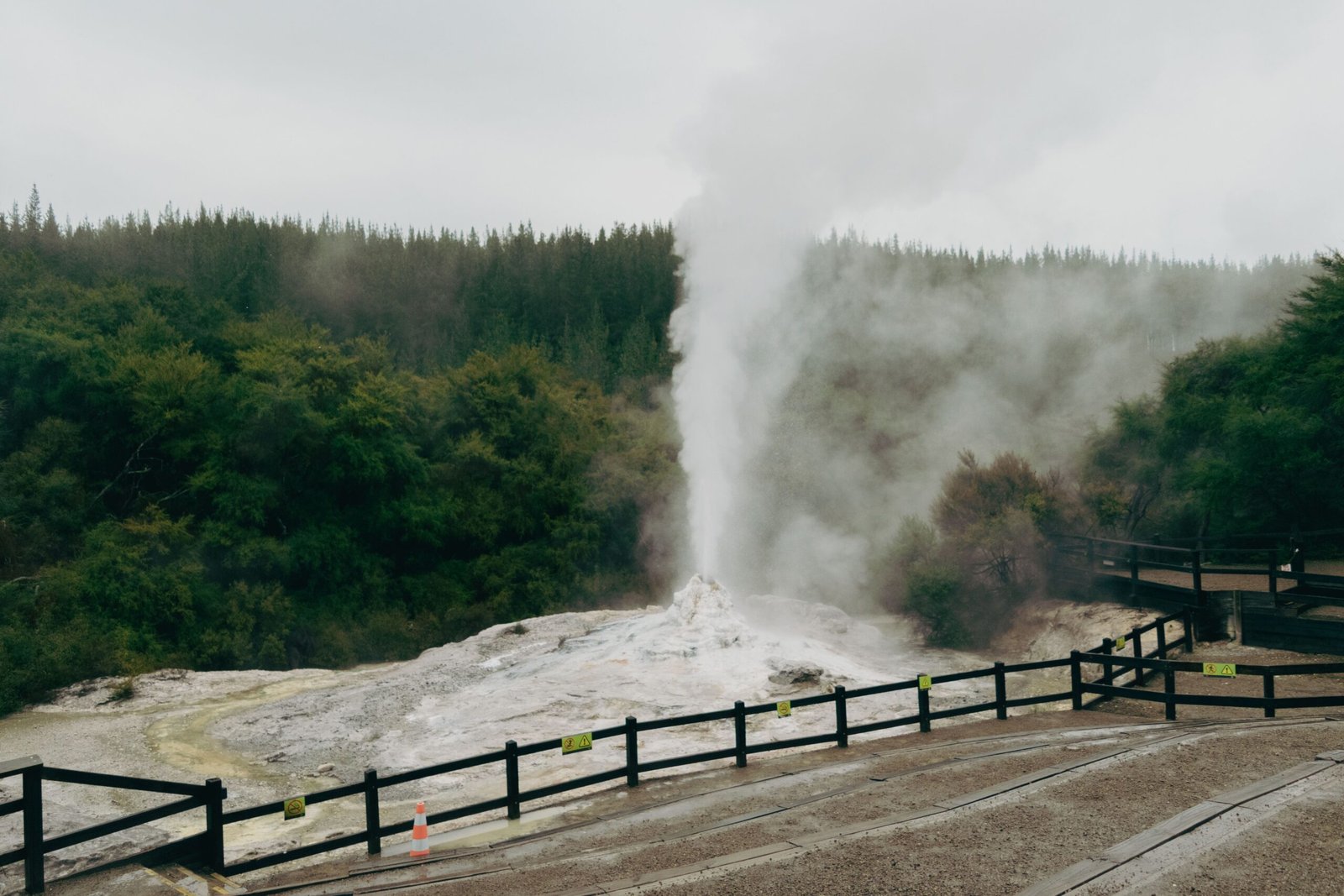
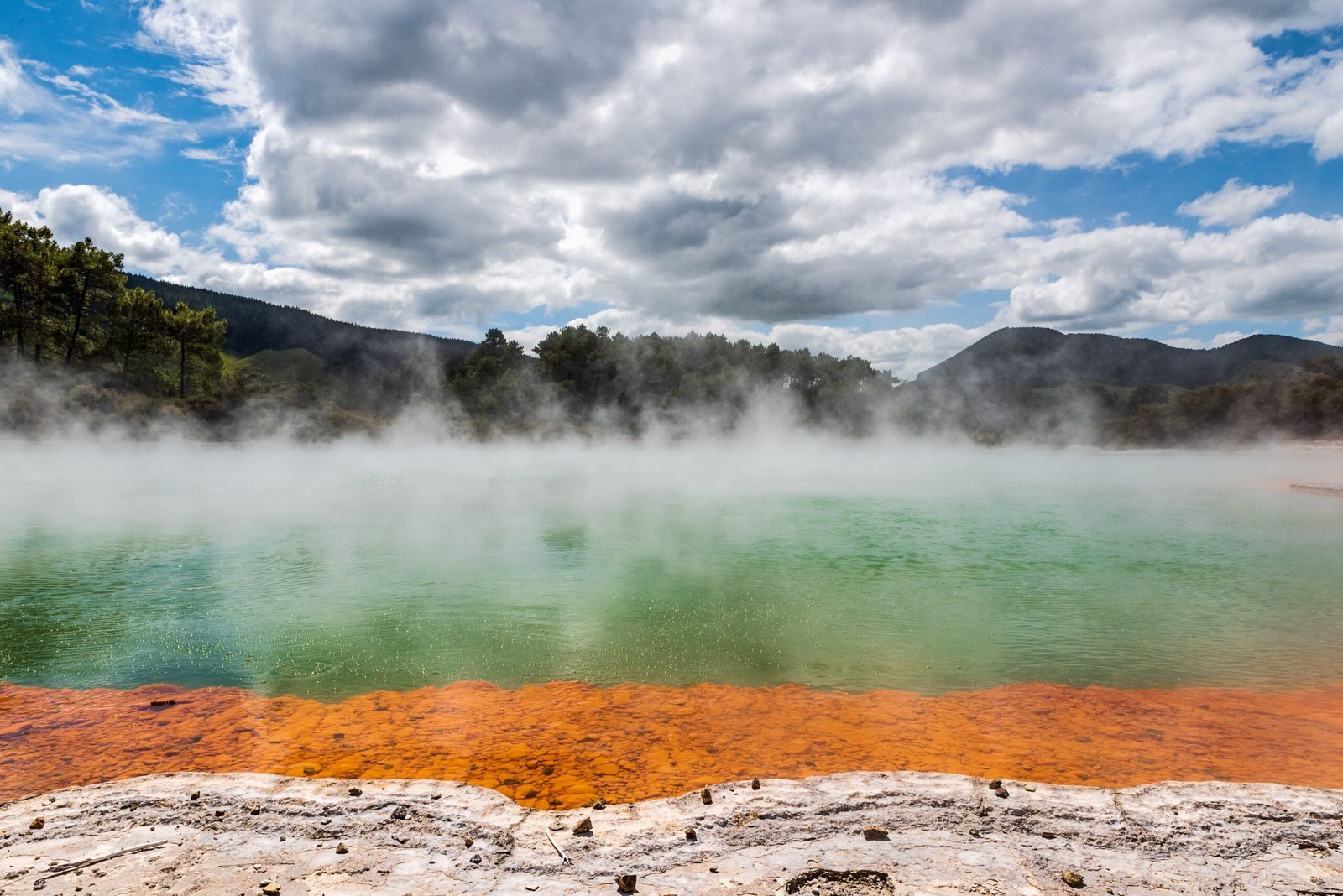
Outside the city, Wai O Tapu is the most colourful geothermal park in New Zealand, with the Champagne Pool, a hot spring with orange and green colours, and the Lady Knox Geyser, which erupts every day at 10.15 am. Waimangu, further south, is the youngest geothermal system in the world, created by an eruption in 1886, and it has a beautiful valley with hot springs, a lake and a boat trip. Allow a full day for the geothermal parks, and wear sturdy shoes, as the paths can be hot and slippery.
Lakes and Forests Around Rotorua
Rotorua is not only about geysers. The city sits on Lake Rotorua, and there are 18 lakes in the region, with forests, beaches and mountains all around them. Lake Rotorua itself is good for boating and fishing, and the lakes to the east, including Lake Tarawera and Lake Rotoiti, are beautiful, with clear water and native forest. The Redwoods, a forest of Californian redwoods just outside the city, is one of the best places to walk in New Zealand, with tall trees, ferns and mountain bike trails, and the treewalk, a walkway through the canopy, is a good way to see the forest from above.
Where to Stay in Rotorua
Rotorua has a good range of places to stay, from budget hostels to comfortable hotels and lakeside resorts. The best option is to stay in the city centre, near the lake, where you can walk to the restaurants, the shops and the geothermal parks. If you prefer a quieter stay, the lakes to the east, including Lake Tarawera and Lake Rotoiti, have lodges and holiday homes with beautiful views. Book well in advance in summer, as Rotorua is popular and the best places fill up quickly.
Practical Tips for Visiting Rotorua
Rotorua is a geothermal area, so come prepared. Stay on the paths and behind the fences in the geothermal parks, as the ground can be hot and thin, and the water in the hot springs can scald. Wear sturdy shoes, as the paths can be hot and slippery, and bring a rain jacket, as the weather can change quickly. The smell of sulphur is strong in the city, and it is harmless, although it can be surprising at first. Finally, book your Maori village visit in advance, as the evenings are popular and the places fill up quickly.
Day Trips from Rotorua
Rotorua makes a good base for day trips, and the most popular is Wai-O-Tapu Thermal Wonderland, about half an hour south of the city. Wai-O-Tapu is a geothermal park of coloured pools, steaming craters and the Lady Knox Geyser, which erupts each morning, and it shows the volcanic landscape at its most vivid. The Champagne Pool, with its orange rim and green water, is one of the most photographed sights in New Zealand, and the boardwalks make it easy to explore.
Closer to the city, the Redwoods at Whakarewarewa Forest offer a change of pace, with towering Californian redwoods, a treewalk suspended high above the forest floor and mountain bike trails through the trees. Lake Taupo, an hour south, is another easy day trip, with the Huka Falls and the lake itself, the largest in New Zealand. Each of these places adds a different side to a Rotorua stay, and all are easy to reach by car.
Frequently Asked Questions About Rotorua
How do I get to Rotorua from Auckland? From Auckland, it is about a three hour drive south, by rental car or by bus, and the road is good, although it is busy. Rotorua also has an airport, with flights from Auckland, Wellington and Christchurch, and the airport is about 15 minutes from the city centre.
What is the best time to visit Rotorua? October to April is the best time, when the weather is warmer and the days are longer. Summer, from December to February, is the warmest and the busiest, and winter, from June to August, is also good, with fewer people and the hot springs at their best.
What are the best geothermal parks in Rotorua? Te Puia, in the city itself, is the best place to see geysers, with the Pohutu Geyser erupting up to 20 times a day. Wai O Tapu, outside the city, is the most colourful, with the Champagne Pool, and Waimangu is the youngest geothermal system in the world, with a beautiful valley and a boat trip.
Is Rotorua safe to visit? Yes, Rotorua is safe, although it is a geothermal area, so stay on the paths and behind the fences in the geothermal parks, as the ground can be hot and thin, and the water in the hot springs can scald. The smell of sulphur is strong, but it is harmless.
How many days do I need in Rotorua? Allow at least two days, with one day for the geothermal parks and one day for the lakes and forests. Most visitors spend three days in Rotorua, which gives them time to see the geysers, the lakes, the Maori villages and the Redwoods, and to soak in the hot springs.
Conclusion: Rotorua Awaits
Rotorua is a place that rewards the traveller who is willing to look beyond the steam and the sulphur, and to see the lakes, the forests and the Maori culture that make it special. The geysers themselves are extraordinary, but it is the whole journey that makes the trip, the hot springs, the mud pools, the villages and the quiet lakes. If you are planning a trip to New Zealand, give Rotorua two or three days, and you will come home with some of the best photographs and memories of your whole trip.
For more geothermal and volcanic inspiration, read our guide to Waitomo Caves, the glowing wonder of New Zealand, and our guide to Yellowstone National Park, the first national park of America. Both are good companions to a Rotorua trip, and they will help you plan the rest of your time in the wild.