
Jim Corbett National Park, India: Complete Guide to Tiger Safaris and the Himalayan Foothills

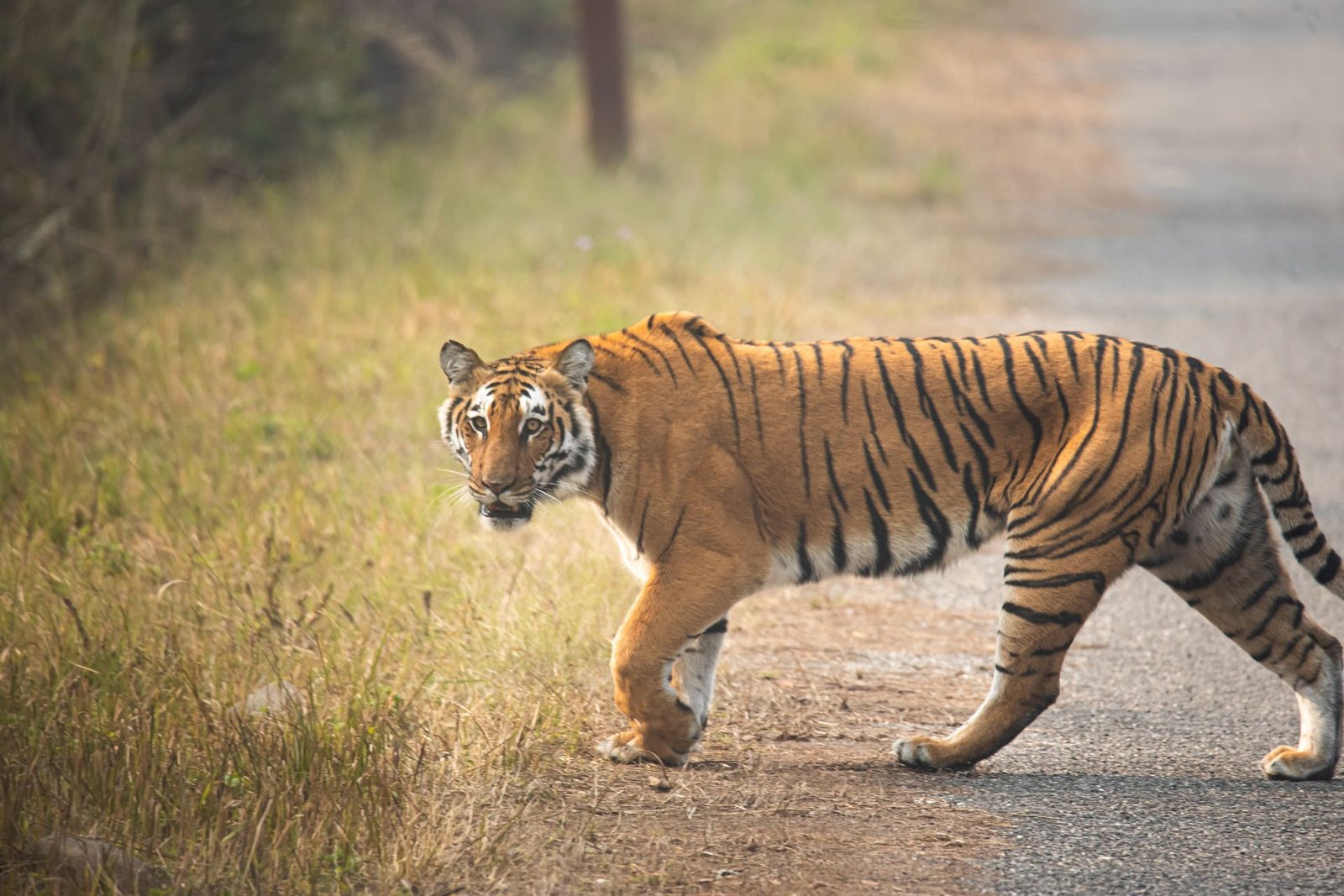
Jim Corbett National Park is India’s oldest national park and one of the best places in the world to see a wild Bengal tiger. Jim Corbett National Park lies in the foothills of the Himalayas in Uttarakhand, in northern India, where the Ramganga River flows through grasslands, sal forests and riverbeds, and where tigers, elephants, leopards and hundreds of bird species live. This complete guide to Jim Corbett National Park covers the safari zones, the wildlife, the permits and the practical details that make a visit here rewarding, from the best time to go to where to stay. Whether you come for a tiger safari, a birdwatching trip or a few days in the jungle, Jim Corbett offers a classic Indian safari experience, and it is a place that rewards patience, early mornings and a good guide.
Why Jim Corbett National Park Deserves a Place on Your Travel List
Jim Corbett is a park with a long and important history. It was established in 1936 as Hailey National Park, the first national park in India, and it was renamed in 1957 for Jim Corbett, the British hunter who became a conservationist and wrote the famous book Man-Eaters of Kumaon. Corbett spent years tracking man-eating tigers and leopards in the region, and he later campaigned to protect the forest and its wildlife. The park was the launch site for Project Tiger in 1973, India’s national programme to save the Bengal tiger, and it remains one of the most important tiger reserves in the country. The park covers 520 square kilometres of core area, with a buffer zone of more than 1,200 square kilometres, and it is home to about 260 tigers, as well as Asiatic elephants, leopards, sloth bears, gharials, otters and more than 600 species of birds. The landscape is varied: the Ramganga River and its tributaries flow through the park, with grasslands, known as chaurs, that are good for seeing elephants and deer, and sal forests that are the tiger’s favourite habitat. The park is also a good place for birdwatching, with species such as the great hornbill, the crested serpent eagle and the red junglefowl, the wild ancestor of the domestic chicken. For travellers who want to see India’s wildlife, Jim Corbett is the classic first safari, and it is a park that combines history, scenery and wildlife in a way that few other parks can match.
The Safari Zones of Jim Corbett
Jim Corbett is divided into safari zones, each with its own character, and you book a safari for a specific zone. Dhikala is the most famous zone, a vast area of grasslands and forest on the Ramganga River, with the Dhikala Forest Lodge, the only place to stay inside the park. Dhikala is known for its elephants, which gather on the grasslands in large herds, and for its tigers, which are often seen near the river. The zone is open from mid-November to mid-June, and it is closed during the monsoon, when the river floods. Bijrani is the second most popular zone, with sal forest, grasslands and a good chance of seeing tigers, and it is open all year except for the monsoon. Jhirna is open all year, with a landscape of dry forest and riverbeds, and it is a good zone for seeing elephants, sloth bears and birds. Dhela is a newer zone, with a mix of forest and grassland, and it is good for tigers and for birdwatching. Durga Devi is the least visited zone, in the north-east of the park, with hills, forest and a good chance of seeing leopards and birds. The safaris are by jeep, known as a Gypsy, with a driver and a guide, and they last about three hours, in the morning and in the afternoon. The jeeps are open, so you can see and photograph the wildlife, and the guides are knowledgeable about the animals and the park. Book your safari well in advance, because the zones have a limited number of jeeps each day, and the permits are in high demand, especially in the winter and spring.
Wildlife Beyond the Tiger
Although the tiger is the star of Jim Corbett, the park’s other wildlife is just as rewarding. The Asiatic elephant is the park’s second most famous animal, and herds of elephants are often seen on the grasslands of Dhikala, especially in the morning, when they come to the river to drink and bathe. The leopard is also common in the park, although it is harder to see than the tiger, because it is nocturnal and shy, and it is most often seen in the hills of Durga Devi and in the forest of Bijrani. The sloth bear, with its shaggy coat and long claws, is found in the park, and it is most active at night, when it feeds on termites and fruit. The gharial, a long-snouted crocodile, lives in the Ramganga River, and it is often seen basking on the sandbanks, along with the mugger crocodile and the otters that swim in the river. The park’s birds are a highlight: more than 600 species have been recorded, including the great hornbill, the largest hornbill in India, the crested serpent eagle, the changeable hawk-eagle, the red junglefowl, the kalij pheasant and the Himalayan rubythroat. The park is also home to deer, including the chital, the sambar and the barking deer, which are the tiger’s main prey, and to wild boar, jackals and monkeys. A good guide will help you see the wildlife, because they know the animals’ habits and the places where they are most likely to be found, and they will also help you understand the forest and its ecology.
How to Get to Jim Corbett and Get Around
Jim Corbett is about 260 kilometres north-east of Delhi, and it is easy to reach by train, bus and car. The gateway town is Ramnagar, a small town on the Kosi River, which is the base for most visitors. Ramnagar has a railway station, with trains from Delhi that take about six hours, and a bus station, with buses from Delhi, Dehradun and Nainital. The road from Delhi to Ramnagar is good, and it takes about six hours by car, passing through the towns of Moradabad and Kashipur. Once you arrive in Ramnagar, the park is reached by jeep, and the safaris are booked through the park’s website or through a hotel or tour operator. The park has several gates, including the Bijrani gate, the Jhirna gate, the Dhela gate and the Dhikala gate, and the gate you use depends on the zone you have booked. The town of Ramnagar has hotels, restaurants and shops, and it is a good base if you are not staying inside the park. The park itself is only accessible by jeep on a booked safari, and you cannot walk in the park, because it is a tiger reserve and walking is dangerous. If you want to explore the area around the park, the Corbett Falls, a small waterfall near Ramnagar, is a popular picnic spot, and the Jim Corbett Museum, at Kaladhungi, is the former home of Jim Corbett, with his belongings and photographs. The Garjiya Devi Temple, on the Kosi River, is a popular temple, and it is a good place to visit in the evening.
The Best Time to Visit Jim Corbett
The best time to visit Jim Corbett is from November to June, when the park is open and the weather is good for safaris. November to February is the winter season, with cool mornings and warm days, and it is a good time for birdwatching, because the migratory birds arrive in the park. March to June is the summer season, with hot days and dry grasslands, and it is the best time for seeing tigers, because the animals come to the waterholes to drink and the grass is short, so the tigers are easier to see. The park is closed during the monsoon, from mid-June to mid-November, for the Dhikala zone, although Bijrani, Jhirna and Dhela are open all year, except for a few days in the monsoon. The monsoon brings heavy rain, and the rivers flood, so the safaris are less reliable. The best time of day for a safari is early in the morning, when the animals are most active and the light is good for photography, and in the late afternoon, when the animals come to the water. The park is busiest during the Christmas and New Year holidays and during the Indian school holidays, so book your safari and your accommodation well in advance. If you want to see a tiger, be patient: tigers are shy and well camouflaged, and even in the best zone, a sighting is not guaranteed. A good guide, a quiet jeep and a bit of luck are the best combination.
Where to Stay Near Jim Corbett
Jim Corbett has a good range of places to stay, from luxury resorts to budget hotels, and the best choice depends on your budget and on whether you want to stay inside the park. The Dhikala Forest Lodge, inside the park, is the most famous place to stay, with simple rooms and a restaurant, and it is the only place to stay in the Dhikala zone. The lodge is booked through the park’s website, and it fills up quickly, so book well in advance. Outside the park, the area around Ramnagar has a wide range of resorts, from luxury to budget, with pools, restaurants and gardens, and many of them offer safari packages that include the permits, the jeep and the guide. The resorts on the Kosi River, north of Ramnagar, are a good choice, with views of the river and the forest, and they are a good base for the Bijrani and Jhirna zones. The town of Ramnagar has budget hotels and guesthouses, and it is a good base if you are travelling on a budget. For a more comfortable stay, the luxury resorts in the area have spas, pools and restaurants, and they are a good place to relax after a safari. Book in advance, especially in the winter and spring, when the park is busy, and check whether your hotel includes the safari permits, because the permits are in high demand and need to be booked separately if they are not included.
Practical Tips for Visiting Jim Corbett
A few practical points will make a Jim Corbett trip smoother. First, book your safari permits well in advance, through the park’s official website or through your hotel, because the zones have a limited number of jeeps each day and the permits sell out, especially for Dhikala and Bijrani. Second, bring your passport or identity card, because the park checks your identity at the gate, and the name on the permit must match your identity document. Third, bring warm clothing for the morning safari, because the mornings are cold in winter, even though the days are warm. Fourth, bring binoculars and a camera with a zoom lens, because the animals are often at a distance, and the birds are small and fast. Fifth, be quiet on the safari: the animals are shy, and loud talking will scare them away, and your guide will tell you when to be silent. Sixth, do not get out of the jeep, because it is dangerous, and do not feed the animals. Seventh, bring water and snacks, because the safaris last three hours and there are no shops in the park. Eighth, be patient: a tiger sighting is not guaranteed, and the best safaris are often the ones where you see elephants, deer, birds and the forest, even if you do not see a tiger. Finally, respect the park and its wildlife: do not leave rubbish, do not use flash photography, and follow your guide’s instructions at all times.
If you liked Jim Corbett, you will also enjoy our guides to Ranthambore National Park in India and to Chitwan National Park in Nepal, two more great places for tigers, rhinos and jungle safaris.
Conclusion
Jim Corbett National Park is a classic Indian safari destination, with a long history, a beautiful landscape and some of the best tiger watching in the world. A few days here, with morning and afternoon safaris in Dhikala and Bijrani, will show you the park’s grasslands, forests and rivers, and with luck, a tiger. The park is also a good place for elephants, birds and the Himalayan foothills, and it is a place that rewards patience and early mornings. Book your permits in advance, hire a good guide, bring binoculars and warm clothing, and Jim Corbett will give you one of the great wildlife experiences in India.
Frequently Asked Questions
How many days do I need in Jim Corbett?
Three to four days is ideal, with two to three safaris in different zones, such as Dhikala, Bijrani and Jhirna. A weekend is enough for one or two safaris, while a week lets you explore the park and the area around Ramnagar at a slower pace. Book your safaris and accommodation well in advance.
What is the best zone for tigers in Jim Corbett?
Dhikala and Bijrani are the best zones for tigers, with the highest density of tigers in the park. Dhikala is famous for its grasslands and elephants, while Bijrani is known for its sal forest and tiger sightings. Jhirna and Dhela are also good, and the best zone depends on the season and on luck.
When is the best time to visit Jim Corbett?
November to June is the best time, with March to June the best for tiger sightings, because the grass is short and the animals come to the waterholes. November to February is best for birdwatching, while the monsoon, from mid-June to mid-November, closes the Dhikala zone. The park is busiest in winter and spring.
Do I need to book safari permits in advance?
Yes, you need to book safari permits in advance, through the park’s official website or through your hotel, because the zones have a limited number of jeeps each day and the permits sell out, especially for Dhikala and Bijrani. Bring your passport or identity card, because the park checks your identity at the gate.
Is Jim Corbett safe to visit?
Yes, Jim Corbett is safe to visit if you follow the rules: stay in the jeep, do not walk in the park, do not feed the animals, and follow your guide’s instructions. The park is a tiger reserve, and the animals are wild, so respect the forest and its wildlife at all times.


One Comment