Plitvice Lakes National Park: Complete Guide to Croatia’s Turquoise Lakes and Waterfalls
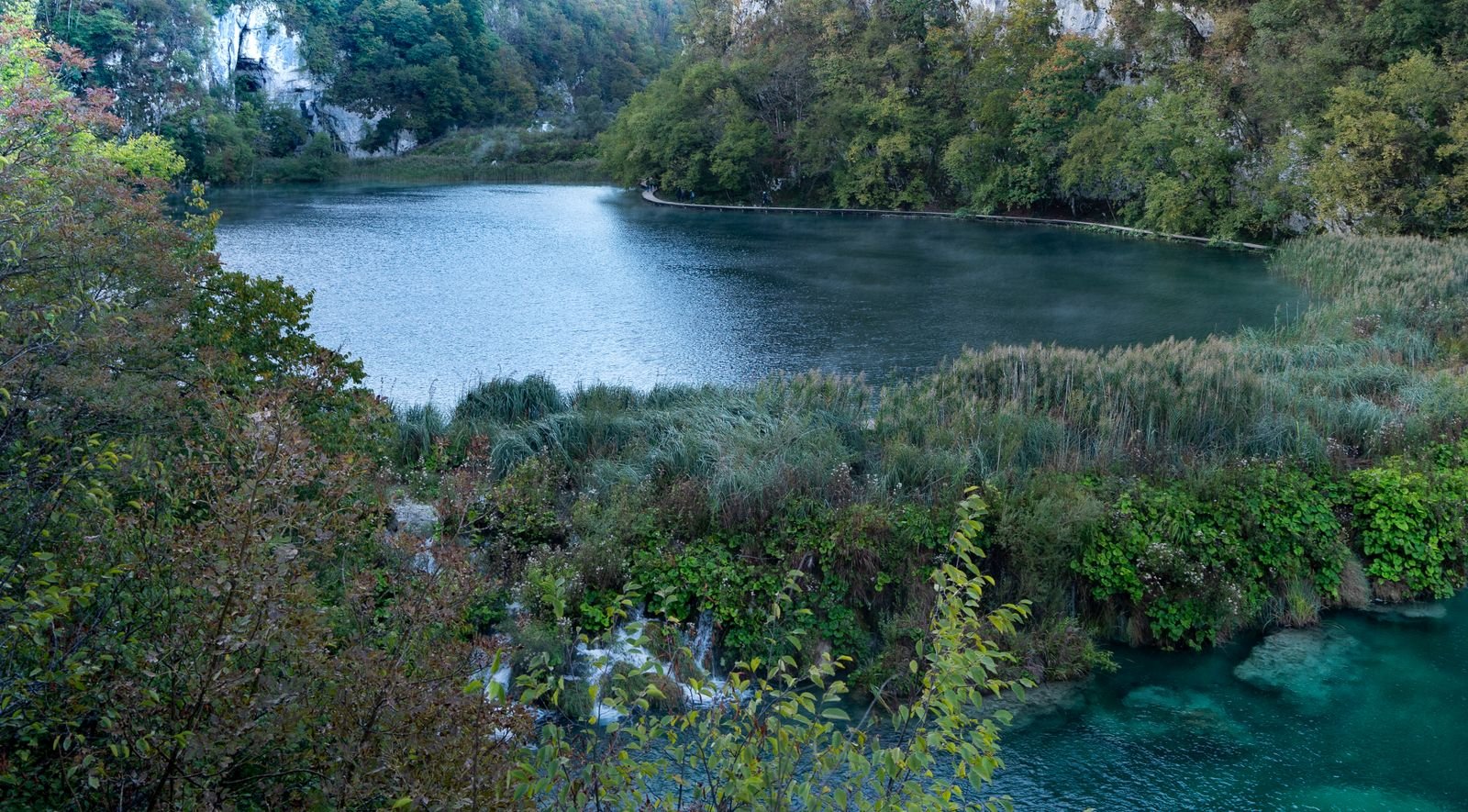
Plitvice Lakes National Park is one of the most beautiful places in Europe, and one of the most visited natural attractions in Croatia. In a forested valley in the mountains of central Croatia, sixteen terraced lakes are connected by waterfalls, cascades and wooden boardwalks, and the water is a clear, bright turquoise that changes colour with the light and the seasons. Plitvice Lakes National Park has been a UNESCO World Heritage Site since 1979, and it is the oldest and largest national park in Croatia. This complete guide to Plitvice Lakes National Park will help you plan your visit, choose a walking route, and enjoy the park without the crowds.
The park is not a single lake, it is a whole landscape of water. The lakes are arranged in a chain, with the Upper Lakes on a dolomite plateau and the Lower Lakes in a limestone canyon, and the water flows from one lake to the next over travertine barriers that have built up over thousands of years. Wooden boardwalks take you right across the water, past waterfalls and through beech and fir forest, and you can also take a boat across the largest lake and a panoramic train through the forest. A visit to Plitvice Lakes National Park is a full day of walking, photographing and simply looking at the water, and it is one of the highlights of any trip to Croatia.
Why Plitvice Lakes National Park Is So Special
Plitvice Lakes National Park is special because of its colour. The water is turquoise, green and blue, and it is so clear that you can see fish, plants and fallen trees on the lake bed. The colour comes from the minerals in the water, from the travertine, a type of limestone that is deposited by the water, and from the way the light reflects off the lake bed. The colour changes with the seasons, with the angle of the sun and with the amount of water, so no two visits to Plitvice Lakes National Park are exactly the same.
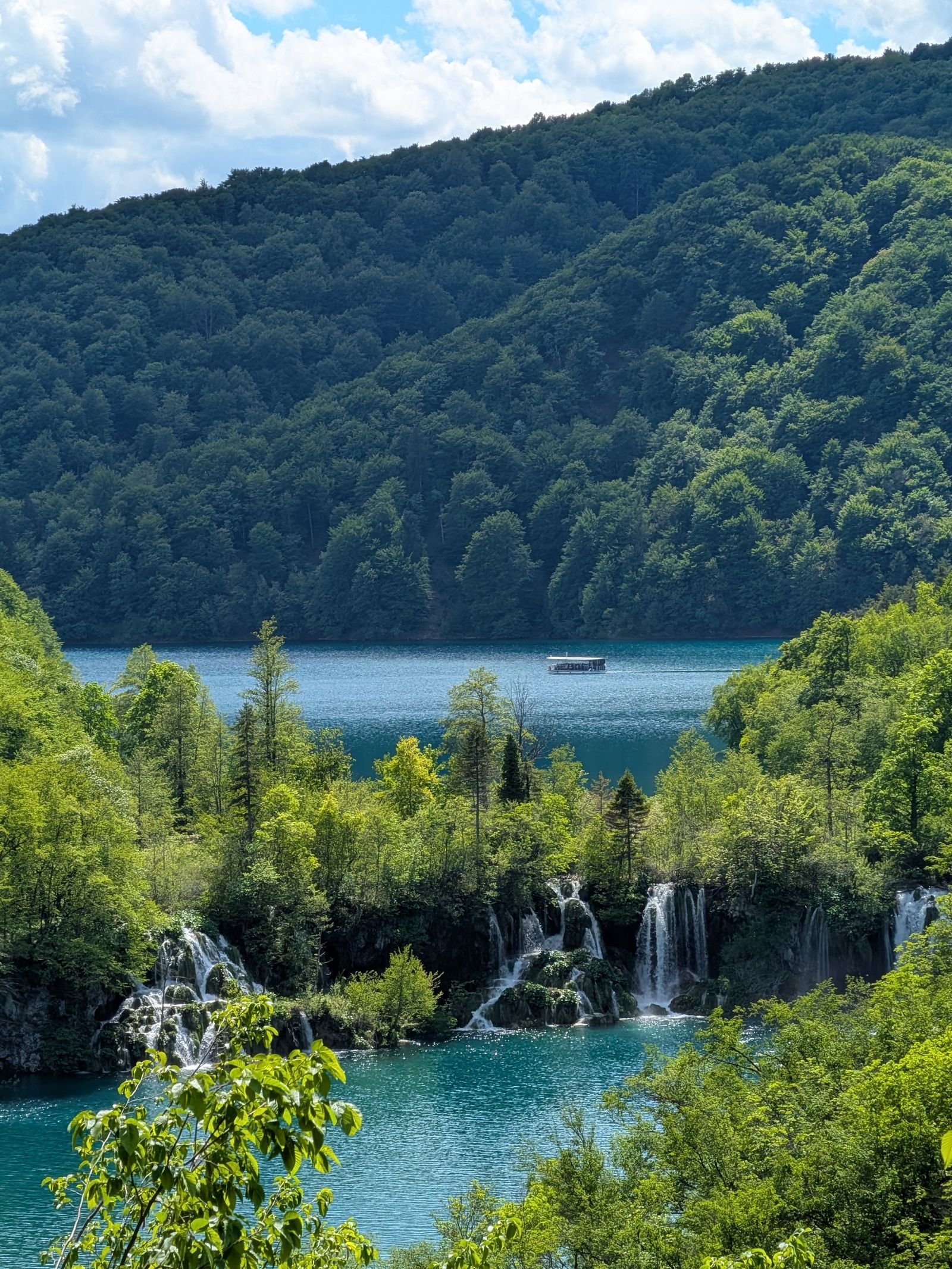
The park is also special because of its waterfalls. There are about ninety waterfalls in Plitvice Lakes National Park, from small cascades that you can step across to the Great Waterfall, known as Veliki Slap, which is 78 metres high and is the tallest waterfall in Croatia. The waterfalls are at their most powerful in spring, when the snow melts, and in autumn, after rain, and they are at their most beautiful in winter, when they freeze into curtains of ice. The boardwalks take you close to the water, and you can hear the sound of the falls long before you see them.
Plitvice Lakes National Park is also a place of great natural diversity. The park covers almost 300 square kilometres of forest, lakes, meadows and caves, and it is home to bears, wolves, lynx, deer and many birds. The forest is mainly beech and fir, and it is one of the best-preserved forests in Europe. Walking through the park, you are as likely to see a woodpecker or a deer as you are to see another visitor on the quieter paths, especially in the early morning or late afternoon.
The Best Things to Do in Plitvice Lakes National Park
Start with the main walking routes, which are marked as Route A, B, C and K. Route A is a short, two to three hour walk around the Lower Lakes, with views of the Great Waterfall and the turquoise lakes in the canyon. Route B is a three to four hour walk that adds a boat ride across Lake Kozjak, the largest lake in the park. Route C is the most popular full-day route, taking four to six hours, and it covers both the Lower and the Upper Lakes, with a boat ride and a panoramic train. Route K is a long, eight kilometre circular hike that takes six to eight hours and is the best choice if you want to see the park in depth and avoid the crowds.
Visit the Great Waterfall, Veliki Slap, at the end of the Lower Lakes. It is the tallest waterfall in Plitvice Lakes National Park, and it is best seen from the boardwalk at its base, where the spray fills the air and the sound of the water is loud. In spring the waterfall is wide and powerful, and in winter it can freeze into a huge curtain of ice. Allow time to sit and watch the water, because the Great Waterfall is one of those places that rewards a slow visit.
Walk the Upper Lakes, where the water is at its most colourful. The Upper Lakes are a series of twelve lakes on a dolomite plateau, connected by small waterfalls and cascades, and the boardwalks wind through the forest and across the water. The most famous view is from the top of the Upper Lakes, where you can see a chain of lakes stretching into the distance, with the forest and the mountains beyond. The Upper Lakes are quieter than the Lower Lakes, especially in the afternoon, and they are the best place for photography.
Take the boat across Lake Kozjak, the largest lake in Plitvice Lakes National Park. The electric boats run from spring to autumn, and the short crossing gives you a different view of the lakes, with the forest and the cliffs on either side. The boat is included in the ticket for most routes, and it is a good place to rest your legs in the middle of a long walk. After the boat, take the panoramic train through the forest, which connects the Upper Lakes with the main entrance and gives you a view of the park from above.
Look for wildlife and for quiet corners in Plitvice Lakes National Park. The park is home to many animals, although bears and wolves are shy and are rarely seen during the day. You are more likely to see deer, squirrels, woodpeckers and many kinds of fish in the clear water. The park also has caves, including the Supljara Cave, and viewpoints such as the one above the Great Waterfall, which gives you a panoramic view of the Lower Lakes and the canyon.
Plitvice Lakes National Park is often compared with other great waterfalls, including Victoria Falls in Africa, which is much larger and more powerful, and with the waterfalls of Jeju Island in South Korea, which are smaller and set in a volcanic landscape. Plitvice is different because it is not a single waterfall, it is a whole system of lakes and falls, and the experience is one of walking through water, rather than simply looking at it from a viewpoint.
When Is the Best Time to Visit Plitvice Lakes National Park?
The best time to visit Plitvice Lakes National Park is in late spring, from May to June, and in early autumn, from September to early October. In these months the weather is mild, the water is at its most colourful, and the crowds are smaller than in July and August. May and June are especially good, because the waterfalls are full after the spring snowmelt, the forest is green, and the days are long. September is also a good choice, because the autumn colours in the forest are beautiful and the light is softer.
July and August are the busiest months in Plitvice Lakes National Park. The weather is warm and sunny, and the park is at its most popular, with long queues at the entrance and crowded boardwalks in the middle of the day. If you visit in summer, arrive as early as possible, book your ticket online in advance, and choose a longer route, such as Route C or K, which will take you away from the crowds. The park limits the number of visitors per hour, so booking in advance is essential in summer.
Winter, from November to March, is a quiet and beautiful time to visit Plitvice Lakes National Park. The waterfalls can freeze, the lakes are covered in ice, and the forest is covered in snow, and the park is almost empty. Some paths and facilities are closed in winter, and the boat and train do not run, but the park is still open, and a winter visit is a memorable experience if you are prepared for cold weather and snow. The park is open all year, and the ticket price is lower in winter.
How to Get to Plitvice Lakes National Park and Get Around
Plitvice Lakes National Park is in central Croatia, about two hours by car from Zagreb, the capital, and about two and a half hours from the coastal cities of Zadar and Split. The easiest way to visit is by car, because the park has two main entrances, Entrance 1 and Entrance 2, with large car parks, and you can stay in a hotel or guesthouse near the park. Buses also run from Zagreb, Zadar and Split to the park, and many visitors come on a day trip from the coast or from Zagreb, although staying overnight near the park gives you more time and a quieter visit.
Inside the park, you get around on foot, by boat and by panoramic train. The walking routes are well marked, and the boardwalks are easy to follow, although they can be slippery when wet. The boat across Lake Kozjak and the panoramic train are included in the ticket, and they help you to cover the long distances between the Upper and Lower Lakes. Allow a full day for a visit to Plitvice Lakes National Park, because the main routes take four to six hours, and you will want time to stop, to photograph and to rest.
Book your ticket online in advance, because Plitvice Lakes National Park uses timed entry, and tickets sell out in summer. Choose an early entry time, such as 7 or 8 in the morning, to avoid the crowds, and arrive at the entrance you have booked, because the routes start from different entrances. Entrance 1 is the best starting point for the Lower Lakes and the Great Waterfall, while Entrance 2 is closer to the Upper Lakes. Wear comfortable walking shoes, bring water and a rain jacket, and do not swim in the lakes, because swimming is not allowed in the park.
Where to Stay Near Plitvice Lakes National Park and Practical Tips
Staying near Plitvice Lakes National Park is the best way to enjoy the park without rushing. There are hotels inside the park, including Hotel Jezero, which is close to Entrance 2, and many guesthouses and small hotels in the villages around the park, such as Rastovaca, which is a village of traditional wooden houses near Entrance 1. Staying overnight lets you enter the park early, before the day-trip buses arrive, and it gives you time to visit the park in the late afternoon, when the light is at its best.
If you are visiting Plitvice Lakes National Park as part of a longer trip in Croatia, combine it with a visit to the coast, to the islands, or to Zagreb. The park is on the main road between Zagreb and the coast, so it is easy to include in a road trip. Allow at least one full day for the park, and two days if you want to explore the surrounding area, including the village of Rastoke, which is known as the small Plitvice, and the caves and forests of the Lika region.
For food, eat in the restaurants near the park, which serve traditional Croatian food, including grilled fish, lamb and local cheeses. Bring a packed lunch if you plan to walk a long route, because there are few places to eat inside the park, and the restaurants at the entrances can be busy. The currency is the euro, and cards are accepted at the park entrance and in most hotels, although small guesthouses may prefer cash. The park is a UNESCO World Heritage Site, so respect the rules, stay on the boardwalks, and do not pick flowers or disturb the wildlife.
Conclusion: Is Plitvice Lakes National Park Worth Visiting?
Plitvice Lakes National Park is worth visiting, and it is worth visiting slowly. The park is one of the most beautiful places in Europe, and its turquoise lakes, waterfalls and boardwalks are a sight that stays with you long after you leave. Plan your visit around the crowds, book your ticket in advance, arrive early, and allow a full day to walk the routes. If you do, Plitvice Lakes National Park will give you far more than a photograph, and you will understand why it is one of the most loved national parks in the world.
Frequently Asked Questions About Plitvice Lakes National Park
How many days do you need in Plitvice Lakes National Park?
One full day is enough for most visitors to Plitvice Lakes National Park, and it gives you time to walk Route C, which covers the Lower and Upper Lakes, with a boat ride and a train ride. Two days is ideal if you want to walk a longer route, visit in the early morning and late afternoon, and explore the surrounding area.
What is the best route in Plitvice Lakes National Park?
The best route in Plitvice Lakes National Park for most visitors is Route C, which takes four to six hours and covers both the Lower and Upper Lakes, with a boat ride across Lake Kozjak and a panoramic train. Route B is a shorter version, and Route K is the longest and quietest route, taking six to eight hours.
Can you swim in Plitvice Lakes National Park?
No, you cannot swim in Plitvice Lakes National Park. Swimming is not allowed in the lakes, to protect the fragile travertine and the water quality. You can swim in nearby rivers and lakes outside the park, including in the village of Rastoke and in the Korana River.
When is the best time to visit Plitvice Lakes National Park?
The best time to visit Plitvice Lakes National Park is in May and June, and in September and early October, when the weather is mild, the waterfalls are full, and the crowds are smaller than in July and August. Winter is also beautiful, with frozen waterfalls and snow, but some facilities are closed.
Do you need to book tickets for Plitvice Lakes National Park in advance?
Yes, you should book tickets for Plitvice Lakes National Park in advance, especially in summer, because the park uses timed entry and tickets sell out. Book online, choose an early entry time, and arrive at the entrance you have booked, because the routes start from different entrances.