Canyonlands National Park, Utah: Complete Guide to Island in the Sky, the Needles and the Maze
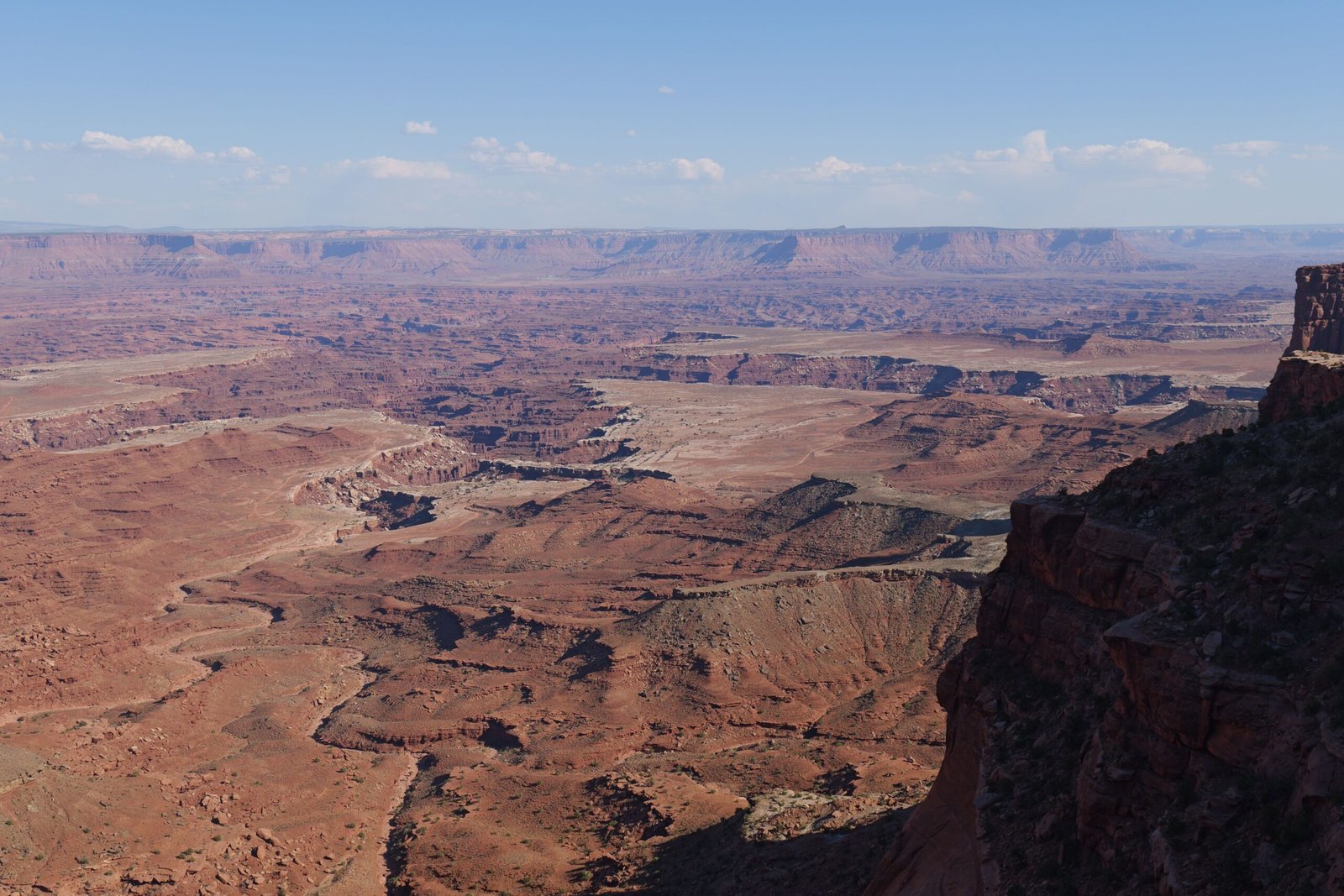
Canyonlands National Park is the wildest and most remote of Utah’s national parks, and it is also the largest. The park covers more than 330,000 acres of desert in south-east Utah, near the town of Moab, and it is a landscape of canyons, mesas, buttes, arches and spires, carved by the Colorado and Green Rivers over millions of years. The rivers divide the park into three districts, each with its own character: Island in the Sky, a high mesa with panoramic viewpoints; the Needles, a maze of red and white rock spires; and the Maze, one of the most remote and challenging areas in the United States. For travellers who love the desert, Canyonlands National Park is the essential Utah destination.
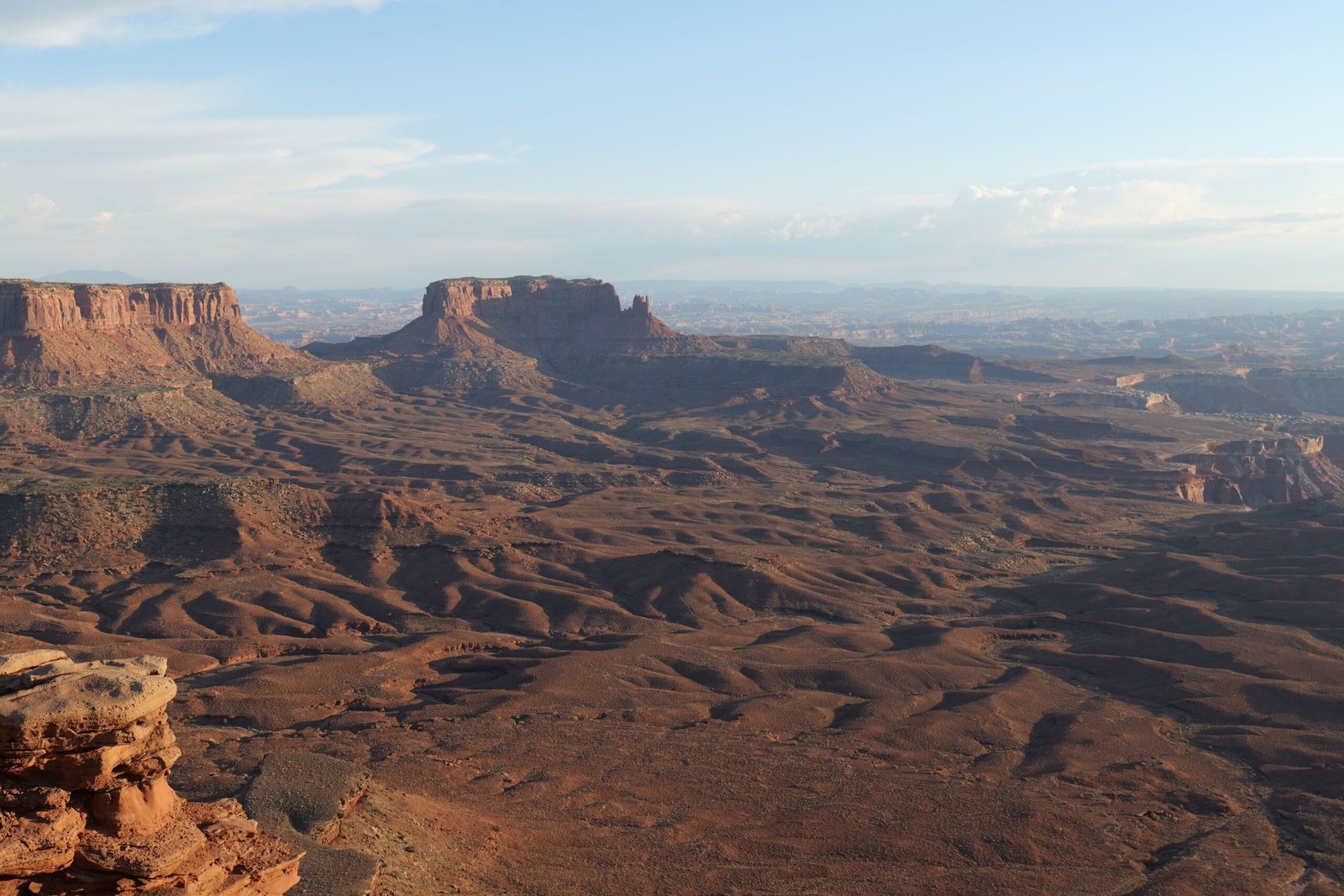
What makes Canyonlands National Park so special is its scale and its silence. The park is vast, and much of it is empty, with long stretches of desert where the only sounds are the wind and the ravens. The viewpoints on Island in the Sky look out over a labyrinth of canyons that stretches to the horizon, and the trails in the Needles wind among rock formations that feel like a city built by giants. The park is also a place of deep time: the rocks tell a story of ancient seas, deserts and rivers, and the Native American rock art in Horseshoe Canyon is thousands of years old. Whether you come for a day of viewpoints, a week of backcountry hiking, or a white-water trip on the rivers, Canyonlands rewards the effort of getting there.
Where Is Canyonlands National Park?
Canyonlands National Park lies in south-east Utah, near the town of Moab, about four hours south-east of Salt Lake City and about six hours north-east of Las Vegas. The park was established in 1964, and it protects a vast area of the Colorado Plateau, the high desert region that includes the Grand Canyon, Arches, Bryce Canyon and Zion. The Colorado River and the Green River meet in the heart of the park, at a place called the Confluence, and they divide the park into three districts. The town of Moab is the main gateway to the park, with hotels, restaurants, tour operators and gear shops, and it is also the base for Arches National Park, which lies just to the north.
The three districts of Canyonlands are very different, and they are not connected by roads within the park. Island in the Sky is the most accessible district, reached by a paved road from Moab, and it is the district most visitors see. The Needles is reached by a separate road to the south, and it is quieter and more rugged. The Maze is the most remote district, reached by long dirt roads from the west, and it is one of the least visited places in the national park system. A fourth area, Horseshoe Canyon, is a separate unit to the west, famous for its ancient rock art. Understanding the geography of the park is the key to planning a visit, as each district requires a separate trip.
Why Visit Canyonlands National Park?
People come to Canyonlands National Park for the vastness of the desert, and the park delivers it in a way that few places can. The viewpoints on Island in the Sky offer panoramas that stretch for a hundred miles, across a maze of canyons, mesas and buttes, and the feeling of standing on the edge of such a landscape is humbling. The park is also a place of adventure: the White Rim Road, a hundred-mile loop around Island in the Sky, is one of the great backcountry drives in America, the trails in the Needles lead to arches and viewpoints that few people see, and the rivers offer white-water trips through the canyons.
Canyonlands is also a park of solitude. Unlike Arches and Zion, which can be crowded, Canyonlands is often quiet, especially in the Needles and the Maze, where you can hike for hours without seeing another person. The park is a designated dark sky park, and the night sky over the desert is among the darkest in the United States, with the Milky Way clearly visible on a moonless night. The park is a place to slow down, to walk, to look, and to listen to the silence of the desert, and it is a destination that stays with you long after you leave.
Island in the Sky
Island in the Sky is the most visited district of Canyonlands National Park, and it is the easiest to explore. The district is a high mesa, some 1,800 metres above sea level, that rises above the canyons of the Colorado and Green Rivers, and it is reached by a paved road that climbs from Moab to the visitor centre. The viewpoints along the mesa rim are among the best in Utah: Grand View Point looks out over a vast expanse of canyons, Green River Overlook offers a view of the river far below, and the Shafer Canyon Overlook looks down on the switchbacks of the Shafer Trail, a dirt road that descends from the mesa to the canyon floor.
The trails on Island in the Sky are short and rewarding. The Mesa Arch Trail, a short, easy walk, leads to one of the most photographed arches in the world, a natural arch that frames the canyon below. The Grand View Point Trail follows the rim to a panoramic viewpoint, and the Upheaval Dome Trail climbs to a viewpoint over a mysterious crater-like feature that is thought to be the result of a meteorite impact or a salt dome. The White Rim Road, a hundred-mile dirt loop, is the classic backcountry experience of the district, and it can be driven in a high-clearance vehicle or cycled over several days, with campsites along the way.
Mesa Arch: Sunrise at Canyonlands
Mesa Arch is the most famous sight in Canyonlands National Park, and it is at its best at sunrise. The arch is a natural sandstone arch on the edge of the mesa, and it frames a view of the canyon below, with the La Sal Mountains in the distance. At sunrise, the light shines through the arch and illuminates the underside in a warm, golden glow, and photographers gather at the arch before dawn to capture the moment. The arch is a short walk from the road, and it is accessible to everyone, though the viewpoint can be crowded at sunrise in the busy season.
The best time to visit Mesa Arch is at dawn, when the light is at its most dramatic and the crowds are at their most respectful, though the arch is beautiful at any time of day. Arrive early, bring a head torch for the walk in the dark, and be patient and courteous with other photographers, as the viewpoint is small. The arch is also a reminder of the geology of the park: the sandstone, the erosion, and the slow work of wind and water that created the arch and the canyon below it. Mesa Arch is a small place with a big view, and it is the image that most people take home from Canyonlands.
The Needles
The Needles is the second district of Canyonlands National Park, and it is the district for hikers. The district is named for the red and white bands of rock that form spires and pinnacles across the landscape, and it is reached by a paved road from the south, through the town of Monticello. The Needles is quieter than Island in the Sky, and it offers longer trails, more solitude and a more intimate experience of the desert. The visitor centre at the Needles provides information and permits, and the campgrounds are a good base for exploring the district.
The trails in the Needles are among the best in Utah. The Chesler Park loop is the classic hike, a long day walk through a meadow surrounded by rock spires, with views that are among the most beautiful in the park. The Druid Arch trail climbs to a massive arch that resembles a Stonehenge monolith, and the Confluence Overlook trail leads to a viewpoint above the meeting of the Colorado and Green Rivers. The trails are well marked, though they can be hot and exposed, so carry plenty of water, start early, and be prepared for the desert. The Needles is a place to walk slowly and to look closely at the rock, the plants and the light.
The Maze: The Wildest Corner
The Maze is the third district of Canyonlands National Park, and it is one of the most remote and challenging places in the United States. The district is a labyrinth of canyons and mesas west of the Colorado and Green Rivers, and it is reached by long dirt roads that require a high-clearance, four-wheel-drive vehicle, a spare tyre and a sense of self-reliance. The Maze is not a place for a casual visit: it requires planning, permits, water and food, and a willingness to be far from help, but it rewards the effort with a solitude and a wilderness that are rare in the modern world.
The Maze is a place for experienced backcountry travellers, with trails that are unmarked and routes that require navigation, and the park recommends that visitors have experience and a detailed map. The highlights include the Maze Overlook, the Doll House, a collection of rock formations, and the Harvest Scene, a panel of ancient rock art in Horseshoe Canyon. The Maze is also a place of deep silence and dark skies, and it is a destination for those who want to experience the desert as it was before the roads and the crowds. If you are not an experienced backcountry traveller, consider a guided trip, or enjoy the Maze from the overlooks and the more accessible trails.
Best Time to Visit Canyonlands National Park
The best times to visit Canyonlands National Park are spring, from March to May, and autumn, from September to November, when the temperatures are mild, the skies are clear and the light is beautiful. Spring brings wildflowers to the desert, and autumn brings golden cottonwoods and crisp air, and both seasons are ideal for hiking and for the White Rim Road. The summer, from June to August, is very hot, with temperatures often above 38 degrees Celsius, and hiking in the middle of the day is dangerous, so summer visitors should hike early in the morning and late in the afternoon, and carry plenty of water.
Winter, from December to February, is cold and quiet, with snow on the mesas and fewer visitors, and it can be a beautiful time to visit if you are prepared for the cold and the possibility of snow on the roads. The park is open all year, and each season has its own character, but spring and autumn offer the best combination of weather and comfort. The park is at its busiest in spring and autumn, especially around the holidays, so book campsites and accommodation in Moab well in advance.
How to Get to Canyonlands National Park
Canyonlands National Park is reached by road from Moab, the main gateway town, which has an airport with flights from Denver and Salt Lake City, as well as a bus station and a range of tour operators. The drive from Salt Lake City to Moab takes about four hours, and the drive from Las Vegas takes about six hours, and the roads are good. Island in the Sky is about 45 minutes from Moab by paved road, and the Needles is about an hour and a half to the south, also by paved road. The Maze is reached by long dirt roads from the west, and it requires a high-clearance vehicle and careful planning.
Once you are in the park, a car is essential, as there is no public transport within Canyonlands, and the districts are not connected by roads. The paved roads in Island in the Sky and the Needles are suitable for any car, while the White Rim Road and the roads to the Maze require a high-clearance, four-wheel-drive vehicle. If you do not want to drive, tour operators in Moab offer day trips to Island in the Sky and the Needles, as well as multi-day trips to the White Rim Road and the rivers. Plan your transport in advance, especially in the busy season.
Where to Stay Near Canyonlands National Park
Most visitors to Canyonlands National Park stay in Moab, which has the widest choice of accommodation, from hotels and motels to campgrounds, hostels and vacation rentals. Moab is a lively town with restaurants, breweries, gear shops and tour operators, and it is a good base for exploring both Canyonlands and Arches. The hotels in Moab fill up quickly in spring and autumn, so book well in advance, especially if you are visiting at a weekend or a holiday.
Inside the park, there are campgrounds in Island in the Sky and the Needles, with sites that can be reserved in advance, and backcountry campsites along the White Rim Road and in the Needles, which require a permit. The campgrounds are simple, with no water or hookups, but they offer a wonderful experience of the desert at night, with dark skies and silence. Outside the park, there are campgrounds and lodges along the Colorado River, and the town of Monticello, south of Moab, offers a quieter alternative for visiting the Needles. Wherever you stay, book early, as Moab is a popular destination.
Practical Tips for Visiting Canyonlands National Park
The desert is a demanding environment, and Canyonlands National Park requires preparation. Carry more water than you think you need, at least four litres per person per day for hiking, and drink regularly, even if you do not feel thirsty. Wear a hat, sunscreen and light, long-sleeved clothes, and start hikes early in the morning, before the heat of the day. The sun is strong, and the desert offers little shade, so plan your hikes around the heat, and rest in the middle of the day in summer.
Respect the desert: stay on the trails, do not climb on the arches, do not collect rocks or plants, and take all your rubbish with you. The cryptobiotic soil, the dark, crusty surface of the desert, is alive and fragile, and a single footprint can damage it for decades, so walk on rock or in washes where there is no trail. The park is a place of great beauty and great fragility, and a little care helps to keep it that way. Check the weather and the road conditions before you go, especially for the White Rim Road and the Maze, and let someone know your plans if you are hiking alone.
If you liked Canyonlands National Park, you will also enjoy our guides to Arches National Park and to Bryce Canyon.
Conclusion
Canyonlands National Park is the Utah desert at its wildest and most beautiful. It is the vastness of the canyons, the silence of the desert, the sunrise at Mesa Arch, the trails among the Needles and the remoteness of the Maze. It is a park that rewards those who take the time to explore it, whether for a day of viewpoints or a week in the backcountry, and it is a place that stays with you long after you leave. Visit in spring or autumn, carry plenty of water, watch the sunrise at Mesa Arch, and let Canyonlands show you why it is one of the great desert parks of the world.
Frequently Asked Questions
How many days do you need in Canyonlands National Park?
Two to three days is ideal. That gives you a day for Island in the Sky, a day for the Needles, and time for a longer hike or a drive on the White Rim Road. A single day is enough for the highlights of Island in the Sky, but the park deserves more time.
What is the best district of Canyonlands to visit?
Island in the Sky is the best for first-time visitors, with paved roads, viewpoints and short trails. The Needles is the best for hikers, with longer trails and more solitude, and the Maze is the best for experienced backcountry travellers seeking wilderness.
Do you need a four-wheel-drive vehicle for Canyonlands?
For Island in the Sky and the Needles, a regular car is fine on the paved roads. For the White Rim Road and the Maze, a high-clearance, four-wheel-drive vehicle is essential, and the roads require experience and preparation.
When is the best time to visit Mesa Arch?
Sunrise is the best time, when the light shines through the arch and illuminates the underside. Arrive before dawn, bring a head torch, and be prepared for crowds in the busy season.
Is Canyonlands National Park crowded?
No, Canyonlands is one of the least crowded national parks in Utah, especially compared to Arches and Zion. Island in the Sky can be busy at the viewpoints, but the Needles and the Maze are often quiet, and it is easy to find solitude in the park.