Zion National Park, Utah: Complete Guide to The Narrows, Angels Landing and Red Rock Canyons
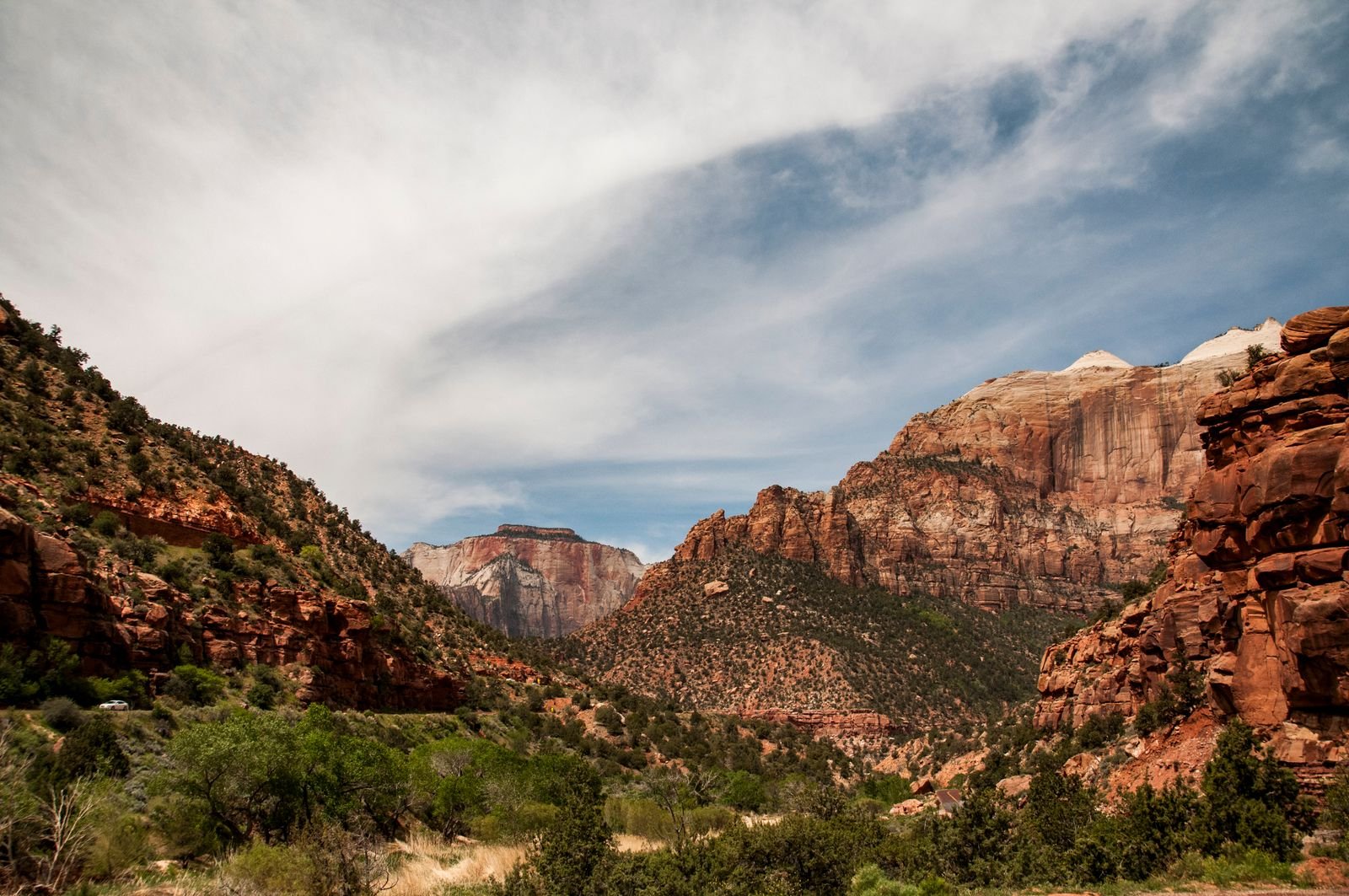
Zion National Park is one of the most dramatic landscapes in the United States, and it is also one of the most accessible. In a single day you can walk along the Virgin River between walls of red rock, climb to a viewpoint that looks out over the whole canyon, and drive through a tunnel that opens onto a desert of white and pink sandstone. Zion National Park, in south-west Utah, protects a canyon carved by the Virgin River over millions of years, and it draws millions of visitors a year, not because it is easy, but because it is extraordinary. This guide covers the great hikes, the shuttle system, the seasons and the practical details that will help you make the most of Zion National Park.
Zion was established as a national park in 1919, and it was the first national park in Utah. The park covers about 600 square kilometres, and its heart is Zion Canyon, a deep, narrow gorge whose walls rise up to 800 metres above the river. The canyon is the park’s centre, but it is not the whole park. Beyond the canyon are the Kolob Canyons in the north-west, the high desert of the East Side, and the remote backcountry where you can walk for days without meeting another person. Most visitors see the canyon, and that is enough for a first visit. But if you have time, the quieter parts of Zion National Park reward the effort many times over.
Zion Canyon and the Shuttle System
Zion Canyon is the part of the park that almost everyone visits, and it is managed with care, because it is so popular. For most of the year, private cars are not allowed on the Zion Canyon Scenic Drive, and visitors travel by the free park shuttle. The shuttle runs from the visitor centre up the canyon, stopping at the trailheads, the lodge and the viewpoints, and it is the best way to see the canyon, because you can get on and off as you please and you do not have to worry about parking. The shuttle is frequent, it is free, and it is part of the experience. Sit on the right-hand side going up the canyon for the best views of the cliffs.
The shuttle system also keeps the canyon quiet. Without the constant stream of cars, you can hear the river, the birds and the wind in the cottonwood trees. The canyon floor is shaded for much of the day, and the light changes constantly as the sun moves across the cliffs. In the morning, the east-facing walls glow, and in the late afternoon, the west-facing walls turn a deep red. If you can, ride the shuttle to the end of the canyon and walk back down, stopping at the trailheads that interest you. It is the simplest way to see Zion, and it is also one of the most pleasant.
The Narrows: Walking in the Virgin River
The Narrows is the most famous hike in Zion National Park, and it is also the most unusual. For much of its length, the trail is the river itself. You walk in the Virgin River, between walls that rise hundreds of metres on either side and are sometimes only a few metres apart. The water is usually knee-deep, sometimes waist-deep, and it is cold, even in summer. The canyon is so narrow that the sun only reaches the bottom for a short time each day, and the light in the Narrows is soft, reflected and constantly changing.
Walking the Narrows is not a casual stroll. You need to be prepared to get wet, and you need proper footwear, because the riverbed is rocky and slippery. Many visitors rent canyoneering shoes and a walking stick in Springdale, the town just outside the park, and that is good advice, especially if you plan to walk for more than an hour. The classic day hike is to walk upstream from the Temple of Sinawava for a few hours and then turn back, which is known as the bottom-up hike. The full Narrows, a 26-kilometre through-hike from the top, requires a permit and a full day, and it is one of the great hikes in the United States. Check the weather and the river conditions before you go, because the Narrows can be dangerous in a flash flood, and the park closes it when the river is too high. Never enter the Narrows if there is a chance of rain upstream.
Angels Landing: The Most Famous Trail in Zion
Angels Landing is the trail that everyone has heard of, and it is the trail that most people want to do. It climbs about 450 metres from the canyon floor to a narrow fin of rock that juts out into the canyon, with views that are, quite simply, among the best in the world. The trail is not long, about 8 kilometres return, but it is steep, and the final section follows a narrow ridge with chains bolted into the rock to hold on to. There are sheer drops on both sides, and it is not a trail for anyone who is afraid of heights.
Angels Landing now requires a permit, awarded by lottery, because it was becoming dangerously crowded. Apply for the permit well in advance, and if you do not get one, do not be disappointed. The trail to Scout Lookout, which is the point before the chained section, does not require a permit, and it offers almost the same views, without the exposure. If you do get a permit, start early, take water and food, and take your time on the ridge. The chains are there to help, but they are not a substitute for care. Angels Landing is a trail that rewards respect, and it is best enjoyed slowly, with time to sit at the top and look out over Zion Canyon.
Other Great Hikes in Zion National Park
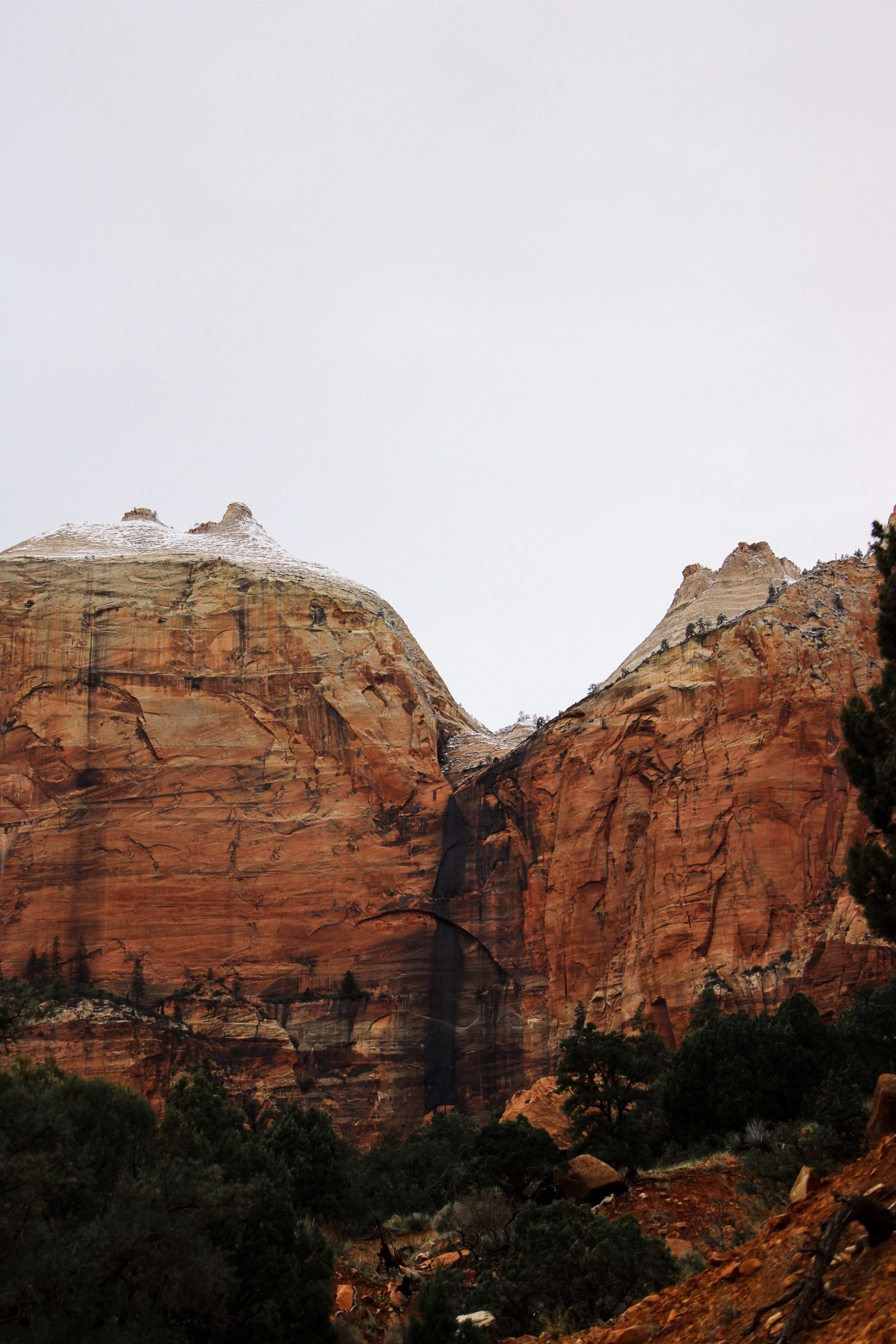
Zion National Park has far more to offer than its two famous trails. The Emerald Pools trail is a gentle walk from the lodge to a series of pools and waterfalls, and it is a good choice for families and for a first afternoon in the park. The Watchman Trail climbs from the visitor centre to a viewpoint over the town of Springdale and the lower canyon, and it is at its best in the late afternoon. The Canyon Overlook Trail, on the east side of the Zion-Mount Carmel Tunnel, is a short, easy walk to a viewpoint over the canyon, and it is one of the best short hikes in the park.
For a longer day, the West Rim Trail climbs from the canyon floor to the high country, with views over the canyon and the desert beyond. The East Rim Trail is quieter and longer, and it leads to a high viewpoint over the canyon that few visitors see. In the Kolob Canyons section, the Taylor Creek Trail follows a stream through a narrow canyon to a double arch, and the Kolob Arch, one of the largest natural arches in the world, can be reached by a long day hike. Whichever trail you choose, start early, carry more water than you think you need, and tell someone where you are going. The desert is beautiful, but it is also unforgiving.
The East Side and Kolob Canyons
Most visitors to Zion National Park never leave Zion Canyon, and that is a pity, because the east side of the park is a different world. After the Zion-Mount Carmel Tunnel, the road climbs onto a high plateau of white and pink sandstone, where the rock is carved into domes, slots and slickrock. The Checkerboard Mesa, with its cross-hatched pattern of cracks, is one of the first sights, and the drive across the east side is one of the most scenic in the American West. There are pullouts, short trails and viewpoints, and the light on the white rock is at its best in the morning and late afternoon.
Kolob Canyons, in the north-west corner of the park, is quieter still. The road climbs to a viewpoint over a series of red rock canyons, and the trails here are less crowded than those in Zion Canyon. The Kolob Canyons are a good place to go if you want to escape the crowds, and they are also a good place to see the park in a different season, because the road is at a higher elevation and the temperatures are cooler. If you have a second or third day in Zion National Park, spend it on the east side or in Kolob Canyons, and you will see a side of the park that most visitors miss.
Where to Stay: Springdale and the Zion Lodge
Springdale is the small town just outside the south entrance to Zion National Park, and it is where most visitors stay. It has hotels, motels, restaurants, gear shops and a free town shuttle that connects to the park. Springdale is a pleasant town, with a relaxed, outdoorsy feel, and it is a good base for a visit to the park. Book ahead, especially in spring and autumn, when the town fills up. The Zion Lodge, inside the park, is the only hotel in Zion Canyon, and it is a lovely place to stay, with rooms that look out onto the cliffs and a restaurant that serves good food. It is expensive and it books up months in advance, but if you can get a room, it is worth it, because you can walk to the trails from your door.
Camping is another option. The Watchman Campground, near the visitor centre, is open year-round and can be booked in advance. The South Campground is open in the summer. Both are popular, and they book up quickly. If you want to camp, book as early as you can, and be prepared for hot days and cool nights. For a wider sense of how mountain parks are visited in other parts of the world, our guide to the Swiss Alps shows a very different kind of mountain landscape, with villages, trains and high trails, while Mount Fuji in Japan offers a single, perfect mountain that can be climbed in a day. More background on Zion is available on Wikipedia’s Zion National Park page.
The Best Time to Visit Zion National Park
The best times to visit Zion National Park are spring and autumn. From March to May, the weather is mild, the wildflowers are out, and the river is running high from the snowmelt. From September to November, the weather is warm and dry, the cottonwood trees turn gold, and the crowds thin out. Summer, from June to August, is hot, with temperatures in the canyon often above 38 degrees Celsius, and it is also the busiest season. If you visit in summer, start your hikes at dawn, carry plenty of water, and rest in the shade during the heat of the day.
Winter in Zion National Park is quiet and beautiful. The canyon is cooler, the crowds are gone, and the snow on the high cliffs is a rare sight. Some trails can be icy, and the shuttle runs on a reduced schedule, but if you want to see Zion without the crowds, winter is a good time. Whatever the season, check the weather before you hike, because the desert can change quickly, and flash floods are a real danger in the narrow canyons. The park’s website and the visitor centre are the best sources of current conditions.
Practical Tips for Visiting Zion
A few practical tips will make your visit to Zion National Park safer and more enjoyable. Carry more water than you think you need, at least a litre per hour of hiking in hot weather, and drink regularly. Wear a hat and sunscreen, and wear proper hiking shoes, because the trails are steep and rocky. Start early, because the trails are busiest in the middle of the day, and the light is best in the morning and late afternoon. Use the shuttle, and be patient with it, because it is the only way to see the canyon for most of the year.
Respect the park. Stay on the trails, do not feed the wildlife, and do not climb on the rocks where it is not allowed. The desert is fragile, and the cryptobiotic soil, the dark, crusty soil that covers much of the desert floor, can take decades to recover from a single footprint. Zion National Park is a place that rewards the careful traveller, and it is also a place that demands care. If you go prepared, if you start early, and if you take your time, Zion will give you some of the best days of your travelling life.
Frequently Asked Questions
How many days do you need in Zion National Park?
Two to three days is ideal. It gives you time for the Narrows and Angels Landing, for a drive to the east side or Kolob Canyons, and for a slower day in the canyon. With one day you can see the highlights, but you will be rushed. With four days you can explore the backcountry and the quieter trails.
Do you need a permit for Angels Landing?
Yes, the final chained section of Angels Landing now requires a permit, awarded by lottery. The trail to Scout Lookout does not require a permit. Apply for the permit well in advance, and have a backup plan if you do not get one.
Can you drive your own car in Zion Canyon?
For most of the year, private cars are not allowed on the Zion Canyon Scenic Drive, and visitors use the free park shuttle. In winter, when the shuttle is not running, cars are allowed. Check the current shuttle season before you visit.
Is the Narrows safe?
The Narrows is safe in good conditions, but it can be dangerous in a flash flood. Check the weather and river conditions at the visitor centre before you go, and do not enter the Narrows if there is a chance of rain upstream. Wear proper footwear and carry a walking stick.
When is the best time to visit Zion National Park?
Spring and autumn are the best times, with mild weather and fewer crowds. Summer is hot and busy, and winter is quiet and cool, with a chance of snow on the high cliffs.
Conclusion
Zion National Park is a place that earns its reputation. The canyon is vast and beautiful, the hikes are among the best in the United States, and the light on the red rock is something you will never forget. Walk in the river in the Narrows, climb to Angels Landing if you can, and take time to see the east side and Kolob Canyons. Go prepared, start early, and respect the desert. If you do, Zion National Park will not just be a stop on a tour of Utah. It will be one of the great places of your life, and a place you will want to return to, in a different season, to see it in a different light.