Valdivian Temperate Rainforest, Chile: Complete Guide to Ancient Forests and Volcanoes

The Valdivian Temperate Rainforest is one of the rarest forests on earth. It grows only in a narrow strip of southern Chile and Argentina, between the Andes and the Pacific Ocean, where the climate is cool, wet, and misty for much of the year. It is a forest of ancient trees, of ferns and mosses, of volcanoes and lakes, and it is one of the few temperate rainforests left in the world.
For nature lovers, the Valdivian rainforest is a place of wonder. Its trees include the araucaria, or monkey puzzle tree, which has existed since the time of the dinosaurs, and the alerce, a cypress that can live for more than 3,000 years, making it one of the longest-lived trees on earth. Its forests are home to the pudu, the smallest deer in the world, the Darwin’s fox, and the Magellanic woodpecker, the largest woodpecker in South America.
This guide covers the Valdivian Temperate Rainforest in full, from where to go and when to visit to the best national parks, hikes, and practical tips. Whether you are coming to see ancient trees, to hike among volcanoes, or simply to walk through a forest that feels older than time, the Valdivian rainforest has a way of changing how you think about nature.
Where Is the Valdivian Rainforest and Why Visit?
The Valdivian Temperate Rainforest lies in southern Chile and in a small part of Argentina, between about 37 and 48 degrees south latitude. It stretches from the coastal range to the Andes, and it includes national parks such as Conguillio, Huerquehue, Alerce Andino, and Pumalin, as well as the island of Chiloe, which has its own rainforest and its own culture.
The forest is one of only five temperate rainforests in the world, and it is the only one in South America. It is a UNESCO Biosphere Reserve, and it is recognised as a biodiversity hotspot, with many species that are found nowhere else, including the alerce, the araucaria, and the pudu. The forest’s isolation, between the Andes and the Pacific, has allowed its species to evolve in their own way for millions of years.
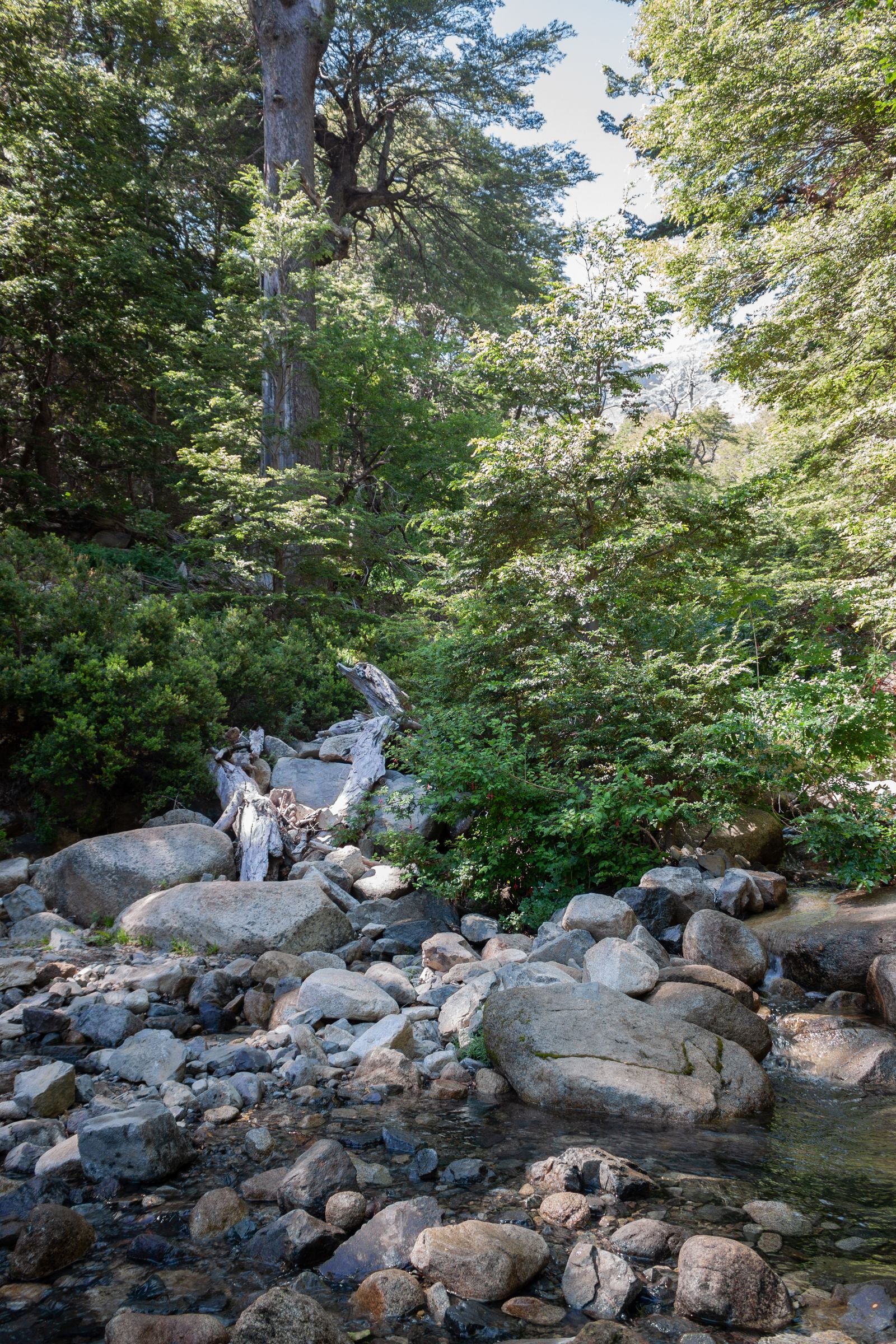
What makes the Valdivian rainforest special is its age and its atmosphere. The forest is cool and damp, with rain falling for much of the year, and its trees are covered in mosses, lichens, and ferns. Walking through it feels like stepping into another world, a world of green light, of dripping leaves, and of silence broken only by birdsong and by the sound of water.
What Makes the Valdivian Rainforest Special?
The araucaria is the symbol of the Valdivian rainforest. The tree, with its umbrella shape and its sharp, overlapping leaves, has existed for more than 200 million years, and it was once widespread across the southern hemisphere. Today, it grows only in Chile and Argentina, and the Conguillio National Park is one of the best places to see it, with forests of araucaria that are hundreds of years old.
The alerce is another highlight. The tree, a type of cypress, can live for more than 3,000 years, and some individuals are more than 5,000 years old, making them among the oldest living things on earth. The Alerce Andino National Park, near Puerto Montt, is one of the best places to see alerce, with trails that lead through forests of these ancient trees.
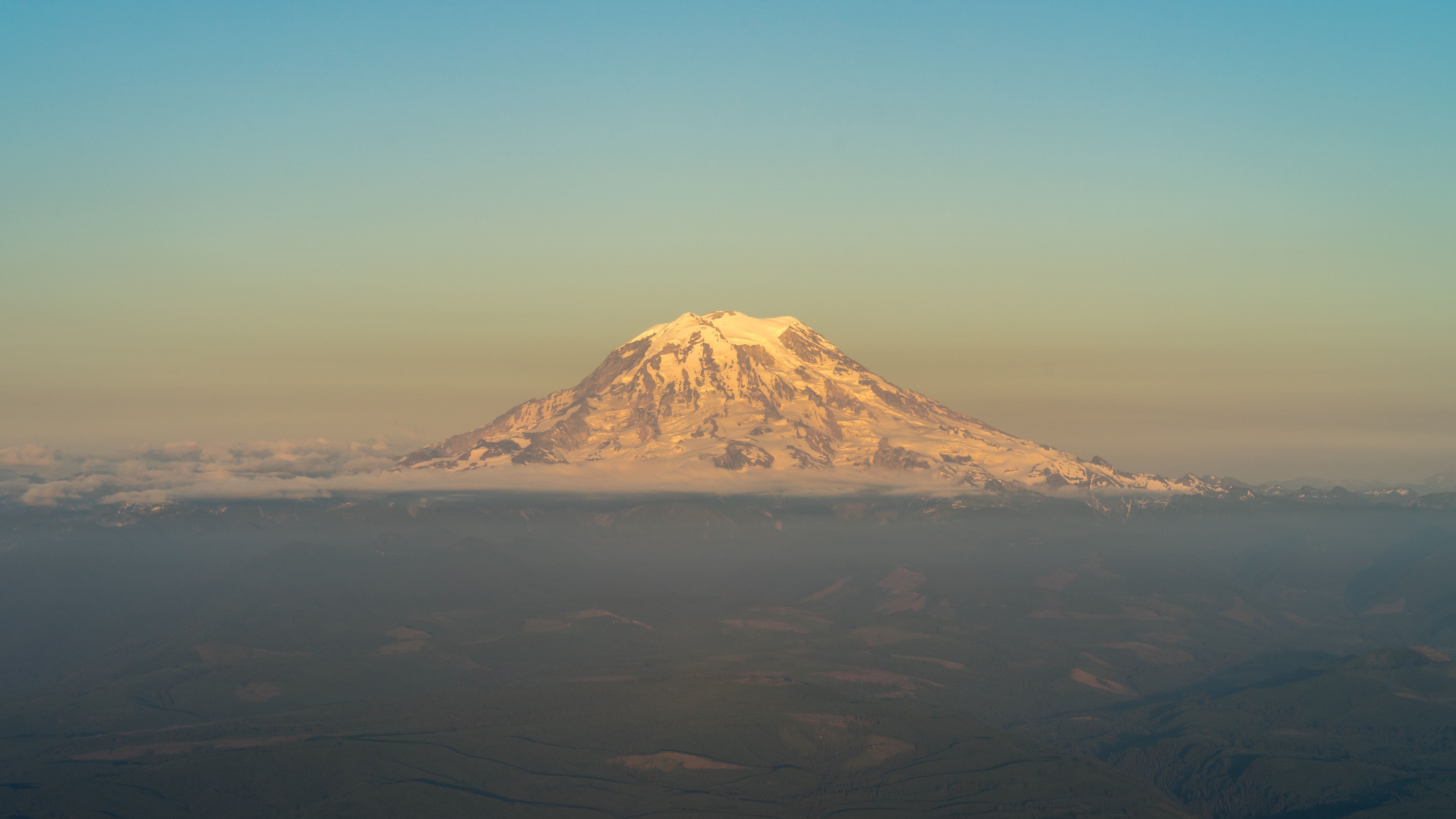
Then there are the volcanoes. The Valdivian rainforest is set among volcanoes, including Villarrica, Llaima, and Osorno, which rise above the forests and lakes, and which are active, with smoke and ash visible from their summits. The volcanoes are a reminder that the forest is part of a landscape that is still being shaped by the earth, and they offer some of the best hiking and climbing in Chile.
Best Things to Do in the Valdivian Rainforest
Start in Conguillio National Park, one of the most beautiful parks in Chile, with its araucaria forests, its lakes, and its views of the Llaima volcano. The park has trails for every level, from short walks to the araucaria forests to longer hikes to the Sierra Nevada, a viewpoint with a panoramic view of the park. The park’s lakes, including Lake Conguillio, are clear and cold, and they are good for swimming in summer.
For volcanoes, visit Villarrica National Park, where you can hike to the summit of the Villarrica volcano, one of the most active volcanoes in Chile, and look into its crater. The hike is demanding, and it is best done with a guide, but the view from the summit, with the lake and the forest below, is one of the best in Chile. In winter, the volcano is a ski resort, with slopes that offer views of the lake.
For a different experience, visit the island of Chiloe, where the rainforest meets the sea, and where the culture is a mix of Spanish and indigenous Huilliche traditions. The island has wooden churches that are UNESCO World Heritage Sites, palafito houses built on stilts over the water, and a cuisine based on seafood and potatoes. The island’s forests and wetlands are home to penguins, sea lions, and the pudu, and they are a good place for kayaking and for birdwatching.
Best Time to Visit the Valdivian Rainforest
The best time to visit the Valdivian rainforest is from November to March, during the southern hemisphere summer, when the weather is warmest, the days are longest, and the trails are driest. December to February is the busiest time, with the best weather and the most visitors, while November and March are quieter, with good weather and fewer people. Summer is also the best time for hiking, for kayaking, and for visiting the lakes.
Winter, from June to August, brings rain, snow, and cold, and many trails are closed, although the forest is at its most atmospheric, with mist and rain, and the volcanoes are covered in snow. Spring, from September to October, brings wildflowers and the return of migratory birds, and autumn, from April to May, brings golden forests and fewer visitors. Whichever season you choose, pack a waterproof jacket and layers, as the weather in the Valdivian rainforest can change quickly.
How to Get to the Valdivian Rainforest and Get Around
Most visitors reach the Valdivian rainforest from Puerto Montt, Temuco, or Valdivia, in southern Chile, with flights from Santiago and buses to the national parks. Conguillio National Park is best reached from Temuco, with a bus to the town of Melipeuco, while Villarrica National Park is best reached from Pucon, a popular adventure town with hotels, restaurants, and tour operators. Chiloe Island is reached by ferry from Puerto Montt.
Once in the region, a car gives you the most freedom, as public transport to the national parks is limited, especially outside the summer season. The roads are mostly paved, but they can be rough in the parks, so a car with good clearance is useful. In summer, buses run to the main parks, and tours can be booked through hotels and agencies in Pucon, Temuco, and Puerto Montt.
Where to Stay in the Valdivian Rainforest
Pucon is the best base for Villarrica National Park and for the Lake District, with a wide range of hotels, hostels, and restaurants, and with easy access to hiking, kayaking, and hot springs. Temuco is the best base for Conguillio National Park, with hotels and buses to the park, while Puerto Montt is the best base for Alerce Andino National Park and for Chiloe Island.
For a more immersive stay, consider a lodge in or near a national park, where you can wake up to birdsong and walk straight into the forest. Book ahead in summer, especially in December and January, as the best hotels and lodges fill up quickly. Wherever you stay, ask for a room with a view of a volcano or of a lake, as the view from your window is one of the great pleasures of a stay in the Valdivian rainforest.
Wildlife and Nature in the Valdivian Rainforest
The Valdivian rainforest is home to a unique range of wildlife, with many species found nowhere else. The pudu, the smallest deer in the world, lives in the forest undergrowth, and the Darwin’s fox, one of the rarest foxes in the world, lives in the forests of Chiloe and in the coastal range. The Magellanic woodpecker, with its bright red head, is a common sight in the forest, and the chucao tapaculo, a small bird with a loud song, is a symbol of the forest.
The forest’s flora is just as rich. The Valdivian rainforest has more than 3,000 species of plants, including the alerce, the araucaria, the coigue, and the tepa, and its undergrowth is rich in ferns, mosses, and orchids. The forest’s ancient trees are a reminder of what the world looked like millions of years ago, and they are a symbol of the forest’s importance for conservation.
Practical Tips for Visiting the Valdivian Rainforest
Respect the forest and its wildlife. Stay on marked trails, do not feed wild animals, and keep a respectful distance from wildlife. The Valdivian rainforest is a fragile ecosystem, so avoid picking plants, do not leave litter, and use reef-safe sunscreen if you are swimming in the lakes. The forest is also a place of cultural importance for the Mapuche people, so respect local customs and ask before photographing people.
Bring a waterproof jacket and layers, as the weather in the Valdivian rainforest can change quickly, even in summer. The forest is wet, so wear waterproof boots and carry a dry bag for your camera and for your phone. Insect repellent is useful in summer, as the forest has mosquitoes and horseflies, and sun protection is essential, as the sun is strong at high altitude and on the lakes.
Finally, take your time in the Valdivian rainforest. The forest is not a place to rush, and the best moments are often quiet ones: a woodpecker drumming in the distance, a pudu crossing the trail, or the light filtering through ancient trees. Plan your days, but leave room for the forest to surprise you.
More Forests and Wildlife
If the Valdivian rainforest has given you a taste for ancient forests, there are many more to explore. The Monteverde Cloud Forest in Costa Rica is a misty forest of hanging bridges, orchids, and the resplendent quetzal, while the Daintree Rainforest in Australia is the oldest rainforest in the world, with cassowaries, crocodiles, and ancient ferns. Both are very different from the Valdivian rainforest, and both show how varied the world’s forests can be.
Frequently Asked Questions About the Valdivian Rainforest
Is the Valdivian rainforest safe for visitors? Yes, the Valdivian rainforest is generally safe for visitors, with low levels of crime in the national parks and in the towns. Take the usual precautions with valuables, follow your guide’s advice on volcano hikes, and check the weather before a hike, as rain can make the trails slippery.
Do I need a visa to visit Chile? Most visitors do not need a visa for Chile for short stays, although the rules depend on your nationality. Check the current rules for your nationality before you travel, and make sure your passport is valid for at least six months.
What is the best national park in the Valdivian rainforest? Conguillio National Park is the most beautiful, with its araucaria forests and its views of the Llaima volcano, while Villarrica National Park is the best for volcano hiking, and Alerce Andino National Park is the best for seeing ancient alerce trees.
How many days do I need in the Valdivian rainforest? Five to seven days is ideal, with time for Conguillio, Villarrica, and a day on Chiloe Island. Ten days allows a slower pace and a visit to Pumalin Park and to the Alerce Andino National Park.
Can I see the resplendent quetzal in the Valdivian rainforest? The resplendent quetzal is rare in Chile, and it is more commonly seen in Central America, including in Monteverde in Costa Rica. The Valdivian rainforest is home to the Magellanic woodpecker, the chucao tapaculo, and the pudu, which are its own special species.
Conclusion
The Valdivian Temperate Rainforest is a place that reminds us of how old and how fragile the natural world is. Its ancient trees, its volcanoes, and its unique wildlife make it one of the most important forests in the world, and a visit there is a chance to walk through a landscape that has existed for millions of years. Whether you come for the araucaria, the alerce, the volcanoes, or simply to stand among trees that have stood for centuries, the Valdivian rainforest has a way of staying with you. Plan well, walk respectfully, and leave room for the unexpected, because in the Valdivian rainforest, the best moments are often the quiet ones.