
Isle of Skye: Complete Guide to Scotland’s Wild Island, Fairy Pools and the Quiraing
The Isle of Skye is Scotland’s most famous island, and it earns that reputation in the first hour of every visit. Jagged mountains rise straight from the sea, waterfalls drop over black cliffs into the Atlantic, and narrow single-track roads lead to valleys that feel untouched by time. For travellers who love wild landscapes, Skye is not just another stop on a Scotland tour. It is the place that makes the whole journey worthwhile, and it rewards slow travel more than almost anywhere else in Britain.
This complete guide to the Isle of Skye covers everything you need to plan a great trip. You will find the best things to do, from the Old Man of Storr and the Quiraing to the Fairy Pools and Fairy Glen, plus honest advice on when to visit, how to get there, where to stay, and how to enjoy the island without rushing. Whether you have two days or a full week, the ideas below will help you see Skye at its best, in sunshine, in mist, and in the golden light that makes photographers return year after year.
Why Visit the Isle of Skye
Skye packs an astonishing variety of scenery into one island. In a single day you can walk beneath the sharp peaks of the Cuillin mountains, stand on a clifftop above the sea at Kilt Rock, swim in the clear blue pools of Glen Brittle, and watch the sunset turn the harbour houses of Portree pink and gold. Few places in Europe change character so quickly. A ten-minute drive can take you from a moor covered in purple heather to a beach of white sand, and then to a valley where the hills look like a green moonscape.
The island also has a deep sense of history and culture. Gaelic is still spoken here, and many place names tell stories of clans, battles, and legends. Dunvegan Castle, home of the MacLeod clan for more than 800 years, stands on the west coast, while the ruins of castles and crofting townships remind visitors that people have farmed this hard land for centuries. Add in fresh seafood, cosy pubs, and some of Scotland’s best whisky, and Skye becomes a destination that appeals to walkers, photographers, food lovers, and families alike.
There is another reason to visit Skye now rather than later. The island is popular, and its small roads and car parks fill up quickly in summer. Travelling outside the busiest weeks, arriving early at the famous viewpoints, and staying for at least three nights will give you a far better experience than a rushed day trip from Inverness. This guide is written with that slower approach in mind, so you can enjoy the Isle of Skye properly instead of simply ticking off its landmarks.
If you love remote Atlantic islands, you will also enjoy our guides to the Faroe Islands: Complete Guide to the North Atlantic’s Remote Cliffs, Waterfalls and Villages and Santorini, Greece: Complete Guide to Greece’s Whitewashed Island and Blue Dome Churches. Both are island journeys built around slow travel, coastal walks, and small villages, just like Skye.
Best Things to Do on the Isle of Skye
The best things to do on the Isle of Skye are spread across the island, so plan your days by area rather than zigzagging back and forth. The Trotternish peninsula in the north holds the most famous sights, the Cuillin in the south offers the best mountain walking, and the west coast has castles, beaches, and sunset views. Here are the highlights to build your trip around.
The Old Man of Storr
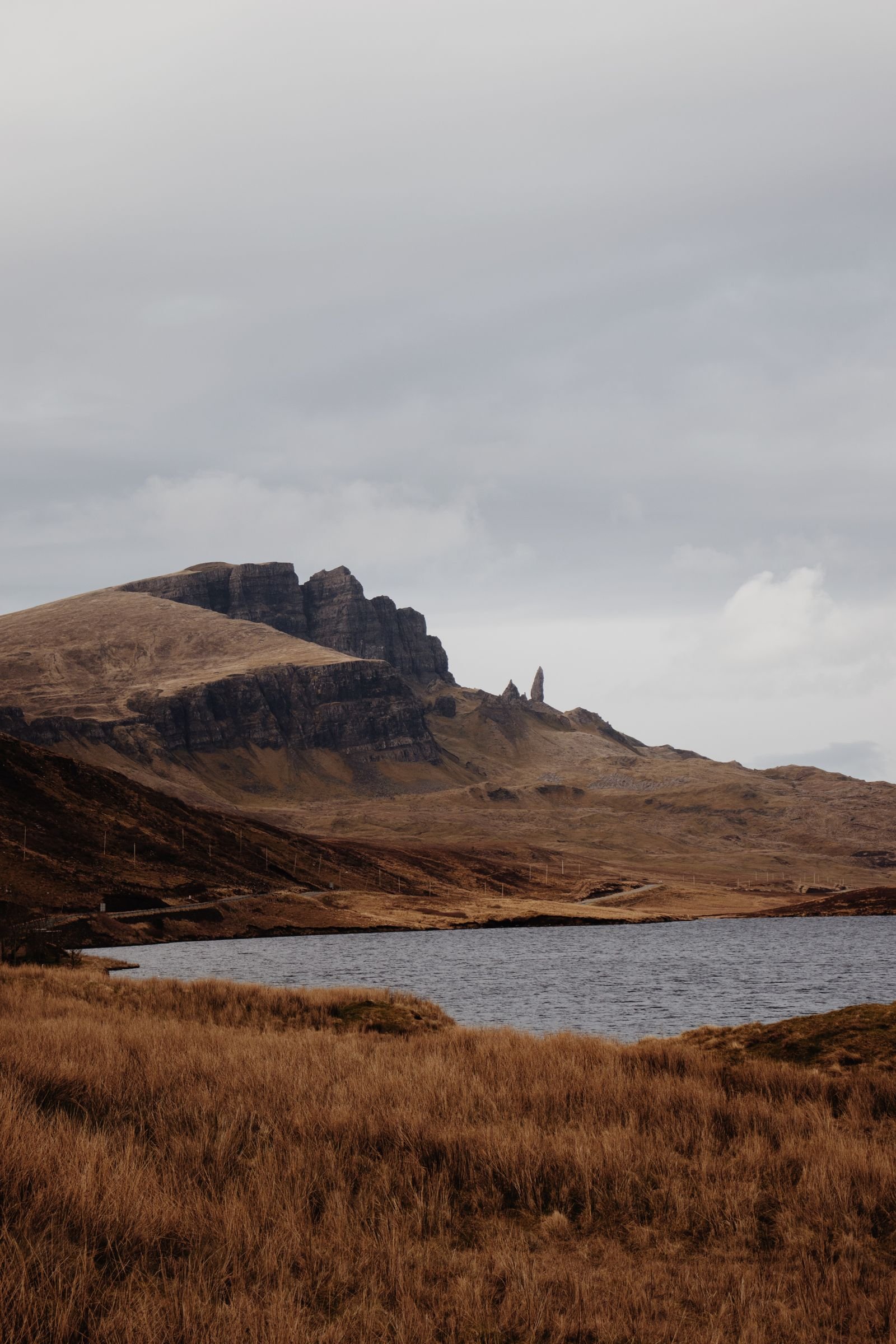
The Old Man of Storr is Skye’s most photographed landmark, a tall pinnacle of rock standing on a hillside above the road to Portree. The walk to the viewpoint takes about one and a half to two hours return, climbing steadily through a landscape of strange rock formations. Go at sunrise if you can, when the light is soft and the car park is quiet, and take waterproofs, because the weather on the hill can change in minutes.
The Quiraing
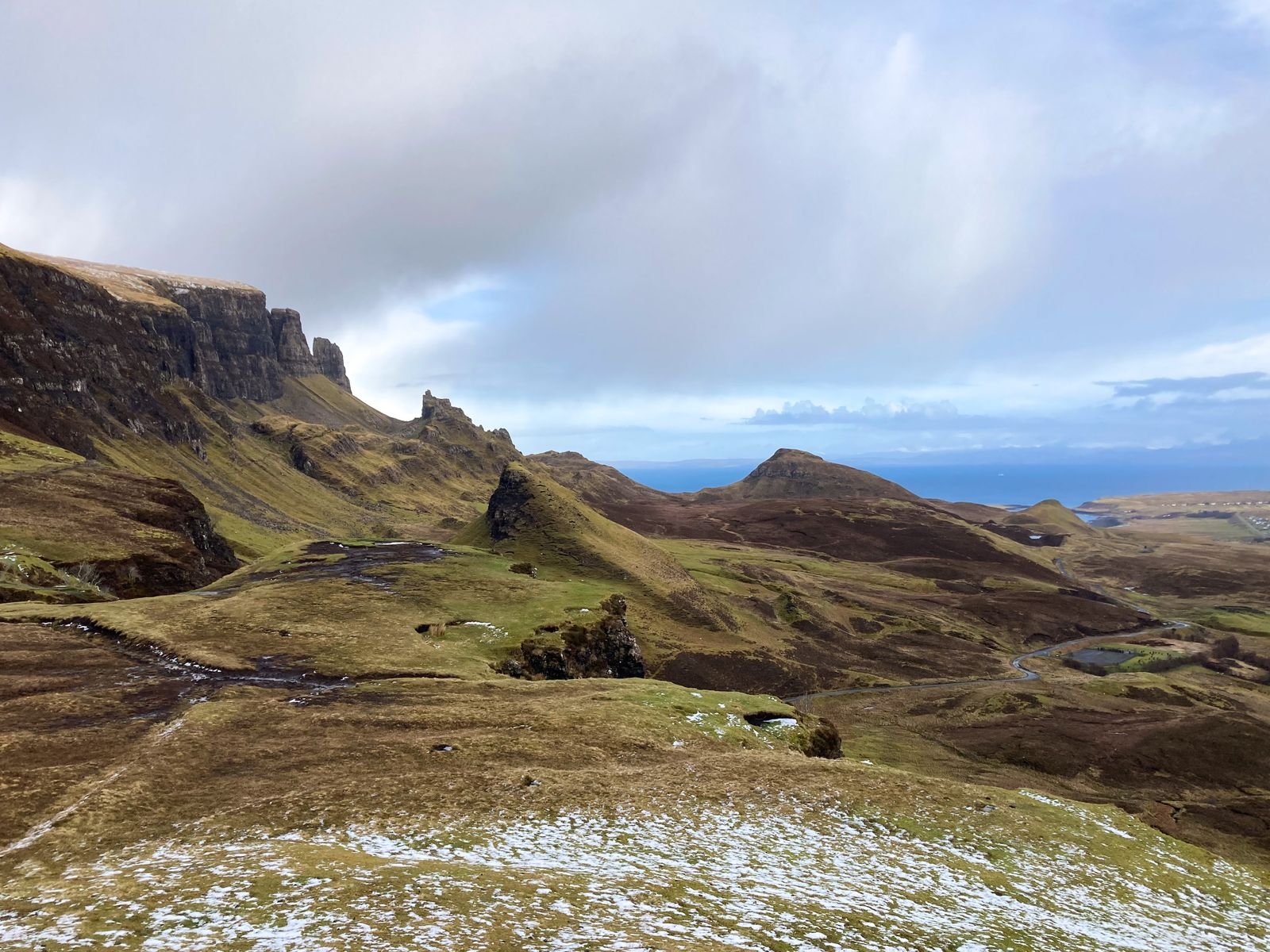
The Quiraing is a landslip on the Trotternish ridge that looks like a landscape from another planet. Huge blocks of rock, grassy terraces, and hidden pinnacles create a maze that is best explored on foot. The full loop walk takes three to four hours, but even a short walk from the car park gives wonderful views over the cliffs and the sea. It is one of the finest short walks in Scotland, and it is especially beautiful in the evening light.
The Fairy Pools
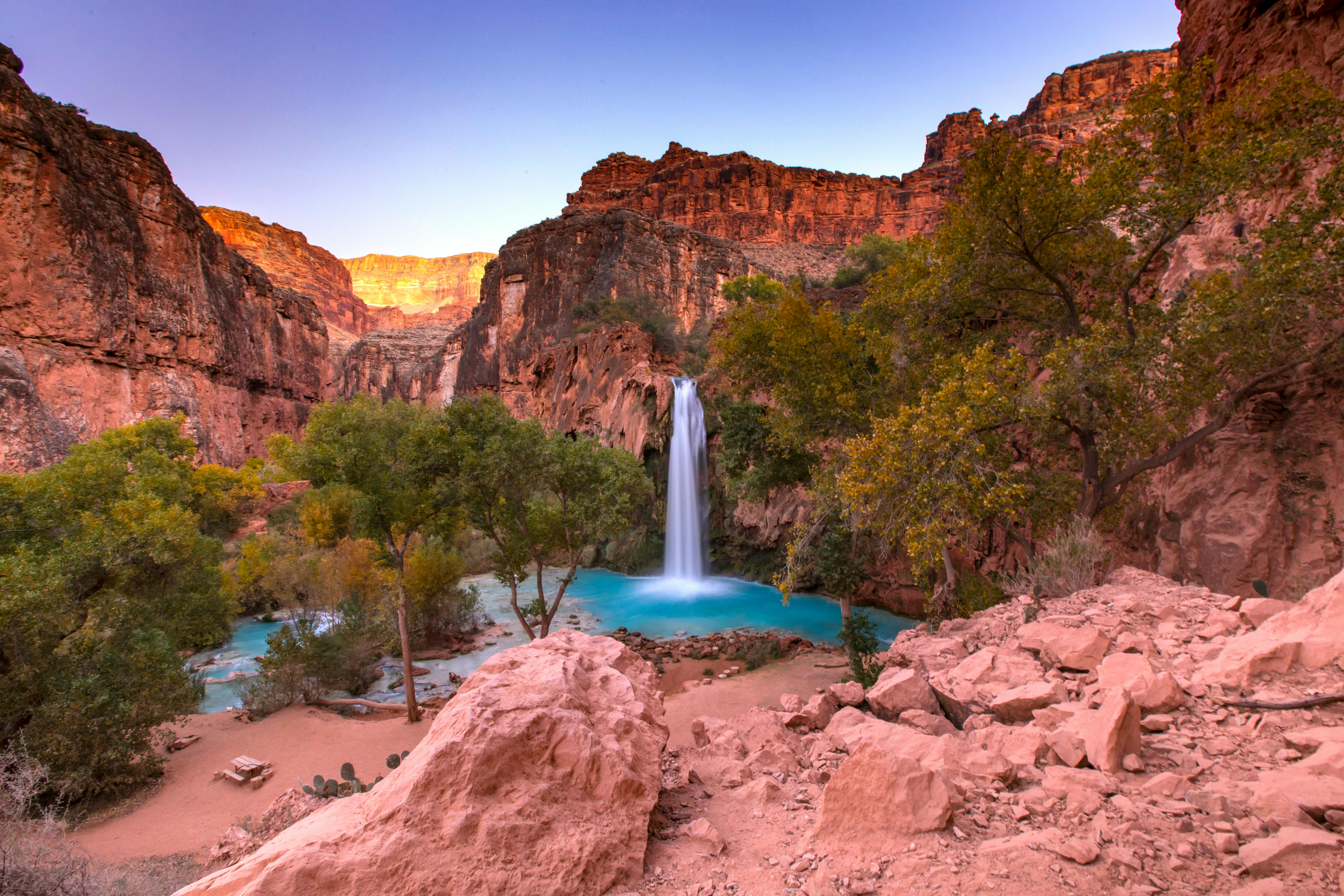
The Fairy Pools in Glen Brittle are a series of clear blue and green pools linked by small waterfalls, with the Cuillin mountains rising behind them. The walk from the car park is gentle and takes about 40 minutes each way. In summer, brave visitors swim in the cold water, while most people simply enjoy the colours and the sound of the stream. Visit early in the morning to avoid the crowds, and wear sturdy shoes, because the path can be muddy after rain.
Fairy Glen
Fairy Glen, near the village of Uig, is a small valley of cone-shaped grassy hills that looks like a miniature landscape made for fairies. A short walk takes you up to Castle Ewen, a natural rock formation with views over the whole glen. The place is magical, but it is also fragile, so stay on the paths, do not climb the little hills, and leave the stone spirals and cairns alone. Local people ask visitors to treat this quiet place with respect.
Kilt Rock and Mealt Falls
Kilt Rock is a sea cliff whose vertical columns of basalt look like the pleats of a kilt, and Mealt Falls drops straight from the clifftop into the sea below. The viewpoint is right beside the road on the east coast, so it is an easy stop between the Old Man of Storr and the Quiraing. On a windy day, the sea spray and the sound of the waterfall make it one of the most dramatic roadside views in Scotland.
Portree and the Colourful Harbour
Portree is Skye’s main town and the best base for most visitors. Its harbour is lined with brightly painted houses, and the streets behind it hold cafes, bookshops, and restaurants serving fresh langoustines and local mussels. Take an evening walk around the harbour, watch the fishing boats come in, and use Portree as a starting point for day trips in every direction. The town also has the island’s best choice of places to stay.
When to Visit the Isle of Skye
The best time to visit the Isle of Skye is from May to September, when the days are long and the weather is at its mildest. May and June are often the driest months, with wildflowers on the hillsides and daylight lasting until 10pm. July and August are the warmest months, but they are also the busiest, with full car parks and higher prices, so book accommodation well in advance if you travel then.
September and early October are a wonderful alternative. The summer crowds have gone, the heather is in bloom, and the autumn light is golden. Winter on Skye is wild and quiet, with short days and frequent storms, but it can be rewarding for travellers who do not mind rain and who want the island almost to themselves. Whatever the season, pack layers and waterproofs, because Skye’s weather can bring sunshine, wind, and rain in a single afternoon.
How to Get to the Isle of Skye
Most visitors reach the Isle of Skye by car, driving over the Skye Bridge from Kyle of Lochalsh on the mainland. The bridge is free, and the drive from Inverness takes about two hours, passing through some of the most beautiful scenery in the Highlands, including Loch Ness and Eilean Donan Castle. If you do not want to drive, buses run from Inverness and Glasgow to Portree, and the Armadale ferry from Mallaig offers a scenic sea crossing to the south of the island.
Once on Skye, a car is by far the easiest way to explore, because the bus network is limited and many of the best places are reached by narrow single-track roads. Drive slowly, use the passing places to let other vehicles through, and never park on the grass or block a gate. If you prefer not to drive, consider joining a small-group tour from Portree, which will take you to the main sights without the stress of driving on the left on unfamiliar roads.
Where to Stay on the Isle of Skye
Portree is the most practical place to stay on the Isle of Skye, with the widest choice of hotels, guesthouses, and self-catering cottages, plus restaurants and shops within walking distance. If you want a quieter base, look at Dunvegan in the west, Broadford in the south, or the small villages of the Trotternish peninsula, where you will be close to the Old Man of Storr and the Quiraing at sunrise.
Book as early as you can, especially for summer, because good accommodation on Skye sells out months ahead. Self-catering cottages are a good choice for families and longer stays, while bed and breakfasts offer a warm welcome and local advice. Wherever you stay, check that there is parking, and ask your host about the best nearby walks. Many hosts know quiet beaches and viewpoints that do not appear in the guidebooks.
Practical Tips for Visiting the Isle of Skye
A little preparation makes a big difference on Skye. The island is rural, the weather is changeable, and phone signal can be patchy, so plan ahead and carry the essentials with you each day.
- Start early: Arrive at the Old Man of Storr, the Fairy Pools, and the Quiraing before 9am to find parking and enjoy the places in peace.
- Pack for all weather: Bring waterproofs, warm layers, and sturdy walking shoes, even on a sunny morning.
- Carry cash and snacks: Some small cafes and car parks are cash only, and shops can be far apart in the north of the island.
- Respect the land: Close gates, keep dogs on a lead near sheep, and never light fires or camp outside designated areas.
- Watch for midges: In calm, damp summer evenings, midges can be a nuisance, so bring insect repellent and a head net if you plan to walk at dusk.
Conclusion
The Isle of Skye is a place that stays with you long after you leave. Its mountains, waterfalls, and sea cliffs are beautiful in photographs, but they are even better in person, when you can feel the wind, hear the streams, and walk the old paths between the hills. Plan well, travel slowly, and give the island at least three days, and Skye will give you some of the finest memories of any trip to Scotland. Start with the Quiraing at sunset, end with fresh seafood in Portree, and let the island set the pace in between.
Frequently Asked Questions
How many days do I need on the Isle of Skye?
Three days is a good minimum for the Isle of Skye, giving you time for the Trotternish peninsula, the Fairy Pools, and a slower day in the west. With five days you can add the Cuillin, a boat trip, and time to simply enjoy the island without rushing.
Do I need a car on the Isle of Skye?
A car makes visiting the Isle of Skye much easier, because buses are infrequent and many sights are on single-track roads. If you do not drive, base yourself in Portree and join small-group day tours to the main landmarks.
Is the Isle of Skye good for families?
Yes, the Isle of Skye is great for families. Children love the Fairy Pools, Fairy Glen, and the beaches, and many walks are short and rewarding. Keep children close to cliff edges, and choose accommodation with space to relax after a day outdoors.
What is the best time of year to visit the Isle of Skye?
May, June, and September are the best months to visit the Isle of Skye, with longer days, fewer crowds, and often the driest weather. July and August are warmer but busier, so book early if you travel in high summer.


One Comment