Lake Wanaka, New Zealand: Complete Guide to the Lake, the Tree and the Southern Alps
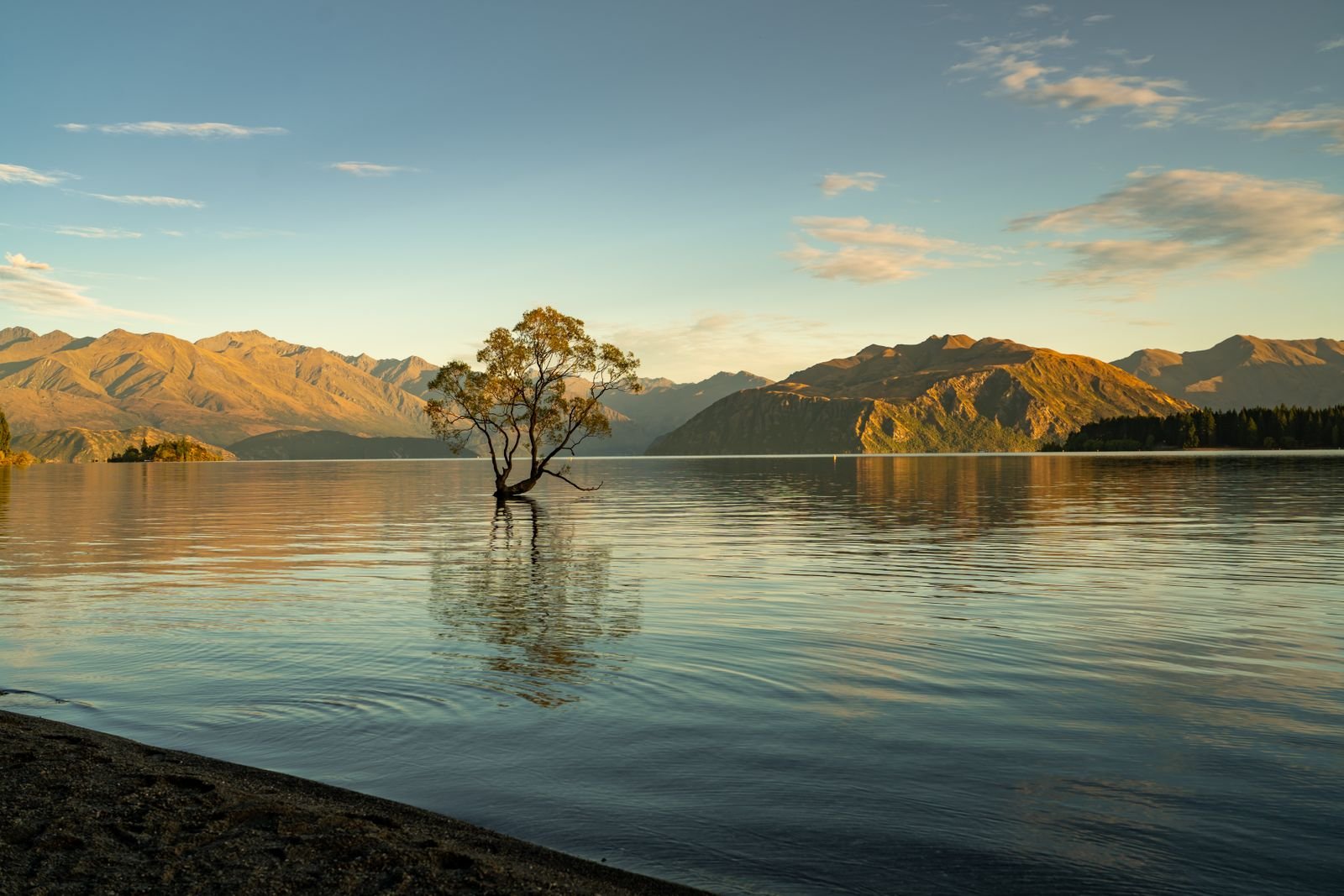
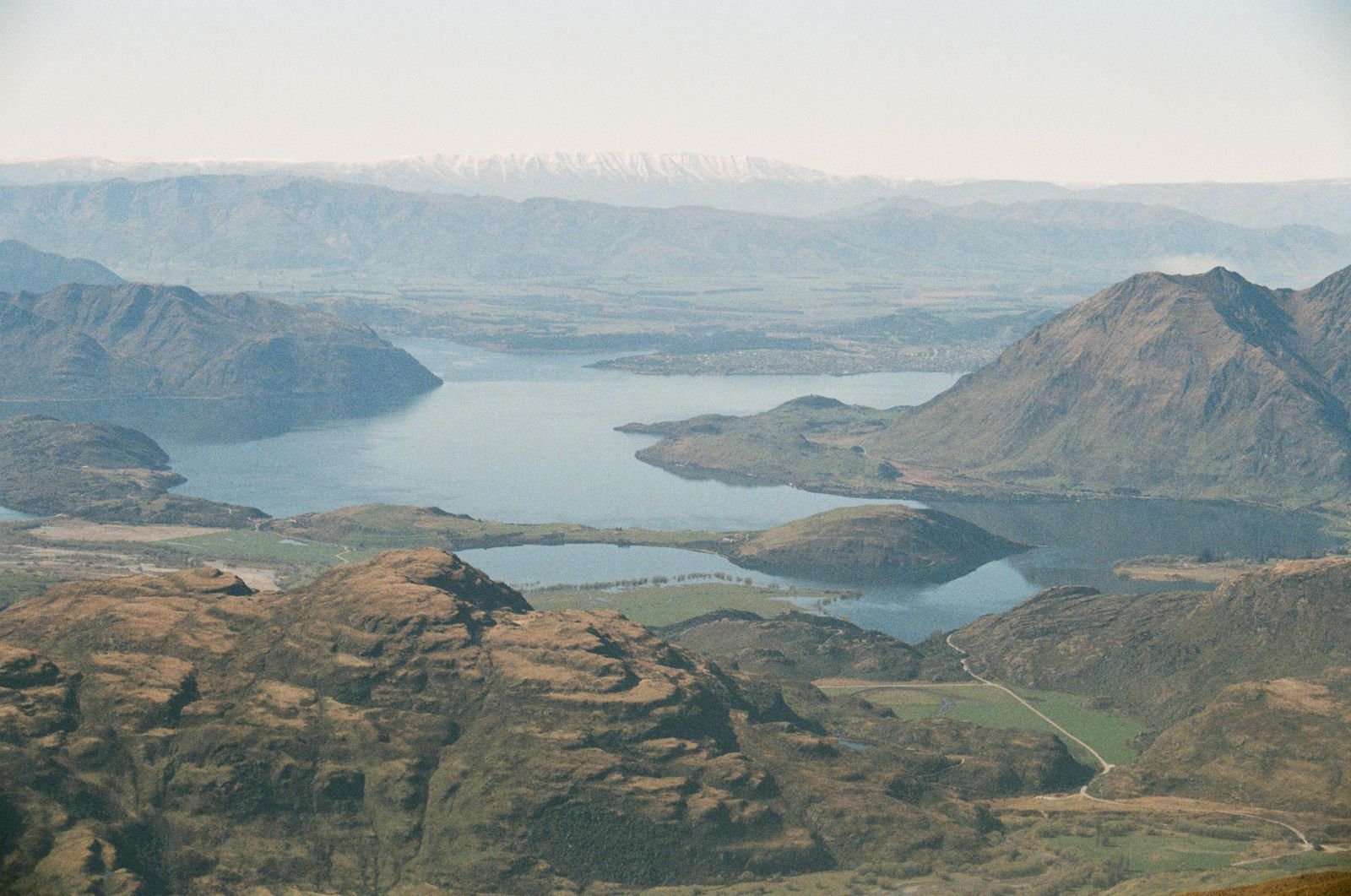
Lake Wanaka is one of the most beautiful lakes in New Zealand — and in a country famous for its lakes, that is a bold claim. Set in the Otago region of the South Island, beneath the snow-capped peaks of the Southern Alps, Lake Wanaka is a vast, clear, glacier-carved lake of 192 square kilometres, with a shoreline of bays, islands, and mountain valleys. The town of Wanaka, on its southern shore, is a relaxed, outdoor-loving place that has become one of New Zealand’s most popular destinations — and yet the lake still feels wild, spacious, and uncrowded.
What makes Lake Wanaka special is the combination of water, mountains, and light. The lake is fed by the Matukituki and Makarora rivers, which flow from the glaciers of Mount Aspiring National Park, and its water is so clear that you can see the bottom in the shallows. The famous Wanaka Tree — a lone willow standing in the lake — has become one of the most photographed trees in the world. And the mountains that ring the lake, from Roy’s Peak to the peaks of the Southern Alps, offer some of the finest hiking in New Zealand. This guide covers everything you need to plan a trip: when to go, the best walks and viewpoints, the activities on the lake, and how to enjoy Wanaka responsibly.
Where Lake Wanaka Is and What Makes It Different
Lake Wanaka lies in the Otago region of New Zealand’s South Island, about an hour’s drive from Queenstown and at the gateway to Mount Aspiring National Park, a UNESCO World Heritage Site. The lake is the fourth-largest in New Zealand, 42 kilometres long and up to 311 metres deep, and it was carved by glaciers during the last Ice Age. The town of Wanaka sits on the southern shore, where the Clutha River — New Zealand’s largest river by volume — flows out of the lake and begins its journey to the sea.
What makes Lake Wanaka different from other New Zealand lakes is its scale and its setting. The lake is surrounded by mountains on three sides, and the views from the shore are extraordinary: the snow-capped peaks of the Southern Alps, the tussock-covered hills of the Central Otago high country, and the deep blue of the lake itself. The lake has several islands, including Mou Waho, which has its own lake on top of it — a lake within an island within a lake — and Stevensons Island, a nature reserve.
The lake is also a place of Maori history. The Maori name for the lake is Oanaka, and the area was an important route and food-gathering place for Maori travelling between the West Coast and the interior. The town of Wanaka was founded in the 19th century as a farming and gold-mining settlement, and it has grown into a thriving outdoor town with a population of about 12,000 people — and a reputation as one of the most liveable places in New Zealand.
The Best Time to Visit Lake Wanaka
The best time to visit Lake Wanaka depends on what you want to do. Summer, from December to February, is the most popular season: the days are long and warm, the lake is at its most inviting for swimming and kayaking, and the hiking trails are in their best condition. The town is busy, the accommodation is expensive, and the popular walks — especially Roy’s Peak — are crowded, but the atmosphere is wonderful and the light is superb.
Autumn, from March to May, is one of the finest times to visit. The crowds thin, the days are still warm, and the poplar trees around the lake turn gold and red, creating some of the most beautiful autumn colours in New Zealand. Winter, from June to August, transforms Wanaka into a ski town: the nearby ski fields of Treble Cone and Cardrona are among the best in New Zealand, and the lake and the mountains are dusted with snow. The town is lively with skiers, and the views of the snow-covered Southern Alps are magnificent.
Spring, from September to November, brings the snowmelt, the wildflowers, and the first warm days of the year. The lake is cold, but the hiking is excellent, and the waterfalls of the Matukituki Valley are in full flow. Whatever the season, Wanaka’s weather can change quickly — the Southern Alps make their own weather, and the wind can pick up on the lake in minutes. Always check the forecast, and be prepared for four seasons in a day.
The Wanaka Tree and the Lakeside
The Wanaka Tree is the most famous tree in New Zealand. A lone crack willow standing in the shallow water at the edge of the lake, just a short walk from the town centre, it has become a symbol of Wanaka and one of the most photographed trees in the world. The tree is best seen at sunrise and sunset, when the light is low and the mountains are reflected in the calm water — and it is at these times that the photographers gather, sometimes in large numbers.
The tree’s fame has brought challenges. The shore around the tree has been damaged by visitors, and the local council has put up fences and signs to protect the roots. Please respect the barriers, do not climb the tree, and do not walk on the roots. The best photographs are taken from the shore, with a wide-angle lens and a tripod, and the best light is at dawn, when the lake is calm and the mountains are lit by the first sun.
The lakeside itself is a wonderful place to spend a day. The Wanaka lakefront has a long, flat path that runs from the town centre along the shore, past the tree and the marina, to the outlet of the Clutha River. The path is perfect for walking, cycling, and running, and there are beaches, picnic areas, and cafes along the way. The water is clean and clear, and in summer it is warm enough for swimming — although it is always refreshing.
The Best Walks and Hikes Around Lake Wanaka
Roy’s Peak is the most famous hike in Wanaka — and one of the most famous in New Zealand. The 16-kilometre return walk climbs 1,200 metres from the lake to the summit of Roy’s Peak (1,578 metres), where the view over Lake Wanaka and the Southern Alps is one of the great panoramas of the country. The track is steep and exposed, and it takes five to six hours return, but the reward is a view that has become iconic. The track is very popular, and the car park at the start fills up early — arrive before 8 am or use the shuttle in summer.
For a shorter and quieter walk, the Isthmus Peak Track climbs to a viewpoint over both Lake Wanaka and Lake Hawea, and the Diamond Lake and Rocky Mountain walk, near the town, offers a beautiful half-day hike through beech forest to a lake and a viewpoint. The Rob Roy Glacier Track, in the Matukituki Valley, is one of the finest day walks in New Zealand: a four-hour return walk through the valley to a swing bridge and a viewpoint over the glacier, with waterfalls and the peaks of the Southern Alps all around.
The lake itself is the start of many longer walks. The Matukituki Valley is the gateway to Mount Aspiring National Park, and the multi-day walks of the park — including the Gillespie Pass Circuit — are among the finest in the country. The Te Araroa Trail, New Zealand’s long-distance trail, passes through Wanaka, and the town is a popular stop for thru-hikers. Whatever your level, there is a walk for you around Lake Wanaka — from a gentle lakeside stroll to a multi-day alpine traverse.
Things to Do on and Around Lake Wanaka
Lake Wanaka is a playground for water lovers. Kayaking, stand-up paddleboarding, and sailing are all popular, and the lake’s clear water and mountain backdrop make for a wonderful day on the water. You can hire kayaks and paddleboards in town, or join a guided tour to Mou Waho Island, where you can walk to the island’s own lake and see the native birds. Jet boating on the Clutha and Matukituki rivers is a thrilling way to see the gorges and the braided rivers, and fishing for brown and rainbow trout is excellent in the lake and the rivers.
On land, Wanaka is one of New Zealand’s great cycling towns. The Lake Wanaka trails include the lakeside path, the mountain bike trails of Sticky Forest, and the long-distance Alps to Ocean Cycle Trail, which starts at Mount Cook and ends at Oamaru, passing through Wanaka on the way. The town is also home to Puzzling World, a fun attraction of mazes and optical illusions, and the National Transport and Toy Museum, which is a delight for families.
In winter, Wanaka is a ski town. Treble Cone, the largest ski area in the South Island, is 30 minutes from town, and Cardrona Alpine Resort, which is family-friendly and has a terrain park, is 35 minutes away. The ski season runs from June to October, and the snow is reliable and the views are superb. In summer, the town’s farmers’ markets, food trucks, and lakeside cafes make Wanaka a wonderful place to relax after a day on the lake or in the mountains.
Mount Aspiring National Park and the Matukituki Valley
Lake Wanaka is the gateway to Mount Aspiring National Park, one of New Zealand’s great wilderness areas and part of the Te Wahipounamu UNESCO World Heritage Site. The park covers 3,555 square kilometres of mountains, glaciers, rivers, and beech forest, and it is home to Mount Aspiring itself — Tititea, the 3,033-metre peak that is the highest mountain in New Zealand outside the Mount Cook region.
The Matukituki Valley, which runs west from Wanaka into the heart of the park, is one of the most beautiful valleys in New Zealand. The road to the valley is unsealed but well maintained, and it leads to the Rob Roy Glacier Track, the Aspiring Hut, and the start of the multi-day walks into the park. The valley is a place of glaciers, waterfalls, and alpine meadows, and the views of Mount Aspiring from the valley are superb.
The park is a place for serious walkers and climbers, but it is also accessible to day visitors. The Rob Roy Glacier Track is a good introduction, and the short walks around the valley are beautiful. If you are planning a multi-day walk, book the huts in advance — they are popular and fill up in summer — and be prepared for the changeable weather of the Southern Alps.
Where to Stay and Eat in Wanaka
Wanaka has a wide range of accommodation, from luxury lodges and hotels to hostels, holiday parks, and lakeside campgrounds. The town centre has the most restaurants and shops, and the lakeside motels and apartments offer the best views. Book well ahead in summer and during the ski season, when the town is at its busiest. For a quieter stay, consider the smaller settlements around the lake, such as Hawea, Glendhu Bay, and the Matukituki Valley.
Eating in Wanaka is a pleasure. The town has a thriving food scene, with cafes, restaurants, and food trucks serving everything from New Zealand lamb and lake trout to wood-fired pizza and craft beer. The farmers’ market, held on Thursday evenings in summer, is a wonderful place to buy local produce, and the Central Otago wineries — famous for their Pinot Noir — are a short drive away. The town’s coffee is excellent, and the lakeside cafes are the perfect place to watch the sun set over the lake.
Wanaka is also a good base for exploring the region. Queenstown is an hour away, the West Coast glaciers are a day trip, and the Central Otago wine region and the historic gold-mining towns of Cromwell and Arrowtown are all within easy reach. But many visitors find that Wanaka itself is enough — the lake, the mountains, and the town are a complete destination.
Practical Tips for Visiting Lake Wanaka
Getting to Wanaka is easy: the town is an hour’s drive from Queenstown Airport, and the drive over the Crown Range — the highest sealed road in New Zealand — is spectacular. Buses run from Queenstown and Christchurch, and the town is on the main route between Queenstown and the West Coast. Once you are in Wanaka, the town is walkable, and the lakeside paths and cycle trails make it easy to get around without a car — although a car is useful for the Matukituki Valley and the ski fields.
Pack for the weather. Wanaka is one of the sunniest places in New Zealand, but the mountain weather can change quickly, and the wind on the lake can be strong. Bring layers, a waterproof jacket, and sun protection — the New Zealand sun is fierce, even on a cloudy day. The lake water is cold, even in summer, so be careful when swimming, and never swim alone.
Respect the lake and the town. Lake Wanaka is a precious natural resource, and the town is a community that is working hard to balance tourism with the environment. Use the public toilets, take your litter home, respect the barriers around the Wanaka Tree, and support local businesses. The lake and the mountains will be here long after you leave — help keep them as beautiful as you found them.
Frequently Asked Questions
What is the Wanaka Tree?
The Wanaka Tree is a lone crack willow that grows in the shallow water of Lake Wanaka, just south of the town centre. It is one of the most photographed trees in the world, and it is best seen at sunrise and sunset.
How long does it take to hike Roy’s Peak?
Roy’s Peak takes five to six hours return, climbing 1,200 metres over 16 kilometres. The track is steep and exposed, and it is very popular — arrive early or use the shuttle in summer.
Is Lake Wanaka good for swimming?
Yes. The lake is clean and clear, and the beaches near the town are good for swimming in summer. The water is cold, even in summer, so be careful and never swim alone.
What is the best time to visit Lake Wanaka?
Summer (December to February) is best for the lake and hiking, autumn (March to May) for the colours and the quiet, and winter (June to August) for skiing at Treble Cone and Cardrona.
Can I visit Lake Wanaka without a car?
Yes. Buses run from Queenstown and Christchurch, and the town is walkable. A car is useful for the Matukituki Valley and the ski fields, but the lakeside paths and cycle trails make it easy to get around the town itself.
Conclusion
Lake Wanaka is a place that captures the best of New Zealand: a vast, clear lake beneath the Southern Alps, a town that is relaxed and welcoming, and a landscape of mountains, rivers, and forests that is among the finest in the world. Whether you hike Roy’s Peak at dawn, paddle to Mou Waho Island, ski at Treble Cone, or simply sit on the shore and watch the light change on the water, Lake Wanaka will give you a journey that stays with you. Go prepared, go respectfully, and take the time to look closely at the lake, the tree, and the mountains — they are the reason Wanaka is loved by so many. For more lake inspiration, read our guides to Lake Bled and Milford Sound, and learn more from Lake Wanaka on Wikipedia.