Lake Titicaca, Peru & Bolivia: Complete Guide to the World’s Highest Navigable Lake
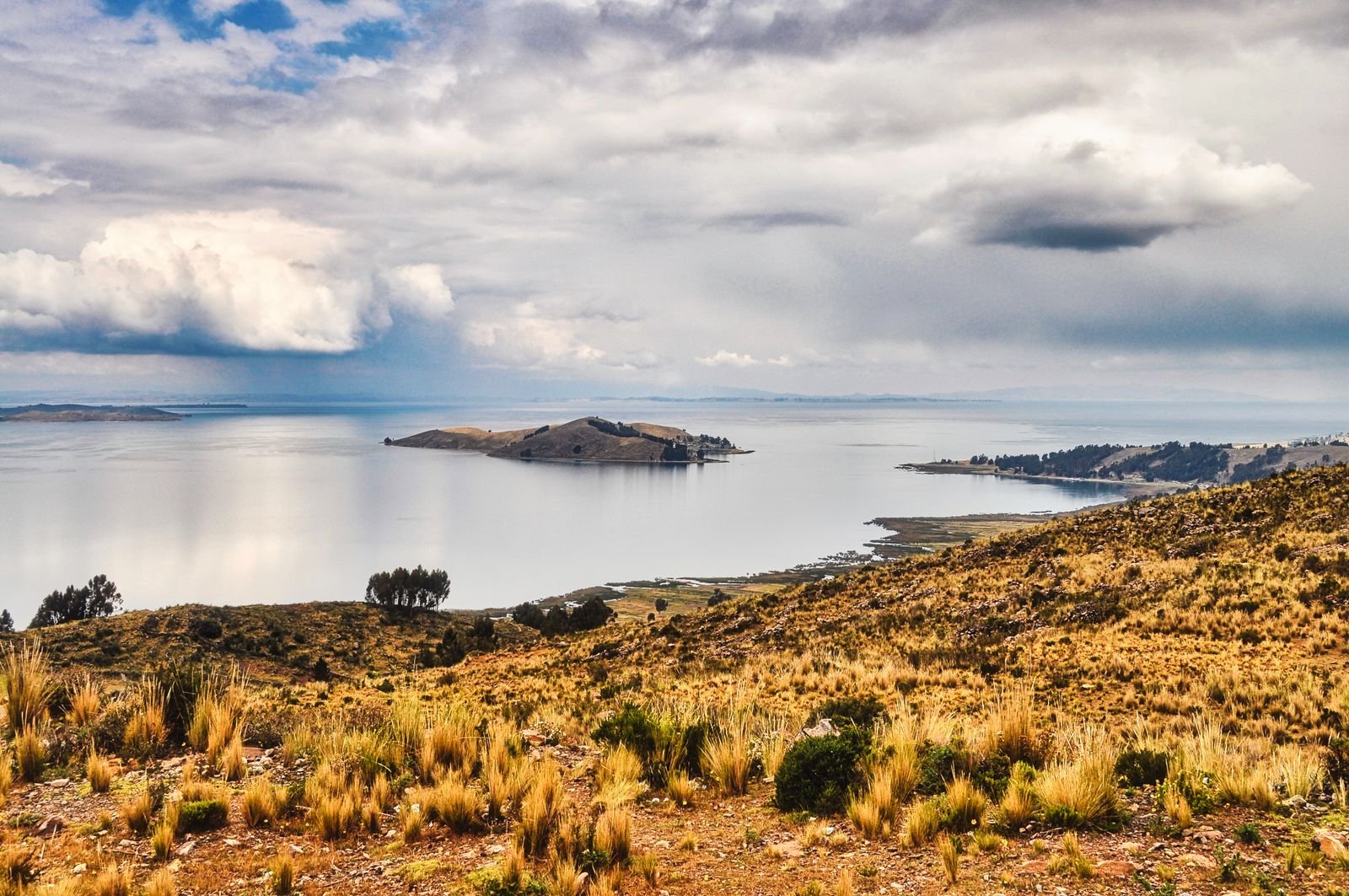
Lake Titicaca is a place that feels like the top of the world. At 3,812 metres above sea level, it is the highest navigable lake on earth, a vast, deep-blue expanse of water in the Andes, shared by Peru and Bolivia. Its surface is so high and so clear that the sky seems closer here, and its shores are dotted with ancient ruins, floating islands made of reeds, and villages where people still live much as their ancestors did.
For travellers, Lake Titicaca is one of the most rewarding places in South America. It is a lake of history and of living culture, where the Inca believed the world was created, where the Uros people build islands from totora reeds, and where the Taquile islanders weave textiles that UNESCO has recognised as a masterpiece of human heritage. It is also a lake of extraordinary natural beauty, with calm water, high-altitude light, and views of the snow-capped Cordillera Real.
This guide covers Lake Titicaca in full, from where to go and when to visit to the best islands, hikes, and practical tips for travelling at high altitude. Whether you are visiting from Puno in Peru or from Copacabana in Bolivia, the lake has a way of slowing you down and making you look at the world a little differently.
Where Is Lake Titicaca and Why Visit?
Lake Titicaca lies on the Altiplano, the high plateau of the Andes, between Peru and Bolivia. It is the largest lake in South America by volume, covering about 8,300 square kilometres, with a maximum depth of 281 metres. The lake is fed by rivers and by rainfall, and its water is cold, clear, and rich in fish, including the Titicaca water frog, one of the largest aquatic frogs in the world.
The lake’s history is as deep as its water. According to Inca legend, the god Viracocha rose from the lake and created the sun, the moon, and the first people, and the lake was a sacred place for the Inca and for the cultures that came before them. The ruins on the Island of the Sun, in the Bolivian part of the lake, are among the most important Inca sites in South America, and they are still a place of pilgrimage for local people.
What makes Lake Titicaca special is the way its natural beauty and its living culture are intertwined. The Uros floating islands, the island of Taquile, and the island of Amantani are not museums, but living communities where people fish, farm, weave, and welcome visitors into their homes. A visit to the lake is a chance to meet these communities, to learn about their way of life, and to see a world that is both ancient and alive.
What Makes Lake Titicaca Special?
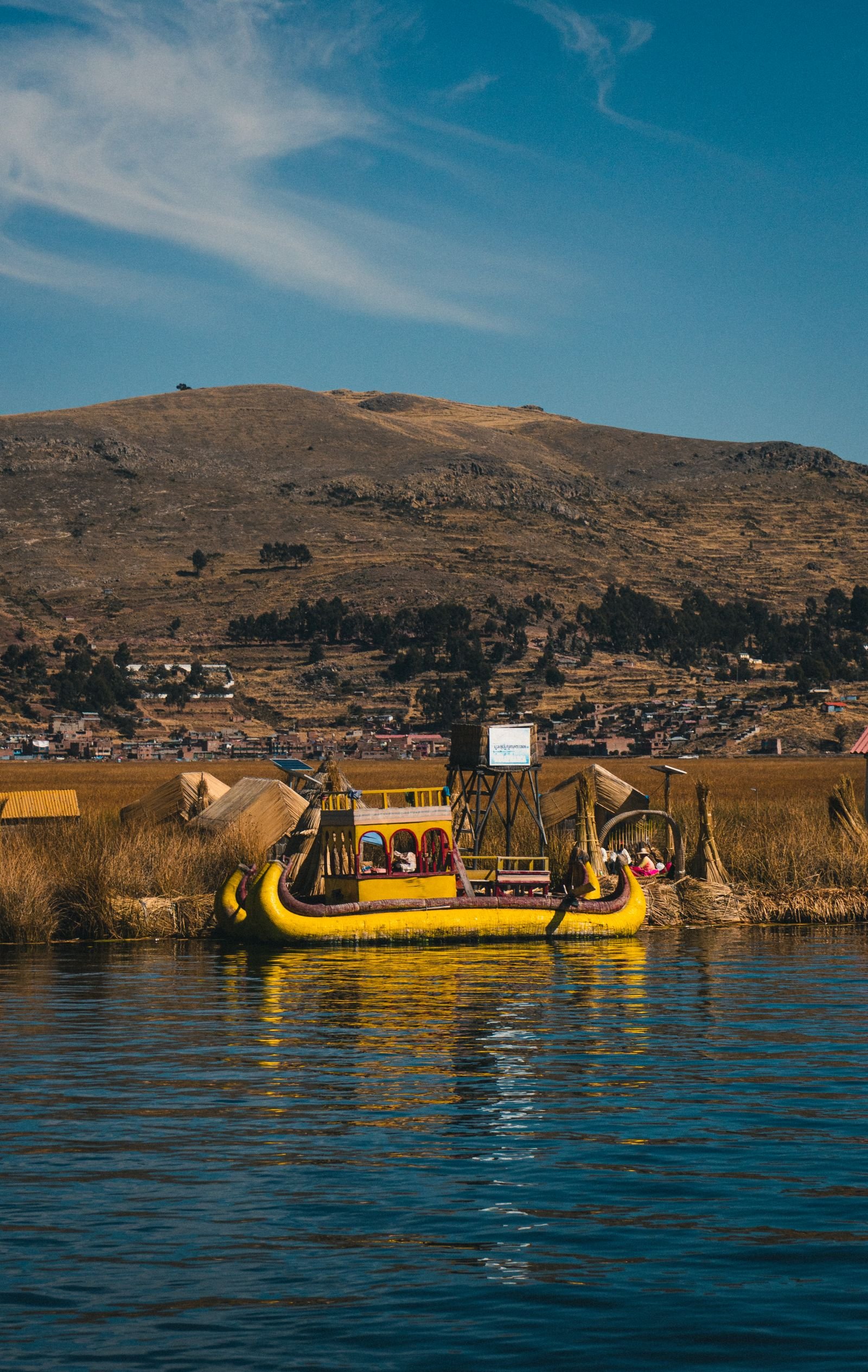
The Uros floating islands are the lake’s most famous sight. The Uros people build their islands from totora reeds, which grow in the shallow water around the lake, and they use the reeds for their houses, their boats, and their food. A visit to the islands is a chance to see how the Uros live, to ride in a reed boat, and to learn about a way of life that has survived for centuries.
Taquile Island is another highlight. The island is known for its textiles, which are woven by hand and which tell stories about the islanders’ lives, their beliefs, and their history. The island’s men knit, the women weave, and the textiles are so important that UNESCO has recognised them as a Masterpiece of the Oral and Intangible Heritage of Humanity. A walk around Taquile, with its terraced fields and its views of the lake, is one of the most peaceful experiences in the Andes.
Then there is the Island of the Sun, in Bolivia, where the Inca believed the sun was born. The island has Inca ruins, including the Temple of the Sun and the Inca steps, and it has hiking trails that cross the island from north to south, with views of the lake and of the Cordillera Real. A visit to the Island of the Sun is a journey into the heart of Inca history, and it is one of the most rewarding days on the lake.
Best Things to Do on Lake Titicaca
Start in Puno, the main town on the Peruvian side, where you can take a boat to the Uros floating islands and to Taquile Island. The Uros islands are a short boat ride from Puno, and a visit there is a good introduction to the lake. Taquile is a longer boat ride, and a day trip there includes a walk around the island, a lunch with a local family, and a chance to buy textiles directly from the weavers.
For a deeper experience, spend a night on Amantani Island, where you can stay with a local family, hike to the island’s two peaks, Pachatata and Pachamama, and watch the sunset over the lake. The homestay is a highlight for many visitors, as it is a chance to share a meal, to learn about island life, and to see the stars from one of the clearest skies in the world.
On the Bolivian side, visit Copacabana, a small town on the shore of the lake, and take a boat to the Island of the Sun, where you can hike the island’s trails, visit the Inca ruins, and spend a night in a small guesthouse. The town of Copacabana is also a good base for exploring the lake, with its basilica, its markets, and its views of the water.
Best Time to Visit Lake Titicaca
The best time to visit Lake Titicaca is during the dry season, from May to October, when the skies are clear, the days are sunny, and the nights are cold. June, July, and August are the busiest months, with the best weather and the most festivals, including the Feast of St John on 24 June, when the lake is celebrated with music and dancing. The dry season is also the best time for hiking and for boat trips, as the lake is calm and the views are clear.
The wet season, from November to April, brings rain and cloud, but it also brings green landscapes and fewer visitors. The lake is at its highest in the wet season, and the islands are at their greenest. Whichever season you choose, remember that the lake is at high altitude, so the sun is strong during the day and the temperature drops sharply at night. Pack layers, a warm jacket, and sun protection, and drink plenty of water to help with the altitude.
How to Get to Lake Titicaca and Get Around
Most visitors reach Lake Titicaca from Puno in Peru or from Copacabana in Bolivia. Puno is the main town on the Peruvian side, with a railway station, a bus terminal, and an airport in nearby Juliaca, about an hour away. From Puno, boats run to the Uros floating islands, Taquile Island, and Amantani Island, and tours can be booked through hotels and agencies in the town.
Copacabana is the main town on the Bolivian side, with buses from La Paz and from Puno, and boats to the Island of the Sun and the Island of the Moon. The border between Peru and Bolivia is at Kasani, and the crossing is straightforward, with buses running between Puno and Copacabana. Once on the lake, the best way to get around is by boat, and most visitors join a tour or hire a private boat through their hotel.
Where to Stay on Lake Titicaca
Puno is the best base on the Peruvian side, with a wide range of hotels, from budget hostels to comfortable hotels with lake views. Copacabana is the best base on the Bolivian side, with hotels and guesthouses in the town and on the Island of the Sun. For a deeper experience, stay with a local family on Amantani Island or on Taquile Island, where the homestays offer a bed, a meal, and a chance to meet island families.
Book ahead in the dry season, especially in June, July, and August, as the best hotels and homestays fill up quickly. Wherever you stay, ask for a room with a view of the lake, as the sunrise and sunset over the water are among the most beautiful in the Andes. Many hotels in Puno and Copacabana can arrange boat trips and homestays, so ask at reception when you arrive.
Wildlife and Nature on Lake Titicaca
Lake Titicaca is home to a unique range of wildlife, adapted to high altitude and to cold, clear water. The lake has more than 20 species of fish, including the Titicaca orestias, and it is home to the Titicaca water frog, which can grow to more than 20 centimetres long and which is found only in the lake. The frog is endangered, and conservation efforts are underway to protect it.
The lake’s shores and islands are also home to birds, including the Andean flamingo, the Chilean flamingo, the Puna ibis, and the Andean gull. The totora reed beds around the lake are a haven for birds, and they are also the source of the reeds that the Uros use to build their islands. The lake’s high-altitude light and its clear water make it one of the most beautiful lakes in the world, and its wildlife is a reminder of how special high-altitude ecosystems are.
Practical Tips for Visiting Lake Titicaca
Altitude is the main challenge on Lake Titicaca. The lake is at 3,812 metres, and many visitors feel the effects, with headaches, shortness of breath, and tiredness in the first day or two. Take it easy on arrival, drink plenty of water, avoid alcohol, and eat light meals. Coca tea, which is widely available in Peru and Bolivia, is a traditional remedy for altitude sickness, and it is worth trying.
Respect the island communities you visit. The Uros, Taquile, and Amantani islands are home to people, not just tourist attractions, so ask before photographing people, buy textiles and crafts directly from the makers, and tip your guide and your host family. Dress warmly, as the temperature drops sharply at night, and bring sun protection, as the sun at high altitude is strong even on cloudy days.
Finally, bring cash, as ATMs are limited on the islands and in Copacabana, and cards are rarely accepted. The Peruvian sol and the Bolivian boliviano are the local currencies, and US dollars are accepted in some places, although the exchange rate is better in Puno and in La Paz. A small amount of cash for boat trips, homestays, and textiles will make your visit much smoother.
More Lakes and Waterfalls
If Lake Titicaca has given you a taste for great lakes, there are many more to explore. Lake Baikal in Siberia is the deepest lake in the world, with clear water and a rich wildlife, while Lake Tahoe in California and Nevada is a clear, blue lake in the Sierra Nevada, with beaches, hiking, and skiing. Both are very different from Titicaca, and both show how varied the world’s great lakes can be.
Frequently Asked Questions About Lake Titicaca
Is Lake Titicaca safe for tourists? Yes, Lake Titicaca is generally safe for visitors, with low levels of violent crime. Take the usual precautions with valuables, be careful on boats, as the water is cold and deep, and follow your guide’s advice on the islands.
Do I need a visa to visit Peru or Bolivia? Most visitors do not need a visa for Peru for short stays, while Bolivia’s visa rules depend on your nationality. Check the current rules for your nationality before you travel, and make sure your passport is valid for at least six months.
What is the best island to visit on Lake Titicaca? The Uros floating islands are the most famous, Taquile Island is the best for textiles and for walking, and Amantani Island is the best for a homestay. The Island of the Sun, in Bolivia, is the best for Inca ruins and for hiking.
How many days do I need on Lake Titicaca? Two to three days is ideal, with one day for the Uros islands and Taquile, and one day for Amantani or for the Island of the Sun. Four days allows a slower pace and a night in a homestay.
Can I visit Lake Titicaca from Cusco? Yes, and it is a popular combination. The bus from Cusco to Puno takes about six hours, with stops at Inca ruins and at the high pass of La Raya, and the train, the Andean Explorer, is a scenic and comfortable way to travel between the two.
Conclusion
Lake Titicaca is a lake like no other. Its high-altitude beauty, its ancient history, and its living culture make it one of the most rewarding places in South America, and a visit there is a chance to see a world that is both old and alive. Whether you come for the floating islands, the textiles of Taquile, the ruins of the Island of the Sun, or simply to watch the sun set over the water, Lake Titicaca has a way of staying with you. Plan well, take your time with the altitude, and leave room for the unexpected, because on Lake Titicaca, the best moments are often the ones you did not plan.