Badlands National Park, South Dakota: Complete Guide to Eroded Buttes, Fossils and the Best Trails
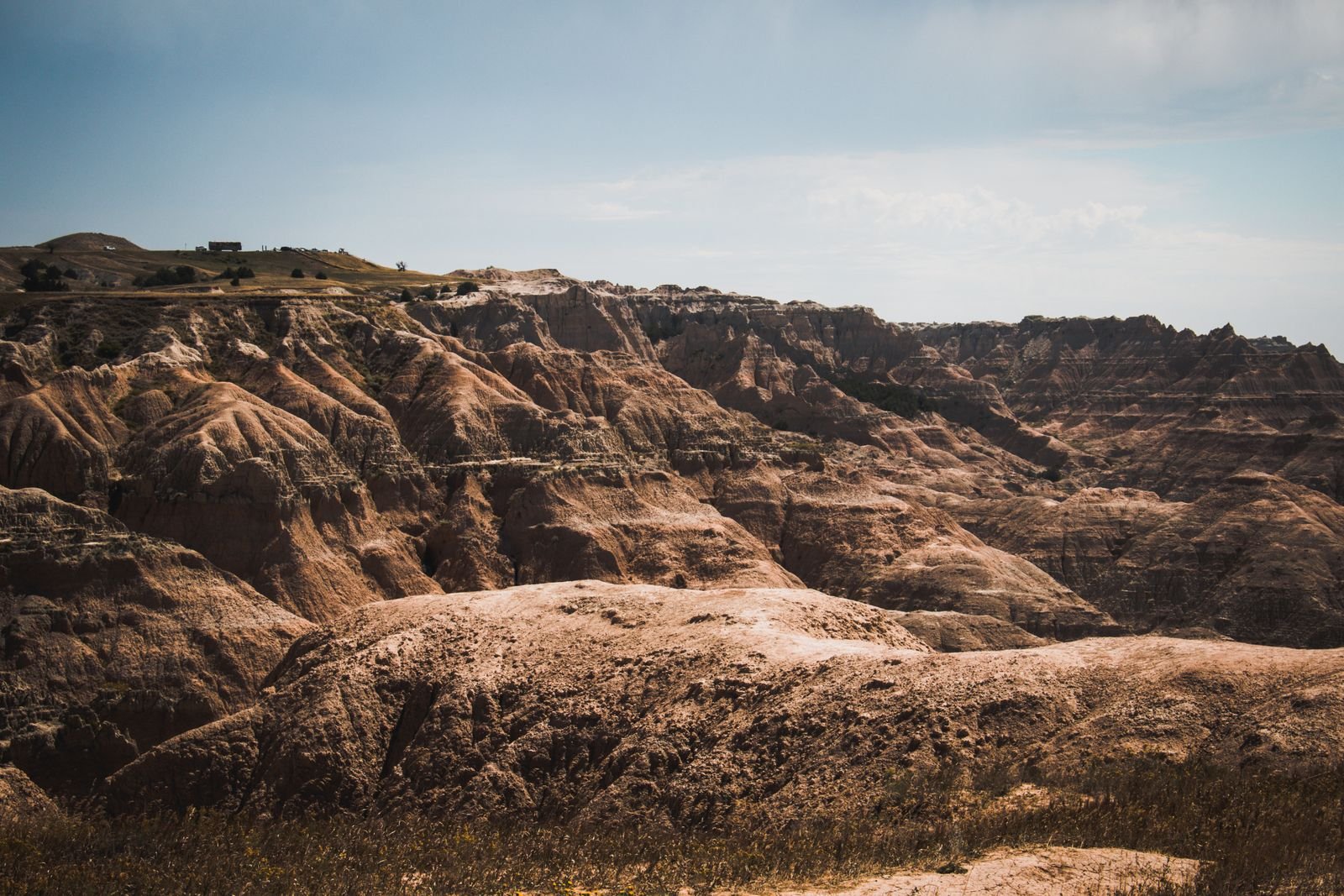
Badlands National Park, South Dakota, is a landscape of eroded buttes, pinnacles, and spires, and it is one of the most dramatic places in the American West. This complete guide to Badlands National Park explains how to explore the eroded buttes, see fossils, hike the best trails, and plan a trip to South Dakota’s most otherworldly national park.
The Badlands cover 244,000 acres in southwestern South Dakota, and they are a place where the earth has been sculpted by wind and water into a maze of canyons, gullies, and buttes. The name Badlands comes from the Lakota people, who called the area mako sica, or land bad, because it was difficult to travel through, and from French fur traders, who called it les mauvaises terres, or bad lands. Today, the Badlands are a national park, and they are one of the most popular places in South Dakota.
Why Badlands National Park Is So Special
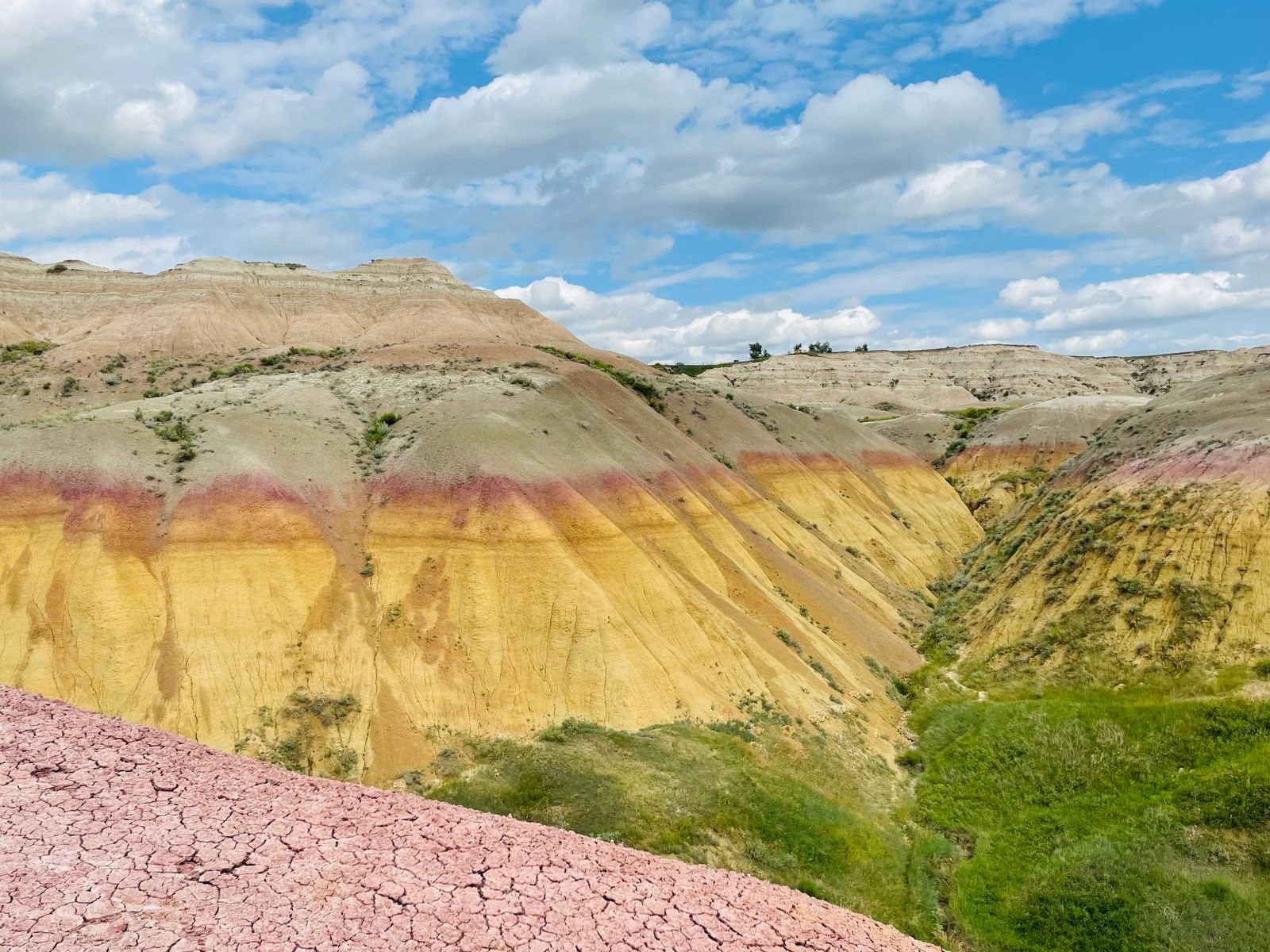
Badlands National Park is special because of its geology. The buttes and pinnacles are made of soft sedimentary rock, including sandstone, siltstone, and clay, which has been eroded by wind and water over millions of years. The rock is layered in different colours, including red, orange, yellow, and white, and the colours change through the day, from pale pink in the morning to deep orange at sunset.
The Badlands are also special because of their fossils. The park is one of the richest fossil sites in the world, with fossils of ancient mammals, including rhinos, horses, and saber-toothed cats, that lived here 30 to 40 million years ago, when the Badlands were a subtropical forest. The park’s paleontologists are still discovering fossils today, and visitors can see fossils in the park’s museum and on guided walks.
Wildlife is another reason to come to the Badlands. The park is home to bison, bighorn sheep, pronghorn, prairie dogs, and many species of birds, including the burrowing owl, which lives in prairie dog burrows. The park’s grasslands are also important, with mixed-grass prairie that is home to many species of plants and animals, and with a feeling of vast, open space.
The Badlands Wall and the Scenic Loop Road
The Badlands Wall is a long ridge of eroded buttes that runs through the park, and it is the most dramatic feature in the Badlands. The wall is best seen from the Badlands Loop Road, a 39-mile scenic drive that passes through the park, with viewpoints, trails, and overlooks along the way. The loop road is the best way to see the Badlands in a day, with stops at the Big Badlands Overlook, the Yellow Mounds Overlook, and the Pinnacles Overlook.
The Big Badlands Overlook is the first viewpoint on the loop road, with a view over the Badlands Wall and the White River Valley. The Yellow Mounds Overlook is a viewpoint with yellow-coloured buttes, and it is one of the most photographed places in the park. The Pinnacles Overlook is a viewpoint with spires and pinnacles, and it is a good place to see the Badlands at sunset.
The loop road can be busy in summer, so arrive early in the morning or late in the afternoon, when the light is soft and the crowds are fewer. Drive slowly, pull over at the viewpoints, and take time to walk the short trails at the overlooks, because the Badlands are best experienced on foot, with the rock formations close up.
The Best Trails in Badlands National Park
Badlands National Park has several excellent trails, from short boardwalks to longer hikes through the buttes. The Door Trail is a short boardwalk trail that leads through a break in the Badlands Wall, with views of the canyons and buttes. The Window Trail is a short trail that leads to a natural window in the rock, with a view over the Badlands. The Notch Trail is a moderate hike that leads to a viewpoint over the White River Valley, with a ladder and a ledge along the way.
Other excellent trails include the Castle Trail, the longest trail in the park, at 10 miles, which follows the Badlands Wall and passes through canyons and grasslands, and the Saddle Pass Trail, a short but steep trail that climbs to the top of the Badlands Wall, with views over the park. The Medicine Root Loop is a moderate trail that passes through grasslands and buttes, with wildflowers in spring and summer.
Hiking in the Badlands can be hot and exposed, with little shade and water, so bring plenty of water, wear a hat and sunscreen, and hike early in the morning or late in the afternoon. The trails can be slippery after rain, and the rock is fragile, so stay on the trails, never climb on the buttes, and take all your rubbish with you.
Fossils: A Window into Ancient Life
Badlands National Park is one of the richest fossil sites in the world, with fossils of ancient mammals that lived here 30 to 40 million years ago, when the Badlands were a subtropical forest with rivers, swamps, and trees. The fossils include rhinos, horses, saber-toothed cats, and many other animals, and they tell the story of how life changed as the climate cooled and the forest became grassland.
Visitors can learn about fossils at the Ben Reifel Visitor Center, which has exhibits, fossils, and a working paleontology lab, where visitors can watch paleontologists preparing fossils. The park also offers guided fossil walks, with rangers who explain the fossils and the geology, and who show visitors where fossils have been found. Never collect fossils in the park, because it is illegal, and because fossils are important for science.
The Badlands’ fossils are a reminder of how much the Earth has changed, and of how important it is to protect places like the Badlands, where the evidence of ancient life is still visible in the rock. The park’s paleontologists are still discovering fossils today, and the Badlands are one of the most important places in the world for understanding the history of life on Earth.
Wildlife: Bison, Bighorn Sheep and Prairie Dogs
Badlands National Park is home to bison, which were reintroduced to the park in the 1960s, and which can often be seen grazing in the grasslands, especially in the Sage Creek Rim Road area. Bison are large and powerful animals, and visitors should keep a safe distance, never approach a bison, and never feed wildlife.
Bighorn sheep were also reintroduced to the park, and they can often be seen on the cliffs and buttes, especially in the Pinnacles area. Pronghorn, the fastest land animal in North America, can be seen in the grasslands, and prairie dogs live in towns, or colonies, in the park, with burrows, mounds, and a complex social system. The park is also home to many species of birds, including the burrowing owl, which lives in prairie dog burrows.
Sage Creek Rim Road and the Stronghold Unit
The Sage Creek Rim Road is a gravel road that leads to the western part of the park, with views of the Badlands Wall and the grasslands, and with the best chances of seeing bison, prairie dogs, and pronghorn. The road is rough in places, so drive slowly, and check the conditions at the visitor center before you go, because the road can be closed after rain.
The Stronghold Unit is the southern part of the park, with rugged buttes, canyons, and grasslands, and with a history that is important to the Lakota people, who have lived in this area for centuries. The Stronghold Unit is less visited than the North Unit, and it is a good place to experience the Badlands without crowds, with hiking, wildlife, and a sense of solitude.
How the Badlands Were Formed
The Badlands were formed by deposition and erosion. About 75 million years ago, a shallow sea covered this area, and sediments were deposited on the sea floor. About 30 to 40 million years ago, the sea had gone, and rivers deposited sediments, including sand, silt, and clay, which became the rock layers of the Badlands. Then, about 500,000 years ago, the White River began to erode the rock, carving canyons, buttes, and pinnacles, and the Badlands were formed.
The Badlands are still changing today, with erosion continuing at a rate of about one inch per year, which is very fast for a landscape. In about 500,000 years, the Badlands will be completely eroded away, so the park is a landscape that is here for a short time, in geological terms, and that is part of what makes it so special. The colours of the rock come from different minerals, with red from iron oxide, yellow from limonite, and white from volcanic ash.
Best Times to Visit Badlands National Park
The best times to visit Badlands National Park are spring and autumn, when the weather is mild, the wildflowers are blooming in spring, and the crowds are fewer. Summer is the busiest season, with hot weather, thunderstorms, and crowds, so arrive early in the morning or late in the afternoon, and bring plenty of water. Winter is quiet and beautiful, with snow on the buttes, but the weather can be cold and windy, and the roads can be closed after snow.
Sunrise and sunset are the best times to see the Badlands, with soft light, long shadows, and colours that change through the day. The park is also a good place for stargazing, with dark skies, little light pollution, and a feeling of vast, open space. The park offers ranger programmes, including guided walks, talks, and evening programmes, which are a good way to learn about the park’s geology, fossils, and wildlife.
Planning Your Trip: Getting There, Where to Stay and What to Bring
Badlands National Park is in southwestern South Dakota, about 75 miles east of Rapid City, and about 60 miles west of the town of Wall, South Dakota. The nearest airport is Rapid City Regional Airport, with flights from Denver, Minneapolis, and other cities, and with car rental. The park is best visited by car, with the Badlands Loop Road, the Sage Creek Rim Road, and the roads to the visitor centers.
Where to stay in the Badlands depends on your budget and your plans. The Cedar Pass Lodge is inside the park, with cabins, a restaurant, and a gift shop, and it is a good base for exploring the park. The town of Wall, South Dakota, has hotels, motels, and restaurants, and it is a good base for visiting the park and the nearby town of Wall Drug. Rapid City has many hotels, restaurants, and shops, and it is a good base for visiting the Badlands, Mount Rushmore, and the Black Hills.
What to bring to the Badlands includes water, a hat, sunscreen, and sturdy shoes, because the trails can be hot, exposed, and slippery. Bring a camera, binoculars for wildlife, and a jacket, because the weather can change quickly, with wind, rain, and thunderstorms. Bring a map, because the park is large, and the cell phone signal is limited in places. The park has two visitor centers, the Ben Reifel Visitor Center and the White River Visitor Center, with exhibits, maps, and information.
For more inspiration on dramatic desert landscapes, see our guides to Antelope Canyon and Zhangye Danxia, both of which feature colourful rock formations shaped by wind and water, just like the Badlands.
Conclusion
Badlands National Park, South Dakota, is a landscape of eroded buttes, pinnacles, and spires, and it is one of the most dramatic places in the American West. Whether you drive the Badlands Loop Road, hike the Notch Trail, see fossils at the Ben Reifel Visitor Center, or watch bison in the grasslands, the Badlands offer a sense of wonder, a connection to the Earth’s history, and a reminder of how much the planet has changed. Plan your trip to Badlands National Park, bring water and a hat, arrive early or late for the best light, and take time to explore this otherworldly landscape on foot.
Frequently Asked Questions About Badlands National Park
How much time do I need in Badlands National Park? One day is enough to drive the Badlands Loop Road, stop at the viewpoints, and hike one or two short trails. Two days is better, with time to hike the longer trails, visit the Sage Creek Rim Road, and watch the sunset and sunrise.
Can I collect fossils in Badlands National Park? No, it is illegal to collect fossils in the park, and fossils are important for science. If you find a fossil, leave it where it is, take a photo, and report it to a ranger.
Is Badlands National Park good for families? Yes, the park is good for families, with short trails, boardwalks, viewpoints, and ranger programmes, and with the Ben Reifel Visitor Center, which has exhibits and fossils for children. The park is also a good place for stargazing, with dark skies and little light pollution.
What is the best time of year to visit Badlands National Park? Spring and autumn are the best times, with mild weather, wildflowers in spring, and fewer crowds. Summer is hot and busy, and winter is quiet and beautiful, with snow on the buttes.
Can I see bison in Badlands National Park? Yes, bison can often be seen in the park, especially in the Sage Creek Rim Road area, and in the grasslands. Keep a safe distance, never approach a bison, and never feed wildlife.