Lake Tekapo, New Zealand: Complete Guide to the Turquoise Lake, Lupins and Dark Skies
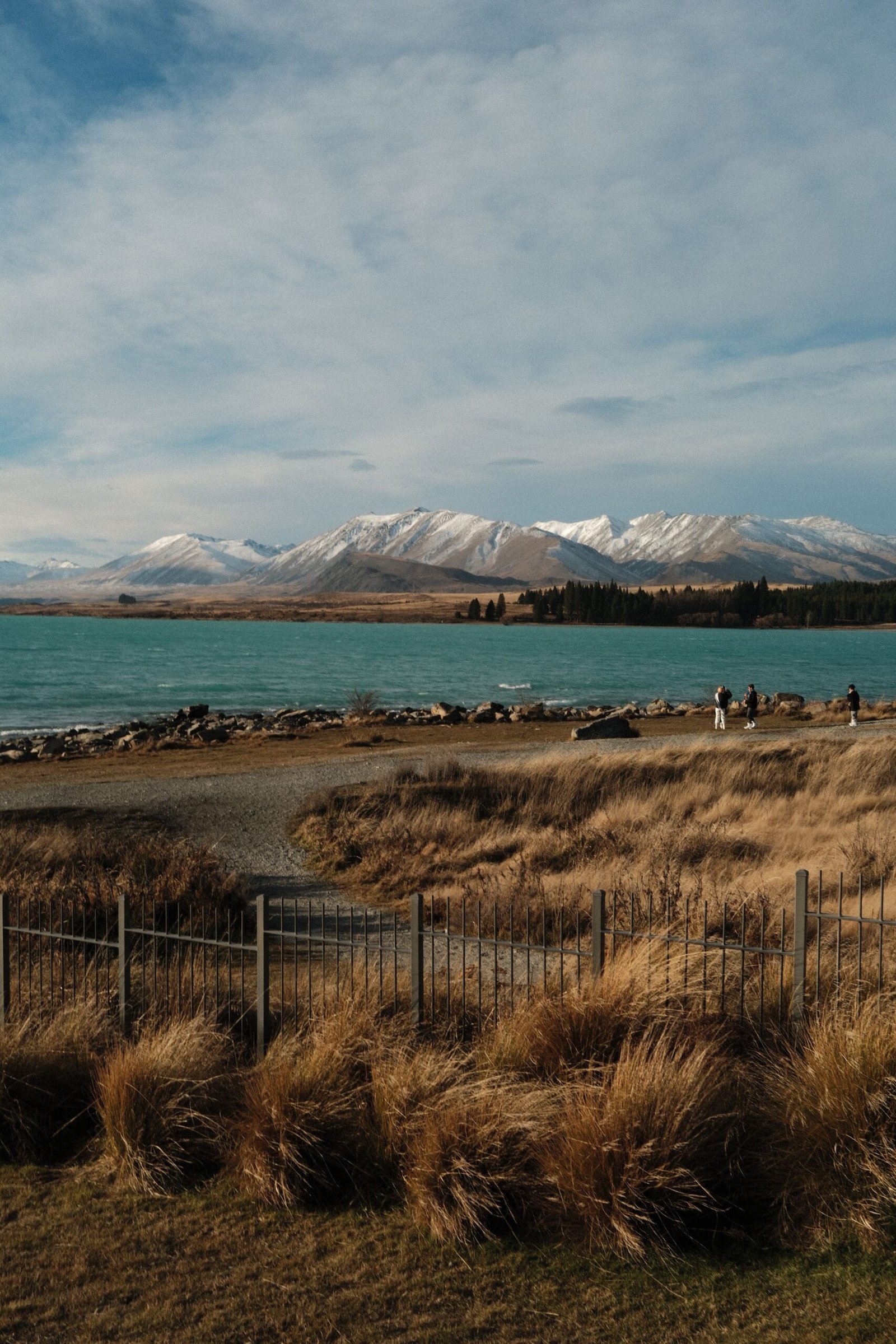
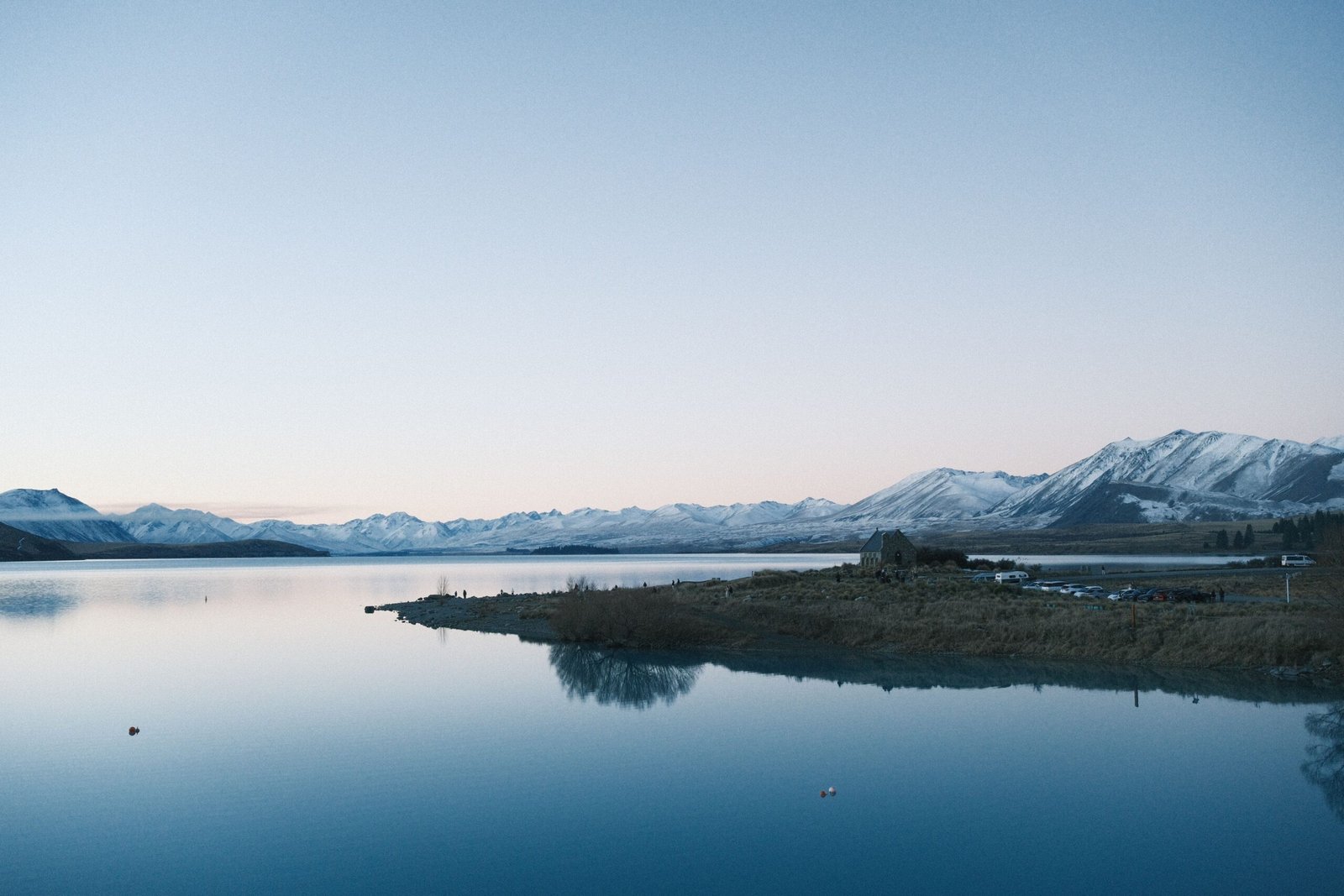
Lake Tekapo is the most beautiful lake in New Zealand, and that is a bold claim in a country famous for its lakes. The water is an extraordinary turquoise, coloured by the fine glacial flour carried down from the Southern Alps, and on a clear day the lake stretches to the foot of Aoraki Mount Cook, the highest peak in New Zealand. On its shore stands a tiny stone church, the Church of the Good Shepherd, one of the most photographed buildings in the country, and in summer the shoreline is lined with wild lupins in shades of pink, purple and blue. At night, the sky above Lake Tekapo is among the darkest and clearest in the world, and the Milky Way arcs over the lake in a display that has made the region a world-famous dark sky reserve.
What makes Lake Tekapo so special is that it combines so many of the best things about New Zealand in one small place. It is a lake of impossible colour, a mountain landscape, a dark sky reserve, a hot pools destination and a walking base, all within a few kilometres of a small village. It sits on the classic South Island touring route between Christchurch and Queenstown, so it is easy to reach, yet it feels remote and peaceful, especially outside the middle of the day. Whether you come for the lupins, the stars, the walks or simply to sit on the shore and watch the light change on the water, Lake Tekapo is a place that rewards a slow visit.
Where Is Lake Tekapo?
Lake Tekapo lies in the Mackenzie Country of Canterbury, in the centre of the South Island of New Zealand, about three hours by road south-west of Christchurch and three hours north of Queenstown. The lake is fed by the Godley River and other rivers that flow from the Southern Alps, and it drains south through the Tekapo River into Lake Pukaki and the Waitaki River system. The small village of Lake Tekapo sits at the southern end of the lake, at an altitude of about 710 metres, and it is the main base for visitors, with hotels, motels, cafes and tour operators.
The lake is surrounded by the high country of the Mackenzie Basin, a wide, open landscape of tussock grassland, braided rivers and mountains that feels like the roof of New Zealand. To the north-west, the Southern Alps rise in a wall of snow and rock, with Aoraki Mount Cook visible on a clear day. To the south, the land opens out towards the Canterbury Plains. The region is sparsely populated, the air is clean and dry, and the light is famously clear, which is one of the reasons the stars here are so bright. Lake Tekapo is the first of the three great Mackenzie lakes, followed by Lake Pukaki and Lake Ohau, and together they form one of the most scenic drives in New Zealand.
Why Visit Lake Tekapo?
People come to Lake Tekapo for the colour of the water, and it is worth the journey for that alone. The turquoise is caused by rock flour, the fine particles of rock ground by the glaciers and suspended in the water, which scatter the sunlight and give the lake its milky blue-green hue. The colour changes with the light and the weather, from pale aqua on a cloudy day to a deep, luminous turquoise in full sun, and it is most vivid in summer, when the glacial melt is at its highest. The lake is beautiful in every season, though, and in winter the snow on the surrounding hills and the frost on the shore give it a completely different character.
But Lake Tekapo is more than a pretty lake. It is one of the best places in the world to see the night sky, and it is the heart of the Aoraki Mackenzie International Dark Sky Reserve, one of the largest dark sky reserves on earth. It has the Church of the Good Shepherd, the lupins, the hot pools, the observatory on Mount John and a network of walking trails that climb to panoramic viewpoints. It is a destination that works in a day, but it deserves two or three, so that you can see the lake in different lights, walk the trails, soak in the hot pools and stay up late for the stars.
The Church of the Good Shepherd
The Church of the Good Shepherd is the most famous building at Lake Tekapo, and it is also one of the most photographed churches in the world. The small stone church was built in 1935 as a memorial to the pioneers of the Mackenzie Country, and it sits on the shore of the lake, with a window above the altar that frames a view of the lake and the mountains. The church is still used for services and weddings, and it is open to visitors during the day, though it can be crowded, especially at sunset, when photographers gather on the shore.
The church is at its best in the early morning or the late evening, when the light is soft and the crowds are thinner. The stone of the church, the dark water of the lake and the snow of the mountains make a composition that is almost too perfect, and it is easy to see why the church has become an icon of New Zealand. Please be respectful when you visit: the church is a place of worship, and the grounds around it are a memorial. The nearby statue of the sheepdog, which honours the working dogs of the Mackenzie Country, is another reminder that this is a place with a real farming history, not just a postcard.
Lupins and the Shores of Lake Tekapo
The lupins of Lake Tekapo are one of the great flower displays of New Zealand. The wild Russell lupins, which were introduced to the region long ago, now grow in great drifts along the shore of the lake and the banks of the rivers, and they flower from late November to January, in shades of pink, purple, blue, yellow and white. The best displays are along the road to the Church of the Good Shepherd and on the shores near the village, and the combination of the flowers, the turquoise water and the mountains is one of the most photographed sights in the country.
The lupins are at their best in the morning and the late afternoon, when the light is low and the colours are rich, and they are a favourite subject for photographers. It is important to enjoy them responsibly: do not pick them, do not trample them, and do not walk through the drifts to get a photograph, as the plants are fragile and the land is often private. The lupin season is also the busiest time at Lake Tekapo, so book accommodation well in advance if you are visiting in December or January, and be prepared for crowds at the most popular viewpoints.
Stargazing in the Dark Sky Reserve
Lake Tekapo is one of the best places in the world to see the stars. The village lies within the Aoraki Mackenzie International Dark Sky Reserve, a vast area of the South Island where the night sky is protected from light pollution, and on a clear, moonless night the Milky Way is so bright that it casts a shadow. The Southern Cross, the Magellanic Clouds and the constellations of the southern hemisphere are all visible, and the sky is a reminder of how the night used to look before electric light. The reserve is one of the largest in the world, and it is a place of real darkness, where the stars are the main event.
The best way to experience the night sky is to join a stargazing tour, which takes you to a dark site away from the village lights, with telescopes and a guide who can point out the constellations and the planets. The tours run in all seasons, though winter offers the longest nights and the clearest skies, and the summer offers the Milky Way at its brightest. If you go on your own, drive a short distance out of the village, turn off your lights, and let your eyes adjust for twenty minutes. The Mount John Observatory, above the lake, also offers tours and has a cafe with panoramic views, and it is a wonderful place to watch the sunset before the stars come out.
Walking and Hot Pools Around Lake Tekapo
Lake Tekapo has a network of walking trails that suit every level of fitness. The easiest is the lakeside walk from the village to the Church of the Good Shepherd, a flat, pleasant stroll along the shore that takes about half an hour. The Mount John walk climbs from the lakeside to the observatory, with panoramic views over the lake and the Mackenzie Basin, and it can be done as a return walk or as a one-way walk with a shuttle back. The Cowans Hill walk, above the village, is a short, steep climb to a viewpoint over the lake and the town, and it is a good walk for sunset.
After a walk, the hot pools at Tekapo Springs are the perfect place to relax. The pools are fed by natural hot water and are set above the lake, with views across the water to the mountains, and there are also a day spa and a skating rink in winter. The pools are open year-round, and they are at their best at sunset, when the light fades over the lake and the stars begin to appear. The hot pools are a popular place, so book in advance in the busy season, and allow at least an hour to soak and unwind.
Best Time to Visit Lake Tekapo
The best time to visit Lake Tekapo depends on what you want to see. For lupins, visit from late November to January, when the flowers are at their peak and the days are long and warm. For stargazing, winter, from June to August, offers the longest, darkest nights and the clearest skies, and the snow on the mountains adds to the beauty of the lake. For walking and general sightseeing, the shoulder seasons of spring and autumn are excellent, with mild weather, fewer crowds and good light for photography.
Summer, from December to February, is the busiest time, with warm days, long evenings and the most visitors, and accommodation should be booked well in advance. Winter is quieter and colder, with frosty mornings and the possibility of snow, and it is a magical time to visit if you are prepared for the cold. The lake is beautiful in every season, and the colour of the water is at its most vivid in summer, when the glacial melt is highest. If you can, visit in two seasons, or stay long enough to see the lake in different lights.
How to Get to Lake Tekapo
Lake Tekapo is reached by road, and it is on the main touring route between Christchurch and Queenstown. The drive from Christchurch takes about three hours, through the Canterbury Plains and the Mackenzie Country, and it is one of the most scenic drives in New Zealand. From Queenstown, the drive takes about three hours in the other direction, via Lindis Pass and Lake Pukaki. There is no airport at Lake Tekapo, and the nearest airports are in Christchurch and Queenstown, so most visitors arrive by car, campervan or tour bus.
Public transport is limited: the InterCity bus runs between Christchurch and Queenstown via Lake Tekapo, and it is a good option if you do not want to drive, though the services are infrequent. Once you are in the village, you can walk to the church, the hot pools and the lakeshore, but a car is useful for reaching Mount John, the observatory and the viewpoints around the lake. If you are driving, take care on the roads in winter, when ice and snow are possible, and allow extra time for the journey in bad weather.
Where to Stay at Lake Tekapo
Lake Tekapo village has a good range of accommodation, from hotels and motels to holiday parks, hostels and self-catering apartments. The hotels and motels on the lakeshore have the best views, and they are the most popular places to stay, especially in summer. The holiday park, on the edge of the village, has powered sites for campervans, cabins and a lodge, and it is a good option for families and budget travellers. Self-catering apartments are widely available, and they are a good choice for longer stays and for families.
Book well in advance, especially if you are visiting in the lupin season or over the Christmas and New Year holidays, when the village fills up completely. If you cannot find accommodation in the village, the nearby towns of Fairlie, Twizel and Burkes Pass offer alternatives within an hour’s drive, though you will miss the early morning and late evening light on the lake. For a special stay, consider one of the lakeside lodges, which offer private balconies with views over the water and the mountains.
Practical Tips for Visiting Lake Tekapo
Pack for changeable weather. The Mackenzie Country is high and exposed, and the weather can change quickly, with strong winds, sudden rain and cold nights, even in summer. Bring warm layers, a windproof jacket and good walking shoes, and be prepared for the temperature to drop sharply after sunset. The sun is strong at altitude, so bring sunscreen, a hat and sunglasses, and drink plenty of water on walks. The air is dry, and it is easy to become dehydrated without realising it.
Respect the dark sky reserve: turn off unnecessary lights at night, use a red torch if you are stargazing, and avoid shining headlights at the observatory. The reserve is a protected area, and the darkness is part of what makes it special. Respect the private land around the lake, do not walk through the lupins, and take your rubbish with you. Lake Tekapo is a small village in a fragile environment, and a little care helps to keep it beautiful for everyone.
If you liked Lake Tekapo, you will also enjoy our guides to Lake Wanaka and to Aoraki Mount Cook.
Conclusion
Lake Tekapo is a place that lives up to its photographs, and then surprises you with something more. The turquoise water, the stone church, the lupins and the stars are all as beautiful as you have heard, but the real magic of the lake is in the quiet moments: the early morning light on the water, the walk to the observatory, the soak in the hot pools as the stars come out. It is a small village in a vast landscape, and it is one of the most beautiful places in New Zealand. Visit in lupin season or in winter, stay for the stars, walk the trails, and let Lake Tekapo show you why it is loved by everyone who visits.
Frequently Asked Questions
When do the lupins bloom at Lake Tekapo?
The lupins usually flower from late November to January, with the peak in December. The exact timing varies with the weather, and the best displays are along the lakeshore and the riverbanks near the village.
Can you see the Milky Way at Lake Tekapo?
Yes. Lake Tekapo is in the Aoraki Mackenzie International Dark Sky Reserve, and on a clear, moonless night the Milky Way is clearly visible to the naked eye. The best viewing is away from the village lights, on a night without a moon.
Is the Church of the Good Shepherd open to visitors?
Yes, the church is open to visitors during the day, though it is still used for services and weddings. Please be respectful, as it is a place of worship, and check the opening times, as they vary by season.
How many days do you need at Lake Tekapo?
Two days is ideal. That gives you time to see the lake and the church, walk to Mount John, soak in the hot pools and spend an evening stargazing. A single day is enough for the highlights, but the lake deserves an unhurried visit.
Can you swim in Lake Tekapo?
Yes, you can swim in the lake, though the water is cold, even in summer, as it is fed by glacial melt. Most visitors prefer the hot pools at Tekapo Springs, which are warm and have views over the lake.