Zanzibar, Tanzania: Complete Guide to Beaches, Stone Town and the Best Island Adventures
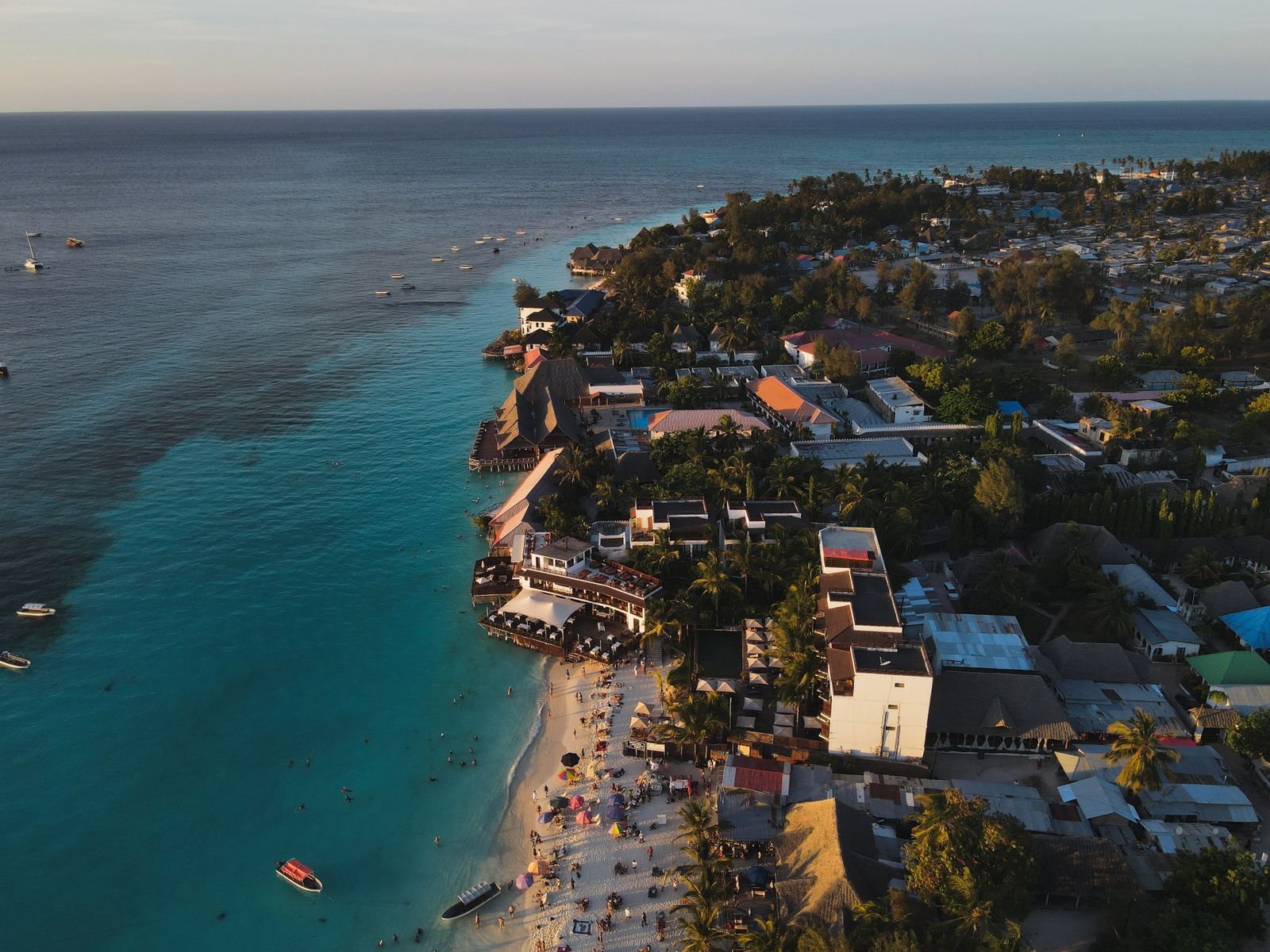
Zanzibar is an island that seems to have been designed for slow, sunlit days. Off the coast of Tanzania in the Indian Ocean, this archipelago pairs dazzling white-sand beaches with a rich, layered history, spice-scented villages, and coral reefs that glow turquoise in the afternoon light. It is the kind of place where the sea changes colour with the tide, where fishermen still set out in wooden dhows at dawn, and where a walk through a narrow alley can take you past a carved wooden door, a spice stall, and a mosque older than many European cities.
For many travellers, Zanzibar is the perfect ending to a Tanzanian safari, or a destination in its own right. The main island, Unguja, is often called Zanzibar itself, and it is joined by Pemba, Mafia, and dozens of smaller islets. Each has its own character: Unguja has the famous beaches and the historic Stone Town, Pemba is greener and quieter with superb diving, and the smaller islands offer barefoot luxury and total escape. This guide covers the main island in depth, with the practical detail you need to plan a trip that balances beach time with culture, food, and adventure.
What makes Zanzibar special is not one single sight but the way its worlds overlap. You can swim with dolphins in the morning, wander a UNESCO-listed old town in the afternoon, and eat grilled octopus at a night market as the call to prayer drifts across the harbour. You can learn how cloves, cinnamon, and vanilla grow on a spice farm, then snorkel over a reef that feels like an aquarium. Zanzibar rewards curiosity, and it rewards slowing down even more.
Where Is Zanzibar and Why Visit?
Zanzibar lies about 35 kilometres off the coast of mainland Tanzania in East Africa, just south of the equator. The archipelago is a semi-autonomous part of Tanzania, with its own government, its own president, and a culture shaped by centuries of trade between Africa, Arabia, India, and Europe. Swahili is the main language, English is widely spoken in tourist areas, and Islam is the dominant faith, which shapes daily life, dress, and the rhythm of the towns.
The island’s history is visible everywhere. Stone Town, the old quarter of Zanzibar City, was the centre of the nineteenth-century spice and ivory trade, and its coral-stone houses, carved doors, and bustling bazaars earned it UNESCO World Heritage status in 2000. At the same time, Zanzibar was a major hub of the slave trade, and that painful history is remembered at the former slave market and the Anglican cathedral built on its site. A visit that skips this history misses half of what makes the island meaningful.
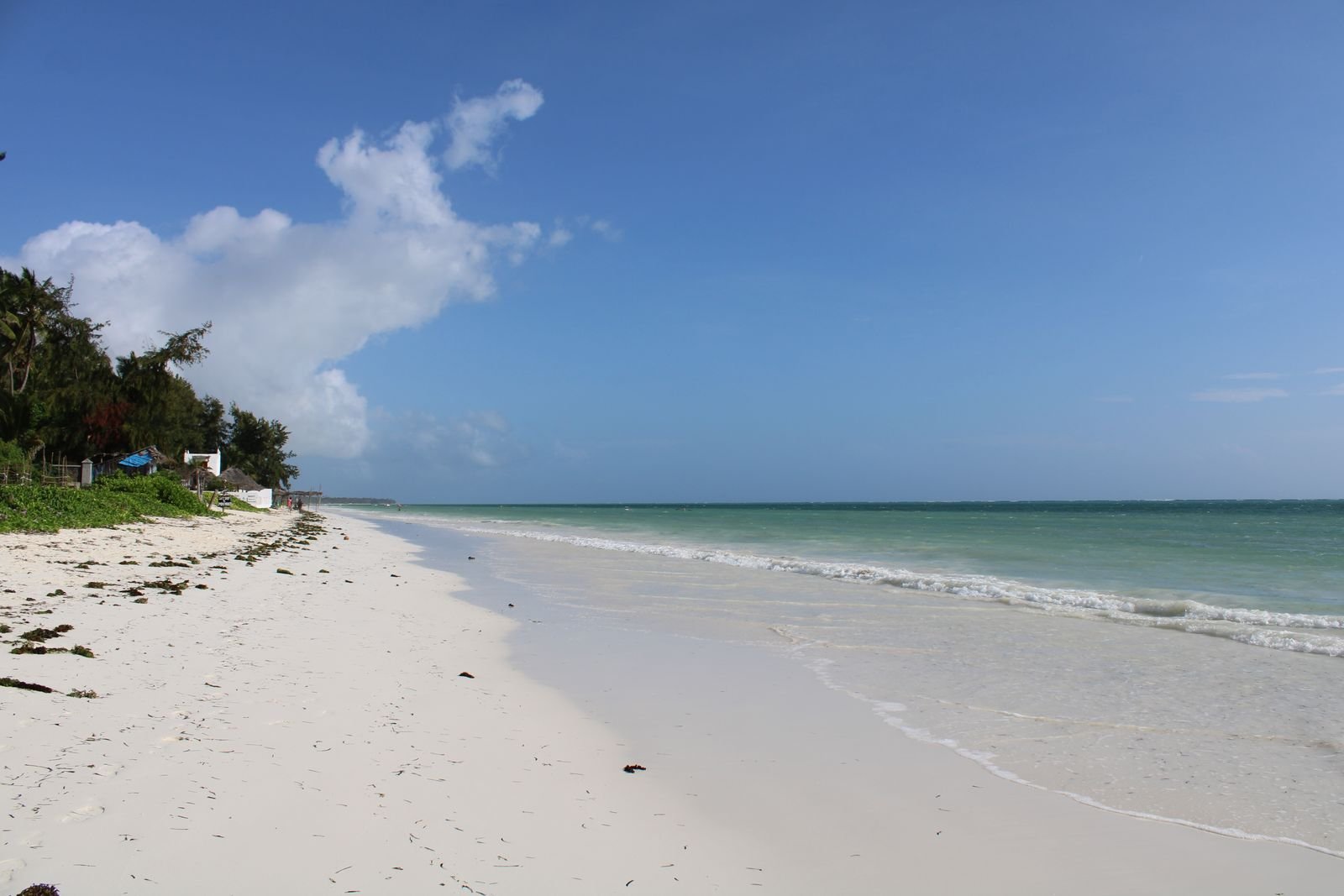
Most visitors come for the beaches, and they do not disappoint. The north coast around Nungwi and Kendwa has the best swimming, because the tide barely drops and the water stays deep enough to swim at any hour. The east coast has long, flat beaches at low tide, perfect for walking, kite surfing, and watching fishermen wade out to their boats. The south has quieter coves, seaweed farms, and the chance to swim with wild dolphins at Kizimkazi. Wherever you stay, the sand is pale, the water is warm all year, and the sunsets are spectacular.
What Makes Zanzibar Special?
Zanzibar’s magic comes from its mix of nature and culture. The spice trade gave the island its nickname, the Spice Island, and its farms still grow cloves, nutmeg, cinnamon, black pepper, vanilla, and cardamom. A spice tour is one of the most enjoyable half-days on the island: you walk through a farm, taste fruit straight from the tree, smell fresh spices, and finish with a traditional Swahili lunch cooked with the very spices you have just seen growing.
The sea is the other half of the story. The reefs around Zanzibar are part of the Western Indian Ocean’s rich marine world, with colourful coral, turtles, reef sharks, and hundreds of fish species. Mnemba Atoll, off the north-east coast, is the most famous snorkelling and diving spot, a ring of coral around a private island where the water is so clear that you can see the reef from the boat. Closer to shore, the tidal flats are alive with starfish, crabs, and seaweed farmers tending their plots at low tide.
Then there is the culture of the Swahili coast. Zanzibar’s food blends African, Arab, and Indian influences: pilau rice, biryani, octopus curry, cassava, and tropical fruit, finished with a glass of fresh sugar-cane juice. Its music, taarab, mixes Arabic melodies with Swahili lyrics and Indian instruments, and you can hear it at weddings, festivals, and in Stone Town’s cafes. Its architecture is a living museum, from the grand House of Wonders to the smallest carved door in a side street.
Best Things to Do in Zanzibar
Start in Stone Town, where a day of wandering is a highlight in itself. Walk the narrow lanes without a fixed plan, look up at the carved doors, visit the Old Fort and the House of Wonders, browse the Darajani market, and climb to a rooftop cafe for a view over the harbour. In the evening, head to Forodhani Gardens, where the night market fills with smoke, spices, and the famous Zanzibari pizza, a folded, fried parcel filled with meat, egg, and cheese.
On the beach, the choices are just as rich. Swim and sunbathe at Nungwi and Kendwa, where the water is calm and the beach bars stay open late. Try kite surfing at Paje, one of the best kite spots in the Indian Ocean, with steady wind and a huge, shallow lagoon. Take a boat to Mnemba Atoll to snorkel with turtles and tropical fish, or join a dolphin tour from Kizimkazi, choosing an operator that keeps a respectful distance from the animals. At low tide, walk the east-coast flats with a local guide and learn how seaweed farming supports whole villages.
Away from the coast, visit a spice farm in the island’s interior, and make time for Jozani Forest, the island’s largest area of indigenous forest and the home of the rare red colobus monkey, found nowhere else on earth. The forest walk, with its mangrove boardwalk and tall mahogany trees, is a reminder that Zanzibar is more than beaches. If you have time, take a dhow cruise at sunset, with the sails up and the sky turning orange over the harbour, or visit Prison Island to see the giant Aldabra tortoises that live there.
Best Time to Visit Zanzibar
Zanzibar is warm all year, with temperatures usually between 25 and 32 degrees Celsius, and the sea rarely drops below 25 degrees. The best time to visit is during the dry seasons, from June to October and from late December to February. In these months the skies are clear, the humidity is lower, and the sea is calm, which is ideal for snorkelling, diving, and boat trips.
The long rains fall from March to May, when heavy showers can disrupt boat trips and make some roads muddy, although prices drop and the island is at its greenest. The short rains in November are lighter and usually fall in short, sharp bursts, so November can still be a good time to visit if you want fewer crowds. Whichever month you choose, pack light clothing, sun protection, and a light rain jacket, and remember that the sun near the equator is strong even on cloudy days.
How to Get to Zanzibar and Get Around
Most visitors fly into Abeid Amani Karume International Airport, just south of Zanzibar City. There are direct flights from mainland Tanzania, Kenya, Ethiopia, the Middle East, and several European cities, and many travellers arrive via Dar es Salaam, either by a short flight or by ferry. The ferry from Dar es Salaam takes about two hours and is a scenic way to arrive, with the Stone Town waterfront coming into view as you approach the harbour.
Getting around the island is easy. Taxis and private drivers are available at the airport and in Stone Town, and it is wise to agree a price before you set off. The local dala-dala minibuses are cheap and colourful, and they run between Stone Town and the main beach villages, although they can be crowded. Many hotels can arrange transfers, and renting a car or scooter is possible if you have an international driving permit and are comfortable with driving on the left. For short trips, walking and cycling are pleasant in the beach villages, where the pace is slow and the roads are flat.
Where to Stay in Zanzibar
Where you stay shapes your trip, so choose a base that matches how you like to travel. Nungwi and Kendwa in the north are best for swimming, nightlife, and boat trips, with a wide range of hotels from backpacker hostels to luxury resorts. Paje and Jambiani on the east coast suit kite surfers and travellers who want long, quiet beaches and a relaxed, village feel. Stone Town is the best base for history, food, and culture, with boutique hotels in restored merchant houses that put you steps from the markets and the harbour.
For a quieter stay, consider the south coast around Kizimkazi and Paje, or the smaller islands off Unguja, where a few resorts offer total privacy. Wherever you stay, book ahead in the dry season, check whether the hotel is on a beach that is swimmable at low tide, and ask about transfers from the airport. Many visitors split their stay, spending a few nights in Stone Town and a few nights on the beach, which gives you the best of both worlds.
Wildlife and Nature in Zanzibar
Zanzibar’s wildlife is mostly marine, but the island’s land animals are special too. The red colobus monkey of Jozani Forest is the island’s most famous endemic animal, with a rust-red coat and a curious, trusting nature. The forest is also home to the Zanzibar servaline genet, the Aders duiker, and more than forty bird species, including the Fischer’s turaco. The mangrove boardwalk in Jozani is a good place to see the forest from a different angle, with crabs and fish in the shallow water below.
Offshore, the reefs are the main attraction. Green and hawksbill turtles feed on the seagrass beds, dolphins are often seen off the south coast, and at the right time of year, humpback whales pass through the channel between Zanzibar and the mainland. The coral gardens at Mnemba and around Chumbe Island, a protected marine park, are among the healthiest in the region, and they show what a reef can look like when it is properly protected. Snorkellers and divers should choose operators who respect the reef, avoid touching coral, and use reef-safe sunscreen.
Practical Tips for Visiting Zanzibar
Respect local customs, especially in Stone Town and in villages, where most people are Muslim. Dress modestly away from the beach, covering shoulders and knees, and ask before photographing people. Alcohol is available in hotels and tourist restaurants, but it is not sold everywhere, and public drinking is best avoided. Friday is the main day of prayer, so some shops close at midday, and the pace of life slows noticeably.
Health and safety are straightforward with a little preparation. Drink bottled water, use insect repellent, and sleep under a mosquito net where one is provided, as malaria is present on the island. Check with your doctor about vaccinations and malaria prophylaxis before you travel, and bring any medication you need, as pharmacies outside Stone Town are limited. The Tanzanian shilling is the local currency, and cash is king in markets and small restaurants, although hotels and larger restaurants accept cards. ATMs are available in Stone Town and in the main beach towns.
Finally, travel lightly and travel kindly. The island’s reefs, forests, and villages are under pressure from tourism, so choose locally owned hotels and guides where you can, avoid single-use plastic, and never buy shells, coral, or souvenirs made from endangered animals. A small tip for a guide, a boatman, or a spice farmer goes a long way, and a friendly greeting in Swahili, such as jambo or karibu, will be returned with a smile almost every time.
More Island Adventures
If Zanzibar has given you a taste for Indian Ocean islands, keep exploring. The Seychelles offers granite boulders, giant tortoises, and some of the most beautiful beaches on earth, while Bora Bora is the classic South Pacific lagoon, with overwater bungalows and a mountain that rises straight out of the sea. Both are very different from Zanzibar, and both show how varied island travel can be.
Frequently Asked Questions About Zanzibar
Is Zanzibar safe for tourists? Yes, Zanzibar is generally safe for visitors, with low levels of violent crime. Take the usual precautions with valuables, avoid walking alone on empty beaches at night, use a licensed taxi after dark, and respect local customs in Stone Town and in villages.
Do I need a visa to visit Zanzibar? Most visitors need a visa for Tanzania, which covers Zanzibar. Many nationalities can get a visa on arrival or apply for an e-visa before travel. Check the current rules for your nationality before you go, and make sure your passport is valid for at least six months.
What is the best beach in Zanzibar for swimming? Nungwi and Kendwa on the north coast are the best beaches for swimming at any time of day, because the tide barely drops there. Paje is best for kite surfing, while the east-coast beaches are best for long walks at low tide.
How many days do I need in Zanzibar? Five to seven days is ideal, with two or three days in Stone Town and the rest on the beach. That gives you time for a spice tour, a snorkelling trip, Jozani Forest, and at least one slow day with no plans at all.
Can I visit Zanzibar after a safari in Tanzania? Yes, and it is one of the most popular combinations in Africa. Fly from Arusha or the Serengeti to Zanzibar, or travel via Dar es Salaam by flight or ferry, and you can go from savannah to beach in a single day.
Conclusion
Zanzibar is more than a beach destination. It is an island where history, culture, and nature meet at the edge of the Indian Ocean, where every beach has a story and every meal has a spice in it. Whether you come for the white sand, the coral reefs, the old town, or the simple pleasure of watching a dhow sail past at sunset, Zanzibar has a way of slowing you down and making you want to stay a little longer. Plan well, travel respectfully, and leave time for the unexpected, because in Zanzibar, the best moments are often the ones you did not plan at all.