Lake Issyk-Kul, Kyrgyzstan: The Complete Guide to the Warm Lake of the Tian Shan
Lake Issyk-Kul, Kyrgyzstan: The Complete Guide to the Warm Lake of the Tian Shan
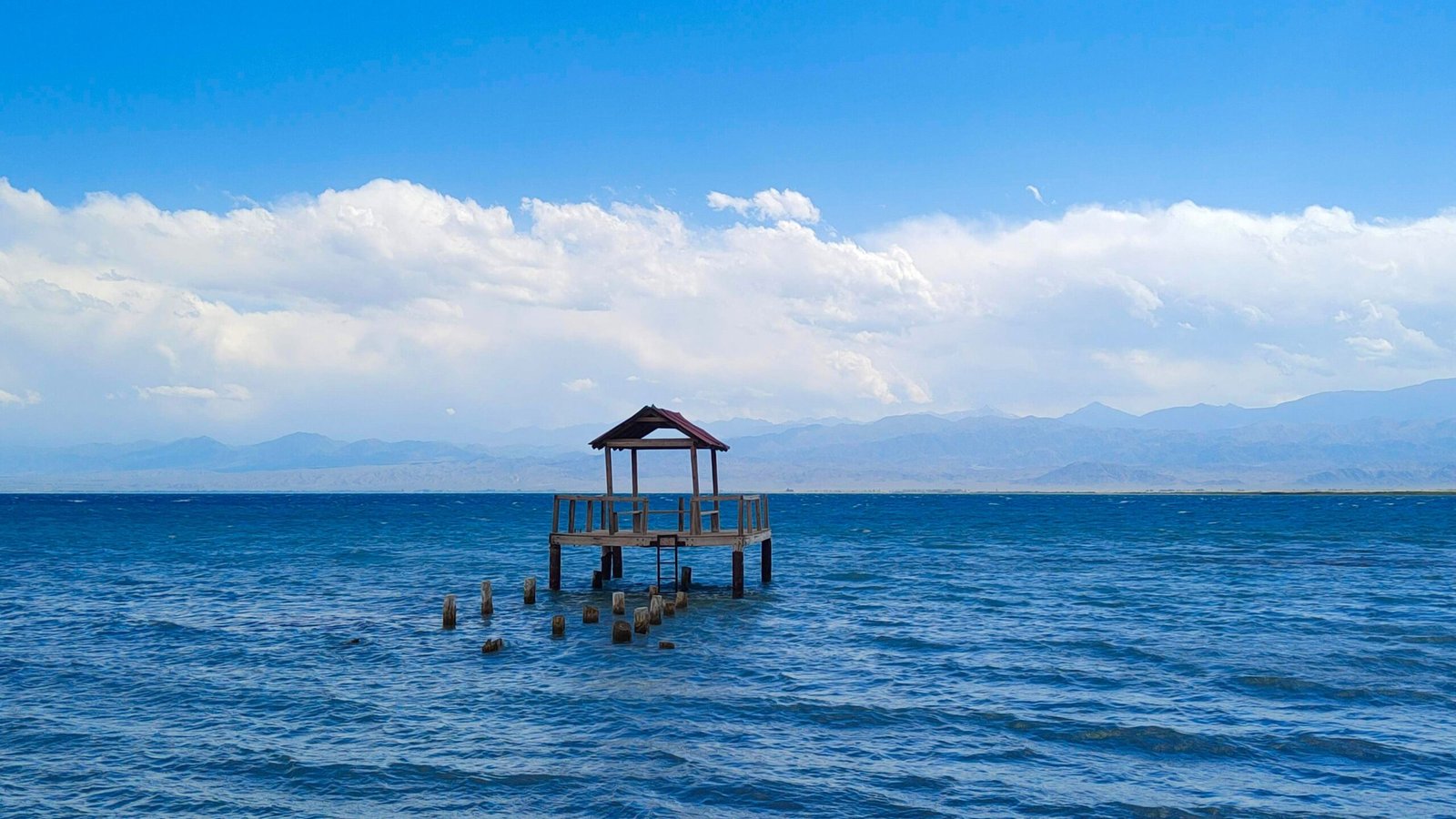
Lake Issyk-Kul is one of the great lakes of Central Asia, a vast blue lake ringed by the snow capped peaks of the Tian Shan, in the northeast of Kyrgyzstan. The name Issyk-Kul means warm lake in Kyrgyz, and the lake never freezes, even in the coldest winters, because of its salt content and the hot springs that feed it from below. At 1,600 metres above sea level, and about 180 kilometres long, it is the second largest mountain lake in the world, and its clear water, sandy beaches and mountain backdrop make it the most popular holiday destination in Kyrgyzstan.
Issyk-Kul is a lake of many moods. In summer, the beaches of the north shore fill with holidaymakers from Bishkek and Almaty, and the water is warm enough to swim. In winter, the lake is quiet, the mountains are white and the hot springs steam in the cold air. Around the lake, there are canyons, petroglyphs, waterfalls and mountain passes, and the towns of Cholpon Ata and Karakol make good bases. This guide covers everything you need to plan a trip to Lake Issyk-Kul, from how to get there to the best beaches, the best time to visit and where to stay.
Why Lake Issyk-Kul Belongs on Your List
Lake Issyk-Kul is a lake that should not exist, and that is what makes it so fascinating. At 1,600 metres above sea level, surrounded by peaks over 5,000 metres high, it is a vast inland sea in the middle of the mountains, with water so clear that you can see the bottom in the shallows, and so salty that it never freezes. The lake is a place of beaches and mountains at the same time, and you can swim in the morning and hike in the afternoon, with snow on the peaks above you.
What makes Issyk-Kul special is that it is still a place for travellers, not for tourists. The north shore has resorts and beaches, but the south shore is quiet, with small villages, yurt camps and empty beaches, and the mountains behind it are some of the best hiking in Central Asia. The lake is also a place of history, with petroglyphs carved into the rocks thousands of years ago, and the ruins of a Silk Road city that lies beneath the water, visible on a calm day from a boat.
Where Lake Issyk-Kul Is and How to Get There
Lake Issyk-Kul lies in the northeast of Kyrgyzstan, about 250 kilometres east of the capital, Bishkek, in a wide valley between two ranges of the Tian Shan, the Kungey Alatau to the north and the Terskey Alatau to the south. The lake is about 180 kilometres long and 60 kilometres wide, and the main towns on its shores are Cholpon Ata, on the north shore, and Karakol, at the eastern end, and both are good bases for exploring the lake and the mountains.
Getting to Issyk-Kul is straightforward. From Bishkek, it is about a four to five hour drive to Cholpon Ata, either by bus or by shared taxi, and the road follows the Boom Gorge and then the north shore of the lake, with mountain views the whole way. From Cholpon Ata, it is another two hours to Karakol, and the road around the lake is good, although the south shore road is quieter and more scenic. Many visitors hire a car and driver in Bishkek for a few days, which gives them the freedom to stop at the canyons and viewpoints along the way.
The Best Time to Visit Lake Issyk-Kul
The best time to visit Lake Issyk-Kul is from June to September, when the weather is warm, the water is warm enough to swim and the mountain passes are open for hiking. July and August are the warmest months, and the beaches of the north shore are busy with holidaymakers, although the south shore stays quiet. The days are long, the skies are clear and the lake is at its bluest, with the snow capped peaks reflected in the water.
Spring, from April to May, and autumn, from September to October, are also good times to visit, with fewer people, lower prices and clear mountain air, although the water is cooler and some of the high passes may still be closed in spring. Winter, from November to March, is cold, with snow in the mountains and the lake quiet, but the hot springs steam in the cold air and the lake never freezes, and it is a good time for a quiet visit and for skiing in Karakol.
Beaches and Swimming on Lake Issyk-Kul
The north shore of Lake Issyk-Kul has the best beaches, with fine sand, clear water and views across the lake to the snow capped peaks of the Terskey Alatau. Cholpon Ata is the main resort town, with a long sandy beach, cafes and guesthouses, and it is a good place to base yourself if you want to swim and relax. The water is warmest in July and August, when it reaches about 20 degrees, and the beaches are busy with families from Bishkek and Almaty, although there are quieter stretches of sand a short walk from the town.

The south shore is quieter, with small villages, yurt camps and empty beaches, and it is a better place if you want to swim in peace and to see the lake without the crowds. The water is clear and the beaches are sandy, although there are fewer facilities, so bring food and water with you. Wherever you swim, remember that the lake is large and the weather can change quickly, so stay close to the shore and do not swim alone.
Canyons and Hot Springs Around the Lake
Around Lake Issyk-Kul, there is much more to see than the beaches. On the south shore, the Skazka Canyon, also called the Fairy Tale Canyon, is a maze of red and orange rock formations that look like castles and animals, and it is one of the most photographed places in Kyrgyzstan. The canyon is an easy walk from the road, and the colours are best in the late afternoon, when the sun is low. The lake is also famous for its hot springs, and there are several places where you can bathe in warm mineral water, including the springs at Altyn Arashan, a beautiful alpine valley near Karakol, and the springs at Cholpon Ata.
Where to Stay Around Lake Issyk-Kul
Cholpon Ata, on the north shore, has the widest choice of places to stay, from budget guesthouses to comfortable resorts with private beaches, and it is a good base if you want to swim and to visit the petroglyphs. Karakol, at the eastern end of the lake, is a better base for hiking and for the hot springs at Altyn Arashan, and it has a good range of guesthouses and hotels. On the south shore, the best experience is a yurt camp, where you sleep in a traditional Kyrgyz yurt, eat with the family and wake to the sound of the lake.
Practical Tips for Visiting Lake Issyk-Kul
Issyk-Kul is a large lake, so plan your transport in advance. The buses and shared taxis around the lake are frequent in summer but less so in winter, and a car and driver gives you the most freedom. Bring cash, as the small villages on the south shore have few ATMs and do not take cards. Pack sun protection and a warm layer, as the sun is strong at 1,600 metres and the evenings can be cool, even in summer. Finally, drink plenty of water and take it slowly on your first day, as the altitude can make you tired.
Skazka Canyon and the Petroglyphs
One of the most striking places around Lake Issyk-Kul is Skazka Canyon, also called Fairytale Canyon, on the south shore near the village of Tosor. Wind and water have carved the red sandstone into towers, castles and narrow passages, and the colours change through the day, from pale pink in the morning to deep red in the late afternoon. It is a short walk from the road, and the canyon is small enough to explore in an hour or two, but the shapes and the silence make it feel like another world.
On the north shore, near Cholpon-Ata, an open air museum of petroglyphs holds thousands of rock carvings, some more than two thousand years old. The carvings show ibex, deer, hunters and scenes from the lives of the nomads who travelled the Silk Road around the lake, and they are a reminder that Issyk-Kul has been a crossroads for centuries. A visit here adds a layer of history to the beaches and the mountains, and it is easy to combine with a day on the lake.
Frequently Asked Questions About Lake Issyk-Kul
How do I get to Lake Issyk-Kul from Bishkek? From Bishkek, it is about a four to five hour drive to Cholpon Ata, by bus or by shared taxi, and the road follows the Boom Gorge and then the north shore of the lake. From Cholpon Ata, it is another two hours to Karakol, and many visitors hire a car and driver for a few days.
What is the best time to visit Lake Issyk-Kul? June to September is the best time, when the weather is warm and the water is warm enough to swim. July and August are the warmest months, and the beaches of the north shore are busy, although the south shore stays quiet.
Can you swim in Lake Issyk-Kul? Yes, the lake is warm enough to swim in July and August, when the water reaches about 20 degrees, and the north shore has the best beaches, with fine sand and clear water. The lake is large and the weather can change quickly, so stay close to the shore and do not swim alone.
Does Lake Issyk-Kul freeze in winter? No, the lake never freezes, even in the coldest winters, because of its salt content and the hot springs that feed it from below. That is why it is called the warm lake, and it is one of the few large lakes in the world that stays open all winter.
How many days do I need at Lake Issyk-Kul? Allow at least three days, with one day for the beaches, one day for the canyons and hot springs and one day for the mountains around Karakol. Most visitors spend four or five days at the lake, which gives them time to see both shores and to hike in the Tian Shan.
Conclusion: Lake Issyk-Kul Awaits
Lake Issyk-Kul is a lake that rewards the traveller who is willing to go further, to leave the familiar roads and to drive into the mountains of Kyrgyzstan. The lake itself is beautiful, but it is the whole journey that makes the trip, the beaches, the canyons, the hot springs, the yurt camps and the snow capped peaks. If you are planning a trip to Central Asia, give Issyk-Kul four or five days, and you will come home with some of the best photographs and memories of your whole trip.
For more lake inspiration, read our guide to Lake Titicaca, the highest navigable lake in the world, and our guide to Lake Bled, the fairy tale lake of Slovenia. Both are good companions to an Issyk-Kul trip, and they will help you plan the rest of your time by the water.