Algarve Coast, Portugal: Complete Guide to Cliffs, Caves and Golden Beaches
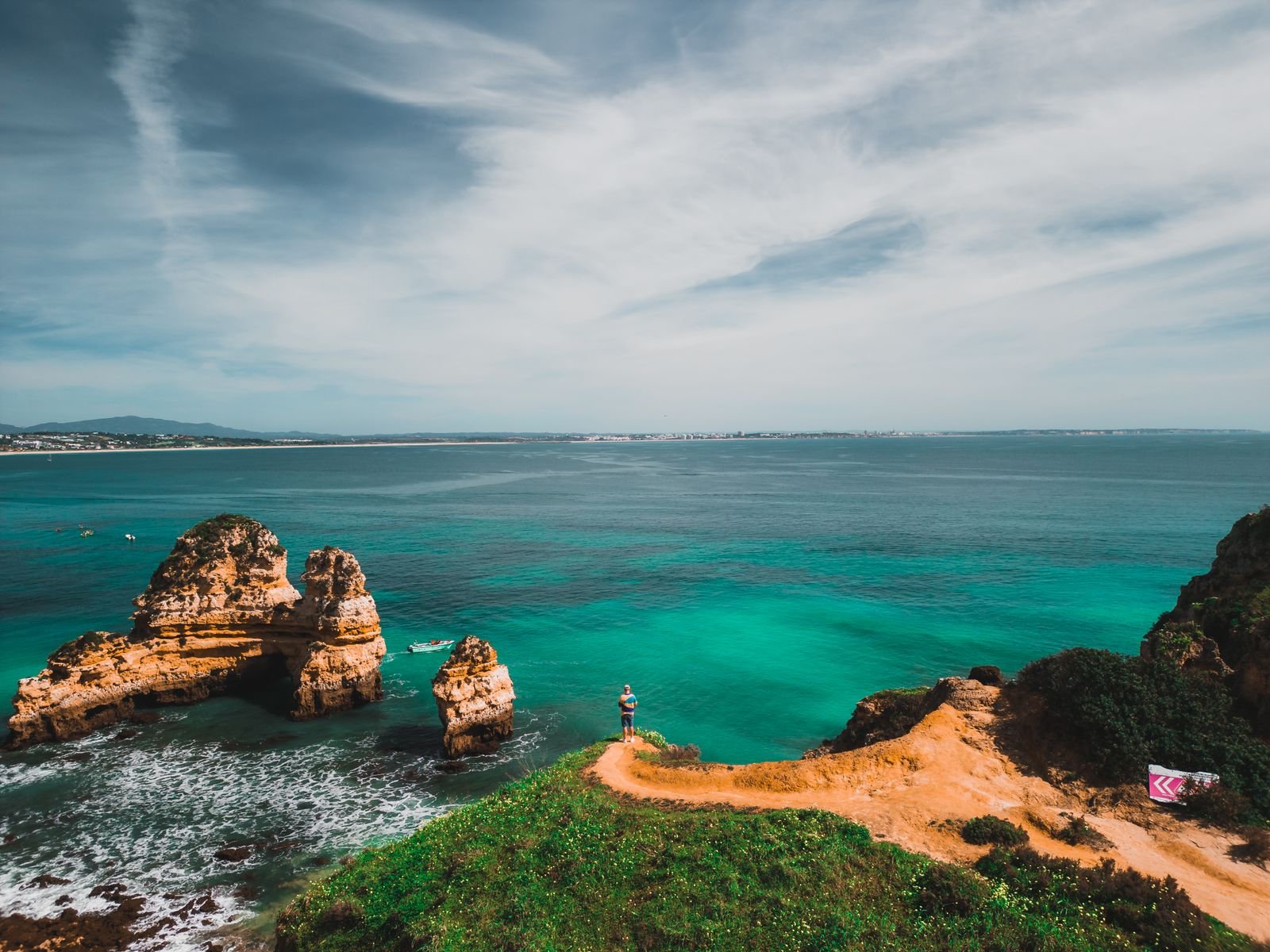
The Algarve Coast is the sunniest corner of Portugal, a stretch of southern shoreline where golden limestone cliffs meet clear Atlantic water. For more than 150 kilometres, the coast runs from the wild headland of Sagres in the west to the sandy lagoon islands near the Spanish border, and almost every kilometre holds a beach worth stopping for.
This complete guide to the Algarve Coast covers the region’s most beautiful places, the best things to do, when to visit, how to get around and where to stay. Whether you want to paddle into a sea cave, walk a clifftop trail, eat grilled sardines in a fishing village or simply find a quiet cove, the Algarve rewards travellers who explore beyond the big resorts.
Where Is the Algarve Coast and Why Visit?
The Algarve is the southernmost region of Portugal, facing the Atlantic Ocean and the Gulf of Cadiz. Its coastline is famously varied: in the west, around Lagos and Sagres, tall cliffs and sea stacks dominate, while in the east, around Tavira, long sandy barrier islands shelter the calm waters of the Ria Formosa lagoon.
The region’s main towns are Faro, the capital, with its old town and airport; Lagos, the historic port town that makes the best base for the western Algarve; and Tavira, a charming riverside town in the east. Between them lie fishing villages, whitewashed towns and some of the best beaches in Europe.
People visit the Algarve Coast for its light, its food and its outdoors. The region has more than 300 days of sunshine a year, a long tradition of fishing and seafood, and a coastline that invites walking, kayaking, surfing and sailing. It is a place that feels relaxed from the moment you arrive.
What Makes the Algarve Coast Special?
The Algarve’s limestone cliffs are its signature. Over millions of years, wind and waves have carved them into arches, grottoes and sea stacks, and the warm light of late afternoon turns them gold. Ponta da Piedade, near Lagos, is the most famous stretch, with rock pillars rising from turquoise water.
Benagil Cave is the coast’s most photographed wonder. This vast sea cave has a natural skylight in its roof, and the only way to reach it is by boat, kayak or paddleboard from the nearby beach. Early morning visits, before the tour boats arrive, are the most magical.
The Algarve is also a place of rich natural diversity. The Ria Formosa Natural Park protects lagoons, salt marshes and barrier islands that are home to flamingos, spoonbills and seahorses, while the wild west coast around Sagres is one of the best places in Europe to watch migrating seabirds.
Best Things to Do on the Algarve Coast
Walk the Seven Hanging Valleys Trail, the most beautiful clifftop hike in the Algarve. The 6-kilometre path between Praia da Marinha and Praia do Vale Centeanes passes sea arches, sinkholes and viewpoints that look made for postcards. Start early and bring water, as there is little shade.
Take a boat trip to Benagil Cave from Portimão or Benagil Beach, or rent a kayak and paddle there yourself. Kayaks can enter the cave and land on its small beach, which boats are not allowed to do, so paddling is the most rewarding way to see it.
Explore Lagos, the Algarve’s most characterful town. Wander the old town’s cobbled streets, visit the Ponta da Piedade rock formations by kayak or boat, and watch the sunset from the cliffs at Praia do Camilo. Lagos is also the best base for day trips along the west coast.
Finish in the east, in Tavira and the Ria Formosa. Take the ferry to Ilha de Tavira, a long sandy island with calm water and almost no development, and spend an afternoon birdwatching in the salt pans. The east Algarve is quieter and more traditional than the west.
Best Time to Visit the Algarve Coast
The best time to visit the Algarve Coast is from May to October, when the weather is warm, the sea is comfortable for swimming and the days are long. June and September are the sweet spots, with summer warmth but fewer crowds than July and August.
Spring, from March to May, brings wildflowers to the cliffs and is the best season for hiking and birdwatching, while autumn stays warm well into October. Winter is mild and quiet, and although the sea is cool, it is a lovely time for walking and for enjoying the Algarve without the summer crowds.

The Algarve’s Best Beaches and Cliffs
Praia da Marinha, near Carvoeiro, is often named one of the most beautiful beaches in the world. Its cliffs frame a small bay of clear water, and a stairway leads down to the sand. Arrive early in summer, as the beach is small and popular.
Praia do Camilo, just south of Lagos, is a tiny cove reached by a long wooden staircase. The water here is calm and clear, and the limestone rocks on either side make it feel like a private beach, even in the middle of summer.
For a wilder experience, head to the west coast. Praia da Arrifana and Praia do Amado, near Aljezur, are broad Atlantic beaches backed by high cliffs, and they are among the best surfing beaches in Portugal. The sunsets here, with nothing between you and America, are unforgettable.
How to Get to the Algarve Coast
Most visitors fly into Faro Airport, which has direct flights from across Europe. From the airport, buses and trains run along the coast to Lagos in the west and Vila Real de Santo António in the east, and car hire is available at the terminal.
By train, the regional line connects Faro with Lagos, Albufeira, Tavira and the eastern towns, and it is a pleasant way to travel along the coast. The official Visit Portugal portal has up-to-date travel and destination information at visitportugal.com.
A car gives you the most freedom, especially for reaching trailheads, west-coast beaches and small villages that buses do not serve. Roads are good and driving is straightforward, but parking in Lagos and Albufeira can be difficult in high summer, so arrive early or use the town car parks.
Where to Stay on the Algarve Coast
Lagos is the best base for the western Algarve, with the widest choice of hotels, guesthouses and restaurants, plus easy access to Ponta da Piedade and the Seven Hanging Valleys Trail. The old town is lively in the evenings and quiet enough to sleep well.
For a quieter stay, choose Tavira in the east, the village of Carvoeiro in the centre, or the surfer town of Aljezur in the west. Faro is a good choice for a short stay, with a charming old town and the Ria Formosa on its doorstep.
Wildlife and Nature of the Algarve Coast
The Ria Formosa is one of Europe’s most important wetlands. Its lagoons and salt marshes attract flamingos, spoonbills, avocets and ospreys, and the barrier islands are nesting grounds for the rare Audouin’s gull. Guided boat trips from Faro and Olhão are the best way to see the lagoon’s wildlife.
Offshore, dolphins are a common sight on boat trips from Lagos and Albufeira, and the deeper waters of the west coast attract whales in summer. On land, the cliffs are home to peregrine falcons and the rare Bonelli’s eagle, while the cork oak forests inland shelter wild boar and genets.
In spring, the Algarve’s cliffs and hillsides are covered in wildflowers, including orchids, rockroses and sea lavender. The region’s mild climate means that something is always in bloom, and the scent of wild herbs follows you along the coastal paths.
Practical Tips for Visiting the Algarve Coast
Book Benagil Cave trips and popular restaurants in advance during summer, and arrive at famous beaches early, as car parks fill up by mid-morning. The sun is strong even in spring and autumn, so bring sunscreen, a hat and plenty of water for clifftop walks.
Be careful near cliff edges, especially after rain, when the limestone can be slippery and the edges can crumble. Stay on marked trails, keep children close at viewpoints, and never swim in rough Atlantic conditions at west-coast beaches when red flags are flying.
Eat like a local. Try grilled sardines, cataplana (a seafood stew cooked in a copper pot), and the Algarve’s sweet pastries, and order the house wine, which is usually excellent and inexpensive. Tipping is appreciated but not expected.
Finally, give the Algarve time. The region rewards slow travel: a morning on a beach, a long lunch in a fishing village, and a sunset walk along the cliffs is a perfect Algarve day, and there is no need to rush from one famous sight to the next.
More Islands and Coasts to Explore
- Amalfi Coast, Italy: Complete Guide to Positano, Ravello and the Best Coastal Towns
- Corsica, France: Complete Guide to Calanques de Piana, Scandola and the Best Coastal Hikes
Frequently Asked Questions About the Algarve Coast
How many days do I need in the Algarve?
Five to seven days is ideal. That gives you time for Lagos and Ponta da Piedade, the Seven Hanging Valleys Trail, a Benagil Cave trip, a beach day and a visit to Tavira or Sagres. With three days, focus on Lagos and the central coast.
What is the best base in the Algarve?
Lagos is the best base for most visitors, thanks to its beaches, restaurants and day-trip options. Tavira suits travellers who want a quieter, more traditional town, while Faro is best for short stays and birdwatching in the Ria Formosa.
Can I visit Benagil Cave without a boat tour?
Yes, you can reach Benagil Cave by kayak or stand-up paddleboard rented at Benagil Beach, and these are the only ways to land on the cave’s beach. Swimming to the cave is not recommended, as the sea can be rough and boats pass through the entrance.
Is the Algarve good for families?
Yes, the Algarve is one of Europe’s most family-friendly beach destinations. The central and eastern beaches have calm, shallow water, and there are boat trips, water parks and easy walks that suit children of all ages.
Do I need a car in the Algarve?
A car is very useful for reaching beaches, trailheads and west-coast villages, but it is not essential. Trains and buses serve the main towns, and Lagos, Faro and Tavira are all enjoyable on foot. If you stay in one town, you can manage without a car.
When is the sea warm enough to swim in the Algarve?
The Atlantic is at its warmest from July to September, when water temperatures reach about 21 to 23 degrees Celsius. The south coast is warmer and calmer than the west coast, where the water stays cooler and the waves are bigger.
Is the Algarve expensive?
The Algarve is good value by Western European standards. Local restaurants, guesthouses and public transport are affordable, and even in summer you can eat well for much less than in many other Mediterranean destinations.
Conclusion
The Algarve Coast earns its place among Europe’s great shorelines. Few coasts combine such dramatic cliffs, such clear water and such warm hospitality, and few places make it so easy to have a memorable holiday, whether you are paddling into a sea cave or watching the sun set over the Atlantic at Sagres.
Visit in late spring or early autumn if you can, give yourself time to explore beyond the famous beaches, and treat the cliffs and the sea with respect. Do that, and the Algarve will give you far more than a beach holiday: it will give you a coastline you will want to return to.
If you only remember one thing about the Algarve, let it be this: the best moments here are often the simplest ones. A quiet cove at low tide, a plate of grilled sardines in a fishing village, and a golden cliff glowing in the evening light are the memories that stay with you long after the holiday ends.