
Rocky Mountains, Colorado: Complete Guide to Rocky Mountain National Park, Maroon Bells and the Best Trails
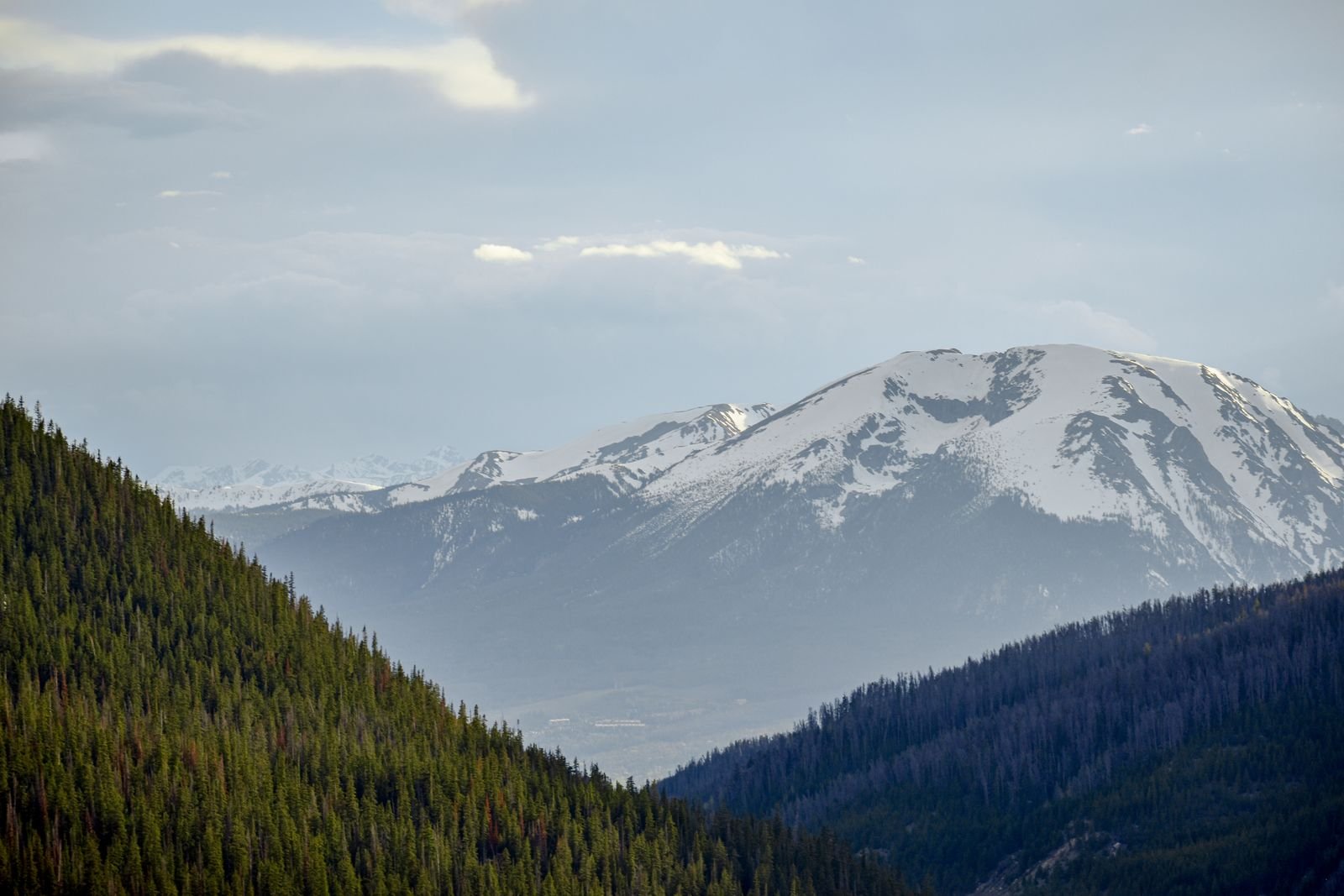
The Rocky Mountains, Colorado, are the high heart of the American West. From the alpine lakes and tundra of Rocky Mountain National Park to the red-and-white peaks of the Maroon Bells, Colorado’s Rockies offer some of the most rewarding mountain scenery in the United States. The Rocky Mountains Colorado landscape is a world of 14,000-foot peaks, wildflower meadows, elk herds, historic mining towns and high mountain roads, and it is easy to explore, with good trails, scenic drives and friendly mountain towns.
This guide covers everything you need to plan a trip to the Rocky Mountains, Colorado: when to go, the best places to visit, Rocky Mountain National Park, the Maroon Bells, Trail Ridge Road, the best hikes, where to stay in Estes Park, Aspen and other towns, wildlife, altitude tips and practical advice. Whether you have a weekend or two weeks, the Rocky Mountains Colorado region has a mountain holiday for every level, from easy lake walks to high alpine climbs.
Where Are the Rocky Mountains in Colorado?
The Rocky Mountains run from Canada to New Mexico, and Colorado is where they are at their highest and most dramatic. More than 50 peaks in Colorado rise above 14,000 feet, and the Continental Divide runs through the state, separating rivers that flow to the Atlantic from those that flow to the Pacific. The main mountain areas for visitors are Rocky Mountain National Park, near Estes Park, the Maroon Bells and Aspen, the San Juan Mountains around Ouray, Telluride and Durango, and the Front Range near Denver and Boulder. Each area has its own character, but all share high alpine scenery, clear light and a sense of space that is hard to find anywhere else in the United States.
Rocky Mountain National Park
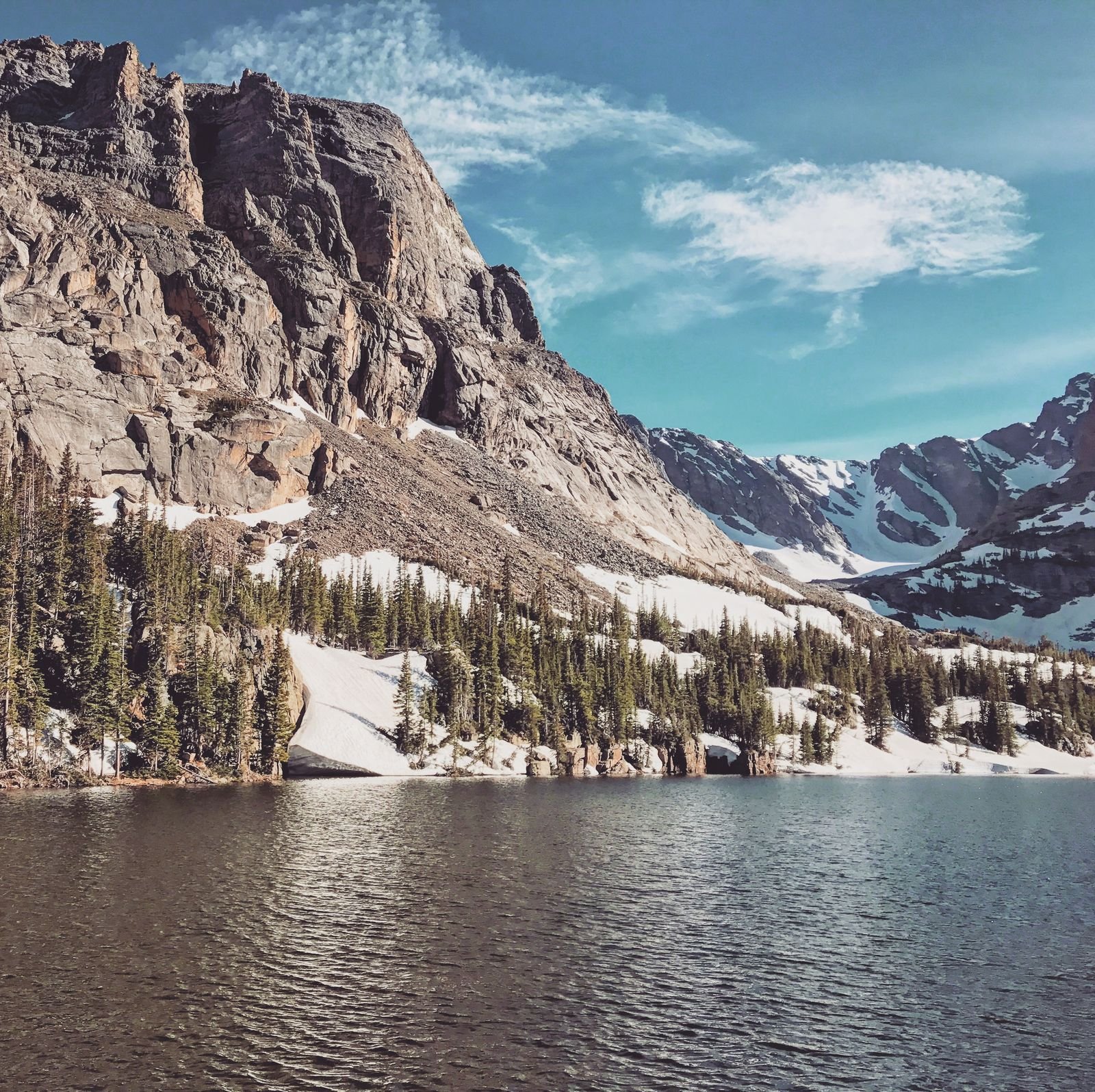
Rocky Mountain National Park is the centrepiece of the Rocky Mountains, Colorado. The park protects more than 400 square miles of mountains, lakes, forests and tundra, with over 300 miles of hiking trails. Trail Ridge Road, the highest paved road in the United States, crosses the park at 12,183 feet, with views over the mountains and tundra, and it is one of the great scenic drives in America. Bear Lake is the most popular area, with easy walks to Bear Lake, Nymph Lake and Dream Lake, and longer hikes to Emerald Lake and beyond. The park is also famous for its wildlife: elk, moose, bighorn sheep, marmots and black bears are all regularly seen, especially at dawn and dusk. Timed entry reservations are required in summer, so book ahead.
Maroon Bells and Aspen
The Maroon Bells, near Aspen, are often called the most photographed mountains in North America, and it is easy to see why. Two 14,000-foot peaks, Maroon Peak and North Maroon Peak, rise above Maroon Lake, a small, clear lake that reflects the mountains on a calm morning. The area is beautiful in summer, with wildflowers and hiking, and spectacular in autumn, when the aspen trees turn gold. Access to Maroon Lake is by shuttle bus in summer, and the area has trails to Crater Lake, the Maroon-Snowmass Trail and other high routes. Aspen itself is a lively mountain town, with good restaurants, shops and galleries, and it makes a comfortable base for exploring the Elk Mountains.
The Best Hikes in the Rocky Mountains, Colorado
The best hikes in the Rocky Mountains, Colorado, range from easy lake walks to strenuous alpine climbs. Easy hikes include Bear Lake and Sprague Lake in Rocky Mountain National Park, and the Maroon Lake trail at the Maroon Bells. Moderate hikes include Emerald Lake, the Mills Lake trail, and the hike to Hanging Lake near Glenwood Springs, a short, steep trail to a beautiful turquoise lake in a canyon. Harder hikes include the climb to the summit of Longs Peak, at 14,259 feet, a long, demanding day that should only be attempted by fit, experienced hikers, and the trails in the San Juan Mountains, such as the Blue Lakes trail near Ouray. Start early, because afternoon thunderstorms are common in summer, bring plenty of water, and be prepared for altitude.
Trail Ridge Road and Scenic Drives
Trail Ridge Road is the most famous scenic drive in the Rocky Mountains, Colorado. It runs for 48 miles through Rocky Mountain National Park, from Estes Park to Grand Lake, climbing above the treeline to the Alpine Visitor Center at 11,796 feet, the highest visitor centre in the National Park Service. The road is usually open from late May to October, and it offers views over the mountains, tundra and valleys, with many pullouts for photographs and short walks. Other great drives include the Peak to Peak Scenic Byway, from Estes Park to Black Hawk, the San Juan Skyway, a loop through Ouray, Telluride and Durango, and Independence Pass, the high road between Aspen and Twin Lakes. All of these drives are best taken slowly, with stops for viewpoints and short trails.
Wildlife in the Rocky Mountains, Colorado
Wildlife is one of the great joys of the Rocky Mountains, Colorado. Elk are the most common large animal, and they are often seen in the meadows of Rocky Mountain National Park, especially in the autumn rut, when the males bugle. Moose are found in the Kawuneeche Valley and around Grand Lake, bighorn sheep climb the cliffs near the Alpine Visitor Center, and marmots and pikas live among the rocks above the treeline. Black bears are present but rarely seen, and mountain lions are very rare. Watch wildlife from a safe distance, never feed animals, and carry bear spray if you are hiking in remote areas. Dawn and dusk are the best times to see animals, and the park rangers offer guided walks and evening programmes in summer.
Best Time to Visit the Rocky Mountains, Colorado
The best time to visit the Rocky Mountains, Colorado, depends on what you want to do. Summer, from June to September, is the most popular time, with warm days, wildflowers, open roads and all trails accessible, although it is also the busiest and afternoon thunderstorms are common. Autumn, from late September to early October, is beautiful, with golden aspen trees, elk bugling and fewer visitors, although some high roads may close. Winter, from December to March, is a time for skiing, snowshoeing and quiet mountain towns, with deep snow and cold temperatures. Spring, from April to May, is a time of melting snow, waterfalls and fewer visitors, although many high trails are still snow-covered. Like Mount Rainier in Washington, the Colorado Rockies are a high mountain park with alpine lakes and wildflowers, but Colorado offers more peaks, more towns and more high roads to explore.
Where to Stay in the Rocky Mountains, Colorado
The best bases for the Rocky Mountains, Colorado, are Estes Park, at the eastern entrance to Rocky Mountain National Park, Grand Lake, at the western entrance, Aspen, for the Maroon Bells, and Ouray, Telluride and Durango, for the San Juan Mountains. Estes Park has hotels, cabins, lodges and campgrounds, and it is a friendly, walkable town with restaurants and shops. Aspen is more expensive but offers excellent hotels, food and culture. Smaller towns such as Boulder, Breckenridge and Vail also make good bases, with easy access to trails and scenic drives. Book accommodation well in advance in summer and autumn, because the popular towns fill up quickly.
Practical Tips: Altitude, Weather and Safety
Altitude is the most important thing to respect in the Rocky Mountains, Colorado. Many places are above 8,000 feet, and Trail Ridge Road reaches 12,183 feet, so altitude sickness is a real risk. Drink plenty of water, avoid alcohol on your first day, take it easy, and descend if you feel ill. Weather in the mountains changes quickly: it can be sunny and warm in the morning and cold, windy and stormy in the afternoon, so bring layers, a waterproof jacket, sunscreen and a hat. Start hikes early to avoid afternoon thunderstorms, carry a map, and let someone know your plans. The Dolomites in Italy offer a European version of high mountain scenery, with pale limestone peaks and rifugio huts, while the Colorado Rockies offer wilder, higher and emptier mountains, and both are among the best hiking destinations in the world.
Conclusion
The Rocky Mountains, Colorado, are a place of big skies, high peaks and clear alpine lakes. They offer a mountain holiday that is both easy and wild: easy, because the roads, trails and towns are well set up for visitors, and wild, because the mountains themselves are still vast, high and untamed. Whether you drive Trail Ridge Road, hike to a lake, watch elk at dawn or simply sit and look at the Maroon Bells, the Colorado Rockies will stay with you. Plan ahead, respect the altitude, and take your time, and the Rocky Mountains will give you one of the great mountain trips of your life.
Frequently Asked Questions About the Rocky Mountains, Colorado
Do you need a reservation for Rocky Mountain National Park?
Yes, timed entry reservations are required in summer, usually from late May to mid-October. Book online well in advance, and check the National Park Service website for the latest rules.
What is the highest road in the Rocky Mountains, Colorado?
Trail Ridge Road, in Rocky Mountain National Park, is the highest paved road in the United States, reaching 12,183 feet. It is usually open from late May to October.
When is the best time to see the Maroon Bells?
The Maroon Bells are beautiful in summer, but the most famous time is autumn, in late September and early October, when the aspen trees turn gold around Maroon Lake.
How do you deal with altitude in Colorado?
Drink plenty of water, take it easy on your first day, avoid alcohol, and descend if you feel dizzy, nauseous or short of breath. Most people adjust within a day or two.
Where should you stay for Rocky Mountain National Park?
Estes Park is the best base on the east side, with the most hotels and restaurants, while Grand Lake is quieter on the west side. Both are close to the park entrances.
The San Juan Mountains: Ouray, Telluride and Durango
The San Juan Mountains, in southwestern Colorado, are the most rugged and dramatic part of the Rocky Mountains, Colorado, and they deserve a place in any trip to the state. Ouray, known as the Switzerland of America, sits in a steep valley surrounded by peaks, waterfalls and hot springs, and it is a wonderful base for hiking, jeeping and soaking in the town hot springs pool. Telluride, at the end of a box canyon, is a beautiful old mining town with a free gondola, a lively main street and access to high alpine trails and the Bridal Veil Falls. Durango, further south, is a historic railroad town and the starting point for the Durango and Silverton Narrow Gauge Railroad, a scenic train ride through the Animas River gorge to the old mining town of Silverton. The Million Dollar Highway, which runs from Ouray to Silverton and Durango, is one of the most spectacular and nerve-wracking drives in the United States, with steep drops, high passes and views that make the drive an attraction in itself. If you have time after Rocky Mountain National Park and the Maroon Bells, the San Juans are the next place to go in the Rocky Mountains, Colorado.


One Comment