Fiji Islands Travel Guide: Beaches, Reefs, Culture and Island Hopping

This Fiji islands travel guide brings together everything you need to plan a trip to one of the South Pacific’s most loved destinations. Fiji is a country of more than 300 islands scattered across a wide stretch of ocean northeast of Australia, and it rewards travellers with white sand beaches, warm lagoons, living coral reefs and a culture famous for its welcome. Whether you have a week to island hop or a long weekend on a single resort island, this guide will help you choose where to go, when to travel and how to make the most of your time in Fiji.
Fiji is not a single place but a whole archipelago, and that is exactly what makes it special. The big island of Viti Levu holds the international airport, the capital Suva and the Coral Coast, while the smaller island groups to the west and north offer a different pace altogether: barefoot resorts, villages reached only by boat, and reefs you can snorkel straight from the beach. This guide covers the islands, the beaches, the reefs, the culture, the food and the practical details, so you can plan with confidence.
Where Are the Fiji Islands?
Fiji sits in the South Pacific Ocean, about 3,000 kilometres east of Australia and roughly 2,000 kilometres north of New Zealand. The country is made up of 333 islands, of which around 110 are permanently inhabited. The two largest islands are Viti Levu and Vanua Levu, and together they hold most of the population. The capital, Suva, is on the southeast coast of Viti Levu, while most visitors arrive at Nadi International Airport on the western side of the same island.
Fiji lies just west of the International Date Line, so it is one of the first countries in the world to greet each new day. The climate is tropical and warm all year, with daytime temperatures usually between 26 and 31 degrees Celsius. The country is in the UTC plus 12 time zone. English is an official language alongside Fijian and Fiji Hindi, which makes travelling here easy for English speakers, and the local currency is the Fijian dollar. A friendly greeting goes a long way: bula means hello, and vinaka means thank you.
The Islands You Should Know
Viti Levu is the main island and the best starting point. Its Coral Coast, along the southern shore between Nadi and Suva, is lined with resorts, surf breaks and sandy bays, and the nearby Sigatoka Sand Dunes National Park protects a striking landscape of wind-shaped dunes with archaeological remains. Nadi itself is a busy gateway town with markets, temples and the Garden of the Sleeping Giant, while Suva offers museums, markets and a lively waterfront. From Viti Levu you can also reach the highlands and the Navua River, where day trips combine village visits with river rafting.
Vanua Levu, the second largest island, is quieter and greener. Its main town, Savusavu, is a relaxed base for diving, sailing and exploring hot springs and waterfalls, and the island is known for its diving at Namena Marine Reserve and the Rainbow Reef in the Somosomo Strait, where soft corals colour the walls in shades of pink, orange and purple. Vanua Levu suits travellers who want to slow down and see a more rural side of Fiji.
The Mamanuca Islands, just west of Nadi, are the classic postcard Fiji: small, low islands ringed by white sand and shallow turquoise water, with resorts that range from backpacker dorms to luxury villas. Many are only a short boat ride from the mainland, which makes them ideal for a first taste of island life. Further north, the Yasawa Islands stretch in a long chain of volcanic islands with dramatic ridges, blue lagoons and excellent snorkelling. The Yasawas are famous for their sunsets, their manta ray season and their village-based resorts, and they are the best place in Fiji for a slow island-hopping journey by boat.
Taveuni, the third largest island, is known as the Garden Island for good reason. It is lush, rainy and green, with rainforest, waterfalls and the Bouma National Heritage Park, where the Lavena Coastal Walk leads along the coast to waterfalls and natural pools. Taveuni also sits on the 180th meridian, so you can stand with one foot in today and one in tomorrow. Offshore, the Somosomo Strait offers some of the best soft coral diving in the world. Further south, Kadavu and the Great Astrolabe Reef attract experienced divers, while the remote Lau Islands remain one of the least visited parts of Fiji.
Beaches and Lagoons
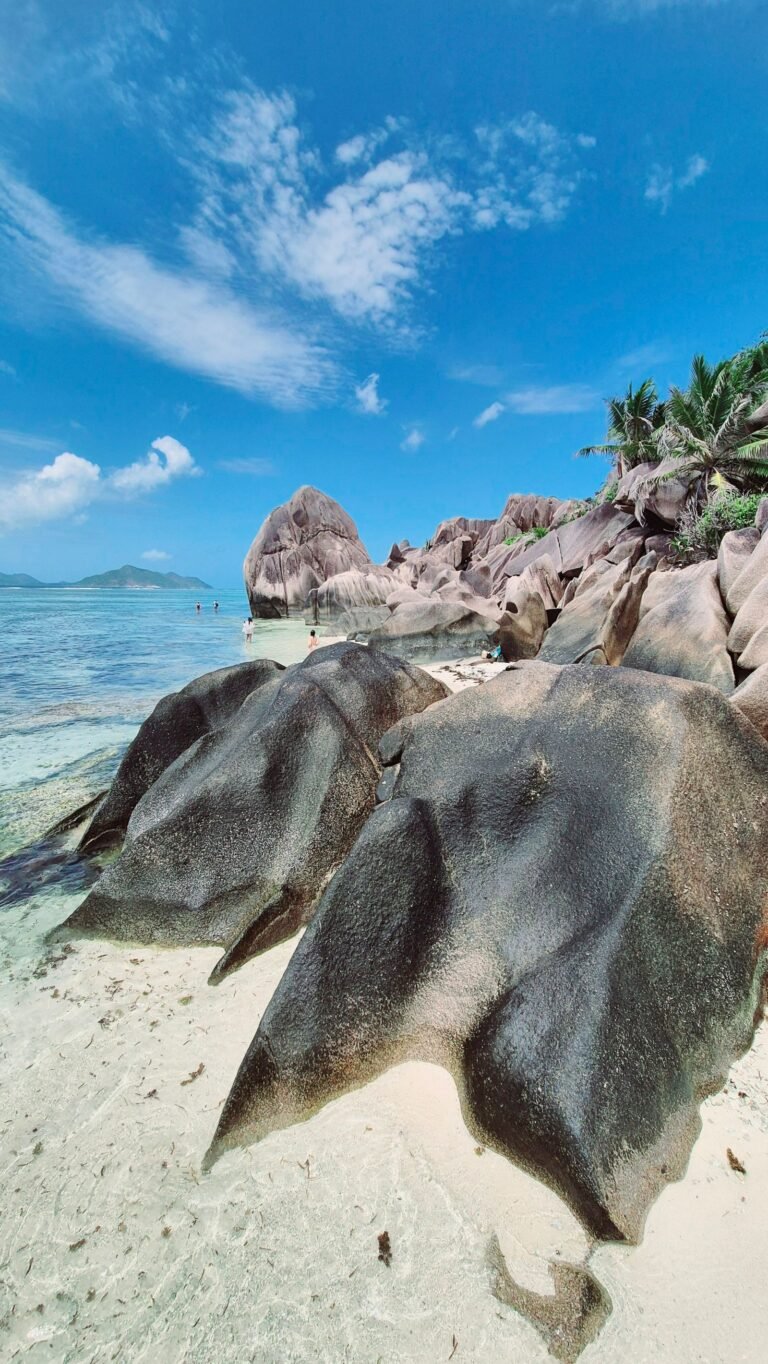
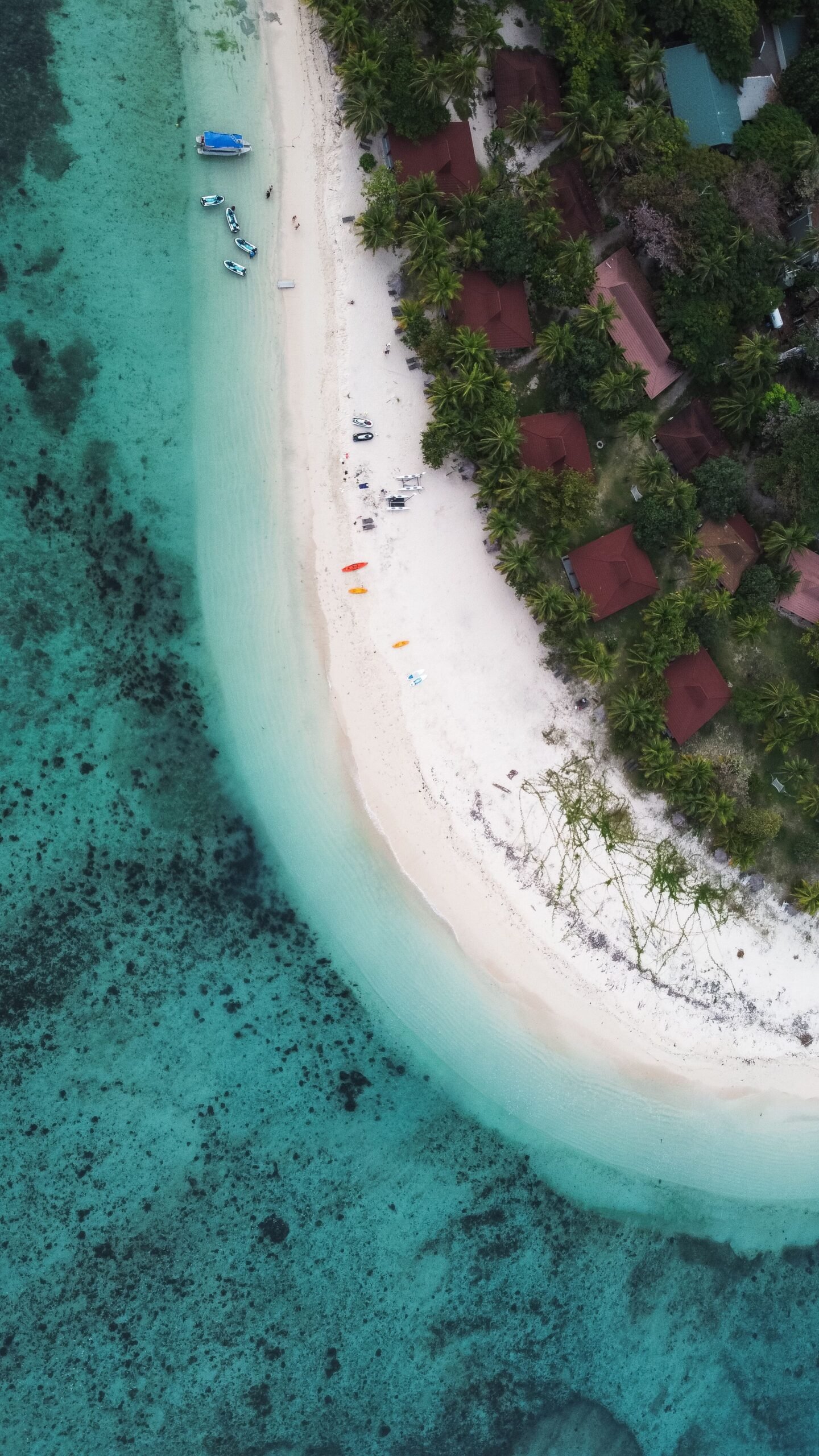
Fiji’s beaches are the reason many travellers come, and they rarely disappoint. The sand is fine and pale, the water is warm and clear, and the lagoons are protected by fringing reefs that keep the waves gentle close to shore. On the Mamanuca and Yasawa islands you can walk straight from your room onto the sand, swim in water that stays warm all year and watch the colours change as the sun moves across the sky. Natadola Beach on Viti Levu is one of the best mainland beaches, with a long curve of sand and good swimming, while the beaches of the Coral Coast are best at high tide when the reef is covered.
What makes Fiji’s lagoons special is how alive they are. Even a short swim from the beach can bring you over coral gardens, schools of small reef fish and the occasional turtle. At low tide, rock pools and sand flats appear, and at sunset the whole lagoon turns gold and pink. Take reef shoes for rocky entries, respect the tides, and remember that many beaches are beside villages, so a modest cover-up when you leave the water is appreciated.
Coral Reefs and Marine Life
Fiji is often called the soft coral capital of the world, and for good reason. The reefs here are rich in soft corals, hard corals, reef fish, turtles, rays and sharks. Snorkelling is excellent almost everywhere, and diving is world class. The Somosomo Strait between Taveuni and Vanua Levu is famous for its soft coral walls, the Beqa Lagoon off Viti Levu is known for shark diving, and the Great Astrolabe Reef off Kadavu is one of the largest barrier reefs in the world.
One of the most memorable wildlife encounters in Fiji is swimming with manta rays. Between May and October, manta rays gather in the channels of the Yasawa Islands, and several resorts run snorkelling trips to see them glide through the water. Reef sharks, turtles and dolphins are also common, and from July to October humpback whales pass through Fijian waters on their migration. If you snorkel or dive, choose reef-safe sunscreen, never stand on coral, and keep a respectful distance from wildlife. The reefs are fragile, and the way we treat them decides whether they stay healthy for the next generation of travellers.
Fijian Culture and Traditions
Fiji’s culture is one of its greatest attractions. Fijians are known for their warmth, and visitors are often welcomed with a smile, a song and a bowl of kava. Kava is the national drink, made from the root of the yaqona plant, and sharing it is an important social ritual. If you visit a village, you will usually take part in a sevusevu ceremony, in which you present a gift of kava to the village chief and ask permission to enter. Dress modestly for village visits, remove your hat, and avoid wearing sunglasses on your head in a village, as these are signs of respect.
Traditional Fijian life centres on the village, the church and the sea. Many villages hold a Sunday church service followed by a shared lunch, and visitors who are invited should dress smartly and behave quietly. Meke dancing, with its rhythmic chanting and graceful movements, tells stories of history and legend, while crafts such as tapa cloth, woven mats and carved wooden bowls make meaningful souvenirs. Food is part of the culture too: a lovo is a feast cooked in an earth oven, with meat, fish and root vegetables wrapped in leaves and slow-cooked over hot stones. Sharing a lovo with a Fijian family is one of the most memorable experiences a traveller can have.
Island Hopping: How to Get Around
Getting around Fiji is part of the adventure. Domestic flights connect Nadi and Suva with the outer islands, including Taveuni, Vanua Levu, Kadavu and the Lau group, and the short flights offer wonderful views of reefs and islands from the air. Seaplanes and helicopters serve some resort islands, and they are worth considering for a special arrival, though they cost more than boats.
By sea, the Yasawa Flyer catamaran runs daily from Port Denarau near Nadi up the Yasawa chain, dropping travellers at island resorts along the way, and several passes allow flexible hopping between islands. Smaller boats and resort transfers cover the Mamanucas, and ferries link Viti Levu with Vanua Levu and Taveuni. On the main island, buses are cheap and cheerful, rental cars give you freedom on the Coral Coast, and taxis are widely available in towns. Allow extra time for every transfer: Fiji runs on island time, and schedules can shift with the weather and the tides.
Best Time to Visit Fiji
The best time to visit Fiji is during the dry season, from May to October, when the days are sunny, the humidity is lower and the trade winds keep things comfortable. This is also the peak season, so resorts are busier and prices are higher, especially in July and August. The wet season runs from November to April, with warmer temperatures, higher humidity and afternoon downpours, and the cyclone season falls within these months. That said, the wet season still brings plenty of sunshine, the islands are at their greenest, and prices are often lower.
For diving and snorkelling, visibility is often best in the cooler months from May to October, and the manta ray season in the Yasawas runs from about May to October as well. Surfers will find the best waves on the Coral Coast and around Tavarua from March to October. Whale watching is best from July to October. Whenever you travel, pack for warm weather, sudden rain and strong sun, and check the forecast and any travel advice before you go.
Where to Stay and What to Eat
Fiji has places to stay for every budget. Luxury resorts on private islands offer overwater bures, spas and fine dining, while mid-range resorts on the Mamanuca and Yasawa islands offer beachfront bures, dormitories and family rooms. On Viti Levu you will find large hotels around Nadi and the Coral Coast, boutique stays in Suva, and guesthouses and homestays that give you a closer look at everyday Fijian life. Many island resorts include meals in their rates, so check what is covered before you book, and book island transfers at the same time as your room.
Fijian food is fresh, simple and delicious. Kokoda is raw fish marinated in coconut cream and lime, similar to ceviche, and it is a must-try. Lovo feasts, palusami (taro leaves cooked in coconut cream), cassava, taro, tropical fruit and freshly caught fish are staples, and Indian influence from Fiji’s Indo-Fijian community means excellent curries and roti are easy to find. Drink plenty of water, try the local tropical fruits at the markets, and save room for a kava ceremony in the evening.
Practical Tips for Visiting Fiji
A few practical tips will make your Fiji trip smoother. The currency is the Fijian dollar, and cash is useful on the outer islands, where card machines and ATMs can be scarce. Tipping is not expected in Fiji, though it is appreciated for good service. Pack reef-safe sunscreen, insect repellent, a light rain jacket and reef shoes, and bring any medicines you need, as pharmacies on small islands are limited. Tap water is generally safe in towns and resorts, but bottled water is widely available.
Respect local customs: ask before taking photographs of people, dress modestly in villages and churches, and remove your shoes when entering a home. Sundays are a day of rest in many villages, so plan for quieter services and fewer activities. Stay safe in the water by checking tides and currents, never swimming alone, and listening to local advice. Finally, buy travel insurance that covers medical evacuation, as serious medical care may require a flight to Suva or overseas.
Conclusion
Fiji is more than a beach destination. It is an archipelago of warm seas, living reefs, green islands and generous people, and it rewards travellers who slow down, island hop and take time to meet the locals. From the soft corals of the Somosomo Strait to the sunsets of the Yasawas, from a lovo feast in a village to a quiet morning on a Mamanuca beach, Fiji offers the kind of travel memories that stay with you long after the tan has faded. Use this guide to plan your route, pack your reef-safe sunscreen, learn a few words of Fijian, and go and see for yourself why so many travellers fall in love with these islands.
Frequently Asked Questions About Fiji
How many days do I need in Fiji?
Seven to ten days is a good length for a first trip, allowing two or three days on Viti Levu and four or five days island hopping in the Mamanucas or Yasawas. With five days you can still enjoy one island group well, and with two weeks you can add Taveuni or Vanua Levu.
What is the best time to visit Fiji?
The dry season from May to October usually brings the sunniest weather, the lowest humidity and the best underwater visibility. The wet season from November to April is warmer and wetter, with lower prices and greener islands.
Do I need a visa to visit Fiji?
Many nationalities, including visitors from Australia, New Zealand, the United States, Canada, the United Kingdom and most of Europe, can enter Fiji visa-free for up to four months. Check the current rules for your passport before you travel, as requirements can change.
Is Fiji expensive?
Fiji can be as affordable or as luxurious as you choose. Backpacker dorms and village stays are budget friendly, mid-range island resorts offer good value, and private island resorts are among the most expensive in the Pacific. Food, transport and activities are generally cheaper than in Australia or New Zealand.
Is Fiji good for families?
Yes, Fiji is one of the best family destinations in the Pacific. Children are welcomed everywhere, many resorts offer kids clubs and family bures, the lagoons are calm for swimming, and activities such as snorkelling, kayaking and village visits suit all ages.
Keep exploring island destinations with our guides to Palawan, the Philippines and Bora Bora, two more island paradises with warm lagoons, coral reefs and unforgettable beaches.