Fish River Canyon, Namibia: The Complete Guide to Hiking the Second Largest Canyon
Fish River Canyon, Namibia: The Complete Guide to Hiking the Second Largest Canyon
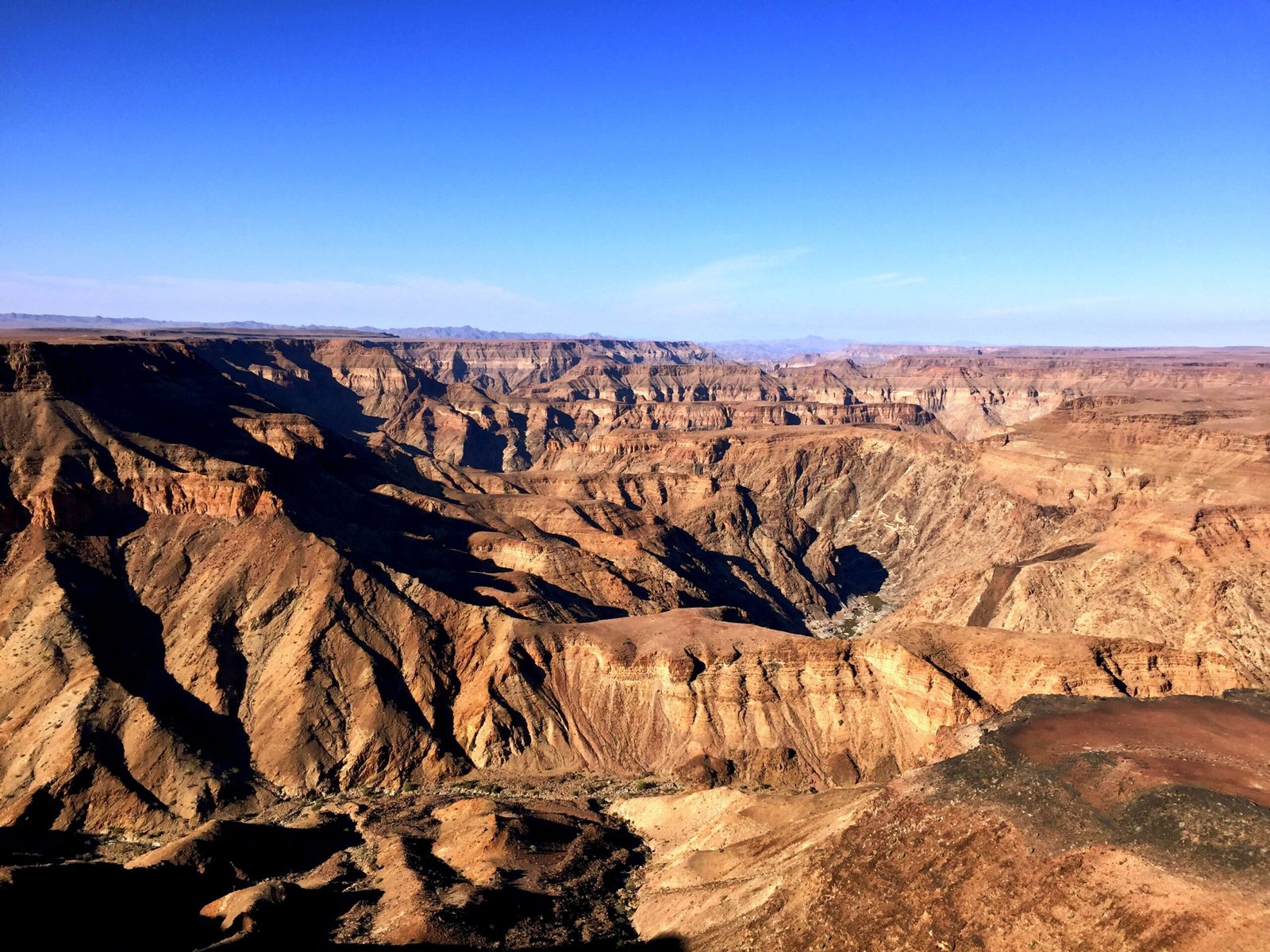
Fish River Canyon is the second largest canyon in the world, after the Grand Canyon, and it is one of the great wild places of Africa, a vast gorge of red rock that winds for 160 kilometres through the desert of southern Namibia. The canyon is up to 550 metres deep and 27 kilometres wide, and the Fish River, which carved it, flows through the bottom, with hot springs, rock pools and palm trees along its banks. Fish River Canyon is a place of silence and space, and it is one of the most dramatic landscapes in Namibia.
Fish River Canyon is not a canyon you drive through. There are almost no roads here, and the only way to see it properly is on foot, on the five day hike that follows the river from the viewpoint at Hobas to the hot springs at Ai Ais. Most visitors come for the hike, or for a day at the viewpoints, where the canyon opens out below you in a maze of red rock. This guide covers everything you need to plan a trip to Fish River Canyon, from how to get there to the best time to visit, the hike, the viewpoints and where to stay.
Why Fish River Canyon Belongs on Your List
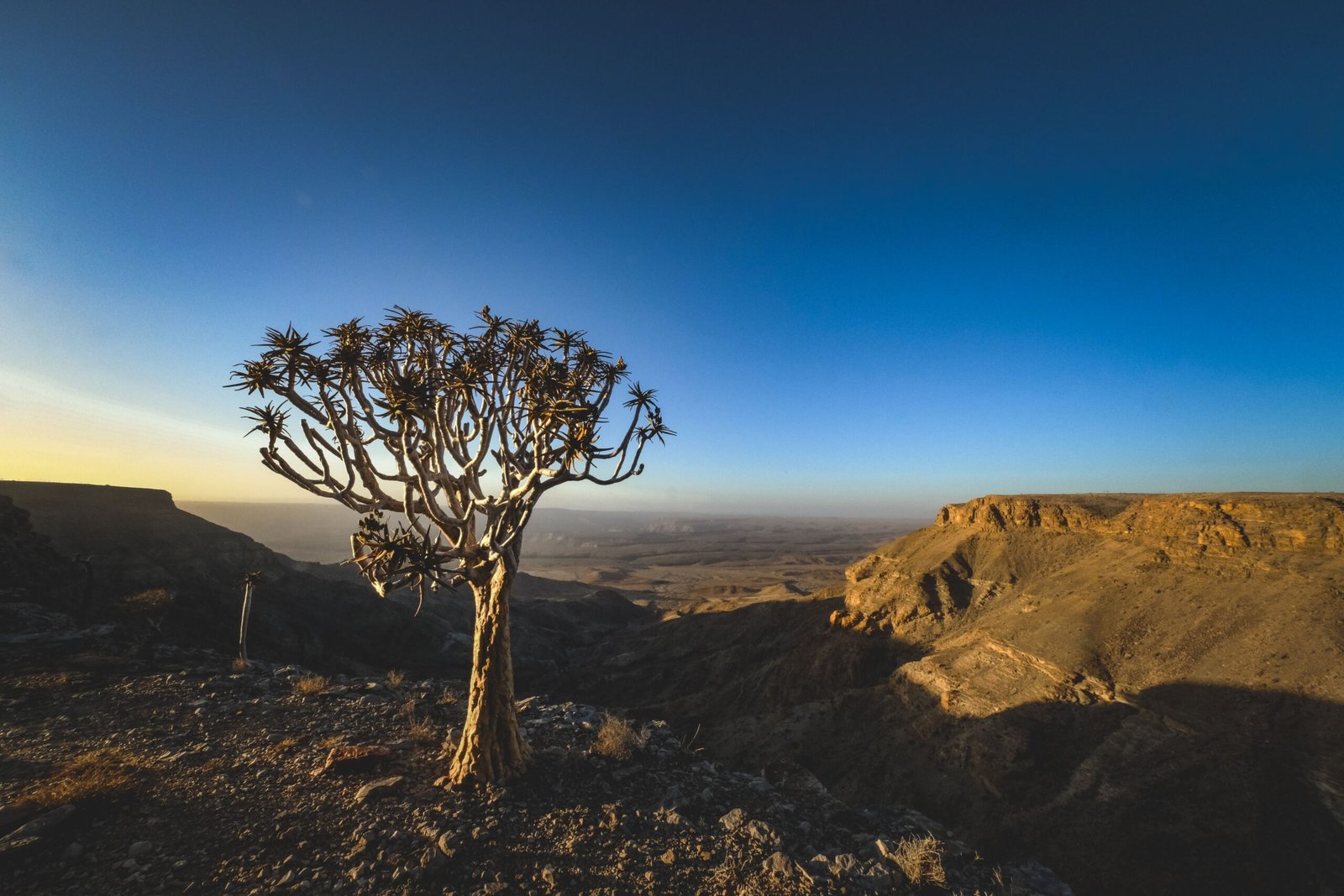
Fish River Canyon is a place of superlatives. It is the second largest canyon in the world, and the largest in Africa, and it is also one of the most remote, with no towns, no roads and no crowds, and a silence that is hard to find anywhere else. The canyon is a maze of red rock, with cliffs, spires and side canyons, and the river at the bottom is a ribbon of green, with palm trees and hot springs, and the contrast between the red rock and the green river is one of the most striking sights in Namibia.
What makes Fish River Canyon special is that it is a canyon for walkers, not for drivers. The five day hike through the canyon is one of the great hikes in the world, and it takes you through the heart of the canyon, past rock pools, hot springs and ancient rock art, and the sense of being in a vast and empty landscape, with only the river and the rock for company, is something that few other hikes can offer. Even if you do not hike, the viewpoints at the rim are worth the journey, and the sunset over the canyon is unforgettable.
Where Fish River Canyon Is and How to Get There
Fish River Canyon lies in the far south of Namibia, in the region of Karas, about 800 kilometres south of Windhoek, the capital, and close to the border with South Africa. The canyon is in the Ai Ais Richtersveld Transfrontier Park, and the main viewpoints are at Hobas, on the northern rim, and the hot springs at Ai Ais, at the southern end, and most visitors base themselves at one of these two places. The nearest town is Keetmanshoop, about 200 kilometres north of the canyon, and the nearest large town is Windhoek, a full day drive away.
Getting to Fish River Canyon takes time, and a car is essential. From Windhoek, it is about a nine to ten hour drive to Hobas, either by rental car or by tour, and the road is good, although the last part is on gravel. From Keetmanshoop, it is about a three hour drive to Hobas, and the road is good. Many visitors hire a car in Windhoek and drive south for a few days, stopping at the Kalahari and the Namib Desert on the way, and the canyon is a good place to end a southern Namibia trip.
The Best Time to Visit Fish River Canyon
The best time to visit Fish River Canyon is from May to September, when the weather is cooler, the skies are clear and the hiking season is open. The five day hike runs only in the winter months, from May to September, when the temperatures are lower and the river is at its lowest, and the lodges and camps are open. The days are warm and the nights are cold, and the light is at its best, with the sun low in the sky and the red rock glowing in the morning and the evening.
Summer, from October to April, is very hot, with temperatures over 40 degrees in the canyon, and the hike is closed, as the heat is dangerous and the river can flood after rain. The viewpoints are still open, and the canyon is beautiful in summer, although the heat makes it hard to walk far. For a first visit, and especially for the hike, the winter months, from May to September, are the best choice.
The Five Day Hike Through Fish River Canyon
The five day hike through Fish River Canyon is one of the great hikes in the world, and it is the reason most people come here. The hike starts at Hobas, on the northern rim, where you descend into the canyon on a steep path, and it follows the river for about 85 kilometres to the hot springs at Ai Ais, in the south. The hike takes four to five days, and you carry all your food and equipment, and you sleep on the sandbanks beside the river, under the stars, with no facilities and no one else around.
The hike is not easy. The days are hot, the terrain is rough, with boulders and sand, and you cross the river many times, so your boots will be wet for most of the hike. But the rewards are great, with rock pools to swim in, hot springs to soak in, and ancient rock art on the canyon walls. You must be fit, you must book in advance, and you must carry a doctor certificate, as the hike is only open in the winter months and the number of hikers is limited.
Viewpoints and Hot Springs
If you do not hike, the viewpoints at Hobas are still worth the journey. The main viewpoint looks out over the canyon from the northern rim, and the view is best in the morning and the evening, when the sun is low and the red rock glows. There is a short walk along the rim, with several viewpoints, and the canyon opens out below you in a maze of cliffs and side canyons. At the southern end, the hot springs at Ai Ais are a good place to soak after a hike, with warm mineral water and a swimming pool, and the palm trees around the springs are a welcome sight after days in the desert.
Where to Stay at Fish River Canyon
There are a few places to stay at Fish River Canyon, and they are simple but comfortable. At Hobas, on the northern rim, there is a camp with chalets and a campsite, and it is a good base for the viewpoints and for the start of the hike. At Ai Ais, at the southern end, there is a resort with chalets, a campsite and hot springs, and it is a good place to soak after a hike. If you prefer a hotel, Keetmanshoop, about 200 kilometres north, has a better range, from budget hotels to comfortable guesthouses.
Practical Tips for Visiting Fish River Canyon
Fish River Canyon is a remote desert, so come prepared. Bring plenty of water and food, as there are few shops outside Keetmanshoop and the camps at Hobas and Ai Ais have limited supplies. Pack sun protection and a warm layer, as the days are hot and the nights are cold, and wear sturdy boots with a good grip. If you are hiking, you must book in advance, carry a doctor certificate and be fit, and you must carry all your food and equipment, as there are no facilities in the canyon.
Frequently Asked Questions About Fish River Canyon
How do I get to Fish River Canyon from Windhoek? From Windhoek, it is about a nine to ten hour drive to Hobas, by rental car or by tour, and the road is good, although the last part is on gravel. From Keetmanshoop, it is about a three hour drive to Hobas. Many visitors hire a car in Windhoek and drive south for a few days.
What is the best time to visit Fish River Canyon? May to September is the best time, when the weather is cooler and the hiking season is open. The five day hike runs only in the winter months, from May to September. Summer, from October to April, is very hot, with temperatures over 40 degrees in the canyon, and the hike is closed.
How long is the Fish River Canyon hike? The hike is about 85 kilometres long, and it takes four to five days, from Hobas on the northern rim to the hot springs at Ai Ais in the south. You carry all your food and equipment, and you sleep on the sandbanks beside the river, under the stars, with no facilities in the canyon.
Do I need to book the Fish River Canyon hike in advance? Yes, you must book in advance, as the number of hikers is limited, and you must carry a doctor certificate, as the hike is only open in the winter months. Book through the Namibia Wildlife Resorts office, and allow plenty of time, as the hike is popular and the places fill up quickly.
Can I visit Fish River Canyon without hiking? Yes, the viewpoints at Hobas are open all year, and the view from the northern rim is best in the morning and the evening, when the sun is low and the red rock glows. There is a short walk along the rim, and the hot springs at Ai Ais are a good place to soak, even if you do not hike.
Conclusion: Fish River Canyon Awaits
Fish River Canyon is a place that rewards the traveller who is willing to go further, to leave the towns behind and to walk into a vast and empty landscape. The canyon itself is beautiful, but it is the hike that makes the trip, the rock pools, the hot springs, the ancient rock art and the silence. If you are planning a trip to Namibia, give Fish River Canyon four or five days, and you will come home with some of the best photographs and memories of your whole trip.
For more desert and canyon inspiration, read our guide to Namib Desert, the ancient sands of Namibia, and our guide to Blyde River Canyon, the scenic wonder of South Africa. Both are good companions to a Fish River Canyon trip, and they will help you plan the rest of your time in the wild.