
Great Bear Rainforest, Canada: The Complete Guide to Spirit Bears and the Wild Coast
Great Bear Rainforest, Canada: The Complete Guide to Spirit Bears and the Wild Coast
The Great Bear Rainforest is one of the largest temperate rainforests left on Earth, a vast wilderness of ancient cedars, salmon rivers and fjords that stretches along the central coast of British Columbia, in Canada. It is a place of rain and mist, of towering trees and clear rivers, and it is home to the Kermode bear, also called the spirit bear, a white black bear that is found nowhere else in the world. The rainforest covers about 6.4 million hectares, and it is one of the most important wild places in North America.
The Great Bear Rainforest is not a park you drive through. There are almost no roads here, and the only way in is by boat or by floatplane, from the towns of Bella Bella, Prince Rupert or Port Hardy. Most visitors stay in a wilderness lodge, where guides take them out each day to look for bears, whales and wolves, and to walk through the forest. This guide covers everything you need to plan a trip to the Great Bear Rainforest, from how to get there to the best time to visit, the spirit bears, the lodges and what to pack.
Why the Great Bear Rainforest Belongs on Your List
The Great Bear Rainforest is one of the last great wild places on Earth, and it is also one of the most important. It is the largest intact temperate rainforest in the world, and it is home to more wildlife than almost any other place in North America, with wolves, bears, whales, eagles and salmon, and trees that are more than 1,000 years old. The rainforest is a place of rain and mist, of rivers that run clear and cold, and of a silence that is hard to find anywhere else, and it is a place that changes the people who visit it.
What makes the Great Bear Rainforest special is that it is a place where nature is still in charge. There are no roads, no towns and no crowds, and the only way to see it is by boat or by floatplane, with a guide who knows the rivers and the tides. The spirit bear, the white Kermode bear, is the symbol of the rainforest, and seeing one fishing for salmon in a river is one of the great wildlife moments in the world, and it is a moment that few people ever experience.
Where the Great Bear Rainforest Is and How to Get There
The Great Bear Rainforest lies on the central coast of British Columbia, in Canada, between the towns of Prince Rupert in the north and Port Hardy in the south, and it stretches inland from the Pacific Ocean to the Coast Mountains. The rainforest covers about 6.4 million hectares, and it includes the islands of Haida Gwaii and the fjords of the mainland coast, and the main gateway towns are Bella Bella, Klemtu and Prince Rupert, and most visitors arrive by boat or by floatplane from one of these towns.
Getting to the Great Bear Rainforest takes planning, because there are almost no roads here. From Vancouver, it is a short flight to Prince Rupert or to Bella Bella, and from there a boat or a floatplane to your lodge. Most visitors book a package with a wilderness lodge, which includes the flights, the boat transfers, the guiding and the food, and the lodge will arrange everything for you. You can also travel by ferry from Port Hardy to Prince Rupert, although the ferry is slow and the rainforest is best seen from a small boat, not from a ferry.
The Best Time to Visit the Great Bear Rainforest
The best time to visit the Great Bear Rainforest is from September to October, when the salmon are running, the bears are fishing in the rivers and the forest is at its most alive. The spirit bears are most active in the autumn, when the salmon return to spawn, and the lodges run their bear viewing trips from late August to late October. The weather is cool and rainy, but the rain is part of the rainforest, and the mist makes the forest even more beautiful.
Summer, from June to August, is also a good time to visit, with warmer weather, longer days and good whale watching, although the bears are less active, as the salmon have not yet arrived. Spring, from May to June, is quiet, with fewer visitors and the forest in fresh green, although the lodges may not yet be open. Winter is not a time to visit, as the lodges are closed and the rainforest is cold and dark.
Spirit Bears and Wildlife of the Great Bear Rainforest
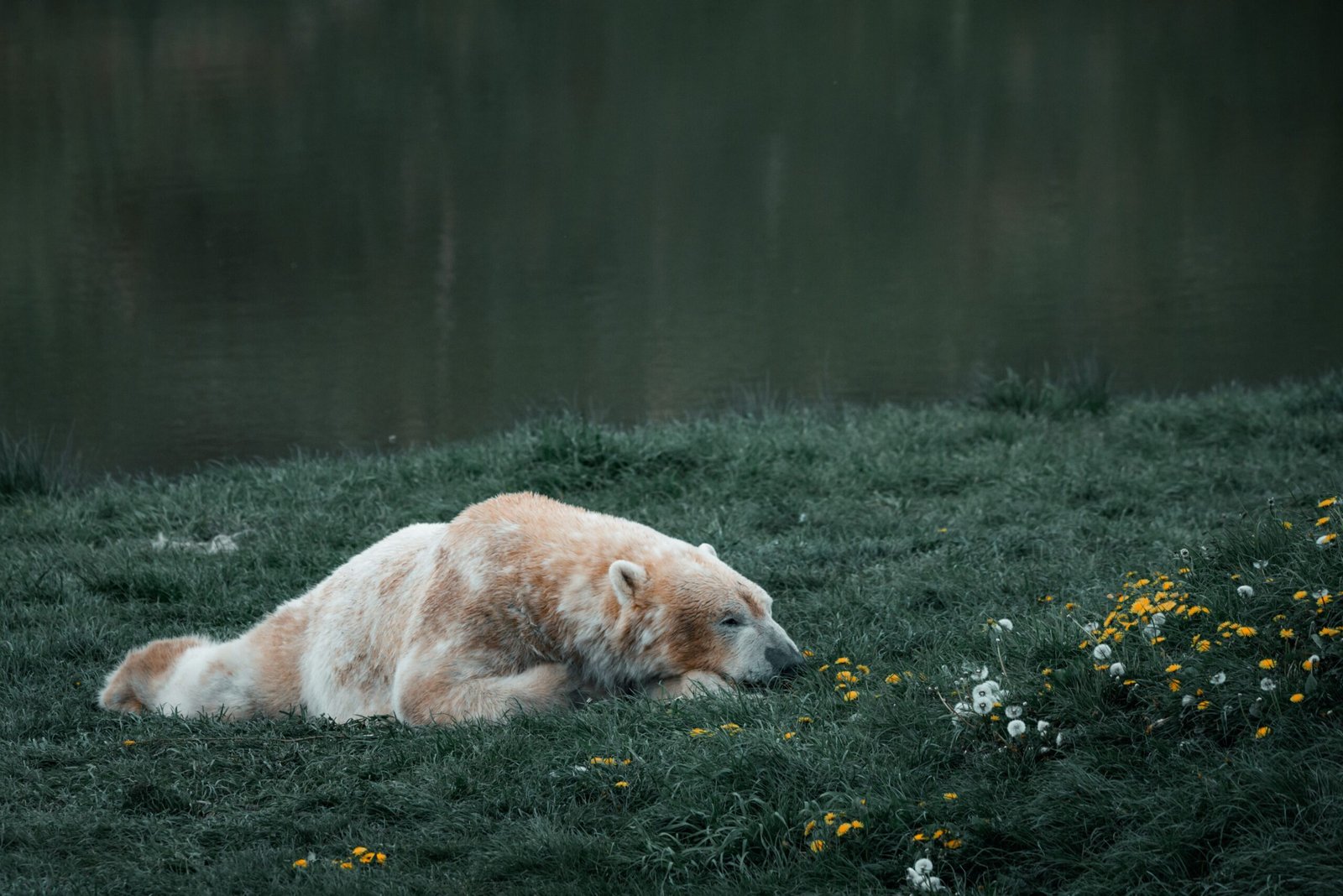
The spirit bear is the reason most people come to the Great Bear Rainforest. The Kermode bear is a black bear with a white coat, caused by a rare gene, and it is found only in the Great Bear Rainforest, in the valleys around Princess Royal Island and the mainland coast. The bears are most active in the autumn, when the salmon return to the rivers to spawn, and they fish in the shallow water, catching salmon with their paws and carrying them into the forest to eat. Seeing a white bear fishing in a river, with the forest behind it, is a moment you will never forget.
The rainforest is also home to coastal wolves, which swim between the islands and hunt on the beaches, and to grizzly bears, black bears, whales, sea lions and bald eagles. The rivers are full of salmon, and the forest is full of birds, and the lodges run guided trips to look for wildlife, with viewing platforms on the rivers where you can watch the bears without disturbing them. The best wildlife viewing is in the autumn, when the salmon are running and the bears are at their most active.
The Rainforest and the Coast
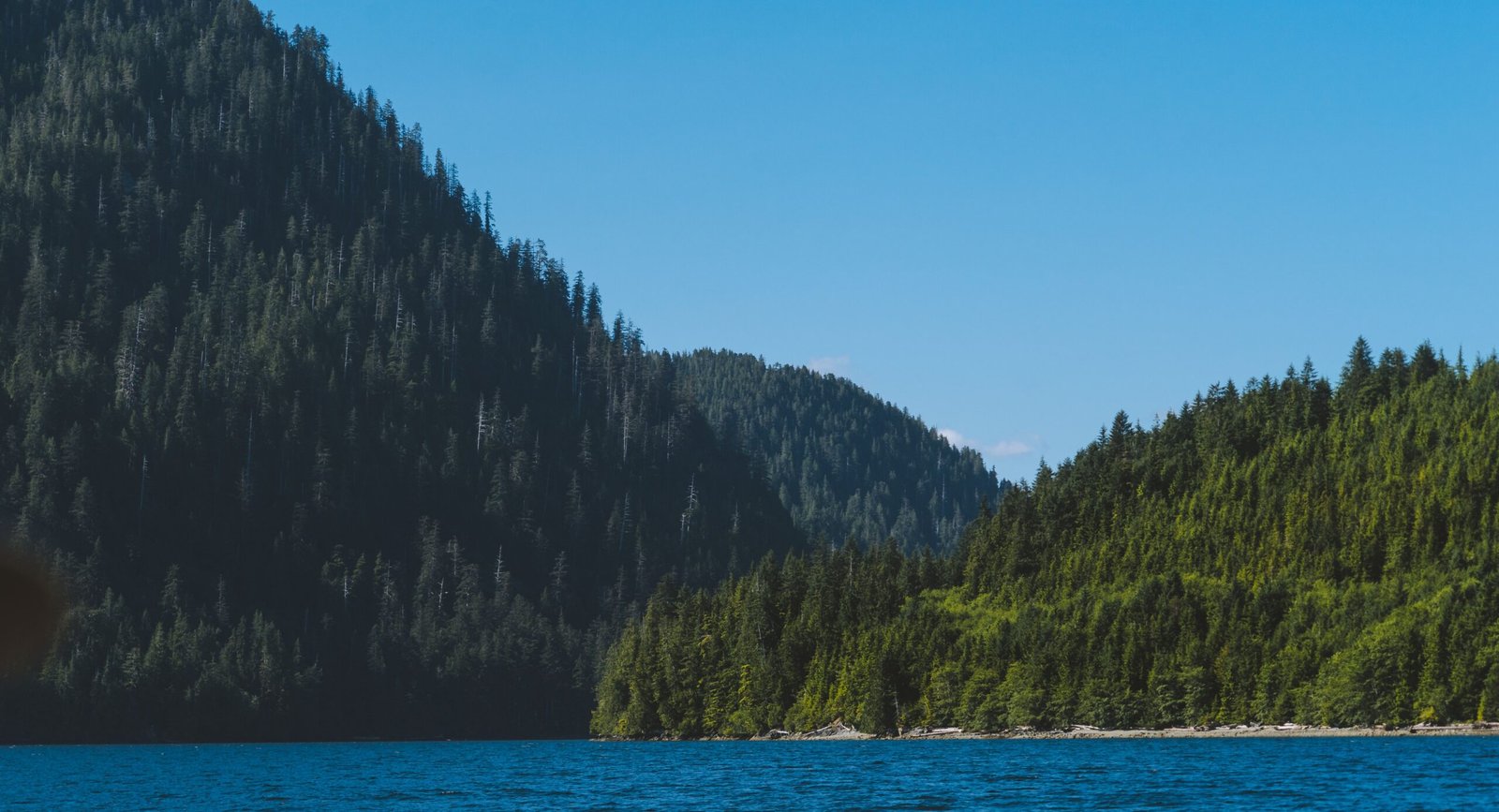
The Great Bear Rainforest is a temperate rainforest, which means it is a forest of the cool north, not of the tropics, and it is made of western red cedar, Sitka spruce and western hemlock, some of which are more than 1,000 years old and more than 90 metres tall. The forest floor is covered in moss and ferns, and the air is damp and clean, and the light that filters through the canopy is green and soft. The coast is a maze of fjords, islands and inlets, and the water is cold and clear, and the best way to see it is from a small boat, with a guide who knows the tides and the weather.
Where to Stay in the Great Bear Rainforest
Most visitors stay in a wilderness lodge, and the lodges are the heart of a Great Bear Rainforest trip. The lodges are small, with comfortable rooms, good food and expert guides, and they are reached by boat or by floatplane, and they include the guiding, the boat trips and the bear viewing in the price. The best known lodges are in the valleys around Princess Royal Island and the mainland coast, and they are run by local First Nations and by experienced wildlife guides. Book well in advance, as the lodges are small and the bear season is short.
Practical Tips for Visiting the Great Bear Rainforest
The Great Bear Rainforest is a remote wilderness, so come prepared. Pack waterproof clothing and waterproof boots, as it rains often, and a dry bag for your camera and phone. Bring binoculars for the wildlife, and a good zoom lens if you want to photograph the bears. The lodges provide the food and the guiding, but bring cash for tips and for the small shops in Bella Bella and Prince Rupert. Finally, follow your guide at all times, keep a safe distance from the bears and never approach wildlife on your own.
Salmon, Wolves and the Food Web
The Great Bear Rainforest runs on salmon. Each autumn, millions of salmon return from the Pacific to the rivers where they were born, and they bring with them nutrients from the ocean that feed the whole forest. Bears catch the fish and carry them into the trees, wolves patrol the riverbanks, and eagles and ravens gather in the shallows. When the salmon die after spawning, their bodies fertilise the soil, and the trees themselves grow faster where the salmon run, so the forest and the fish depend on each other.
Wolves are the other great predator of the rainforest, and they are most often seen along the beaches and estuaries at low tide, hunting for crabs, clams and the occasional deer. The coastal wolves here are distinct from the wolves of the interior, and they swim between islands and travel long distances along the shore. Seeing a wolf in the wild is rare and unforgettable, and the best chances come on guided trips in the autumn, when the salmon are running and the wildlife is most active along the rivers.
Frequently Asked Questions About the Great Bear Rainforest
How do I get to the Great Bear Rainforest? From Vancouver, it is a short flight to Prince Rupert or to Bella Bella, and from there a boat or a floatplane to your lodge. Most visitors book a package with a wilderness lodge, which includes the flights, the boat transfers, the guiding and the food.
What is the best time to visit the Great Bear Rainforest? September to October is the best time, when the salmon are running and the bears are fishing in the rivers. The spirit bears are most active in the autumn, and the lodges run their bear viewing trips from late August to late October.
What is a spirit bear? The spirit bear is the Kermode bear, a black bear with a white coat, caused by a rare gene, and it is found only in the Great Bear Rainforest. The white coat helps the bear to fish, as the salmon are less likely to see it against the bright sky.
How much does a trip to the Great Bear Rainforest cost? A trip to the Great Bear Rainforest is expensive, because the lodges are remote and the guiding is expert. A four to five day package, including flights, transfers, guiding and food, usually costs between 5,000 and 10,000 Canadian dollars per person. Book well in advance, as the lodges are small.
Can I visit the Great Bear Rainforest on my own? It is not recommended, as there are almost no roads, no towns and no public transport in the rainforest, and the wildlife is wild. Most visitors stay in a lodge with a guide, which is the safest and the best way to see the rainforest and the bears.
Conclusion: The Great Bear Rainforest Awaits
The Great Bear Rainforest is a place that rewards the traveller who is willing to go further, to leave the roads behind and to travel by boat and by floatplane into a wilderness that is still wild. The spirit bears, the salmon rivers, the ancient cedars and the quiet fjords are a reminder of what the world looked like before we changed it, and they are worth the journey. If you are planning a trip to Canada, give the Great Bear Rainforest four or five days, and you will come home with some of the best photographs and memories of your whole trip.
For more forest and wildlife inspiration, read our guide to Tongass National Forest, the wild frontier of Alaska, and our guide to Redwood National Park, the towering giants of California. Both are good companions to a Great Bear Rainforest trip, and they will help you plan the rest of your time in the wild.


