Lake Lucerne, Switzerland: The Complete Guide to Rigi, Pilatus and Alpine Lake Towns
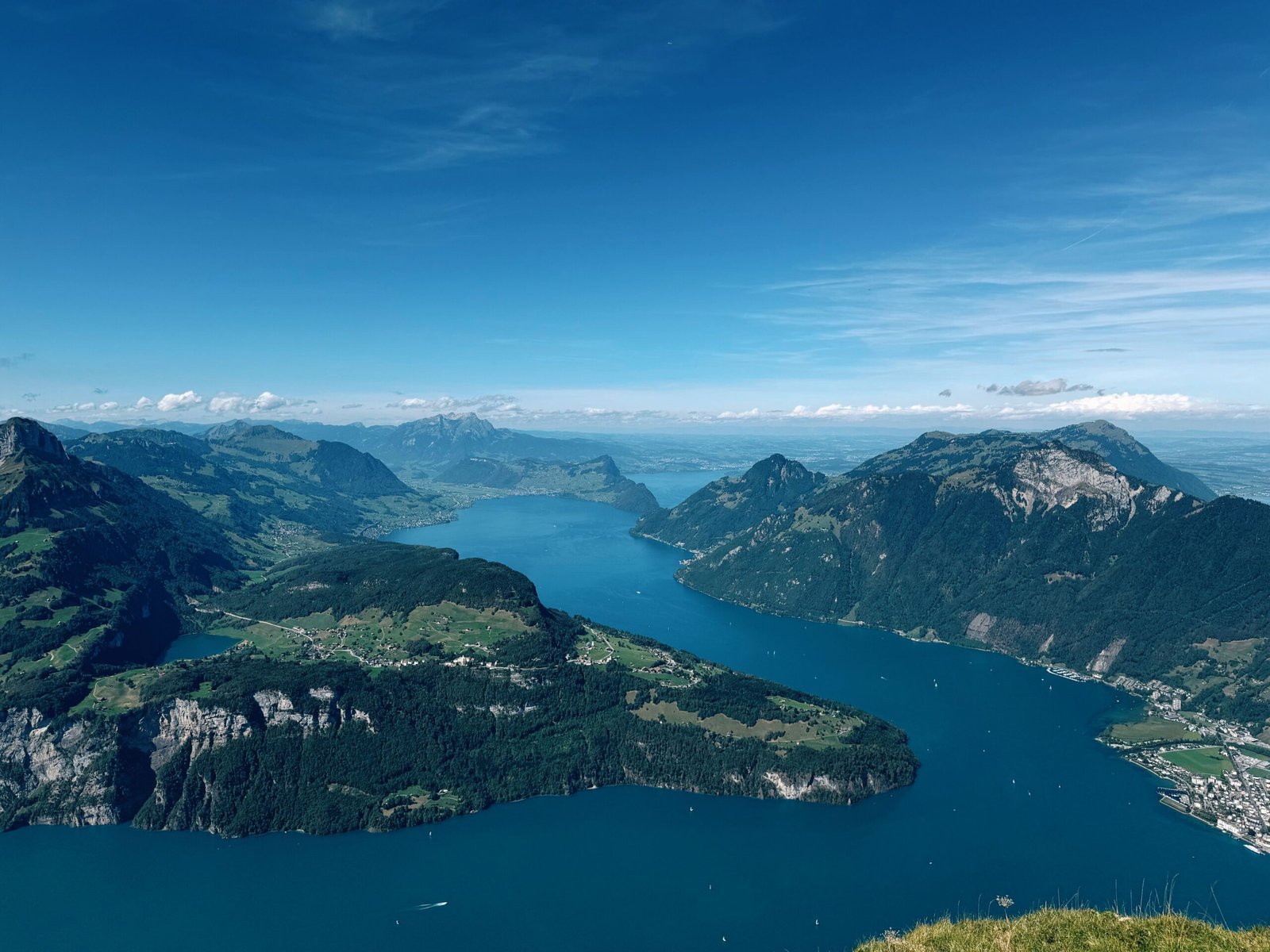
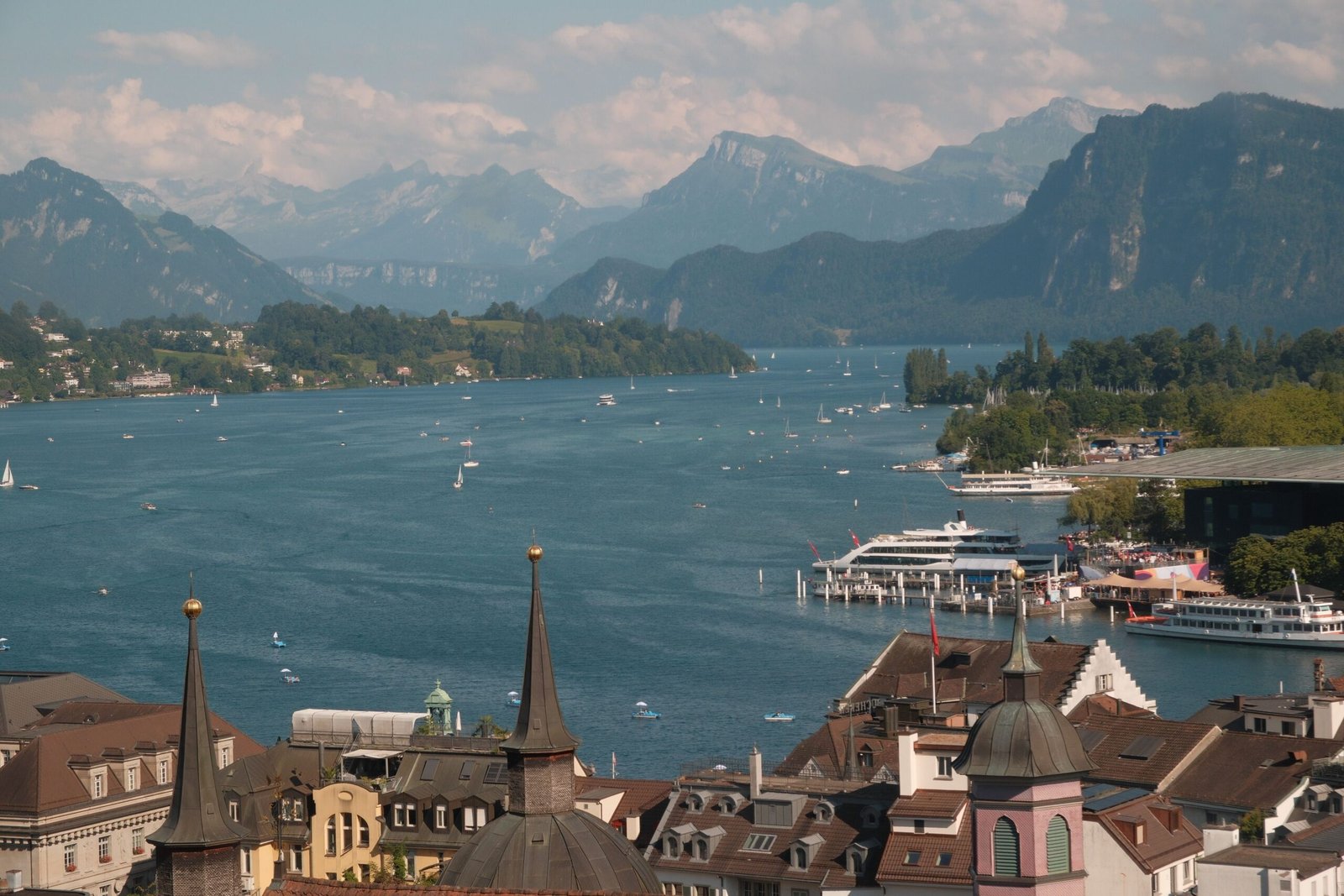
Lake Lucerne is one of the most beautiful lakes in Switzerland, and a visit to Lake Lucerne is a journey into the heart of the Swiss Alps. The lake is a maze of fjord like arms, surrounded by steep mountains, green meadows, small villages and historic towns, and its water changes colour with the light, from deep blue to emerald green. Paddle steamers cross the lake, cable cars climb to panoramic viewpoints, and walking trails link lakeside towns that have changed little in a hundred years. It is a place that rewards slow travel, early mornings and a willingness to look up.
What makes Lake Lucerne special is how much it offers in a compact area. You can cruise the lake in the morning, climb Mount Rigi or Mount Pilatus after lunch, and walk through the old town of Lucerne in the evening, all on the same day. The lake is also steeped in Swiss history, with the story of William Tell, the founding of the Swiss Confederation and the historic towns of the region. This guide covers the best cruises, mountains, towns and practical tips for a first visit to Lake Lucerne.
Where Is Lake Lucerne?
Lake Lucerne, known in German as Vierwaldstattersee, or the Lake of the Four Forest Cantons, lies in central Switzerland, surrounded by the cantons of Lucerne, Uri, Schwyz, Nidwalden and Obwalden. The lake is about 38 kilometres long, with a surface area of about 114 square kilometres, and it is shaped like a cross, with several arms reaching into the mountains. The city of Lucerne sits at the western end of the lake, where the Reuss River flows out, while the eastern arms reach towards Fluelen, Brunnen and the Gotthard region.
The lake is fed by the Reuss and several smaller rivers, and it is surrounded by mountains including Rigi, Pilatus, Stanserhorn, Burgenstock and the Mythen. The landscape is a mix of steep forested slopes, alpine meadows, cliffs and lakeside villages, and the water is clean, clear and cold, even in summer. The lake is easy to reach by train from Zurich, which takes about an hour, and from Bern, Basel and Milan, and it is a popular base for exploring central Switzerland. The region is well connected by trains, boats, buses and cable cars, so you can travel without a car.
Why Visit Lake Lucerne?
Lake Lucerne is famous for its scenery, and it deserves its reputation. The lake is one of the most photographed in Switzerland, with its deep blue water, its mountain backdrop and its historic paddle steamers. A cruise on the lake is the classic way to see it, with routes that range from short trips around Lucerne to full day journeys to Fluelen at the far end. The steamers are beautiful in themselves, with polished wood, brass fittings and open decks, and they stop at small villages that are otherwise hard to reach.
The mountains around the lake are just as important as the water. Mount Rigi, known as the Queen of the Mountains, offers panoramic views over the lake and the Alps, and it can be reached by cogwheel train from Vitznau or Arth Goldau. Mount Pilatus, with its jagged peaks and its famous cogwheel railway, is a more dramatic mountain, with views that stretch from the lake to the Bernese Alps. The Burgenstock, the Stanserhorn and the Mythen each offer a different perspective, and the walking trails around the lake are some of the best in Switzerland. For a first time visitor to Switzerland, Lake Lucerne is an ideal introduction to the country’s lakes, mountains and culture.
Cruising Lake Lucerne and the Paddle Steamers
A cruise is the best way to experience Lake Lucerne, and the lake has one of the largest fleets of paddle steamers in Europe. The steamers run regular services between Lucerne, Weggis, Vitznau, Beckenried, Brunnen and Fluelen, and they are part of the public transport system, so a Swiss Travel Pass or a regional pass covers the fare. The boats are comfortable, with restaurants, sun decks and panoramic windows, and the journey is slow and relaxing, with time to enjoy the scenery and to stop at villages along the way.
The most popular cruise is the full length journey from Lucerne to Fluelen, which takes about three hours and passes through the most dramatic part of the lake, with steep cliffs, the Tell Chapel and the Ruetli Meadow, where the Swiss Confederation was founded in 1291. Shorter cruises to Weggis and Vitznau are ideal for a morning or afternoon, and sunset cruises are available in summer. If you prefer a smaller boat, private boats and kayaks can be hired in Lucerne and Weggis, and swimming is popular in the summer, although the water is cold. Whatever cruise you choose, sit on the upper deck, bring a camera and allow time to simply watch the mountains pass by.
Mount Rigi, Mount Pilatus and the Best Viewpoints
Mount Rigi is the most popular mountain around Lake Lucerne, and it is easy to see why. The mountain rises to 1,797 metres, and its summit, Rigi Kulm, offers a 360 degree panorama over the lake, the Alps and the Swiss Plateau. The cogwheel trains from Vitznau and Arth Goldau climb through forest and meadow to the summit, and the journey itself is part of the experience. At the top, there are restaurants, walking trails and viewpoints, and on a clear day you can see more than 600 mountain peaks. Rigi is also known for its sunrises and sunsets, and many visitors stay overnight in a mountain hotel to see both.
Mount Pilatus is a wilder mountain, with a jagged ridge, steep cliffs and a famous cogwheel railway that climbs at a gradient of 48 percent, the steepest in the world. The railway runs from Alpnachstad, on the lake, to Pilatus Kulm, at 2,128 metres, and the views from the top are spectacular. Pilatus has a network of walking trails, including the Dragon Path, a cliff walk with views over the lake, and the summit is also reached by cable car from Kriens, near Lucerne. The Burgenstock, reached by funicular from Kehrsiten, offers a panoramic terrace and a cliff walk, while the Stanserhorn, reached by cable car from Stans, has a rotating restaurant and views over the lake and the Alps. Each mountain is different, so try to visit at least two if you have time.
Lucerne City, Weggis, Vitznau and the Lakeside Towns
The city of Lucerne is the gateway to the lake, and it is one of the most beautiful cities in Switzerland. Its old town is a maze of cobbled streets, painted houses, squares and fountains, and its landmarks include the Chapel Bridge, a wooden bridge with a water tower that dates from the 14th century, the Lion Monument, a carved lion that commemorates Swiss Guards who died in Paris, and the old town walls with their towers. The city has museums, galleries, restaurants and a lakeside promenade, and it is a good base for exploring the region.
Around the lake, the small towns each have their own character. Weggis, on the northern shore, is a sunny resort town with a lakeside promenade, gardens and views of Rigi, and it is known as the Riviera of central Switzerland. Vitznau, also on the northern shore, is the starting point for the Rigi cogwheel train and a quieter, more traditional town. Brunnen, on the southern shore, is a historic town with a lakeside promenade and views of the Mythen, while Fluelen, at the eastern end of the lake, is the starting point for the Gotthard route and a good base for hiking. Each town can be reached by boat, train or bus, and each is worth a stop.
William Tell, Swiss History and the Lake
Lake Lucerne is central to Swiss history, and the story of William Tell is woven into the landscape. According to legend, Tell was a crossbowman from Uri who refused to bow to a Habsburg bailiff and was forced to shoot an apple from his son’s head. He succeeded, and later he helped to lead the rebellion that founded the Swiss Confederation. The Tell Chapel, on the southern shore of the lake near Sisikon, marks the place where Tell is said to have leapt from a boat to escape his captors, and the Ruetli Meadow, on the western shore, is where representatives of Uri, Schwyz and Unterwalden are said to have sworn an oath in 1291.
Whether or not the legend is literally true, the lake and its surroundings are a powerful symbol of Swiss identity, and the historic sites are worth visiting. The Tell Chapel has frescoes depicting the legend, and the Ruetli Meadow is a peaceful place with views over the lake and the mountains. The Swiss Museum of Transport in Lucerne tells the story of Swiss transport, including the paddle steamers, the railways and the cable cars that have shaped the region. A visit to the lake is also a visit to the birthplace of Switzerland, and that history adds depth to the scenery.
Best Time to Visit Lake Lucerne
Lake Lucerne is beautiful in all seasons, but the best time to visit depends on what you want to do. Summer, from June to September, is the most popular time, with warm temperatures, long days, boat cruises, swimming and hiking. The lake is busy in summer, especially in July and August, so book accommodation in advance. Spring, from April to May, brings wildflowers, green meadows and fewer crowds, while autumn, from September to October, brings golden leaves, clear skies and the grape harvest in the region.
Winter, from December to February, is quieter and colder, with snow on the mountains, Christmas markets in Lucerne and winter hiking and skiing on Rigi and Pilatus. The boats run a reduced winter timetable, but the lake is still beautiful, especially when the mist hangs over the water and the mountains are covered in snow. For the best balance of weather, scenery and crowds, consider visiting in May, June, September or October, when the days are pleasant, the mountains are clear and the lake is less busy. Whatever season you choose, bring layers, because the weather in the mountains can change quickly.
How to Get to Lake Lucerne and Get Around
Lake Lucerne is easy to reach by train from Zurich, which takes about 50 minutes to Lucerne, and from Bern, Basel and Milan. The trains are frequent, comfortable and scenic, and Lucerne station is in the centre of the city, close to the lake and the old town. By car, the drive from Zurich takes about an hour, and the roads around the lake are good, although parking in Lucerne and the lakeside towns can be difficult and expensive. Most visitors find that they do not need a car, because the trains, boats, buses and cable cars cover the region well.
Getting around the lake is part of the experience. The paddle steamers and motor boats run regular services, and a Swiss Travel Pass or a Tell Pass covers trains, boats, buses and many cable cars in the region. The cogwheel trains to Rigi and Pilatus, the funicular to the Burgenstock and the cable cars to the Stanserhorn and the Mythen are all easy to reach by public transport. Walking is also a pleasure around the lake, with lakeside promenades, mountain trails and village paths. If you plan to use public transport a lot, buy a pass in advance, because it will save you money and time.
Where to Stay around Lake Lucerne
Lucerne city is the most convenient base for most visitors, with the widest choice of hotels, guesthouses, hostels and apartments, and easy access to the lake, the mountains and the trains. It is lively, beautiful and well connected, and it has plenty of restaurants and shops. Staying in the old town or near the lake gives you the best atmosphere, although it can be more expensive. For a quieter stay, consider Weggis, Vitznau or Brunnen, which are smaller, more relaxed and closer to the mountains and the boats.
For a special experience, consider staying on Mount Rigi or Mount Pilatus, in a mountain hotel with views over the lake and the Alps, or in a lakeside hotel in Weggis or Vitznau with a terrace and a garden. There are also farm stays, holiday apartments and campsites around the lake, and the region is popular with families, couples and solo travellers. Book well ahead for the summer, especially in July and August, and check whether your hotel includes a visitor card, which gives discounts on transport and attractions in the region.
Practical Tips for Visiting Lake Lucerne
Pack layers, because the weather in the mountains can change quickly, and bring a rain jacket, sturdy walking shoes, sun protection and a hat. The sun is strong at altitude, even on cloudy days, and the temperature can drop quickly when the sun goes down. Bring a camera, because the lake and the mountains are photogenic in all weathers, and bring cash, although cards are widely accepted in Switzerland. The Swiss franc is the currency, and prices are high by European standards, so budget accordingly.
Respect the mountains and the lake, stay on marked trails, do not swim alone in the lake, and follow the advice of local guides and the weather forecast. The lake is deep and cold, and the mountains can be dangerous in bad weather, so check conditions before you hike. Finally, slow down and enjoy the lake. Take a long cruise, sit on a terrace in Weggis, walk the old town of Lucerne in the evening and watch the light change on the mountains, and you will understand why Lake Lucerne has inspired travellers for centuries.
If you liked Lake Lucerne, you will also enjoy our guides to Lake Como and to Lake Bled.
Conclusion
Lake Lucerne is a lake that rewards slow travel and a willingness to look in every direction. Its water, its mountains, its steamers and its historic towns form a landscape that is both dramatic and peaceful, and its history adds a depth that goes beyond the scenery. Cruise the lake, climb Rigi and Pilatus, walk through Lucerne’s old town and visit the Tell Chapel, and you will understand why this lake has been a favourite of travellers for generations. Plan with the seasons in mind, use public transport, and leave time for the unexpected. Lake Lucerne is ready when you are.
Frequently Asked Questions
How do I get to Lake Lucerne from Zurich?
The train from Zurich to Lucerne takes about 50 minutes, with frequent direct services. Lucerne station is in the centre of the city, close to the lake, the old town and the boat piers.
What is the best cruise on Lake Lucerne?
The full length cruise from Lucerne to Fluelen is the most scenic, taking about three hours and passing the Tell Chapel, the Ruetli Meadow and the steepest part of the lake. Shorter cruises to Weggis and Vitznau are ideal for a morning or afternoon.
Can I visit Mount Rigi and Mount Pilatus in one day?
It is possible to visit both in one day, but it is a long day. Most visitors choose one mountain per day, to allow time for the journey, the views and a walk at the top. Rigi is gentler and more panoramic, while Pilatus is steeper and more dramatic.
Is Lake Lucerne good for swimming?
Yes, swimming is popular in summer, especially in the bays around Weggis, Vitznau and Lucerne, although the water is cold, even in July and August. There are public bathing areas, called badis, around the lake, with changing rooms and sunbathing areas.
Do I need a Swiss Travel Pass for Lake Lucerne?
A Swiss Travel Pass is good value if you plan to use trains, boats and buses a lot, because it covers most transport in the region, including the paddle steamers. A Tell Pass is a regional alternative that covers central Switzerland and can be better value for a shorter stay.