Jog Falls, India: Complete Guide to Karnataka’s Towering Waterfall and the Western Ghats
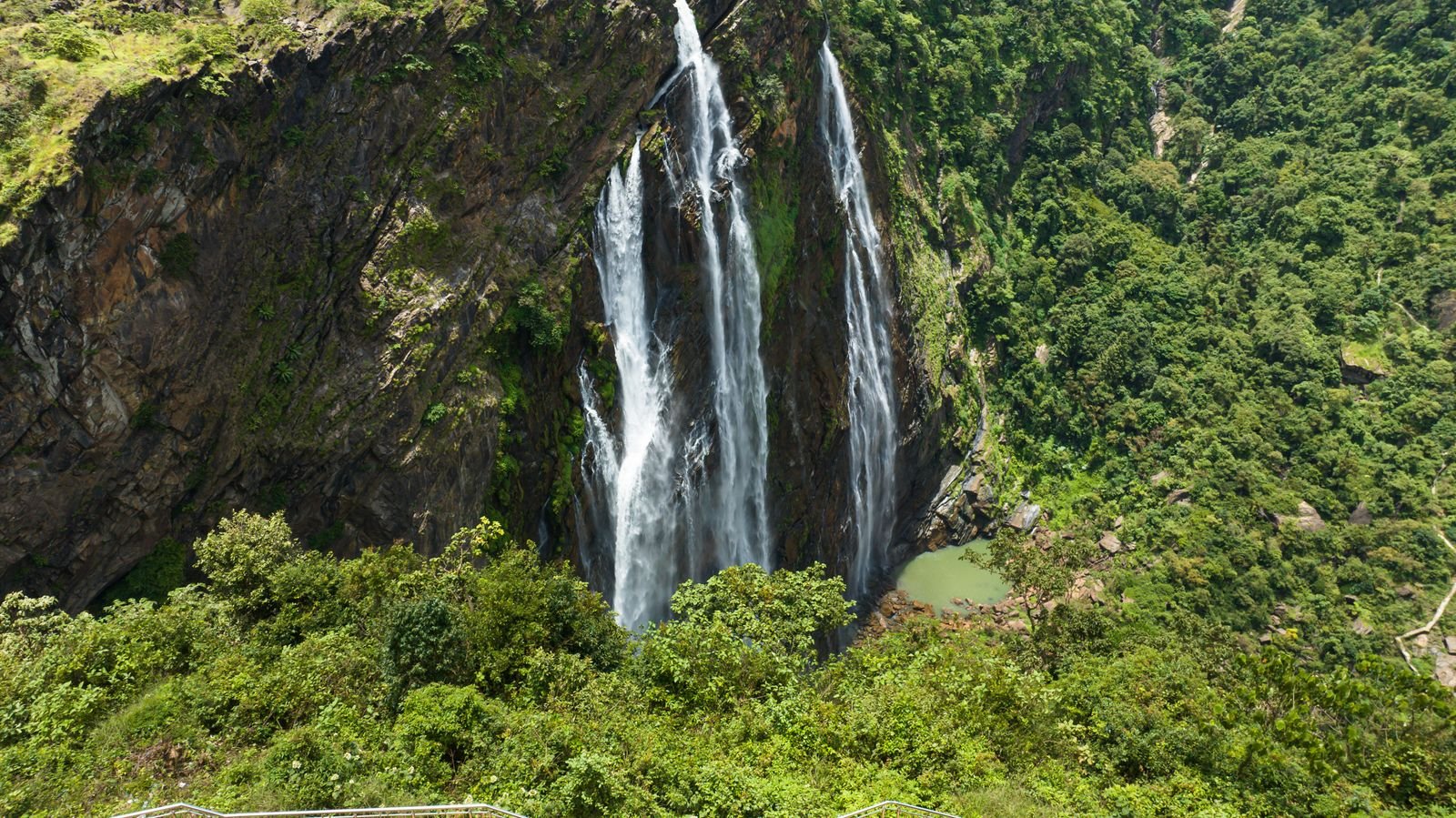
Jog Falls is one of the great waterfalls of India. In the monsoon, the Sharavati River plunges 253 metres into a deep, forested gorge in the Western Ghats of Karnataka, splitting into four streams that thunder down the cliff face. It is a sight that stops even seasoned travellers in their tracks.
This complete guide to Jog Falls covers the waterfall’s four streams, the best viewpoints, the best time to visit, how to get there and where to stay. Whether you want to see the falls at full monsoon power, walk the valley trails or explore the forests and dams of the Sharavati valley, Jog Falls is the perfect introduction to Karnataka’s wild side.
Where Is Jog Falls and Why Visit?
Jog Falls, also known as Jogada Gundi, lies in the Shivamogga district of Karnataka, in the Western Ghats of southern India. The falls are formed where the Sharavati River drops over a cliff into a deep gorge, and the nearest towns are Sagara, about 30 kilometres away, and Shivamogga, about 100 kilometres away.
At 253 metres, Jog Falls is the second-highest plunge waterfall in India, and in the monsoon it is one of the most powerful. The river splits into four named streams, Raja, Rani, Roarer and Rocket, each with its own character, and together they create a curtain of water that fills the whole gorge.
People visit Jog Falls for the drama of the monsoon and the beauty of the Western Ghats. The surrounding landscape is one of the world’s great biodiversity hotspots, a land of rainforests, spice gardens, rivers and dams, and the falls are its most spectacular feature.
What Makes Jog Falls Special?
Jog Falls is unusual because it is really four waterfalls in one. The Raja falls in a single unbroken column, the Rani flows gracefully over the rocks, the Roarer crashes down in a torrent of spray, and the Rocket shoots out from the cliff in a great arc. In full flow, the four streams merge into a single wall of water.
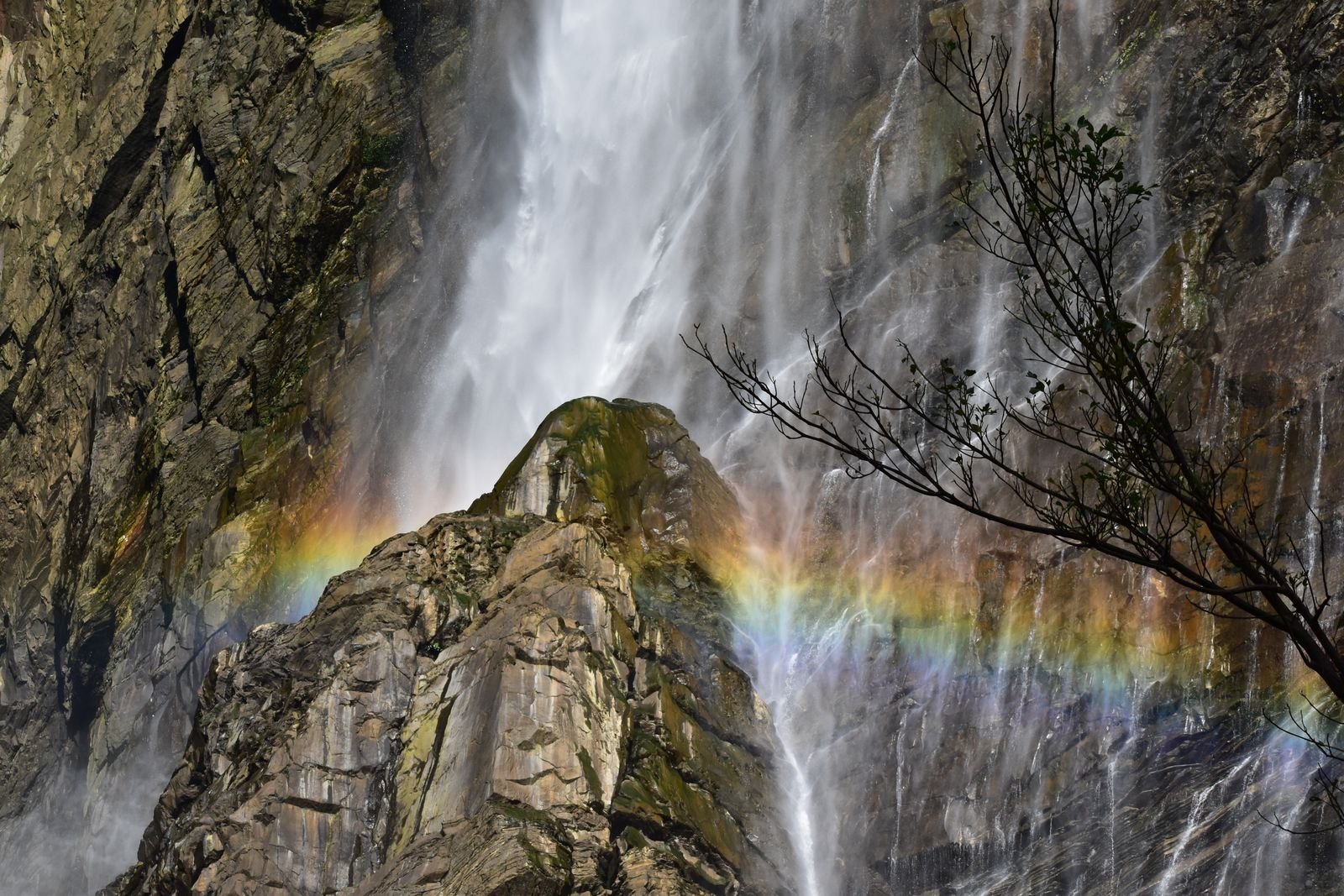
The falls are at their best in the monsoon, from July to September, when the Sharavati is swollen with rain and the gorge is filled with mist and rainbows. In the dry season, the river is held back by the Linganamakki Dam upstream, and the falls are quieter, though the gorge itself is still beautiful.
The Western Ghats around Jog Falls are a UNESCO World Heritage Site and one of the eight hottest biodiversity hotspots in the world. The forests here are home to lion-tailed macaques, great hornbills, Malabar pied hornbills and hundreds of species of plants found nowhere else on Earth.
Best Things to Do at Jog Falls
Start at the Watkins Platform, the main viewpoint, which looks directly across the gorge at the falls. Arrive early in the morning, when the light is soft and the crowds are thin, and take time to watch the rainbows that form in the spray below the falls.
Walk down the steps to the base of the falls, a steep descent of more than 1,400 steps that is only open in the dry season, when the river is low. The climb back up is demanding, but standing at the foot of the great cliff, with the falls thundering above you, is unforgettable.
Visit the British Bungalow viewpoint, a short walk from the main viewpoint, which offers a different angle on the falls and the gorge. The old bungalow, built by the British in the days of the Bombay-Karnataka railway, is a reminder of the falls’ long history as a tourist attraction.
Explore the Sharavati Valley around the falls. The Linganamakki Dam, which creates the huge reservoir upstream, has a viewpoint of its own, and the nearby towns of Sagara and Gersoppa offer temples, spice gardens and a glimpse of rural Karnataka life.
Best Time to Visit Jog Falls
The best time to visit Jog Falls is from July to September, during and just after the monsoon, when the falls are at their most powerful and the surrounding forests are at their greenest. August is usually the peak month, when all four streams are in full flow.
October to December is also a good time to visit, when the falls are still strong, the weather is pleasant and the crowds are smaller. From January to May, the falls are much reduced, but the gorge is still worth seeing, and the steps to the base are open.
Exploring the Western Ghats Around Jog Falls
The Sharavati Valley is a beautiful region to explore. The river flows through deep forests and past small villages, and the Linganamakki reservoir, one of the largest in Karnataka, offers boating and birdwatching, with ospreys, eagles and kingfishers common on the water.
Nearby, the Sharavathi Wildlife Sanctuary protects a large area of evergreen forest and is home to lion-tailed macaques, gaur, sambar deer and the great hornbill. The sanctuary’s trails and viewpoints are a good way to experience the Western Ghats’ wildlife.
For a longer trip, combine Jog Falls with the coastal temples of Gokarna, about three hours away, or with the hill station of Agumbe, famous for its sunsets, rainforests and king cobras. The Western Ghats reward travellers who take the time to explore them slowly.
How to Get to Jog Falls
Jog Falls is about 400 kilometres from Bengaluru, and the drive takes around eight hours through the Western Ghats. The nearest railway station is at Shivamogga, about 100 kilometres away, and buses run from Shivamogga and Sagara to the falls.
The nearest airports are at Mangaluru, about 200 kilometres away, and Hubballi, about 170 kilometres away. From either, you can hire a car or take a bus to Sagara and then to the falls. The Karnataka tourism portal has up-to-date travel and destination information at karnatakatourism.org.
A car gives you the most freedom in the region, especially for visiting the Linganamakki Dam, Agumbe and the coast. The roads through the Western Ghats are winding and can be slow in the monsoon, so allow extra time and drive carefully in the rain.
Where to Stay Near Jog Falls
The best place to stay is in Sagara, about 30 kilometres from the falls, which has hotels, guesthouses and restaurants. From Sagara, the falls are an easy day trip, and the town is a good base for exploring the Sharavati Valley.
There are also a few guesthouses and homestays near the falls themselves, including the government-run guesthouse at Jog, which has simple rooms with views of the gorge. Book well ahead in the monsoon season, when the falls are at their busiest.
Wildlife and Nature of Jog Falls
The forests around Jog Falls are part of the Western Ghats biodiversity hotspot, one of the richest regions on Earth for plants and animals. The evergreen forests are home to lion-tailed macaques, one of the world’s most endangered primates, and to the great hornbill, with its huge yellow bill.
Birdwatchers will find the Sharavati Valley rewarding. Malabar pied hornbills, Malabar trogons, crested serpent eagles and a host of smaller birds live in the forests, and the reservoir attracts water birds, including ospreys, cormorants and egrets.
The monsoon transforms the landscape. The forests turn a deep, luminous green, streams appear everywhere, and the air is full of the sound of water and the calls of frogs and birds. It is the best time to experience the Western Ghats at their most alive.
Practical Tips for Visiting Jog Falls
Visit in the monsoon if you want to see the falls at their best, but be prepared for heavy rain. Bring a waterproof jacket, waterproof bags for your camera and phone, and sturdy shoes with good grip, as the paths and steps can be very slippery.
Stay behind the safety barriers at the viewpoints. The gorge is deep, the rocks are slippery, and the spray makes the ground treacherous. The steps to the base of the falls are only open when the river is low, and they are closed in the monsoon for safety.
Carry cash, as ATMs are scarce near the falls, and mobile signal can be patchy in the valley. Food stalls near the viewpoint serve simple South Indian food, and the nearby towns have a wider choice of restaurants.
Finally, respect the forest. The Western Ghats are a fragile and precious ecosystem, so stay on the paths, take your rubbish with you, and do not disturb the wildlife. The falls and the forests will be here for future visitors only if we treat them with care.
More Waterfalls and Lakes to Explore
- Angel Falls: The World’s Highest Waterfall — Complete Guide, History, Nature and Travel Guide
- Niagara Falls: Complete Guide to North America’s Most Famous Waterfalls
Frequently Asked Questions About Jog Falls
How high is Jog Falls?
Jog Falls is 253 metres high, making it the second-highest plunge waterfall in India. The Sharavati River drops in a single great fall into a deep gorge, splitting into four streams on the way down.
What are the four streams of Jog Falls?
The four streams are Raja, Rani, Roarer and Rocket. Raja falls in a single column, Rani flows gracefully over the rocks, Roarer crashes down in spray, and Rocket shoots out from the cliff in an arc.
When is the best time to visit Jog Falls?
The best time to visit is from July to September, during and just after the monsoon, when the falls are at their most powerful. October to December is also good, with strong flow, pleasant weather and fewer crowds.
Can I walk to the bottom of Jog Falls?
Yes, in the dry season, when the river is low, you can walk down more than 1,400 steps to the base of the falls. The steps are closed in the monsoon, when the river is in full flow and the gorge is dangerous.
How do I get to Jog Falls from Bengaluru?
Jog Falls is about 400 kilometres from Bengaluru, an eight-hour drive through the Western Ghats. You can also take a train to Shivamogga and then a bus or taxi to the falls via Sagara.
Is Jog Falls worth visiting in the dry season?
The falls are much smaller in the dry season, but the gorge is still beautiful, and you can walk to the base. If you want to see the falls at their best, visit in the monsoon or just after it.
What else is there to see near Jog Falls?
The Linganamakki Dam and reservoir, the Sharavathi Wildlife Sanctuary, the hill station of Agumbe and the coastal temples of Gokarna are all within a few hours of Jog Falls, and they make excellent additions to a trip.
Conclusion
Jog Falls is a reminder of how powerful nature can be. In the monsoon, the Sharavati River drops 253 metres into a forested gorge in a thunder of water and spray, and the sight stays with you long after you have left the viewpoint.
Visit in the monsoon if you can, give yourself time to explore the Western Ghats around the falls, and treat the forest and the river with respect. Jog Falls is one of India’s great natural wonders, and it deserves a place on every nature lover’s list.
If you only remember one thing about Jog Falls, let it be this: the falls are at their best when the rain is falling and the river is full. Embrace the monsoon, bring a raincoat, and let the Western Ghats show you what water can do.
Whether you come for the thunder of the monsoon or the quiet of the dry season, Jog Falls is a place that rewards the journey. Pack a raincoat, bring your patience for the winding roads, and give the Western Ghats time to work their magic on you.
When you stand at the Watkins Platform in the monsoon rain, with the four streams of Jog Falls thundering into the gorge below, you will understand why this waterfall has drawn travellers for more than a century. It is a place of power, beauty and wildness, and it is waiting for you in the Western Ghats.