Sundarbans, India & Bangladesh: Complete Guide to Bengal Tigers, Mangrove Forests and River Safaris
The Sundarbans, India and Bangladesh, are the world’s largest mangrove forest, and they are home to the Bengal tiger, the largest tiger in the world. This complete guide to the Sundarbans explains how to explore the mangrove forests, take a river safari, see Bengal tigers and other wildlife, and plan a trip to this UNESCO World Heritage Site.
The Sundarbans cover about 10,000 square kilometres in the delta of the Ganges, Brahmaputra, and Meghna rivers, where the rivers meet the Bay of Bengal. The forest is a maze of rivers, creeks, and islands, with mangrove trees that grow in the salty water, and with a rich wildlife that includes tigers, crocodiles, dolphins, and many species of birds. The name Sundarbans means beautiful forest, and it comes from the Sundari tree, a mangrove tree that grows in the forest.
Why the Sundarbans Are So Special
The Sundarbans are special because they are the largest mangrove forest in the world, and because they are home to the Bengal tiger, which has adapted to life in the mangroves. The tigers here are strong swimmers, and they hunt in the water and on land, and they are known as the Royal Bengal tiger. The Sundarbans are also a UNESCO World Heritage Site, and a Ramsar Wetland of International Importance, because of their biodiversity and their importance for the environment.
The Sundarbans are also special because they protect the coast from cyclones and storms. The mangrove forest acts as a natural barrier, absorbing the energy of storms and protecting the people who live behind it. The forest also provides food, fuel, and income for millions of people, with fishing, honey collection, and tourism, and it is a vital part of the life of the region.
Wildlife in the Sundarbans includes more than 100 Bengal tigers, saltwater crocodiles, Gangetic dolphins, and many species of birds, including the masked finfoot, the brown-winged kingfisher, and the white-bellied sea eagle. The forest is also home to spotted deer, wild boar, and rhesus macaques, and to many species of fish and crabs in the rivers and creeks.
Bengal Tigers: The Royal Tigers of the Sundarbans
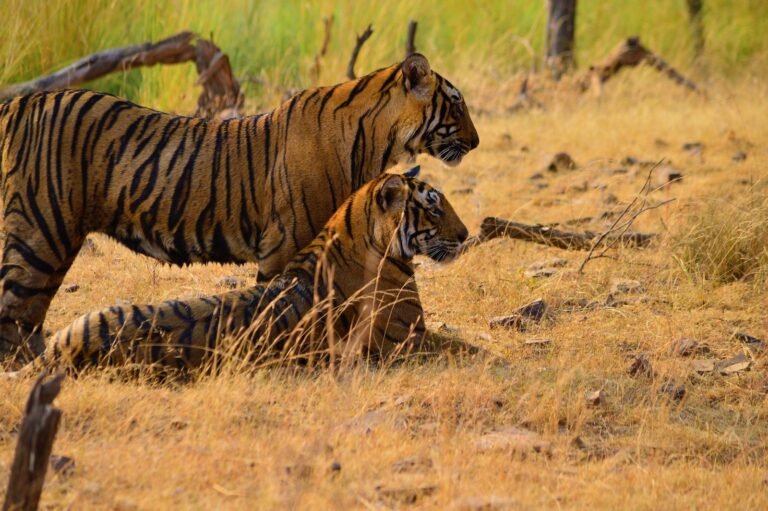
Bengal tigers are the stars of the Sundarbans, and they are one of the main reasons people visit. The tigers here are different from tigers in other parts of India, because they have adapted to the mangrove forest, and they are strong swimmers, often crossing rivers and creeks in search of food. The tigers are elusive, and seeing one is rare, but the chance to see one is what makes a river safari so exciting.
The best way to see tigers in the Sundarbans is on a river safari, with a boat that travels slowly through the creeks and rivers, with a guide who knows where tigers are likely to be. The guides look for paw prints, deer alarm calls, and other signs, and they know the tigers’ territories. Even if you do not see a tiger, the safari is wonderful, with mangroves, birds, crocodiles, and dolphins, and with the feeling of being in a wild, remote place.
Tigers in the Sundarbans are protected, and the forest is a tiger reserve, with patrols, research, and conservation work. Visitors should respect the tigers, keep a safe distance, and follow the guide’s instructions, because tigers are wild animals, and the Sundarbans are their home. The best time to see tigers is in the winter, when the weather is cool and dry, and the tigers are more active.
River Safaris: How to Explore the Sundarbans
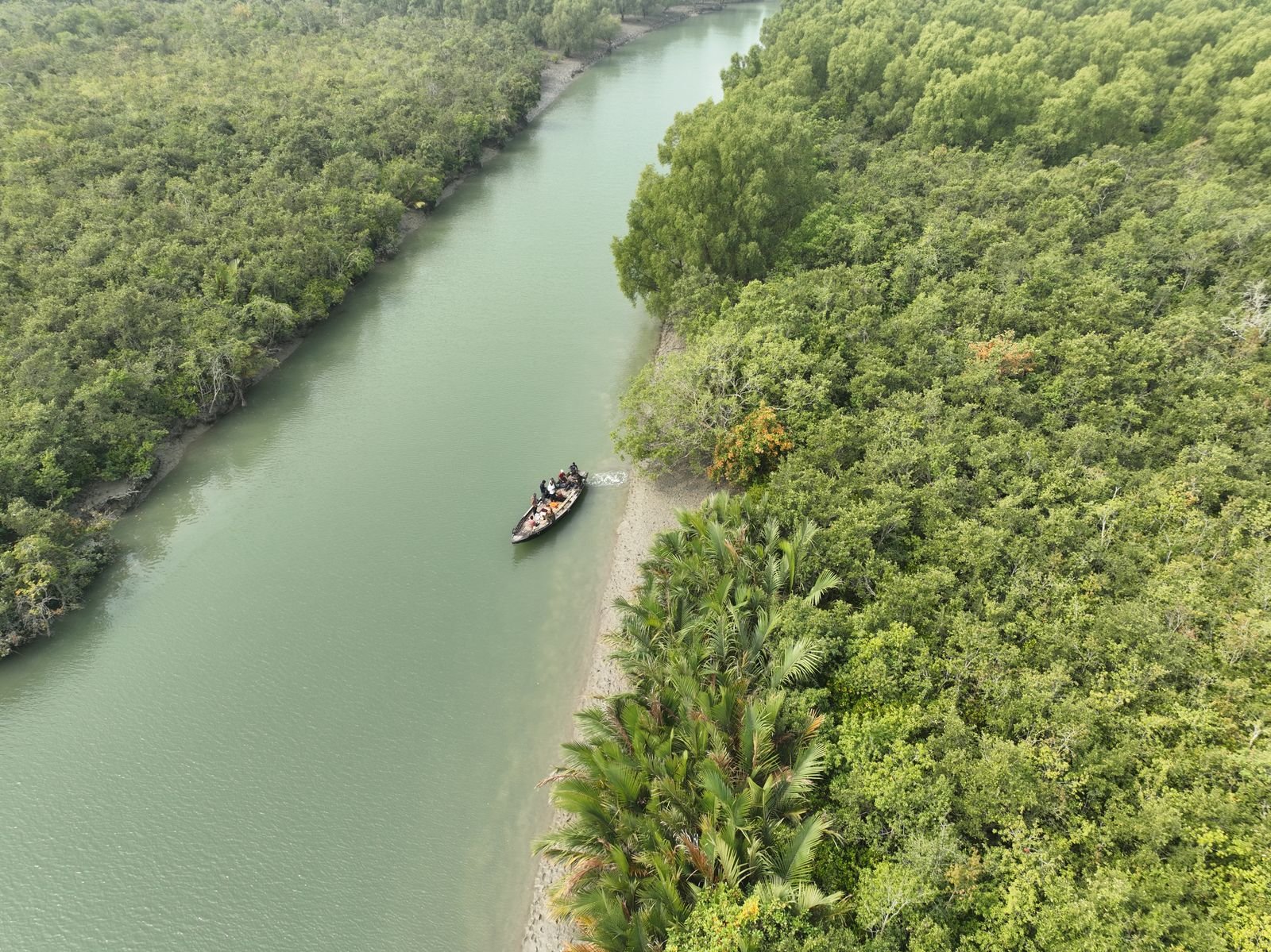
The best way to explore the Sundarbans is by boat, on a river safari that lasts from one to three days. The boats travel through the rivers and creeks, with a guide who knows the forest, the wildlife, and the tides. The safaris usually start from Khulna or Mongla in Bangladesh, or from Kolkata in India, with a bus to the Sundarbans, and then a boat into the forest.
On a river safari, you will see mangrove forests, with trees that grow in the water, and with roots that rise above the water at low tide. You will see birds, including kingfishers, herons, and eagles, and you may see crocodiles, dolphins, and deer. The guides will look for tiger signs, including paw prints, deer alarm calls, and fresh kills, and they will tell you about the forest, the wildlife, and the people who live in the Sundarbans.
The boats on a river safari are usually comfortable, with cabins, food, and a viewing deck, and they are a wonderful way to experience the Sundarbans. The best time for a safari is early morning, when the wildlife is most active, and when the light is soft. Book a safari with a reputable operator, and choose a small group, because smaller groups are quieter and more likely to see wildlife.
Mangrove Forests: The Trees That Grow in the Sea
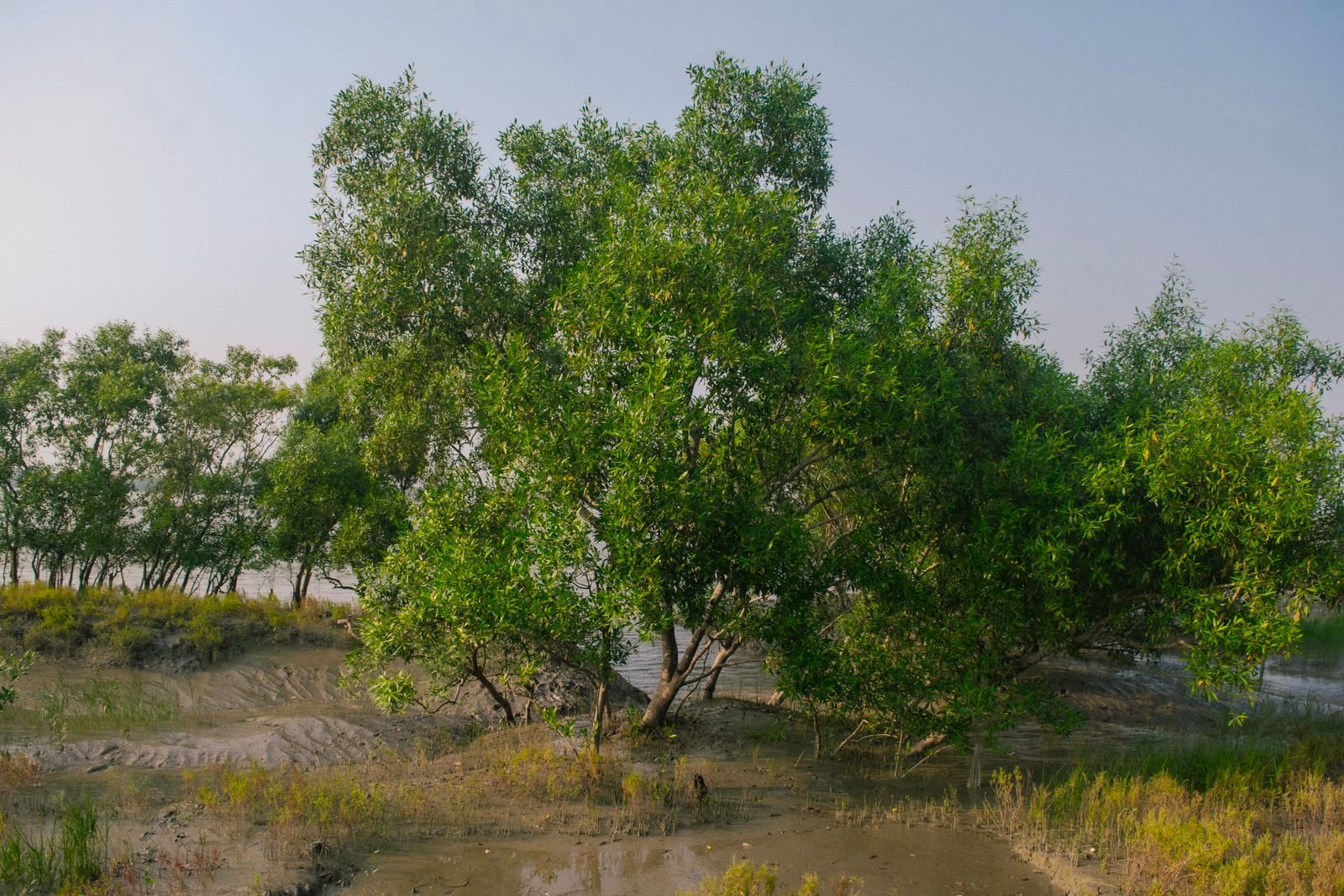
Mangrove forests are one of the most important ecosystems in the world, and the Sundarbans are the largest mangrove forest in the world. Mangrove trees grow in salty water, with roots that filter salt, and with leaves that are adapted to the salt. The trees provide a habitat for fish, crabs, and other animals, and they protect the coast from storms.
The Sundari tree, after which the Sundarbans are named, is a mangrove tree that grows in the forest, with a straight trunk and a canopy that provides shade. Other mangrove trees in the Sundarbans include the Gewa, the Goran, and the Keora, each with its own shape and colour. The forest is a maze of trees, with roots, branches, and leaves that create a green canopy over the water.
Mangrove forests are also important for the climate, because they store carbon in the soil and in the trees, and they help to reduce the effects of climate change. The Sundarbans store a large amount of carbon, and they are a vital part of the world’s efforts to fight climate change. Visitors should respect the mangroves, never cut trees, and support conservation work in the forest.
Wildlife Beyond Tigers: Crocodiles, Dolphins and Birds
Beyond tigers, the Sundarbans are home to saltwater crocodiles, which are the largest reptiles in the world, and which can be seen basking on the banks of the rivers. The crocodiles are shy and hard to see, but they are a reminder of the wildness of the Sundarbans. The forest is also home to Gangetic dolphins, which are freshwater dolphins that live in the rivers, and which can be seen surfacing in the water.
Birds are another highlight of the Sundarbans, with more than 300 species, including the masked finfoot, the brown-winged kingfisher, the white-bellied sea eagle, and the lesser adjutant stork. The best time for birdwatching is in the winter, when migratory birds arrive from the north, and when the weather is cool and dry. Bring binoculars, wear quiet clothes, and walk slowly, because the birds are shy and easily disturbed.
When to Visit the Sundarbans and How to Get There
The best time to visit the Sundarbans is the winter, from November to February, when the weather is cool and dry, the sky is clear, and the wildlife is most active. The summer, from March to May, is hot and humid, with temperatures reaching 40 degrees Celsius, while the monsoon, from June to October, brings heavy rain, strong winds, and rough water, and many safaris do not run.
Most visitors reach the Sundarbans from Kolkata in India or from Khulna in Bangladesh, with a bus to the Sundarbans, and then a boat into the forest. From Kolkata, the journey to the Sundarbans takes about three hours by bus, and then a boat into the forest. From Khulna, the journey takes about two hours by bus, and then a boat into the forest. Book a safari in advance, and choose a reputable operator, because the Sundarbans are remote and the safaris are limited.
People, Culture and Life in the Sundarbans
Millions of people live in and around the Sundarbans, with fishing, farming, and honey collection as their main livelihoods. The people of the Sundarbans have a close relationship with the forest, and they depend on it for food, fuel, and income, but they also face risks from tigers, crocodiles, and cyclones. The honey collectors, or Mowalis, are famous for their work in the forest, collecting honey from wild bees in the mangroves.
The culture of the Sundarbans is a mix of Hindu and Muslim traditions, with festivals, music, and food that reflect the region’s history. The Sundarbans are also home to the Bonbibi, a goddess who protects people from tigers, and who is worshipped by both Hindus and Muslims in the region. Visitors should respect local customs, dress modestly, and support local guides and communities.
Forests and wildlife are a theme that runs through many of the world’s great destinations, and the Sundarbans’ mangrove tigers will remind you of other wild places. For another great forest, see our guide to the Amazon Rainforest, the world’s largest tropical rainforest, with a very different scale and climate to the mangrove forest of the Sundarbans.
Practical Tips for Visiting the Sundarbans
Book a river safari in advance, especially in winter, and choose a reputable operator with a small group. Bring binoculars, a hat, sunscreen, insect repellent, and a waterproof bag for your camera and phone. The Sundarbans are remote, with limited mobile signal and limited medical facilities, so bring any medicines you need, and follow your guide’s instructions at all times.
For another wild wetland destination, see our guide to the Okavango Delta in Botswana, a wild inland delta with elephants, lions, and hippos, and with a very different landscape and wildlife to the Sundarbans.
Frequently Asked Questions About the Sundarbans
Where are the Sundarbans? The Sundarbans are a mangrove forest in the delta of the Ganges, Brahmaputra, and Meghna rivers, in India and Bangladesh, where the rivers meet the Bay of Bengal. The forest covers about 10,000 square kilometres.
What is the best time to visit the Sundarbans? The winter, from November to February, is best, with cool, dry weather and active wildlife. Summer is hot and humid, while the monsoon, from June to October, brings heavy rain and rough water.
Can you see Bengal tigers in the Sundarbans? Yes, but seeing a tiger is rare, because the tigers are elusive and the forest is dense. The best way to see tigers is on a river safari, with a guide who knows where tigers are likely to be.
How many days do I need in the Sundarbans? Two to three days is a good minimum for a river safari, with one day to travel to the forest, and one or two days on the boat. Longer safaris offer a better chance to see wildlife.
Conclusion
The Sundarbans, India and Bangladesh, are a place where the forest, the rivers, and the wildlife come together in a way that is hard to find anywhere else. From the Bengal tigers to the mangrove forests, from the river safaris to the birds and crocodiles, the Sundarbans offer a different kind of beauty every day. Plan carefully, book a safari in advance, travel in winter, and give yourself time to watch, listen, and enjoy the forest. The Sundarbans are not a place to rush, and the travellers who take them slowly are the ones who understand why this forest has been protected for so long.