Sinharaja Forest Reserve, Sri Lanka: The Complete Guide to Rainforest Birds and Endemic Wildlife
Sinharaja Forest Reserve, Sri Lanka: The Complete Guide to Rainforest Birds and Endemic Wildlife
Sinharaja Forest Reserve is the last large area of primary rainforest left in Sri Lanka, a UNESCO World Heritage Site and a place of extraordinary wildlife, with birds, butterflies, frogs and trees that are found nowhere else in the world. The forest covers about 11,000 hectares in the southwest of the island, and it is a place of rain and mist, of tall trees and clear streams, and of a silence broken only by the calls of birds. Sinharaja is one of the best places in Asia to see rainforest birds, and it is a place that every nature lover should visit.
Sinharaja is not a forest you drive through. There are no roads here, and the only way in is on foot, with a guide, from the villages of Kudawa or Pitadeniya. Most visitors come for a day, walking the trails with a guide who knows the birds and the trees, and listening for the mixed feeding flocks that move through the forest. This guide covers everything you need to plan a trip to Sinharaja Forest Reserve, from how to get there to the best time to visit, the birds, the trails and where to stay.
Why Sinharaja Forest Reserve Belongs on Your List
Sinharaja is a forest that should not exist, and that is what makes it so special. Sri Lanka has lost most of its rainforest, but Sinharaja survives, a small island of ancient forest in a sea of tea plantations and villages, and it is home to more endemic species than almost any other forest of its size in the world. More than half of the trees, and many of the birds, butterflies and frogs, are found nowhere else, and the forest is a living museum of evolution, where species have evolved in isolation for millions of years.
What makes Sinharaja special is that it is a forest for walkers and for birdwatchers, not for drivers. There are no roads, no jeeps and no crowds, and the only way to see it is on foot, with a guide, walking slowly through the trees and listening for the birds. The mixed feeding flocks, where many species of birds travel together through the forest, are one of the great sights of Sinharaja, and seeing a flock move through the canopy, with the calls of the birds all around you, is a moment you will never forget.
Where Sinharaja Forest Reserve Is and How to Get There
Sinharaja Forest Reserve lies in the southwest of Sri Lanka, about 150 kilometres southeast of Colombo, in the districts of Galle, Matara and Ratnapura. The forest covers about 11,000 hectares, and the main entrances are at Kudawa, on the northwest side, and at Pitadeniya, on the south side, and both are small villages with guesthouses and guides. The nearest large town is Galle, on the south coast, about two hours away by car, and the nearest town to the forest is Deniyaya, about 30 minutes away.
Getting to Sinharaja is straightforward. From Colombo, it is about a three to four hour drive to Deniyaya, either by bus or by private car, and the road winds through the hills and past tea plantations and villages. From Deniyaya, it is another 30 minutes by car or by tuk tuk to Kudawa, the main entrance, and the road is good, although it is narrow and winding. Most visitors hire a car and driver in Colombo for two or three days, which gives them the freedom to stop at the viewpoints and villages along the way, and to visit Galle and the south coast on the same trip.
The Best Time to Visit Sinharaja Forest Reserve
The best time to visit Sinharaja Forest Reserve is from December to April, when the weather is drier, the trails are less muddy and the birds are at their most active. The dry season is also the best time for the mixed feeding flocks, which move through the forest in the morning, and for the butterflies, which are most numerous after the rains. The forest is green all year, but the dry season is the most comfortable time to walk, with less rain and fewer leeches.
The rainy season, from May to November, is when the forest is at its lushest, with the streams full and the waterfalls running, although the trails can be muddy and slippery, and the leeches are more numerous. The southwest monsoon, from May to September, brings the heaviest rain, and the northeast monsoon, from October to November, brings rain to the south coast. For a first visit, the dry season, from December to April, is the best choice.
Birds and Wildlife of Sinharaja Forest Reserve
Sinharaja is one of the best places in Asia to see rainforest birds, and it is the reason most birdwatchers come here. The forest is home to more than 150 species of birds, including 34 endemics, and the most famous are the Sri Lanka blue magpie, the red faced malkoha, the green billed coucal and the Sri Lanka junglefowl, the national bird. The birds are most active in the morning, when the mixed feeding flocks move through the forest, and a good guide will find the flocks and point out the birds, which are often high in the canopy and hard to see without help.
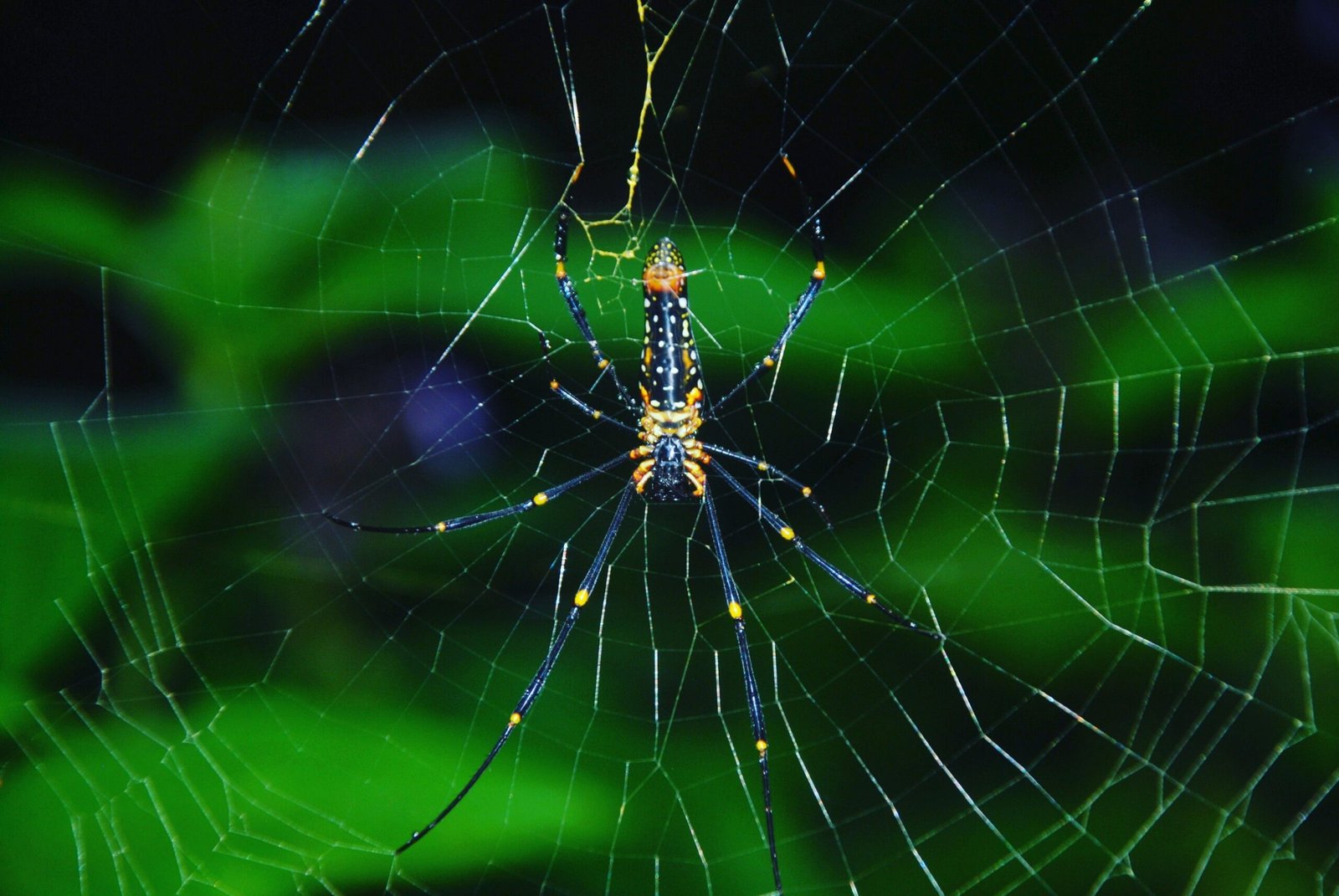
The forest is also home to purple faced langurs, which live in the trees, and to giant squirrels, which are the largest squirrels in the world, and to a host of smaller creatures, including butterflies, frogs and spiders. The golden orb weaver, a large spider with a golden web, is one of the most striking, and its web can be more than a metre across. The best way to see the wildlife is to walk slowly with a guide, to listen for the birds and to look up into the canopy, where most of the life is.
Trails and the Rainforest
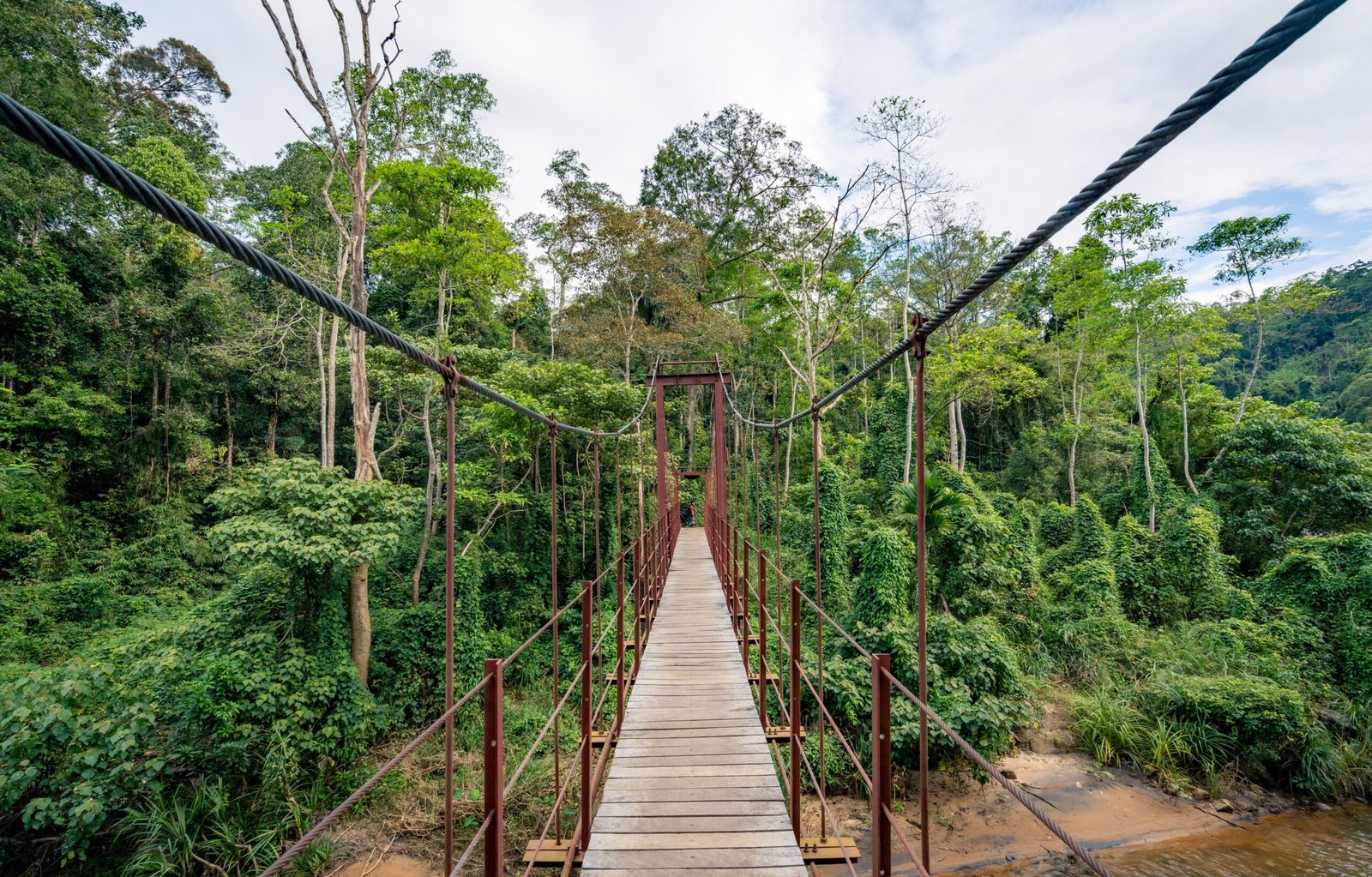
Sinharaja has several trails, and the most popular are the short walks from Kudawa, which take two to three hours and are good for birds, and the longer walks to the waterfalls and the viewpoints, which take four to six hours and are good for the forest itself. The trails are narrow and can be muddy and slippery, especially after rain, and they climb through the forest, past tall trees, ferns and streams, and the light that filters through the canopy is green and soft. A guide is required, and the guide will know the trails, the birds and the trees, and will help you to see the wildlife that you would miss on your own.
Where to Stay Near Sinharaja Forest Reserve
There are a few small guesthouses and eco lodges near the forest, and they are simple but comfortable, with clean rooms and local food. The best option is to stay in a guesthouse in Kudawa or in Deniyaya, where the owners know the forest and can arrange a guide for you. If you prefer a hotel, Galle, on the south coast, has a better range, from budget hotels to comfortable boutique hotels, and it is a good base for two or three days in the south, with Sinharaja as a day trip.
Practical Tips for Visiting Sinharaja Forest Reserve
Sinharaja is a rainforest, so come prepared for rain and for leeches. Pack a rain jacket and waterproof boots, as the trails can be muddy and slippery, and wear long socks and leech socks if you have them, as the leeches are common after rain. Bring binoculars for the birds, and a good camera with a zoom lens if you want to photograph them. A guide is required, and the guide will know the trails and the birds, so book your guide in advance through your guesthouse.
Sinharaja’s Trees and the Forest Canopy
Sinharaja is famous for its birds, but the trees are just as remarkable. The forest is dominated by dipterocarps, tall hardwoods that rise to forty metres or more, and many of them are found nowhere else in the world. The canopy is so dense that little light reaches the forest floor, and the air stays cool and damp even on the hottest days. Some of the trees are hundreds of years old, and their trunks are wrapped in lianas and ferns, creating a layered world that supports an extraordinary range of life.
The forest is also a watershed, feeding the rivers that water the farms and villages of the south, and it holds plants that have been used in traditional medicine for centuries. Researchers come to Sinharaja from around the world to study its ecology, and new species are still being found here, from frogs to orchids. Walking beneath the canopy, with the sound of water and birds all around, is a reminder that this is one of the last great rainforests of Sri Lanka, and that its protection matters far beyond its borders.
Frequently Asked Questions About Sinharaja Forest Reserve
How do I get to Sinharaja Forest Reserve from Colombo? From Colombo, it is about a three to four hour drive to Deniyaya, by bus or by private car, and then another 30 minutes to Kudawa, the main entrance. Most visitors hire a car and driver in Colombo for two or three days, which gives them the freedom to visit Galle and the south coast on the same trip.
What is the best time to visit Sinharaja Forest Reserve? December to April is the best time, when the weather is drier, the trails are less muddy and the birds are at their most active. The rainy season, from May to November, is when the forest is at its lushest, although the trails can be muddy and the leeches are more numerous.
Do I need a guide to visit Sinharaja Forest Reserve? Yes, a guide is required, and the guide will know the trails, the birds and the trees, and will help you to see the wildlife that you would miss on your own. Book your guide in advance through your guesthouse, and start early in the morning, when the birds are most active.
What birds can I see in Sinharaja Forest Reserve? The forest is home to more than 150 species of birds, including 34 endemics, and the most famous are the Sri Lanka blue magpie, the red faced malkoha, the green billed coucal and the Sri Lanka junglefowl. The mixed feeding flocks, where many species travel together, are one of the great sights of the forest.
Are there leeches in Sinharaja Forest Reserve? Yes, leeches are common in Sinharaja, especially after rain, and they are most numerous in the rainy season. Wear long socks and leech socks if you have them, and check your legs regularly. The leeches are harmless, although they can be annoying, and your guide will help you to remove them.
Conclusion: Sinharaja Forest Reserve Awaits
Sinharaja Forest Reserve is a place that rewards the traveller who is willing to walk slowly, to look up into the canopy and to listen for the birds. The forest itself is beautiful, but it is the wildlife that makes the trip, the blue magpies, the mixed feeding flocks, the langurs and the butterflies. If you are planning a trip to Sri Lanka, give Sinharaja a full day, and you will come home with some of the best photographs and memories of your whole trip.
For more forest and wildlife inspiration in the region, read our guide to Yala National Park, the wildlife paradise of Sri Lanka, and our guide to Daintree Rainforest, the ancient wonder of Australia. Both are good companions to a Sinharaja trip, and they will help you plan the rest of your time in the wild.